
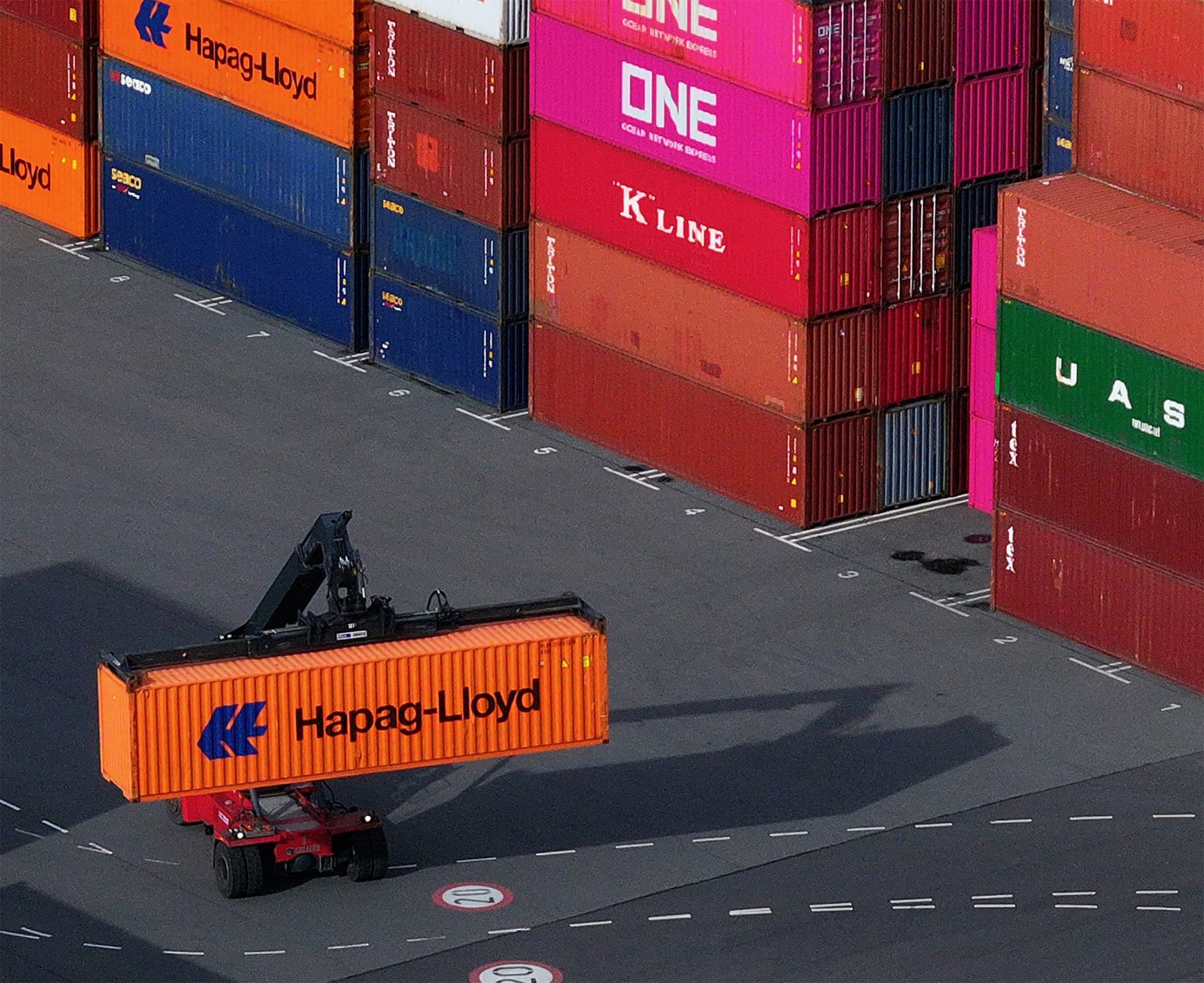
Six container ships operated by the Hamburg-based shipping company Hapag-Lloyd remain in the Persian Gulf and cannot pass through the Strait of Hormuz. The company is incurring additional weekly costs of $50 million to $60 million. Only a few weeks ago, estimates stood at $40 million to $50 million. The financial burden has therefore increased significantly within a short period.
Chief Executive Officer Rolf Habben Jansen highlighted the scale of the crisis during a customer conference: "Even if a ceasefire has now been agreed overnight, I would say that it’s fair to say that the conflict in the Middle East is still severely disrupting shipping, but also supply chains." The remark underscores that political signals have so far brought no operational relief.
The additional costs stem from several sources. Fuel prices are rising amid uncertainty in energy markets. Insurance premiums for voyages through the region have also increased sharply. There are further operational expenses, including rerouting, waiting times and storage costs for containers that cannot reach their destination ports. Together, these factors are creating pressure across logistics chains.
For industry and trade, the consequences are tangible. Deliveries are delayed, production schedules come under strain and inventories must be adjusted. Shipping lines pass on part of the additional costs to customers, adding to price pressure on end products.
Ceasefire Brings No Relief for Shipping
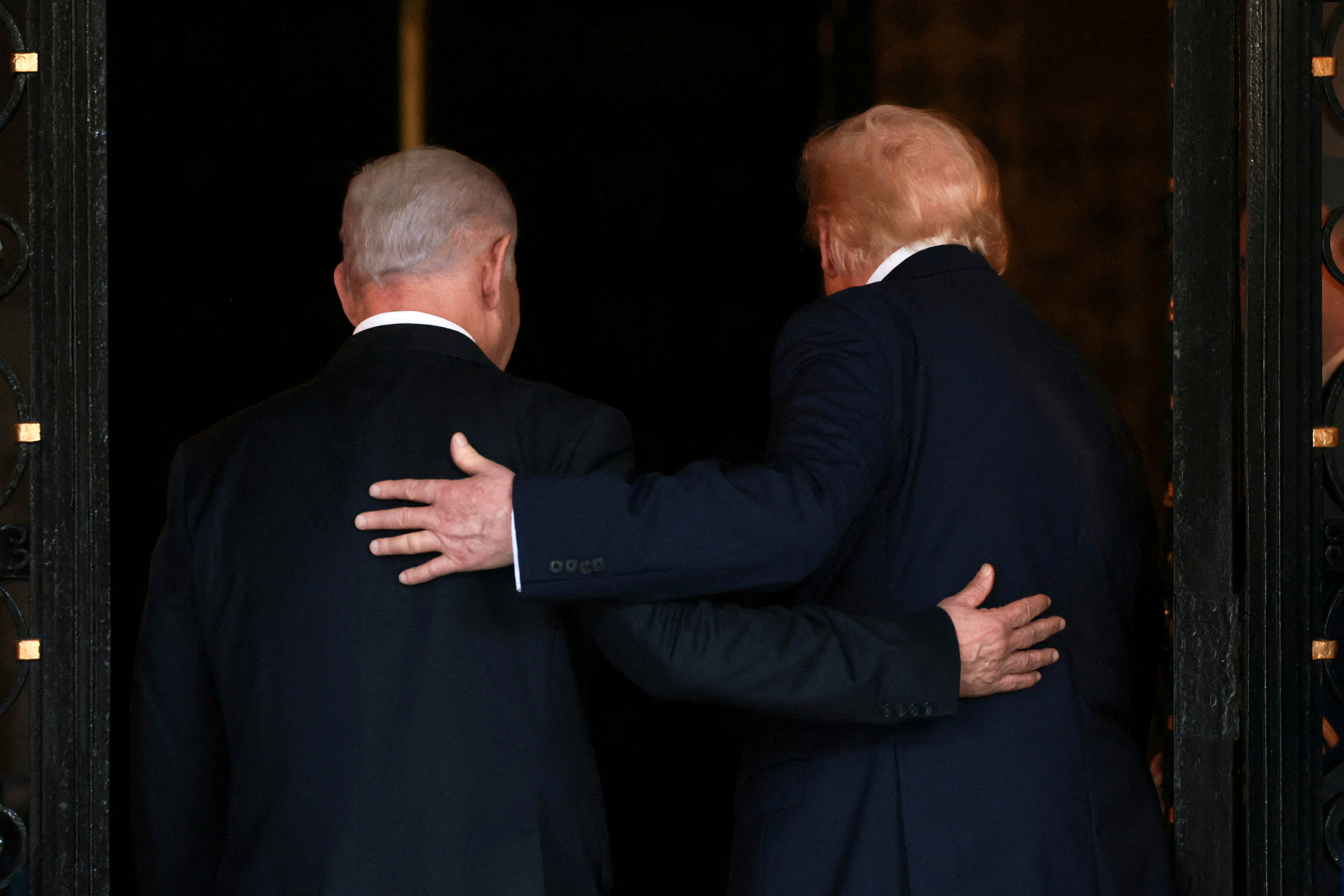
The two-week ceasefire agreed between the United States and Iran has not stabilized the situation so far. Despite diplomatic progress, the passage remains risky for shipping companies. Reliable security guarantees are still lacking and the situation is described within the industry as unclear.
Even if the ceasefire holds, Hapag-Lloyd does not expect a rapid return to normal operations. According to the company, it may take six to eight weeks for schedules, routes and container flows to normalize. The disruptions that have accumulated in recent weeks are too large.
They affect not only individual connections but the entire system. Ships arrive late, are missing elsewhere or must be rerouted. Containers are stranded in the wrong ports or do not reach their destinations on time. These effects reinforce one another and lead to further delays.
The scale of the crisis is considerable. Estimates suggest that around 1,000 ships in the region are affected or cannot use their planned routes. The six Hapag-Lloyd vessels, with a combined capacity of about 25,000 twenty-foot equivalent units (TEU), are among them. Many shipowners are temporarily avoiding the passage and waiting to see how the security situation develops.
Habben Jansen also made clear that the financial burden cannot be absorbed internally. The additional costs in the tens of millions per week cannot be borne by the company alone. Part will therefore be passed on to customers.
Iran Limits Transits and Demands Fees
Alongside the ceasefire, Iran has sharply restricted traffic through the strait. According to mediators, only about a dozen ships per day are now allowed to pass. Before the conflict, more than 100 vessels transited daily. On Wednesday, only four ships were counted, a significant drop compared with normal operations.
Fees are being charged for transit. Depending on vessel size, these can reach up to $2 million. Shipowners must coordinate passage in advance with the Islamic Revolutionary Guard Corps (IRGC) and arrange payments. In some cases, settlements are made in Chinese yuan or cryptocurrencies.
The new procedures are reshaping shipping patterns. Transits must be planned and approved in advance. Passage is not possible without coordination. At the same time, radio warnings have stated that vessels without authorization could be attacked.
This creates additional uncertainty for shipping companies. Many operators are currently opting against transit and waiting for the situation to develop. The restrictions remain in place during the ceasefire and continue to shape daily operations in the region.