
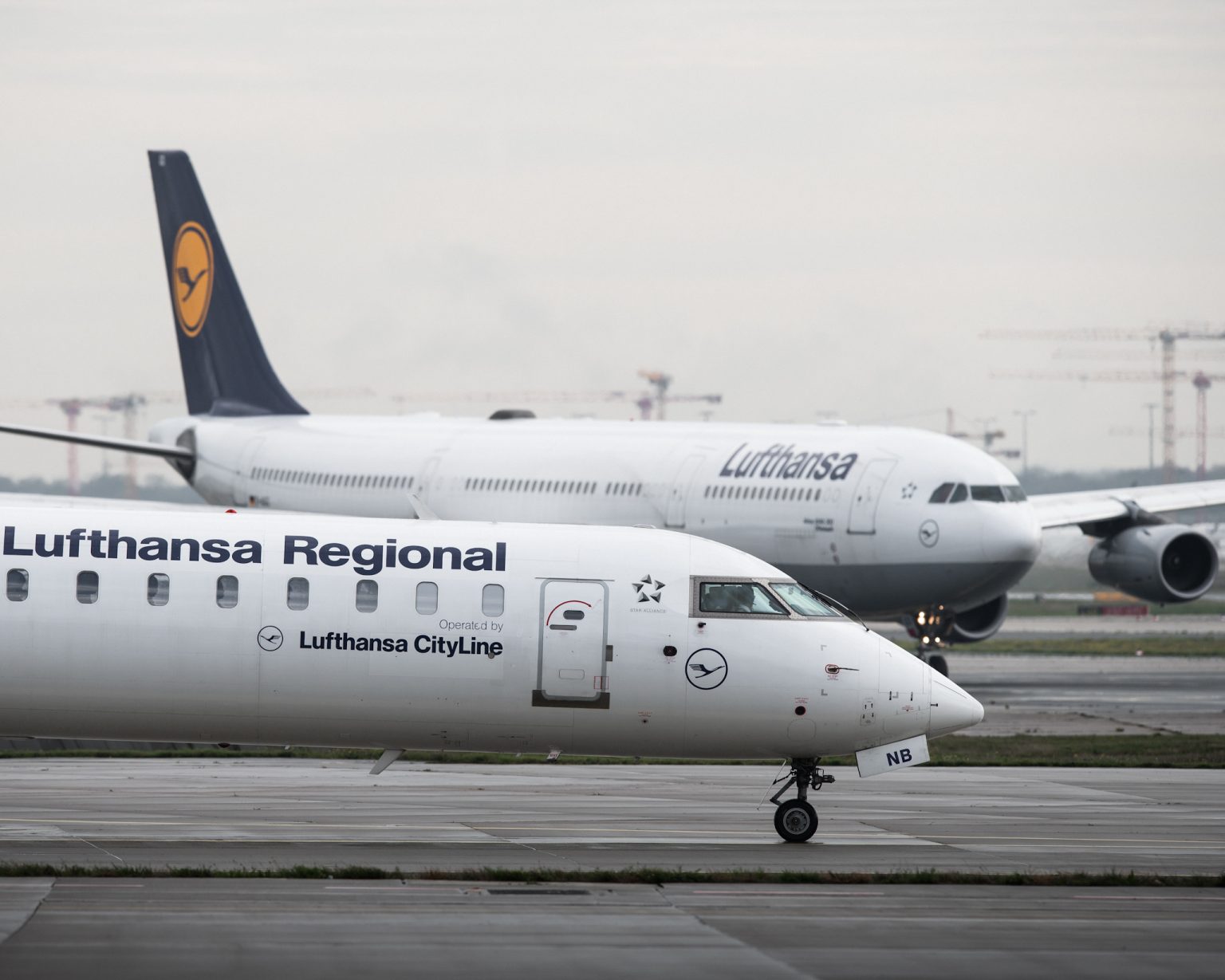
Lufthansa has suspended flight operations at its regional arm Lufthansa CityLine with immediate effect, abruptly escalating a conflict that had been simmering for months. In an internal memo, the group confirmed a “temporary suspension” – in practice an early shutdown of the feeder airline.
Around 2,200 employees are affected, most of whom have been placed on immediate leave. CityLine’s 27 aircraft will be withdrawn from service. The subsidiary had originally been scheduled to cease operations in 2028. The cut now comes both earlier and more decisively.
Management officially describes the move as an “accelerated implementation of strategy”. Behind the phrasing lies a straightforward commercial reality: the struggling unit is no longer to incur further losses. At the same time, the group has announced talks on a social plan and pointed to “redeployment opportunities” within the company.
Strikes, Costs and Strategic Pressure
The decision comes at a time when tensions between management and unions have sharpened noticeably. The cabin crew union UFO reacted accordingly. Its chief negotiator, Harry Jaeger, said: “We are appalled and shocked by such ruthlessness. This is open war against our own people.”
Yet the strikes are only part of the explanation. Economic pressure across the industry is mounting. Rising fuel costs, geopolitical uncertainty and structurally high expenses are hitting particularly hard those business models that operate in the low-margin feeder segment.
CityLine embodies precisely these weaknesses: high labor costs, limited revenues and a business model heavily dependent on the stability of the wider system. When it comes under strain, the subsidiary quickly turns into a liability.
Restructuring Rather Than Retreat
The shutdown is therefore less a retreat than part of a broader restructuring. Lufthansa is shifting traffic to more cost-efficient and flexible units within the group. Other subsidiaries are expected to take over parts of CityLine’s former operations.
At the core lies a strategic realignment: leaner structures, lower costs and greater operational flexibility. At the same time, the group is phasing out older, less efficient long-haul aircraft while expanding more cost-effective offerings.
For passengers, the immediate impact is likely to be uncertainty. Flight cancellations, schedule changes and a reduced short- and medium-haul offering are to be expected. For the group, however, the direction is clear: away from legacy structures towards a system capable of remaining stable under pressure.