
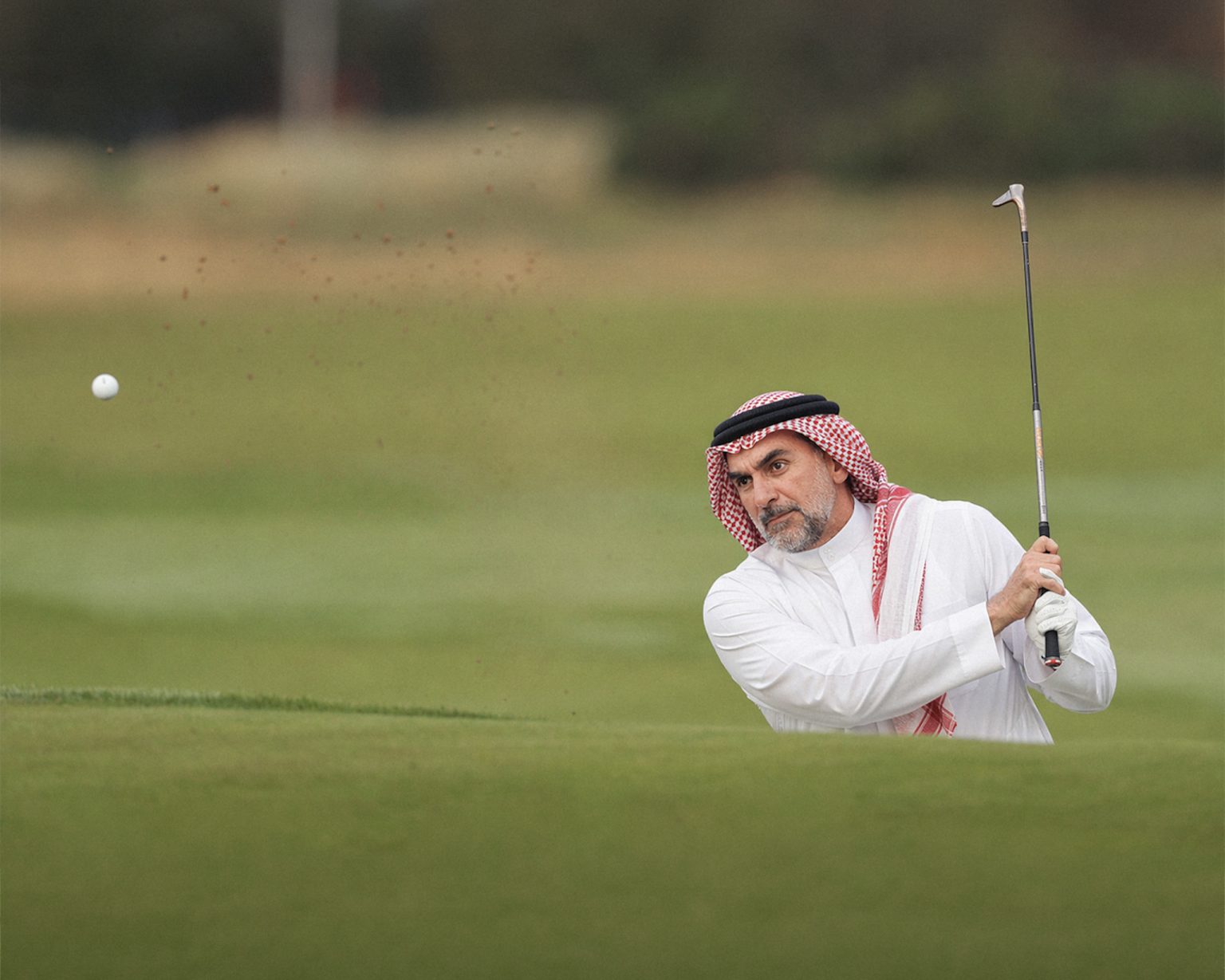
Saudi Arabia has invested billions in sport in recent years: in football stars, Formula One races, boxing bouts – and in a new golf league intended to upend the existing order. The project is called LIV Golf. Launched in 2022, it lured some of the sport’s biggest names with record contracts and was designed to challenge the dominance of the long-established US-based PGA Tour. Now, of all projects, this flagship venture may be facing its end.
According to a report by the Wall Street Journal, Saudi Arabia’s Public Investment Fund (PIF) is considering withdrawing its backing. The decisive factors are said to be heavy losses and the failure to secure a real breakthrough with US television audiences. LIV is reported to have lost nearly $600m in 2024. More than 50 players had already arrived for a tournament in Mexico when rumors of a possible shutdown began to circulate.
What may at first glance look like a niche sports story from afar in fact tells a much larger one. The case of LIV Golf illustrates how authoritarian states are using sport to buy influence, prestige and a modern image – and where even billions reach their limits.
The Attempt to Reshape a Traditional Sport
Golf is often seen as elite, slow and lacking excitement. That is precisely what makes LIV so revealing. Few sports are as deeply rooted in tradition, ritual and history. Major tournaments such as Augusta, St Andrews and the Ryder Cup are far more than competitions for fans. They are part of a culture that has developed over decades. It was into this fabric that Saudi Arabia sought to intervene.
LIV Golf was conceived from the outset as a challenge to the established order. Even the name was a statement: “LIV” is the Roman numeral for 54 – the number of holes a tournament was originally meant to have, 18 fewer than usual. The format was deliberately different: shorter, louder, faster and more focused on entertainment. Less traditional etiquette, more spectacle.
To achieve this, Saudi Arabia attracted top players such as Jon Rahm, Phil Mickelson and Bryson DeChambeau with sums previously unimaginable. Contracts worth hundreds of millions became the symbol of a new logic: money over tradition, petrodollars over established structures.

At first, the strategy worked. LIV split the world of golf into two camps. Players switched sides, the PGA Tour raised prize money, and the dispute spilled into courts, politics and even antitrust scrutiny. Saudi Arabia achieved what it set out to do: maximum attention. But attention is not the same as loyalty.
LIV had stars, money and polished presentation. What it lacked was what sustains sport over time: credibility. The tournaments often felt like a glossy product without deeper meaning. Television audiences remained well below expectations, and emotional engagement among viewers was weak. That is the central irony. In a sport built on prestige, money reaches its limits. Players can be bought. History cannot.
Saudi Arabia Pushes onto Every Major Stage
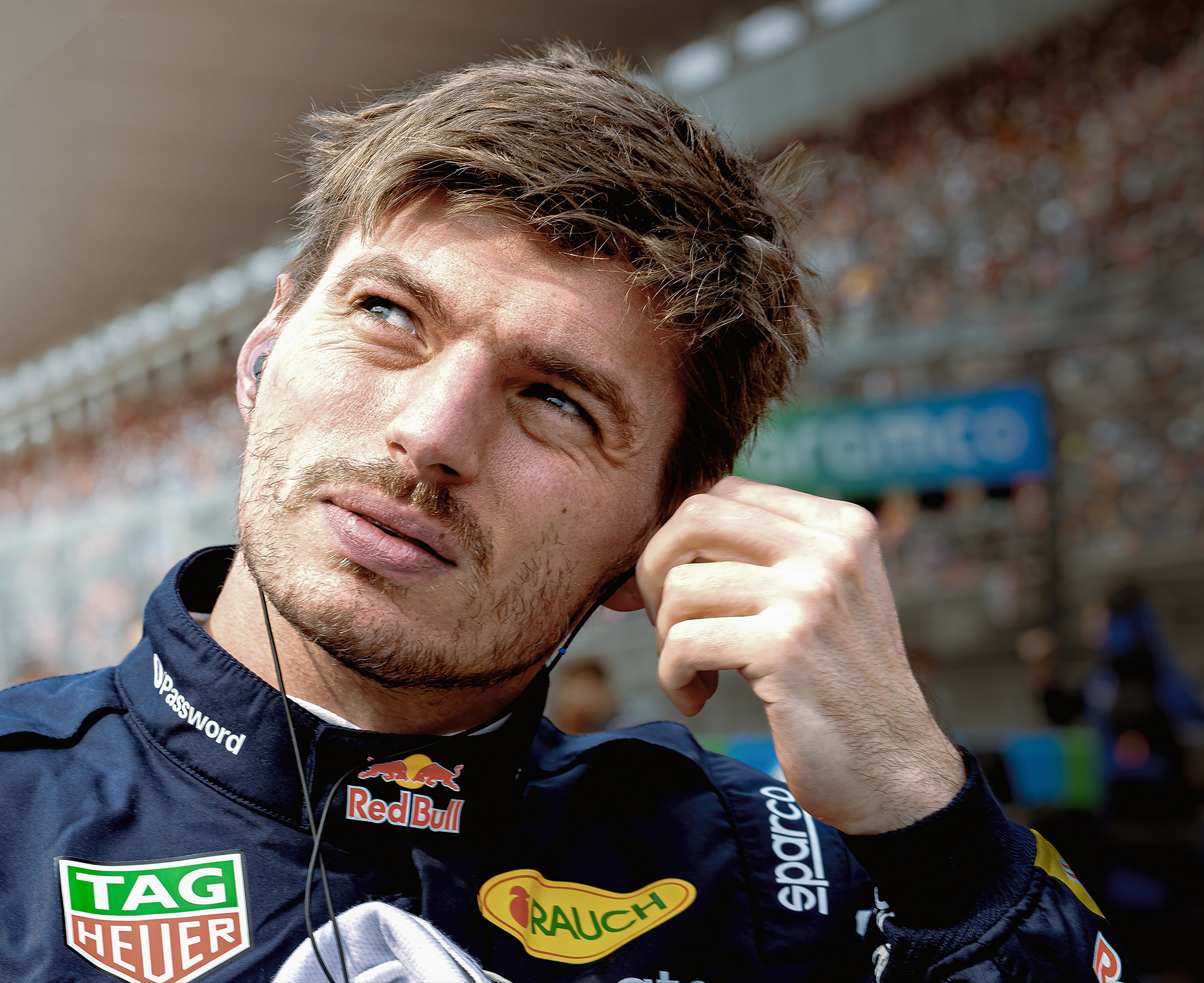
LIV is not an isolated case but part of a broader strategy. For years, Saudi Arabia has used sport as a geopolitical instrument. In Formula One, the kingdom is now firmly established. The race in Jeddah is a permanent fixture on the calendar. Saudi Arabia appears as a sponsor and is seeking to embed itself in a global prestige product.
In football, its presence is even more visible. The PIF holds a majority stake in Newcastle United, a historic club in north-east England with one of Europe’s most loyal fan bases. Newcastle exemplifies a traditional working-class club: founded in the 19th century, deeply rooted in its region, with a stadium that for many supporters is more than just a venue. The investment from Riyadh has strengthened the club on the pitch and returned it to the European elite, while raising fundamental questions about ownership in modern sport.
Saudi Arabia is only one part of a wider pattern. The English Premier League, the world’s most popular football league, has long become a global multi-billion-dollar market. For the current rights cycle, the league earns around £6.7bn domestically, with billions more coming from international deals. Football is now a global entertainment product in which economic logic often outweighs local identity.
Sponsors from the Gulf region are deeply embedded in this system. Manchester City has long been shaped by the state-owned company Etihad, from the stadium name to the shirt. At Arsenal, Emirates – also a Gulf airline – features on both shirt and stadium. The intertwining of state, capital and sport has become routine.
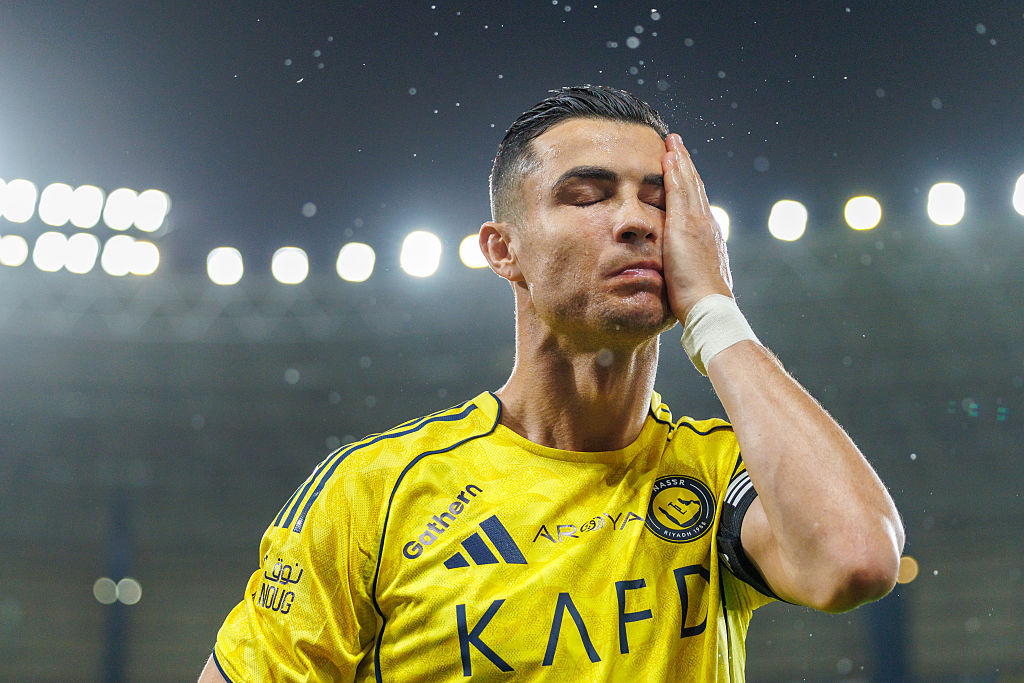
At the same time, Saudi Arabia has attracted global stars to its domestic league with vast sums, most notably Cristiano Ronaldo at Al Nassr FC. The strategy is clear: generate attention, increase international visibility and build a new image.
Yet the same pattern emerges. Money creates headlines but not an organic fan culture. Few people in Europe follow the Saudi league week in, week out with genuine passion. For many, it remains an artificially inflated spectacle. A very expensive sideshow.
Europe’s Fans Are Already Paying the Price
The case of LIV Golf is therefore not only about Saudi Arabia. It also says something about Europe itself. The Gulf states have reshaped sport aggressively, but they have been able to do so because Western leagues, federations and clubs have long opened their doors. Sport is now a global market, and fans are often little more than paying spectators within it.
The consequences are already visible. Football tickets are becoming more expensive, kick-off times are adjusted to suit television audiences in Asia and the United States, and clubs are losing local control and identity. What was once experienced as a club belonging to a city increasingly feels like a fully commercialized brand.
At its core, the issue is not whether Saudi Arabia fails with LIV Golf. The real question is what becomes of sport as it continues to drift away from its fans. Money can buy many things: stars, stadiums and headlines. But in the long run, it cannot replace a genuine sporting culture.