
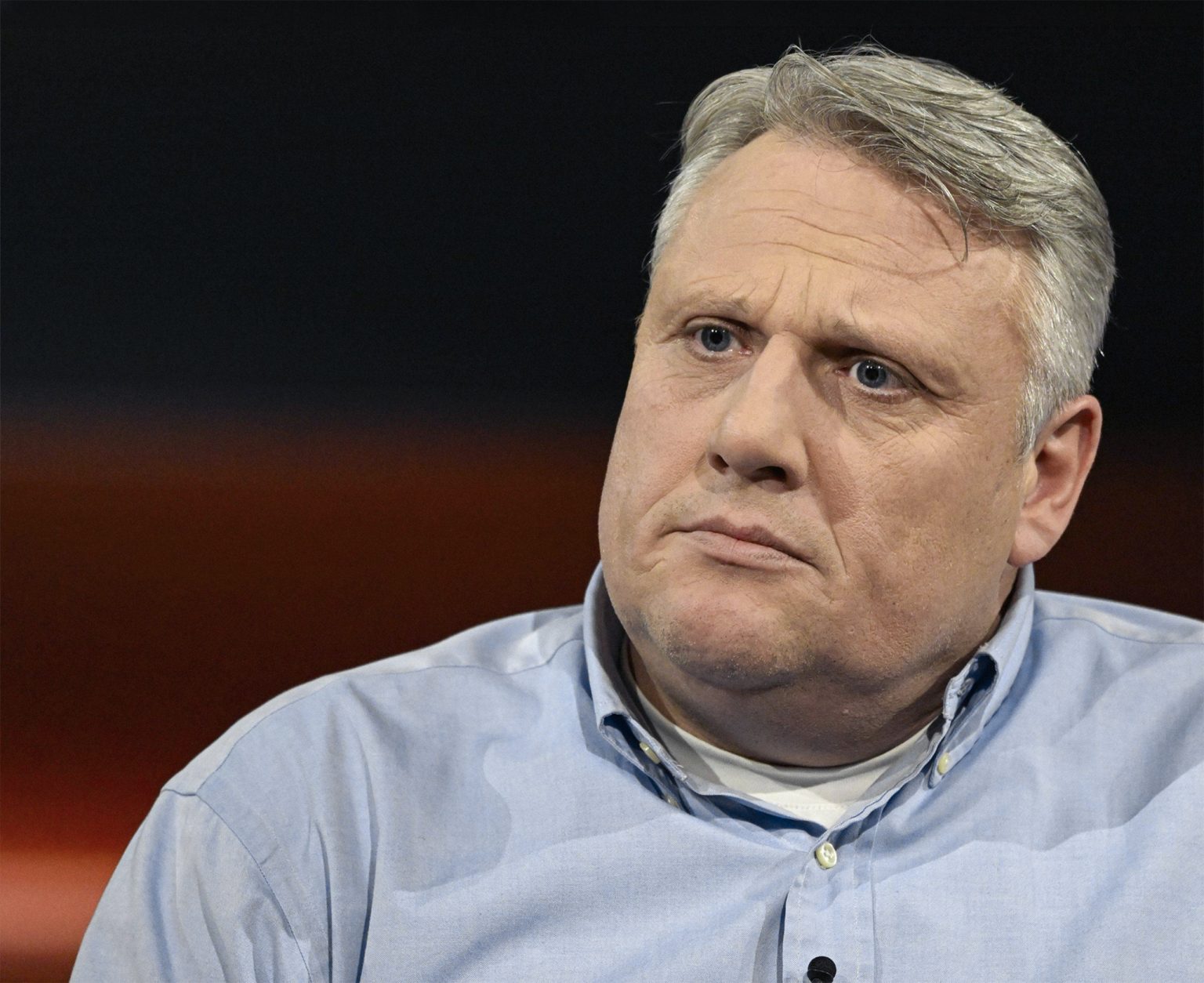
Three years ago, Ann-Marie Kyrath and her boyfriend Danny were killed with a knife on a train near Brokstedt by a Palestinian asylum seeker. Her father, Michael Kyrath, has since become a public voice in Germany for the families of victims of such crimes. He now volunteers to support a network of almost 400 parents whose children have been victims of violence and sexual assault and helps other families cope with their situations.
“Giving up is not an option” was the life motto of his late daughter. Kyrath now lives by that principle himself, offering tireless support to those who are sometimes on the verge of giving up and, in some cases, have already gone beyond that point.
Next weekend, he and his supporters are organizing a public vigil in front of the Frauenkirche in Dresden to commemorate victims of violence, attacks and knife assaults since the border opening in 2015 and to give them a face and a voice. Politically, these victims are unwelcome, while the media keep silent about them. They reveal the unvarnished reality of a country that, through open borders and large-scale immigration from foreign cultural backgrounds, is experiencing a growing problem with violence.
The victims include many women, increasingly children, but also men and police officers. If current police statistics in Germany confirm that murders and rapes committed by men from Islamic countries, particularly Syria and Afghanistan, are in some cases overrepresented by a factor of 10, this broadly reflects the unofficial experience of much of the population.
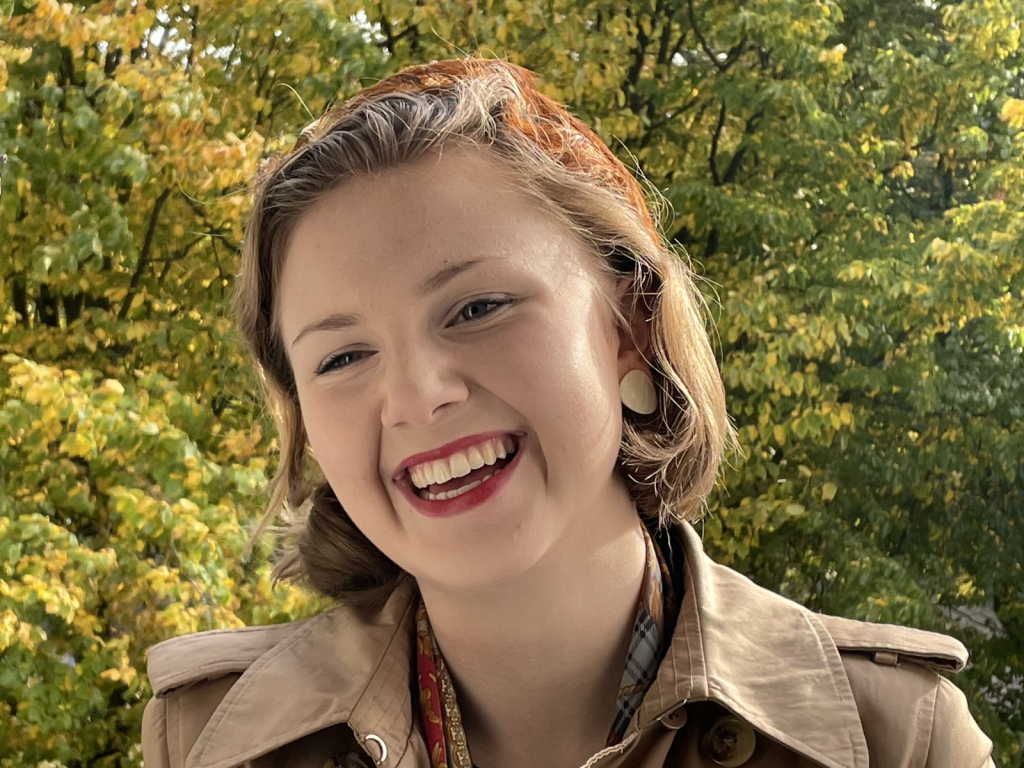
Statement: You lost your daughter Ann-Marie in a knife attack three years ago. She was, as people say, “in the wrong place at the wrong time”, on a regional train on her way home with her boyfriend Danny when a Palestinian asylum seeker attacked them with a knife. Both are now dead. Mr Kyrath, you have said that you owe it to your daughter “not to remain silent”. What drives you today: grief, anger or a sense of political responsibility?
Michael Kyrath: I would say it is a mixture of everything. There was, for example, Ms Faeser, the then interior minister, who stood on the platform in Brokstedt the day after the attack and said: “The most important thing on this day is that this crime is not abused by right-wing radicals.” She apparently did not realize that she herself was instrumentalizing my daughter for her own cause. I found it unacceptable that she used my daughter for her agenda.
Statement: Left-wing initiatives also called for a “demonstration against the right” after the attack on your daughter. That is a pattern that repeated itself after other attacks in Germany, such as in Solingen, where six people were killed at a town festival, or in Aschaffenburg, where an asylum seeker attacked a group of nursery children in a park and murdered a two-year-old child, along with a father who had tried to help.
Michael Kyrath: The “Grannies Against the Right” also demonstrated. The second trigger for me came later that same evening and in the days that followed, when self-appointed psychologists appeared on public broadcasters and began explaining that the perpetrator was traumatized and that this was why he had murdered my child. They talked about how much understanding one was supposed to have, about his difficult childhood and about how hard his journey here had been. No one expressed any sympathy for my child. I am astonished that any psychiatrist or expert can stand there and make such a confident remote diagnosis without ever speaking to the perpetrator.
The third trigger then came from the then chancellor Olaf Scholz, who spoke to the press outside the church in Neumünster immediately after the memorial service, just a few days after the murder of Ann-Marie and Danny. Inside the church, the children’s names, Danny and Ann-Marie, had been mentioned at least 100 times. Not even two minutes later, he said verbatim into the TV cameras: “I am terribly sorry that these people lost their lives.” They were not “these people” or just any people. They were our children, Danny and Ann-Marie.
The question was how politics deals with us. For me, that was the moment to say: “Stop. No further.” My daughter and Danny, her boyfriend, are the victims, not the perpetrators. The perpetrator was the man who stole a knife and who had already stabbed someone in the neck about a year earlier, yet an expert deemed him harmless.
Statement: Experts assessing migrant attackers now seem constantly to conclude that the perpetrators are merely mentally ill.
Michael Kyrath: That alone could fill an entire book. Why can experts simply say such things and not be held accountable if someone then goes on to kill? Where is the expert’s liability? They must bear some responsibility. After all, it cost my daughter her life.
For my daughter, and also for Danny and all the other victims, it does not matter whether the perpetrator is traumatized. Are we now supposed to say that, after two years of therapy, he can simply be released?
My daughter is not coming back from the grave. She lies in the cold earth. She is dead and she is never coming back. She does not get a second chance. Nothing changes that, no matter why the perpetrator did it or how hard he had it. We have to stop this reversal of victim and perpetrator, this constant excuse-making for the poor perpetrator.
"My daughter’s life was deemed to be worth €1,497"
Statement: What would you like people to talk about?
Michael Kyrath: About what the consequences of such an attitude can be for my daughter, for Danny, for us as families, for classmates, for teachers, for everyone involved. For all those who grieve and are still suffering today. I want to talk about everything that comes afterwards for families in the wake of such a crime. No one talks about that at all.
We spent two years in court proceedings and lawsuits. In the end, my daughter’s life was deemed to be worth €1,497 in damages, and we were told that taxes and social security contributions still had to be paid on top of that, leaving not even €600 net. The perpetrators, by contrast, receive unlimited treatment, with each treatment costing at least €50,000 to €500,000, in a country where victims are told there is no money for anything.
Statement: It is a recurring pattern that many attackers do not end up in prison, but are treated as supposedly mentally ill and held in psychiatric institutions. Has the man who murdered your daughter at least now been convicted?
Michael Kyrath: Yes. He initially appealed, but the appeal was not successful. Thank God. He is now serving a life sentence with a finding of particularly severe guilt, followed by preventive detention. He will never be released, and that is the good thing.
Statement: Do you regard that as justice?
Michael Kyrath: That is acceptable to me, yes. In the Old Testament of the Bible, it says: “An eye for an eye, a tooth for a tooth.” I believe that is a Pandora’s box we should not open, repaying like with like. As human beings, do we have the right to take someone else’s life just because he murdered someone? Would that make us better? That is an endless debate we should not be having. On the other hand, what is justice? Can a court still dispense justice today, or deliver it? In cases like this, I believe not. But it is at least a kind of satisfaction. Justice will come to the perpetrators when they stand before their creator, and he will decide whether it is up or down.
Statement: This one man is now in preventive detention. At the same time, and this is also a pattern in many cases, your daughter’s murderer was already known to the police, including for knife attacks. Just days after he was released from pretrial detention, he killed your daughter and her boyfriend. In your view, is enough being done to identify dangerous offenders and lock them up or deport them before they look for their next victim?
Michael Kyrath: I would like to break that down a little. I do believe the police do a really excellent job, and I now know a great many officers because many write to me and call me. They put themselves on the line for relatively little money, working shifts and doing huge amounts of overtime to provide security for us as citizens, so that we can at least still move around our streets with some degree of freedom.
They try to identify offenders, write endlessly long reports and, with great effort, manage to bring them before a judge. And then the judge says we would only be ruining the man’s future, so let him go again, we know where he lives. In that respect, I do not want to direct my criticism at the police or the investigative authorities, but at the courts, which for a wide variety of reasons often do not prosecute these perpetrators properly and, if they do, impose very mild sentences.
I support enough rape victims to know that, in some cases, 10, 11 or 12 men with a migrant background drug and rape a 12-year-old girl over a period of hours. They even film it on their phones and then walk out of the courtroom with suspended sentences. Interestingly, such rulings often come from young female judges between 30 and 35, which I simply cannot understand.
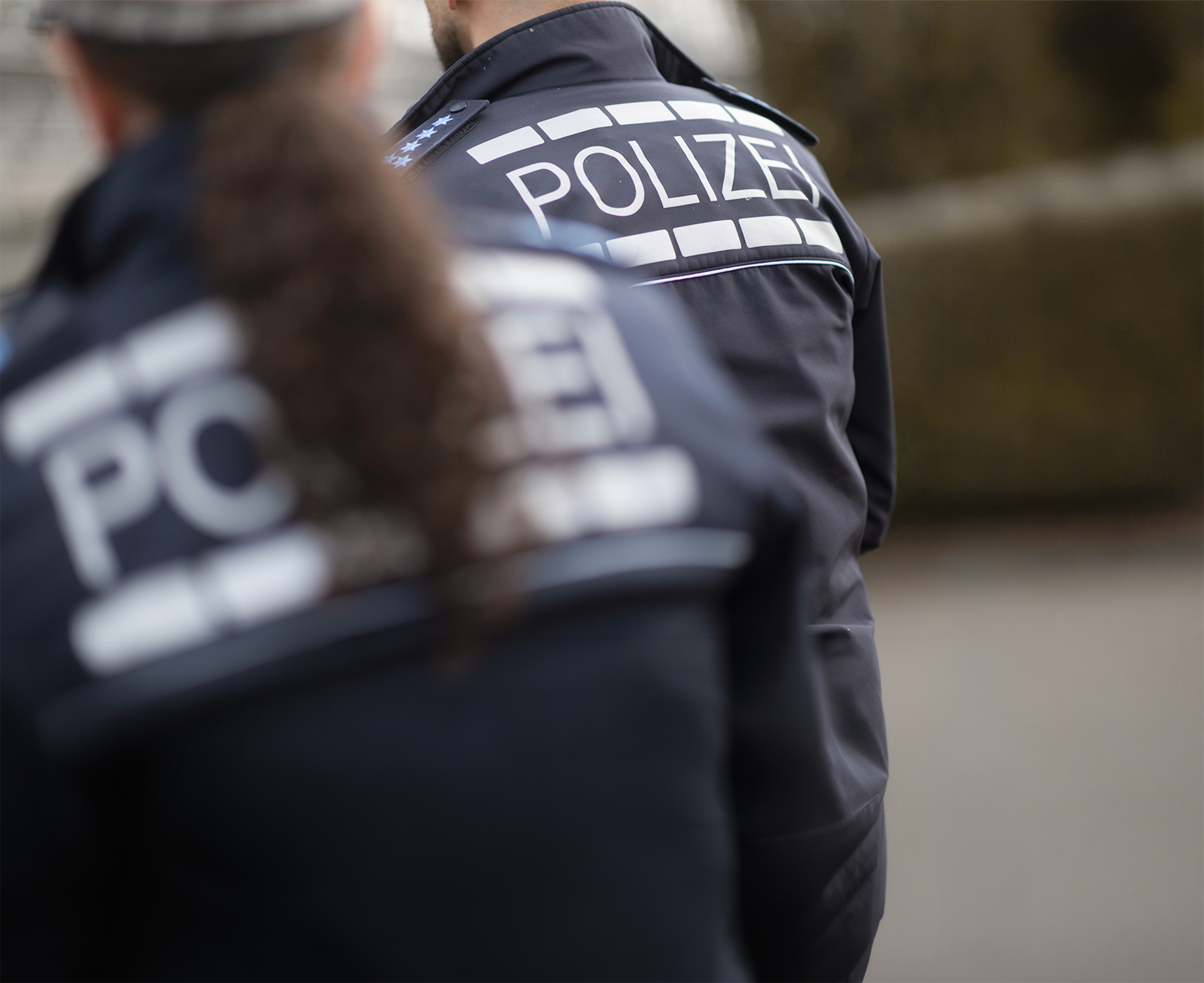
The officers who investigate these cases and really sacrifice themselves no longer enjoy any political backing. If someone runs across a market square today with a machete and hacks down three people, and a police officer fires a fatal shot, he is then torn apart in the public sphere over whether that was really necessary. This is followed by disciplinary complaints and legal proceedings. Some NGO then comes along and says the evil white police officer has shot the poor black man, and the whole thing is emotionally charged.
What is missing is political backing for officers who have 0.2 or 0.3 seconds to decide what to do in order to protect their own lives and those of their colleagues or passers-by. While so much understanding is shown for perpetrators and their motives, people then spend weeks debating a police officer’s split-second decision on duty.
Statement: You speak of a network of more than 300 parents and of five specific features that most of these crimes have in common: the same perpetrator profile, the same weapon, almost always the same sequence of events, the same motives and the same stock phrases from responsible politicians. Do you still have hope that something will change politically?
Michael Kyrath: I have to correct you slightly there. By now, it is almost 400 families who have lost their children, and we support more than 1,000 families who have lost other relatives. We also hear from an estimated 300 young women and girls who have been victims of rape, gang rape and similar crimes. Some of them give their consent for me to tell their stories publicly, as Celine recently did.
“I’ll slit you open if you say anything”
Statement: Please tell us about Celine.
Michael Kyrath: Celine worked in a social care institution and was doing a voluntary social year there. During a night shift, she was attacked and raped by three migrant colleagues.
She has mild Down syndrome. She was ashamed and afraid to say anything. Unfortunately, that meant she did not open up to her parents until it was too late, so no DNA evidence could be secured. The perpetrators then continued to intimidate her. They stood outside her front door, rang the bell, sent threatening letters and WhatsApp messages and shouted at her: “I’ll slit you open if you say anything.” That too was reported to the police. The proceedings have since been concluded. The perpetrators were released because nothing could be proven.
In court, it was said that “I’ll slit you open” had only been a joke and she should not have taken it so seriously. Celine subsequently made several suicide attempts because she could not live with it. Thank God her mother turned to us. The family has since taken a major step. They left everything behind and moved 500 km away so that Celine no longer risks running into the perpetrators. She is now truly flourishing, and I am glad that we were able to play our part.
What moves me especially is that we gave Celine Ann-Marie’s life motto, “Giving up is not an option”, to carry with her. She took it so much to heart that she had it tattooed on her forearm: “Giving up is not an option” and #Ann-Marie. She says that every time she thought about killing herself, or came close to doing so, she read it and told herself: Ann-Marie would like to live, she cannot anymore, but I must not do this, that would not be fair. So she made it through, and that is very moving for us.
Statement: Is that like a small legacy your daughter is leaving behind, serving as an anchor of courage so that others do not give up?
Michael Kyrath (struggling for a while to regain his composure): If it helps other people to avert harm or even a suicide attempt, if something helps or protects in Ann-Marie’s name, then yes, it is a kind of legacy that she may perhaps, and hopefully, be proud of.
Statement: There are also secondary victims of attacks who are barely present in the public consciousness because they are not reported. One of the women injured on the train in Brokstedt, where your daughter died, later took her own life because she could not cope. There are also families left behind who do not know how to deal with what has happened. Is there any meaningful support from the state for these families?
Michael Kyrath: That is not so easy to answer. The woman who had been injured on the train suffered severe facial injuries. Cosmetic surgery was used in an attempt to help her, but at some point she could no longer bear to look at her own reflection and decided to end her life as well.
We were immediately assigned an outstanding member of the victim support organization WEISSER RING at the time, as well as psychological support and an excellent police officer. The minister-president and the state interior minister were also on site straight away. We also had a very large and supportive circle of friends. They intercepted our mail, sat by our beds at night to make sure we were still breathing, went shopping and even handled matters at my company because we were not capable of doing so. In all that misfortune, we were fortunate to have such wonderful people supporting us in every respect.
That is also one reason why I do this. I would like to give something back, in whatever way I can, because I know how difficult it is. But I also see the other cases, where nothing works.
Statement: It is good that you personally had that network, but you now know 300 to 400 victim families. What is the typical experience?
Michael Kyrath: The typical experience is that there is usually no large circle of friends and sometimes no financial reserves to support one another. That is where things start to become difficult. Who pays for the funeral in the end? Everyone knows official letters that you read five times and still do not understand. As I always say, in the first six weeks you are not capable of functioning.
That is how it is for many families. They sometimes sign whatever comes from the authorities, send it back and do not even know what it said. Then suddenly they receive a bill for €6,000 for the autopsy of their child, which they cannot possibly pay. It is madness.
Statement: As a victim’s family, if your child is murdered, you have to pay for the autopsy yourselves?
Michael Kyrath: In principle, no, but we all know the bureaucracy. One person passes it on to another, deadlines expire, and it is simply sent off somewhere on the assumption that someone will pay. If in doubt, the relatives first. We received such a letter ourselves at the time.
Thank God our friends opened our mail, realized that something was wrong and took care of everything necessary. As I said, in all that misfortune we were fortunate to have wonderful people. If you do not have that, you walk straight into it. Then you are told that the letter did indeed state there was a 14-day right of revocation, but you did not exercise it, so now you have the bill.
What arrives is not an expression of sympathy, but official jargon from the victim protection office. I received a letter like that too. Subject line: “Murder of your child”. It said, more or less: “Dear Mr Kyrath, as you know, your daughter was murdered on such and such a day. If you have any questions, please call on Tuesdays and Thursdays between 8 a.m. and 6 p.m.” No signature.
Statement: So a standard, machine-generated letter after the murder?
Michael Kyrath: Exactly. As parents, you sit there and ask yourselves whether that is really what the state dares to write to you as a parent about your murdered child. By that point, you take a kitchen knife and cut your wrists.
Statement: You often criticize the unequal distribution of public attention for victims in Germany. Recently, for example, there was an extensive debate over so-called digital violence against women after an actress in a public marital dispute accused her husband of “digital rape”. Within two days, there was a draft law proposed by the justice minister, a well-organized demonstration in front of the Brandenburg Gate in Berlin, politicians were present, feminists were outraged and solidarity was demanded. Did you experience anything similar after your child was murdered by an asylum seeker, or in the hundreds of cases where women became victims of physical crimes committed by migrants?
Michael Kyrath: In our case, at least the minister-president was there and many people were moved, but I did not see any celebrities or musicians offering to hold a benefit concert for my child. I also did not see any “grannies” out on the streets demonstrating to protect their grandchildren so that they could survive. Instead, a day later there was a “demonstration against the right” at the Brandenburg Gate, where members of the Green party leadership smiled into the cameras.
At the moment, I support more than 30 rape victims, girls like Celine and others. There is also one very serious case about which I unfortunately cannot give many details, otherwise it would be recognized. It was also reported in the media, and the parents do not want publicity. But their daughter has now been sitting in a dark room for two years. As soon as the door opens and even a ray of light comes in, she starts screaming and throwing things around. She does not leave the room. She sits there completely traumatized. At the same time, on television, self-appointed psychologists are suggesting that the girl’s life may now develop differently than it would have without the rape, but that it does not necessarily have to be worse.
Statement: That is cynicism, is it not?
Michael Kyrath: Yes. I would like to take all these loudmouths with me just once so they can see what the consequences of a real rape look like. What a girl or a young woman looks like who has been sitting in the dark for two years. What her skin looks like, what that room smells like. She herself had to smell, taste and feel the perpetrators. You cannot just press a button and switch off your mind. The authorities send two bearded male officials there as psychologists and then wonder why this child does not want to speak to them.
Responsibility is passed back and forth
Statement: That case, and Celine’s as well, is somewhat reminiscent of the tragic case of a girl in Spain that made headlines a few weeks ago. A young woman, the victim of a gang rape, who made several suicide attempts, jumped out of a window, became paraplegic and has now chosen assisted dying. Which is why I want to ask directly: is adequate psychological care for these victims guaranteed?
Michael Kyrath: I would very much like to answer that, but I would then be walking on very thin legal ice. What one can say is that responsibility is passed back and forth. Some only support these victims, others only orphans, the next group only bereaved relatives, but not those of murder victims, because that is too complicated, so they do not support them. We try to handle the phone work for victims. Money has to be organized, as does support. People no longer want to speak to the authorities and turn to us in desperation.
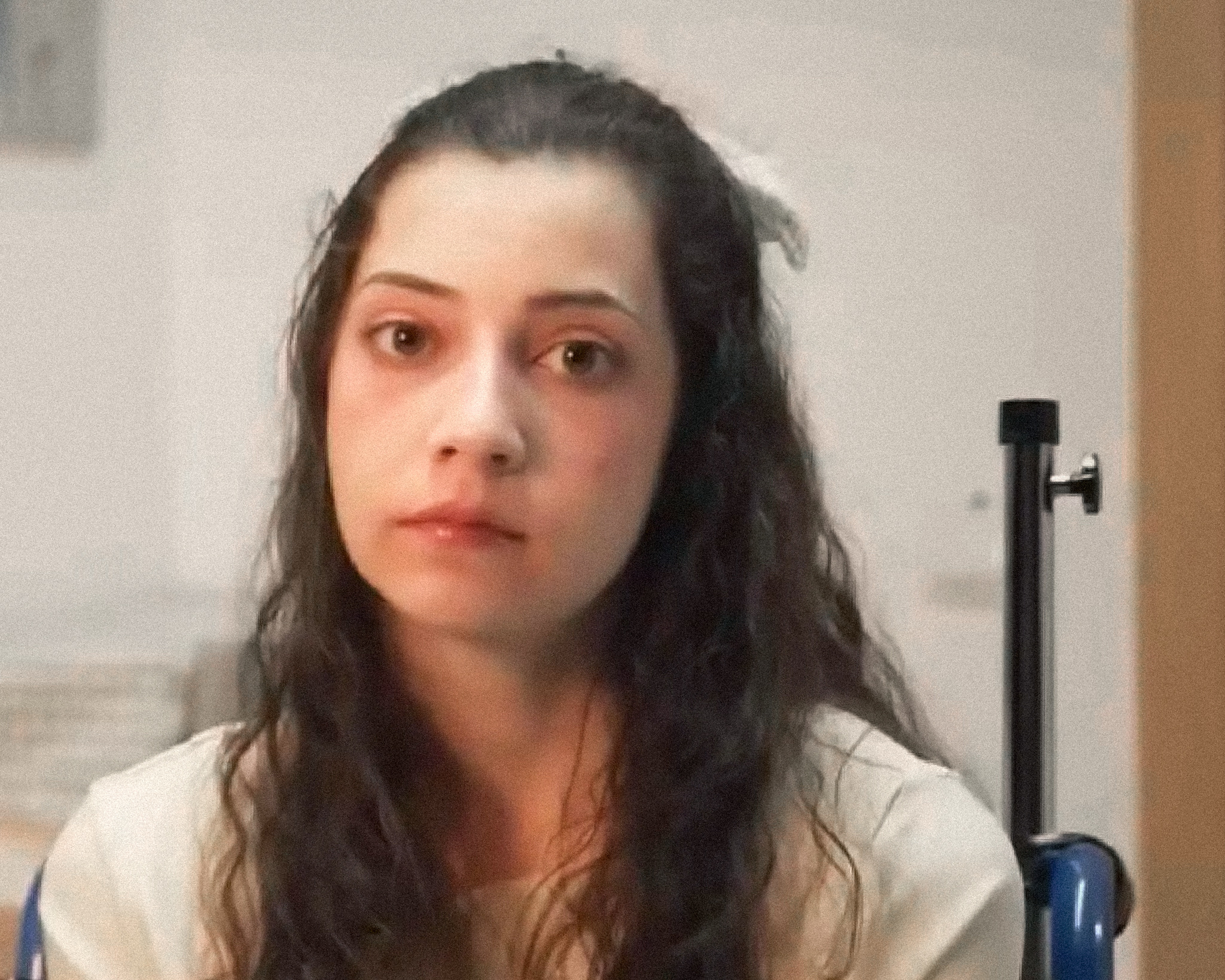
Our work, in turn, receives no financial support from the state because we do not have the required certification. Only people with formal training are supported. Otherwise you are not allowed to assist victims. No one asks whether someone has real experience in these matters. The main thing is to have the certificate. I support more than 1,000 people, and I am told I am not qualified. That is Germany. It is absolute madness. Thank God, we now also have psychiatrists in our network who support us and work with us. But sometimes there are distances of 1,000 km involved. None of this is easy to organize. We are too small and too underfunded for that.
Statement: So what you are doing is, in effect, a private initiative based on personal commitment. Do you at least receive donations for your work so that this support for victims can continue?
Michael Kyrath: We try. I also have a PayPal account, which we mention from time to time. There are even people who accuse us of trying to profit from our daughter’s death. Where exactly am I supposed to make a profit? In fact, we have put very large sums of our own money into this. Sometimes we even pay for the gravestone because the family has no money, so that there is not just a small wooden cross. And quite honestly, I would have my right leg and my right arm cut off, and then everything else as well, just to be able to hold my daughter in my arms for one second.
Statement: This weekend you are inviting people to a vigil in Dresden to remember the victims. You say that even bereaved families often remain silent, or are perhaps even made to remain silent. In your view, who ensures that victims, especially of migrant attacks, remain silent?
Michael Kyrath: From my own experience, I can say that very shortly after Ann-Marie was murdered, I was told which media I would be better off not speaking to, because it could backfire and might have unforeseen consequences for me.
Statement: Warnings from friends or from the authorities?
Michael Kyrath: From the authorities. Also with regard to the vigil. I have always said that I will go anywhere, I exclude no one, there are no firewalls for me, that is something for stupid people. Intelligent people can defend themselves with words. They do not need firewalls. After I gave a talk for the AfD for the first time, I came in for a lot of criticism. I also notice it in my private life. We have just been uninvited from a wedding because I am supposedly an evil right-wing radical. My wife was advised that in this discussion she should finally stop always mentioning that the perpetrator or murderer of a child was a foreigner. She should “imagine he had been a German perpetrator”. So my wife is supposed to falsify facts so that they better fit other people’s narrative. She was told that would be “fairer to all men”.
Statement: So people are specifically accusing you of politically instrumentalizing your daughter’s death?
Michael Kyrath: Everything keeps repeating itself. We simply want to say: OK, listen, we are not right-wing radicals, and in a certain sense we need migration too, but why not a form of migration such as exists elsewhere? We look at where we need people whom we can employ in this country, people who bring something good to this society, support it and, above all, respect and accept it. That is successful migration. But people come here on the flimsiest of grounds who have absolutely no right to be here, even though we know that 90% will have to leave again because they have no right to stay. It contradicts our laws, and our politicians still cover for it and celebrate it. That is a state of affairs that, for anyone in this country who works and is constantly told to comply with the law, rules and regulations, is very hard to accept.
There is no new "normal"
Statement: How many people are you expecting this weekend in Dresden?
Michael Kyrath: At the first vigil in Berlin last November, with very little publicity, we had just over 5,000 people despite 4C, sleet and storms. We do not have 10 celebrities who briefly show up and shout slogans, nor the millions in NGO funding that are then cheerfully distributed among demonstrators. We really have to campaign for every single participant. We expect more people this time in Dresden.
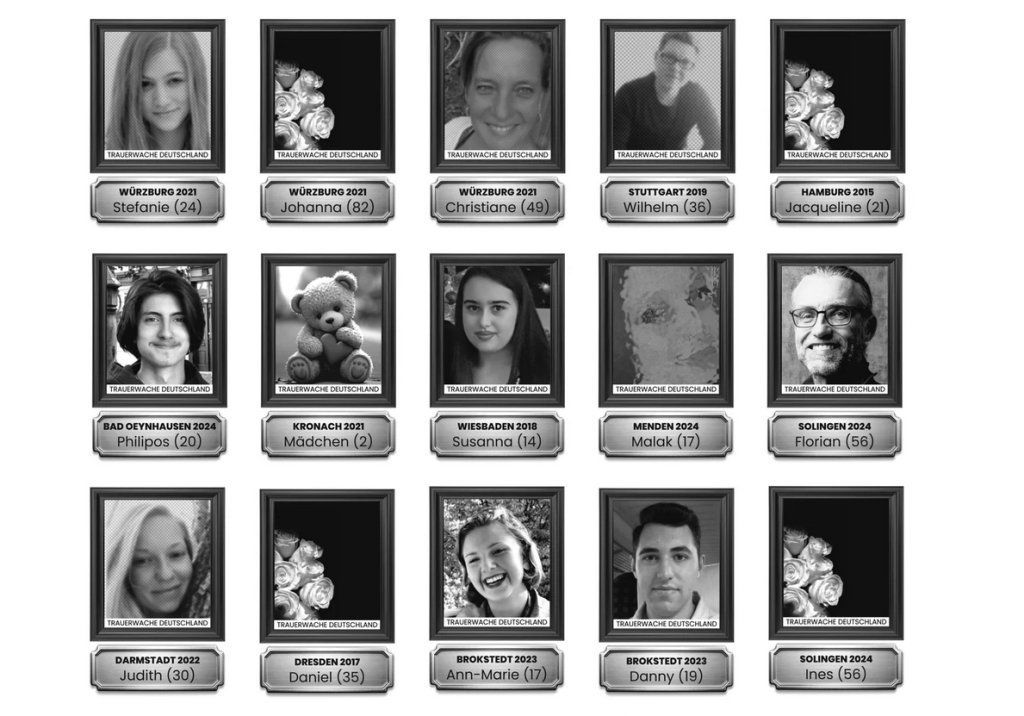
Statement: One final personal question. You once said that since Ann-Marie’s murder, you have been living as if in a horror film.
Michael Kyrath: Yes.
Statement: Are there moments when you would say you have now reached a new normal? Is there such a thing as a normal life, however one may define “normal”? After three years, have you as parents been able to find a new normal after your daughter’s death?
Michael Kyrath: No. There are days when it is a little better. There are days when it is worse. We got through the first two Christmases relatively well. This third Christmas was an absolute catastrophe.
I remember that moment. We were in the car together and said to each other: “Just one twitch into the bridge pillar and it is over.” This year was very bad. We really had trouble getting through that period at all and on more than one occasion came very close to cutting our wrists.
But there are also moments that do us a great deal of good and give us enormous strength. Like the feedback from Celine, when someone simply says thank you. That is when we realize again that we are not doing this for nothing, that it has meaning and that we are doing something good. That too is a kind of balm. We try to create our own small islands of happiness where, at least for a few days, we can get away and gather strength again.
Statement: Mr Kyrath, thank you for your time and your openness.