

Raising children has always required a shared effort. While it remains a deeply personal responsibility for parents, it is also shaped by the support of family and community. Today, that balance is being tested by the growing presence of smartphones in children’s lives. As devices reshape how young people communicate, learn and spend their time, concern is mounting over their influence on development and relationships.
A growing body of research points to risks ranging from distraction and reduced attention spans to more serious psychological harm, including depression, cyberbullying and exposure to violent or explicit content. In response, governments across Europe are moving towards tighter controls, with countries such as France and Greece considering limits on children’s access to social media. Critics warn that such measures risk blurring the line between protection and censorship, raising questions about how far regulation should go.

Doing it Differently
Amid these attempts to address social media and smartphone use among children and adolescents is a small village on the coast of Ireland called Greystones. Ireland, as a country, has reinvented itself in the last few decades as a hub for many global companies, including Google, Meta, Microsoft, Apple and LinkedIn. The average child is given a smartphone at around age 9.
The initiative, known as “It Takes a Village”, began in 2023 after educators and parents noticed rising anxiety, sleep problems and exposure to harmful online content among primary school children. Many families felt they were losing control over when and how their children entered the digital world. Surveys pointed to widespread concern, with a significant number of parents reporting anxiety among their children and some already seeking mental health support.
Instead of waiting for government action, the community responded collectively. Parents agreed, informally but on a large scale, not to give their children smartphones before secondary school, typically around age 12. Schools reinforced the effort with workshops, meetings and ongoing discussions, helping families manage the pressures of modern parenting in a connected world.
The central idea was straightforward. Many parents felt compelled to buy smartphones because other children already had them. By acting together, the community removed that pressure. The decision no longer felt like an individual sacrifice, but part of a shared standard.

Not a Ban, Not Censorship
At first glance, limiting children’s smartphone use may resemble censorship or regulation. In reality, the Greystones model is fundamentally different. Censorship involves restricting access to information, usually imposed by authorities. Regulation relies on formal rules enforced by governments or institutions. Both approaches are imposed from above.
In Greystones, there is no legal ban, no enforcement and no punishment for those who opt out. Participation is voluntary. Families retain full control over their decisions, and children are not permanently denied access to technology. The goal is simply to delay smartphone use until children are older and better prepared.
This distinction is crucial. The initiative does not remove choice. It reshapes the environment in which choices are made. Parents are still free to act as they wish, but they do so within a community that supports the same objective.
Why Community Makes the Difference
What sets Greystones apart is not only the idea of limiting smartphone use but also how it is implemented. The effort involves the entire community, with all primary schools taking part and local organizations, shops and youth groups supporting the initiative. This shared approach changes expectations. Children are less likely to feel excluded because fewer of their peers have smartphones, and parents feel less isolated when setting limits.
Teachers report that students are more attentive and engaged, while children spend more time outdoors and interacting face-to-face. Parents say the pressure to buy a phone has eased. These results come not from enforcement, but from a collective understanding that reshapes what is normal.
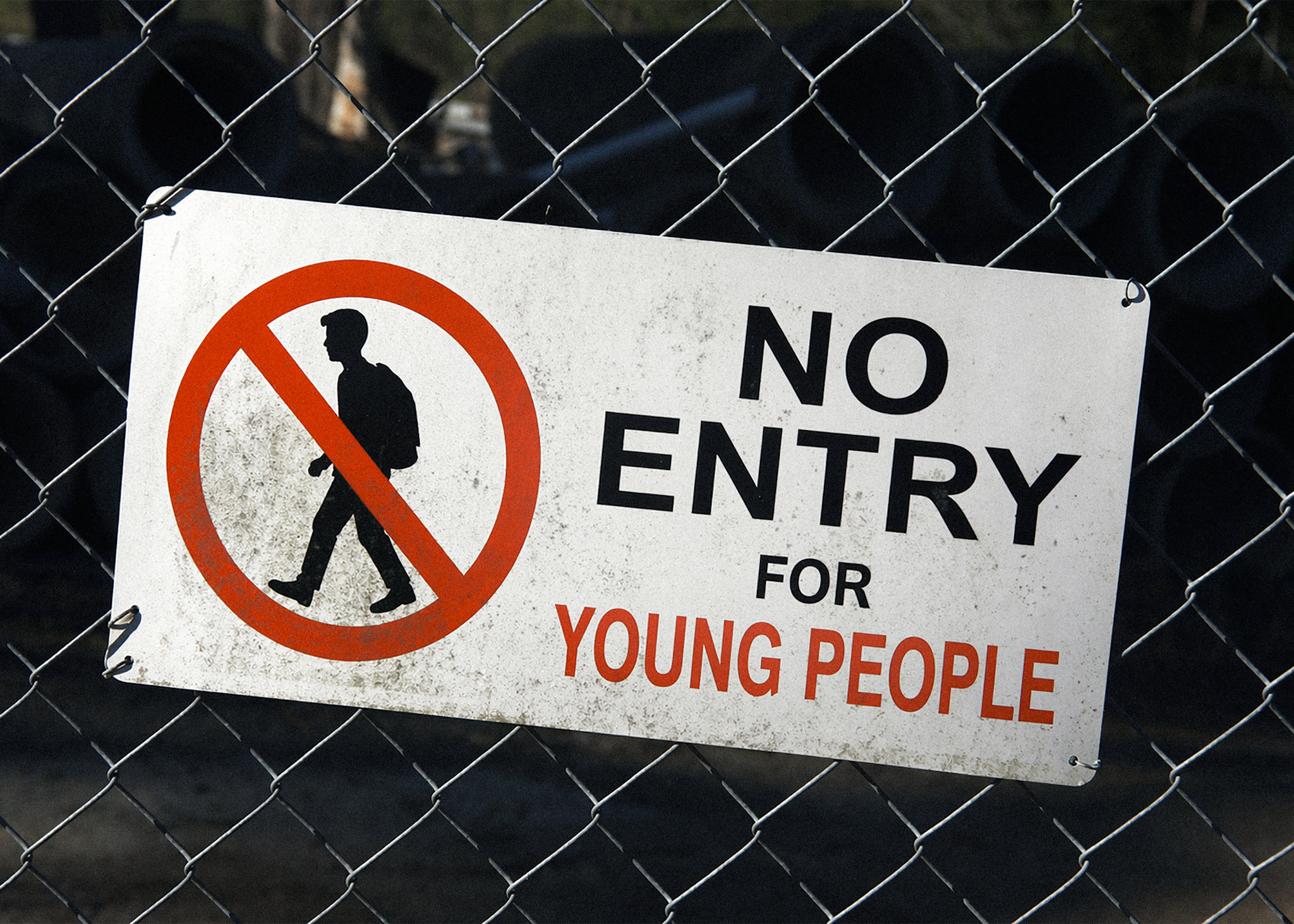
A Cultural Shift with Wider Implications
Greystones does not claim to solve every problem linked to technology. Children still encounter digital devices and will eventually own smartphones. The initiative is best seen as a way to buy time and extend a less connected childhood. Its wider importance lies in showing that change does not always require legislation. By shifting social norms rather than imposing rules, the community has created a model that feels cooperative.
The example has drawn attention beyond Ireland, though it may rely on strong local ties that are not easy to replicate. Even so, the principle is widely relevant. Debates about children and technology often focus on bans and regulation, but Greystones points to another path. It suggests that communities can shape behavior through shared choices, reframing the question from what governments should control to what parents can decide together.