
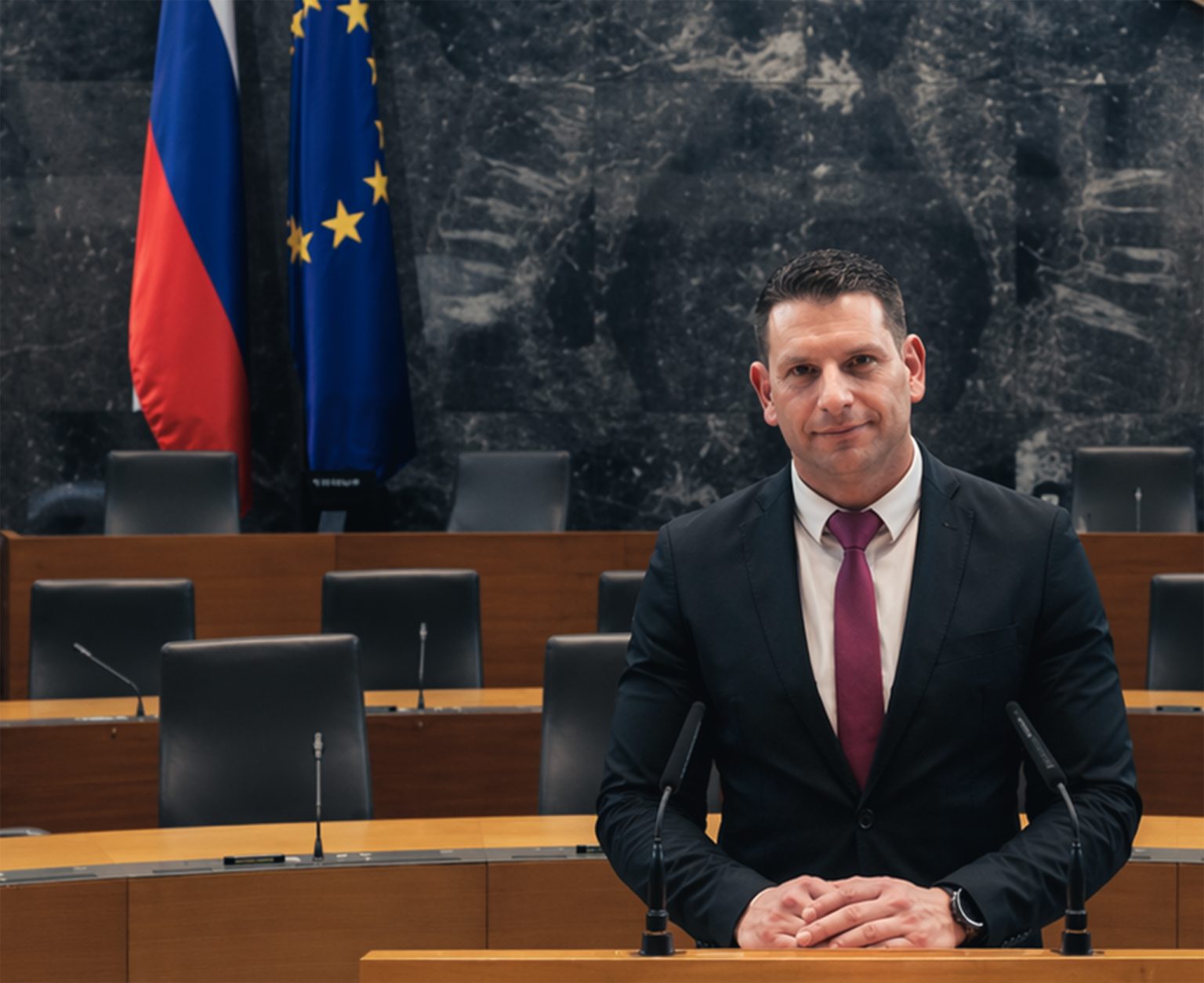
When Slovenia’s new speaker of parliament, Zoran Stevanovic, announced on 14 April that he would call a referendum on leaving NATO, many saw it as a serious crack in the Alliance. But is this a real threat to NATO or merely a sign of domestic instability in a small country?
To understand the situation, it is necessary to look to the past. Slovenia entered the North Atlantic Alliance reluctantly. After independence from the former Yugoslavia in 1991, the vision of a neutral state modeled on Switzerland resonated for a long time with a significant part of society.
Ultimately, geopolitics decided the matter. Brussels made it clear that there would be no European Union membership without joining the Alliance. Slovenia therefore became a member on 29 March 2004 and was the only one of the seven invited countries to hold a popular vote.
In the referendum on 23 March 2003, 66% of voters backed accession, with turnout reaching 60%. The country’s reputation as one of NATO’s least enthusiastic members persisted for the next two decades, with defense spending rarely exceeding 1.5% of gross domestic product (GDP). For most of that period, however, withdrawal was never a serious issue.
A New Situation in 2025
That changed unexpectedly quickly. The first wave of problems came in the summer of 2025. At the NATO summit in The Hague, Slovenian Prime Minister Robert Golob pledged higher defense spending, prompting an aggressive response from the left-wing Levica party within his own coalition, which emphasizes social justice, a strong state and criticism of capitalism.
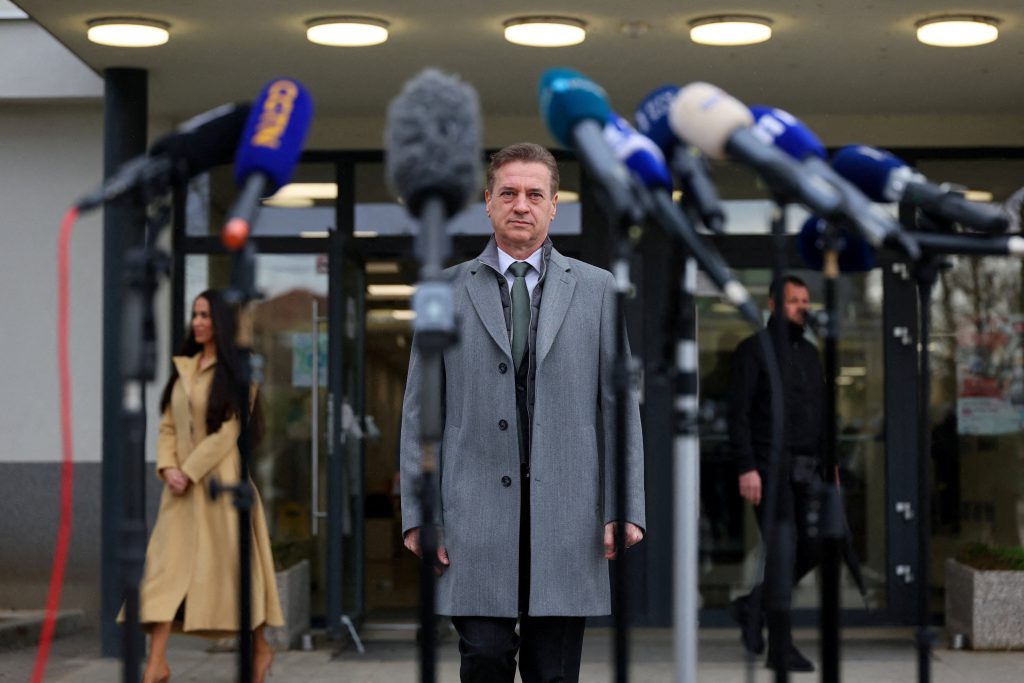
Levica pushed for a referendum on raising defense spending to 3% of GDP by 2030, with the wording of the question almost guaranteeing a negative outcome. Golob responded with a counterproposal: a referendum on whether Slovenia should remain in NATO at all. On 18 July 2025, parliament canceled both proposals to avoid jeopardizing the ruling coalition.
Public opinion, however, reacted with disgust, and what had begun as a petty political skirmish suddenly became a real problem. By the end of 2025, polls showed support for NATO membership among Slovenians had fallen to just 52%.
An Unexpected Post-Election Sequel
The second wave began with the parliamentary elections a few weeks ago. On 22 March 2026, they produced parliamentary deadlock but also several surprising winners. Golob’s center-left Freedom Movement (Gibanje Svoboda) won narrowly with 29 seats, while Janez Jansa’s right-wing Slovenian Democratic Party (SDS) secured 28.
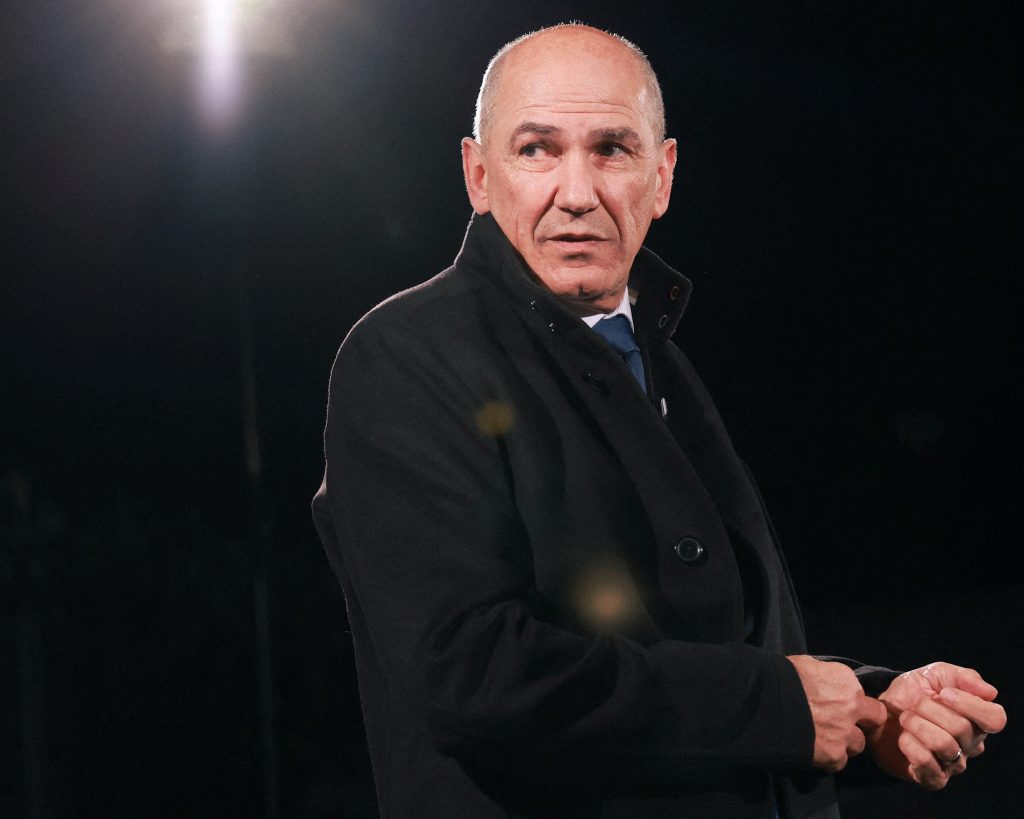
Neither of the two traditional rivals won a majority, and smaller parties gained at their expense. As many as 33 seats were divided among smaller groups, with the anti-system party Resni.ca, translated as Truth, winning 5.5% of the vote.
The party used the situation perfectly and made the most of its modest result. Its leader, Zoran Stevanovic, was elected speaker of the National Assembly on 10 April with votes from Resni.ca, SDS, New Slovenia – Christian Democrats (NSi) and the Democrats of Anze Logar.
Before society could recover from the shock, the new parliamentary speaker repeated his campaign promise: a referendum on NATO membership and withdrawal from the World Health Organization (WHO). On top of that, the former face of anti-pandemic protests announced a trip to Moscow because he wanted to “build bridges between East and West”.
Almost out of nowhere, in less than a year, a real issue had emerged. Only a few years ago, it would have seemed like a bizarre curiosity unlikely to reach beyond the borders of a small Balkan country. Today’s geopolitical climate, however, is perfectly suited to unconventional movements and agendas, even those not always taken seriously by their own promoters.
One Significant Catch
The open conflict involving Israel, Iran, the US and several Arab states has brought energy insecurity across Europe. Slovenia has even had to temporarily ration petrol, much to public irritation.
US President Donald Trump has publicly called NATO a “paper tiger”, questioning the Alliance repeatedly and often bluntly since his election campaign. European governments, meanwhile, are cautiously considering a more autonomous European NATO as a fallback option.
In such an atmosphere, the rhetoric of leaders from a small party in a small country suddenly sounds very different from how it did two years ago. Parliamentary mathematics, however, remains decisive. Slovenian law requires the support of at least 30 MPs to call a referendum. Resni.ca has five.
Even with all Eurosceptic forces combined, the threshold remains far out of reach. The two dominant camps – Golob’s Freedom Movement and Jansa’s SDS – remain firmly committed to NATO membership. Moreover, actual withdrawal would require a multi-year process under Article 13 of the Washington Treaty and probably a constitutional change.
Stevanovic will not be taking Slovenia out of NATO any time soon and, despite his position as parliamentary speaker, he remains a marginal figure without real executive power. That does not mean Slovenia should be ignored. While the threat of a withdrawal referendum is largely a political gesture and a mobilization tool for a minor party, in a fragmented parliament it can still be used effectively to pressure both allies and opponents.
As a strategic signal beyond Slovenia’s borders, it matters even more. In a country that joined NATO with the support of 66% of referendum voters, support for membership has dropped by 14 percentage points over 22 years. A fringe party with five seats has managed to push the issue into the headlines of major international news agencies.
At a time when Washington debates NATO’s future and Europe quietly considers a Plan B, caution is essential. If such a referendum were ever to take place, it would be the first popular vote by a member state on leaving the Alliance in NATO’s 77-year history.
That is why Slovenia is now being watched more closely from Brussels, Washington and Moscow than a country of barely two million people would normally warrant. Each has different motives, but the central insight is the same for the US, the EU, Russia and China: the crises of great empires often begin on their small peripheries.
Slovenia does not necessarily mark the beginning of NATO’s disintegration. But if such a process ever does begin, it may look very much like what is now unfolding in the country.
Hydepark is a space for free discussion. The opinions published do not necessarily reflect the editorial line of Statement.