
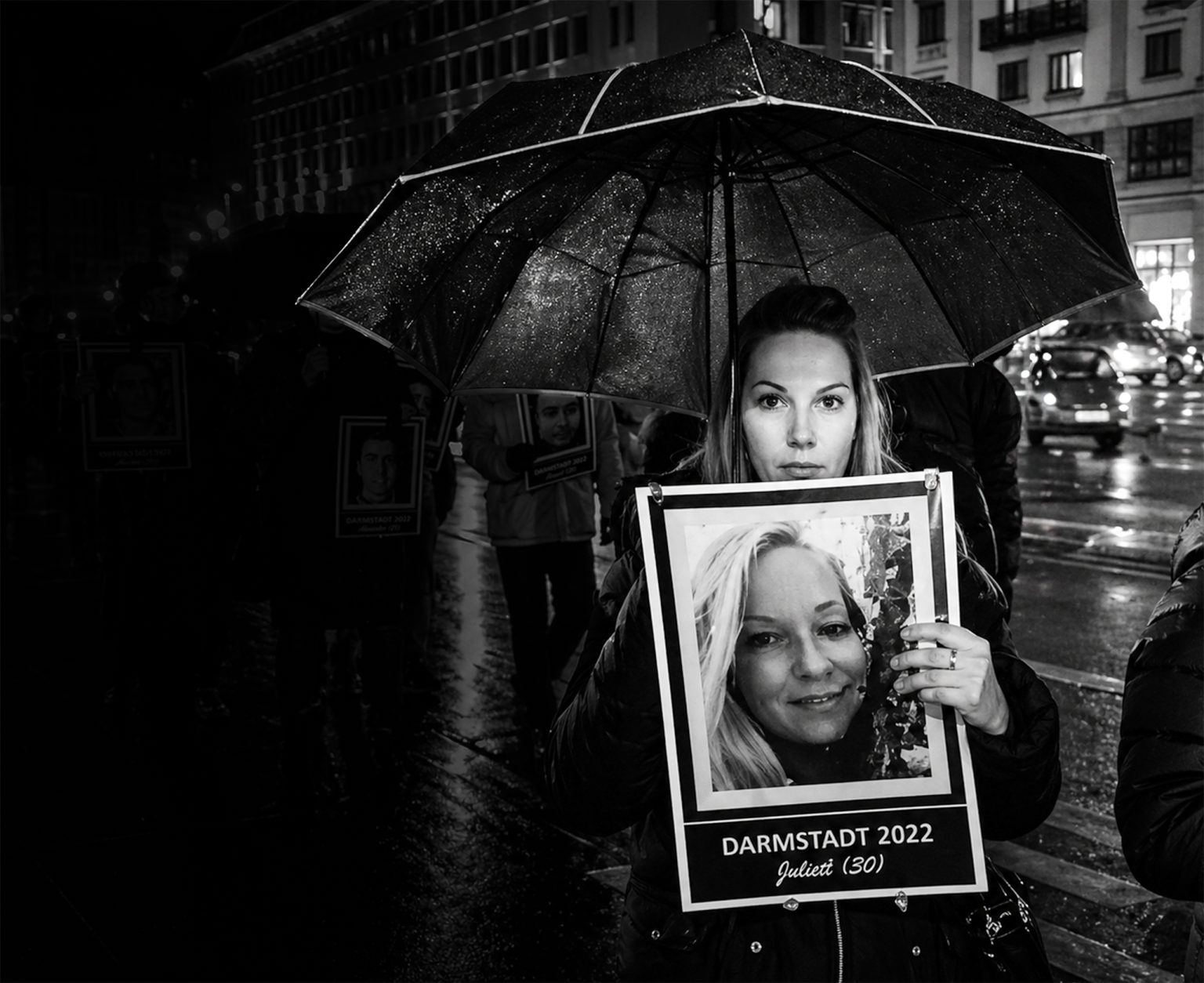
At the weekend, relatives of victims of terrorism and violent crime gathered in front of Dresden’s Frauenkirche for a memorial event that was intended to be more than a quiet act of remembrance. The Mourning Vigil Germany initiative, organized by bereaved families, placed at its center those who are often pushed to the margins of public debate: the victims themselves and their families.
Yet alongside candles, photographs and names, the real focus in Dresden was political. The event’s true significance lay not only in remembrance, but in sending a message the organizers believed politicians could no longer ignore.
Many bereaved families share the same experience: after serious acts of violence, public attention quickly turns to perpetrators, motives, security failures and wider social consequences, while the victims and their families fade from view. The vigil sought to challenge that pattern. In the organizers’ view, remembrance should not stop at dignity and compassion, but must carry political weight.
Their central message was therefore not only to give victims a face, but to draw real political consequences from their fate.
That became particularly clear in the demands emerging from the event, which the initiators believe should play a far greater role in political debate. They include stricter deportations of criminal offenders under deportation orders, a tougher approach to illegal migration, stronger protection for victims and a lasting public culture of remembrance for those affected by terrorism and serious violence.
The underlying idea is simple: remembrance alone is not enough if nothing changes as a result. Dresden was therefore not only a place of mourning, but also the setting for a direct political appeal.
Memory Must Lead to Political Consequences
A key figure in this movement is Michael Kyrath, whose daughter Ann-Marie was murdered in 2023 together with her boyfriend on a regional train in Brokstedt. Out of personal loss, he and other bereaved families have built a network designed to connect remembrance with political action.
Ahead of the event, Kyrath also gave an extensive interview to Statement, in which he explained the purpose of the initiative. The Dresden gathering thus formed part of a broader and growing public debate about victims, remembrance and political consequences.
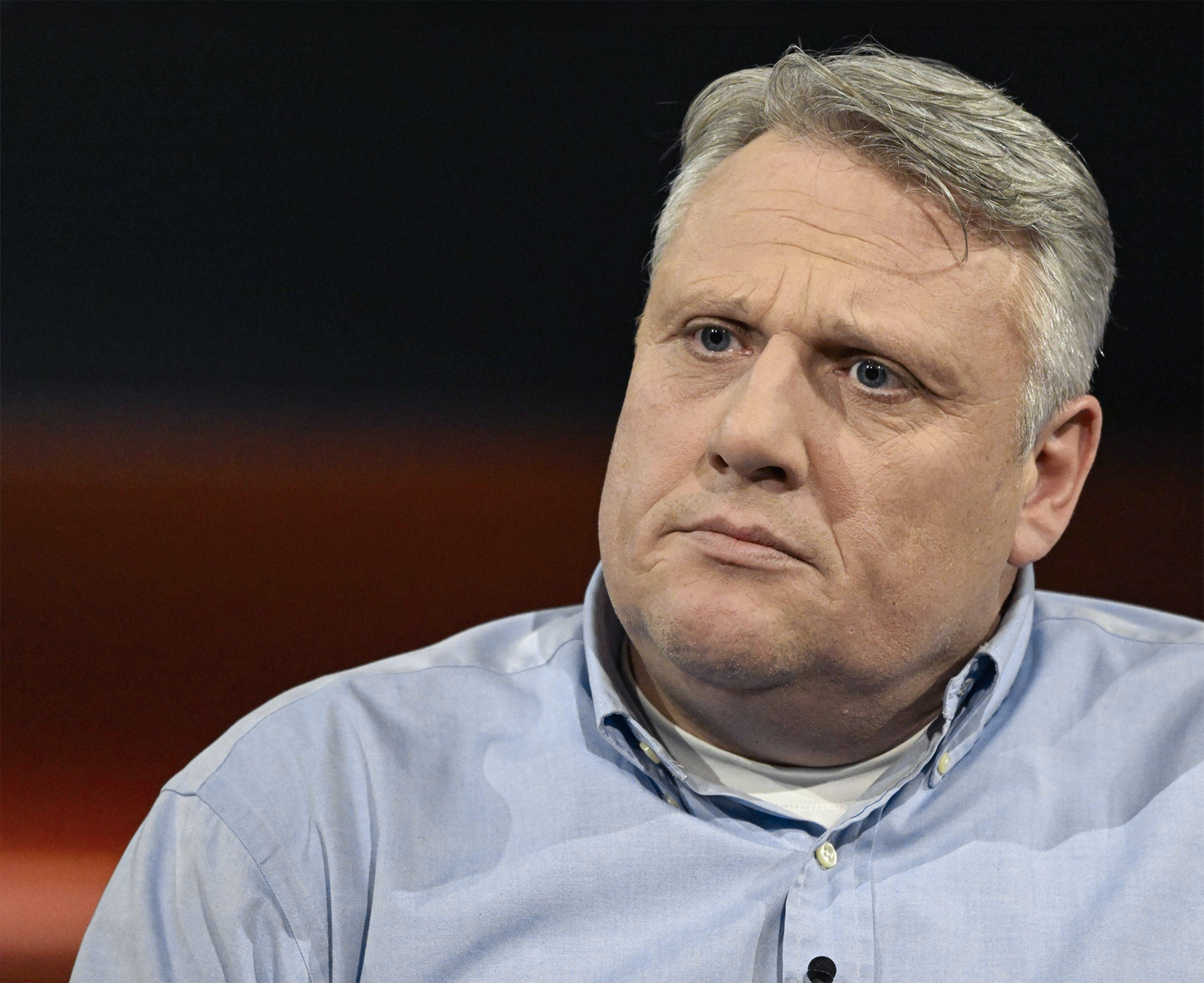
The initiative does not see itself as a party-political project, but as a corrective in a debate where, in its view, victims’ families are too often left alone. Precisely because these demands come not from parties, associations or activists, but from people who have experienced violence and loss themselves, they carry a different authority.
That was reinforced by speeches such as the one delivered by Waldemar Hartmann, who linked remembrance with broader criticism of politics and the media. The focus was less on polemic than on the accusation of ritualized reactions: after attacks, there are always expressions of sympathy and promises of action, but too rarely lasting political change.
This criticism was not a side note, but part of the event’s central purpose. Behind the memorial stood a clear attempt to shift the security debate away from abstract discussions about systems and procedures and toward the concrete human consequences of political decisions.
An Appeal to Berlin
It is precisely this change of perspective that makes the event significant. The vigil does not primarily advance new migration policy theories, but calls for a different set of priorities: security policy should be shaped first and foremost around the protection of potential victims.
That message reaches far beyond a single day. In that sense, the event was less a retrospective than an intervention. It sought not only to remember past crimes, but to ask what consequences a state must draw from them.
That is what distinguishes the initiative from many traditional forms of remembrance. It combines memory with a demand for political effect. Dresden was therefore not merely a gathering of bereaved families, but also a signal directed at Berlin.
The most important demand to emerge was ultimately this: victims of serious violence must not become visible only when a crime makes headlines. Their experiences should remain a permanent part of political debate and must lead to consequences.
One can read this as an attempt to reframe a migration and security debate that is often conducted in highly abstract terms. Instead of statistics and slogans, the focus shifts to individual fates and to the question of what responsibility follows from them.
That is what makes the Dresden mourning vigil significant beyond simple remembrance: it is not only about sympathy, but about turning memory into political pressure.