
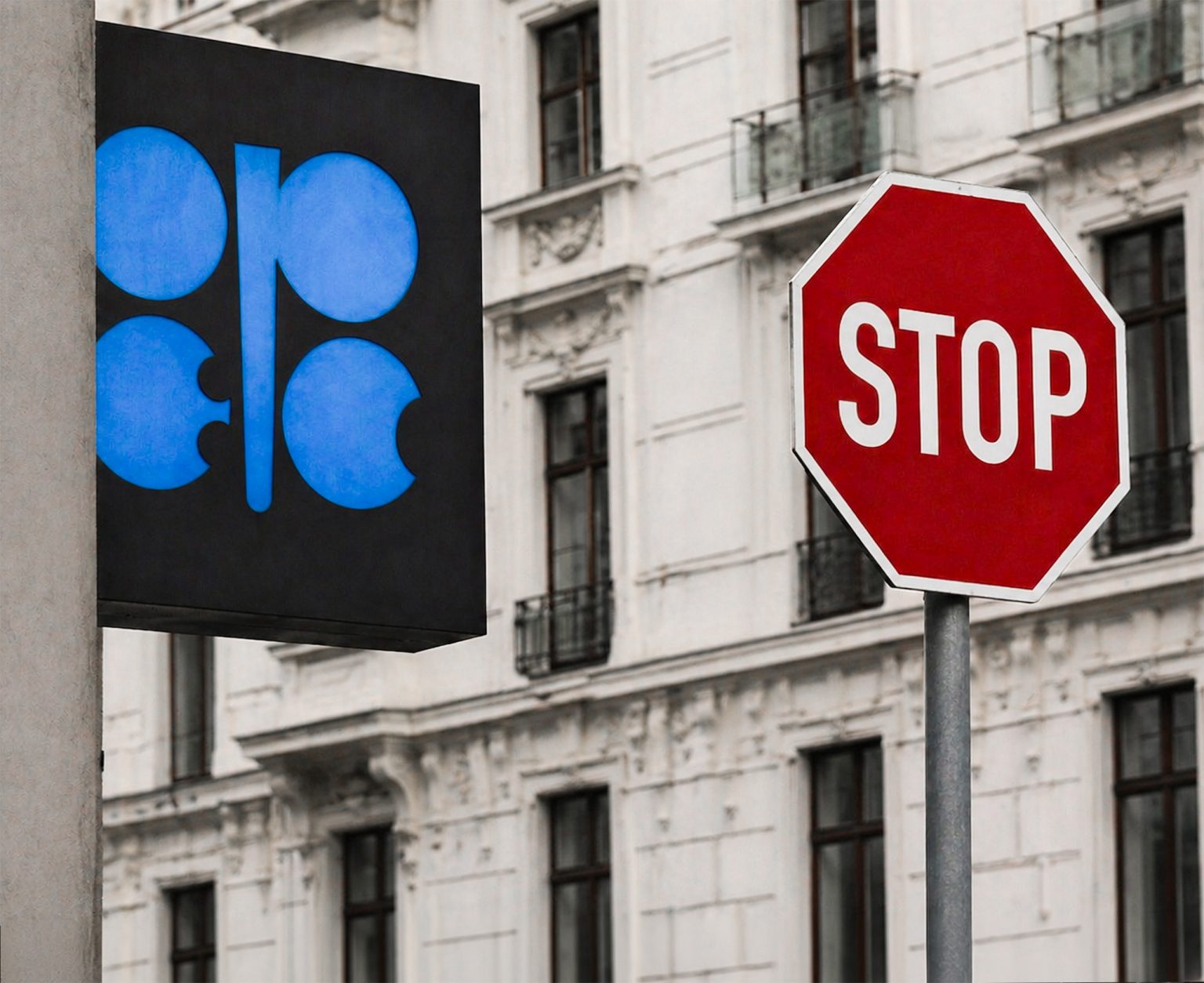
The United Arab Emirates (UAE) has announced its withdrawal from the Organization of the Petroleum Exporting Countries (OPEC) and OPEC+, a move that will significantly affect both groupings and their de facto leader, Saudi Arabia. The announcement comes against the backdrop of war with Iran, which has triggered a substantial energy shock and disrupted the global economy.
Analysts are describing the departure as a fundamental breakdown in the group's cohesion. Jorge Leon of Rystad Energy noted that the UAE is one of the very few countries, alongside Saudi Arabia, with the capacity to rapidly scale oil production up or down. It is precisely this flexibility that has been OPEC's principal lever for influencing prices.
What the Exit Means
Leon also drew attention to the longer-term consequences. "While near-term effects may be muted given ongoing disruptions in the Strait of Hormuz, the longer-term implication is a structurally weaker OPEC", he said.
Leaving OPEC would give the UAE considerably more freedom over its own production policy. "Outside the group, the UAE would have both the incentive and the ability to increase production", Leon said, adding that this could lead to a less stable oil market.
Ajay Parmar of ICIS noted that tensions between the UAE and OPEC have been building for some time. "The UAE has been in disagreement with general OPEC policy for quite some time. So it's not a surprise, but it will certainly have a significant impact in the long term", he said. He also pointed to a broader shift in regional relations. "It also signifies the general drift in the historically strong alliance between the UAE and Saudi Arabia", he added.
The Logic of the Departure
Sergey Vakulenko of the Carnegie Russia Eurasia Center highlighted the country's production ambitions. "The UAE has been planning to grow oil production by up to 30%, and it would be difficult to do so within the limitations of OPEC and OPEC+", he said.
He also argued that the timing is relatively advantageous. "Now is probably the least damaging time to announce it - oil prices are high, and there are genuine shortages because of Hormuz closure", he said. Vakulenko further noted the group's weakened position without the UAE. "Without the UAE, OPEC will be much weaker. Other major producers, Iran and Iraq, did not maintain any substantial spare capacity. It was mostly done by UAE and Saudi Arabia", he added.
OPEC was founded in 1960 in Baghdad to coordinate member states' oil policies and stabilize prices. Its founding members were Iran, Iraq, Kuwait, Saudi Arabia and Venezuela, with states from the Middle East, Africa and South America joining gradually over the following decades.
In recent years, cooperation has expanded through the OPEC+ format, which brings in non-OPEC producers including Russia. This wider grouping aims to coordinate production and respond to market fluctuations, primarily through agreements to limit or increase output.