
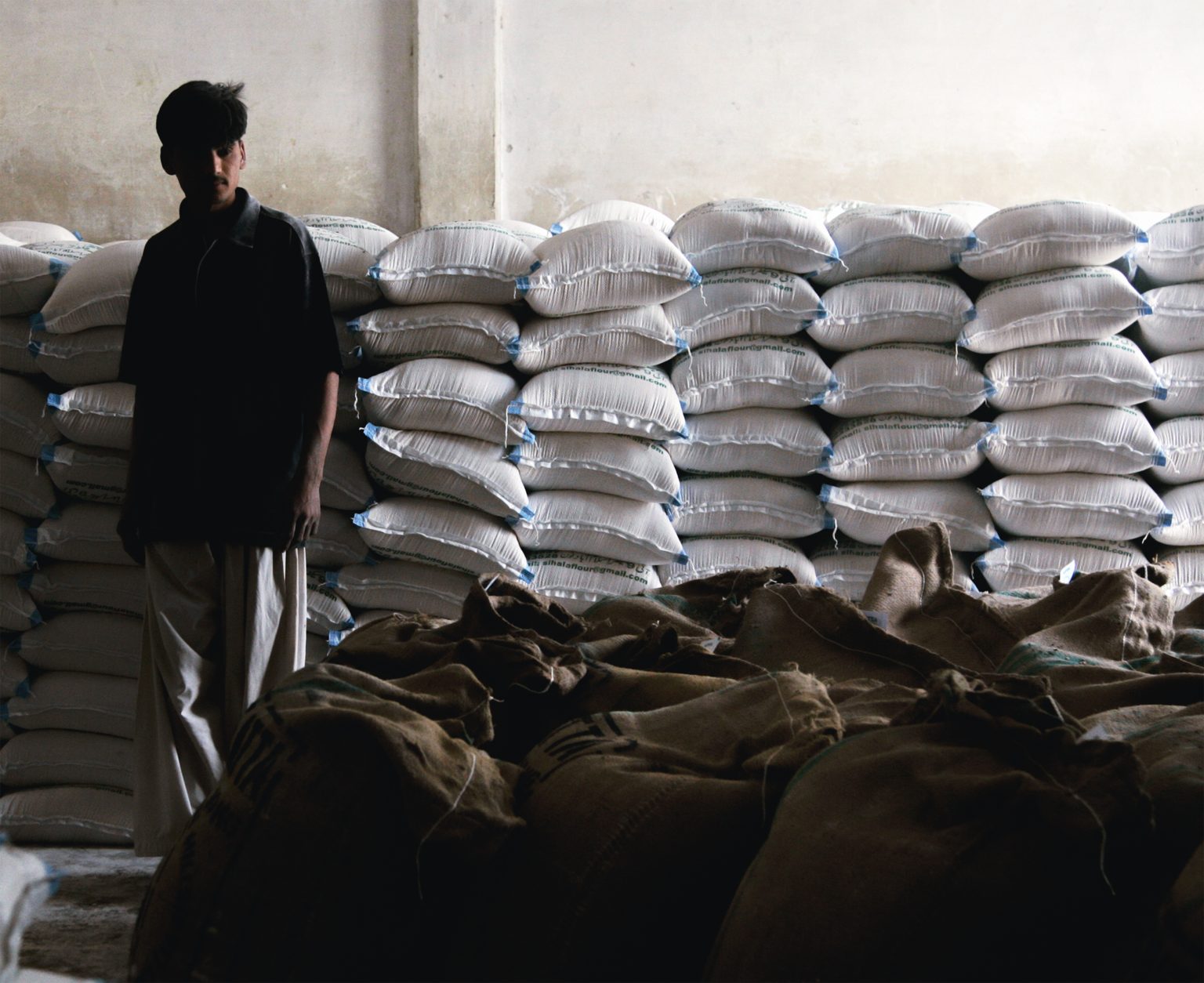
Rice supplies are expected to decline this year. Farmers in Asia are cutting back on planted area because of fertiliser shortages and sharply higher fuel costs linked to the war in Iran. At the same time, the emerging El Niño weather pattern is likely to weigh on output of the world’s most widely consumed staple.
Even modest shortfalls can quickly spill across markets, pushing up prices and straining household budgets, particularly in Asia and Africa, where consumers are highly sensitive to price increases. In April, the UN Food and Agriculture Organization (FAO) forecast that rice production in the 2025/2026 season would rise by 2% to a record level.
Impact on Asian Producers
However, growers and traders say the impact of the war in Iran is already being felt by farmers in Thailand and Vietnam, both among the world’s largest exporters, as well as in the Philippines and Indonesia, which depend on imports. The conflict has restricted the flow of fuel and fertiliser through the Strait of Hormuz, a critical chokepoint linking the Persian Gulf to global markets.
Smallholder farmers, who dominate in Southeast Asia, are under growing strain. The El Niño weather pattern is expected to bring hotter and drier conditions to the region in the second half of the year.
“Farmers in some countries have already started sowing rice and using fewer inputs as prices have risen”, said Maximo Torero, FAO chief economist. He predicts that “we will see a tighter global supply situation in the second half of the year and early next year”.
In 2008, export restrictions by major suppliers more than doubled prices to about $1,000 a tonne, triggering unrest in several countries. More recently, between 2022 and 2023, supply constraints compounded by India’s export restrictions pushed prices higher and led to panic buying.
Disrupted Supply Chains
Rice transport is already facing disruption across supply chains.
“Logistics has become a nightmare, especially in Asia. There is a shortage of polypropylene bags, limited availability of trucks to transport rice to ports, and shipping is also disrupted”, said a trader in Singapore working for one of the world’s largest rice trading companies. He declined to be named because he is not authorized to speak to the media, Reuters reported.
Fertiliser shortages and drought are already reducing yields from smaller crops currently being harvested in Southeast Asia. The next harvest is expected to be hit more severely.
India, Thailand and the Philippines will plant their main crops in June and July, while Vietnam and Indonesia are currently sowing their second-season rice. Most Asian producers grow two to three crops a year.
Farmers Cut Back on Sowing
Sripai Kaew-Eam, a 60-year-old farmer in Thailand’s Chai Nat province, about 151 km north of Bangkok, said higher fertiliser and fuel costs had pushed her production expenses to around 6,000 baht ($165) per rai (0.16 hectare), or about $1,030 per hectare. At the previous harvest, costs were about 4,500 to 5,000 baht ($125 to $138), while she receives roughly 6,200 baht (less than $170) per tonne of paddy.
Fertiliser prices have risen from 850 baht ($23) to between 1,000 and 1,200 baht ($27–$33) per bag, forcing her to halve usage. “Fertiliser is expensive, fuel is expensive”, she said.
The Philippines, the world’s largest rice importer, faces a similar challenge. “Some farmers are already saying they may not sow at all or reduce fertilizer use, which will inevitably reduce production”, said Arze Glip, executive director of the Integrated Rural Development Foundation.
Output could fall by as much as six million tonnes from the current 19 to 20 million tonnes. “This would put the Philippines in a precarious position because imports are also precarious due to export restrictions. Covering any shortfall in domestic production would therefore be extremely difficult”, Glip said.
In Indonesia, fertiliser supply is not a problem, but production is likely to be constrained by El Niño. The country’s statistics office estimates that the harvested area will shrink by 10.6% to 3.85 million hectares between March and May. Paddy output is expected to fall by 11.12% to 20.68 million tonnes.

Hope From India
Despite supply concerns, global rice inventories remain ample after several years of exceptionally strong production. India, the world’s largest exporter, holds a record 42 million tonnes - about one fifth of global stocks, according to data from the US Department of Agriculture. That should help cushion any decline in global output.
Prices for most types of rice are currently stable but are likely to rise even if the situation in the Strait of Hormuz is resolved quickly, according to FAO chief economist Maximo Torero.
A rapid reopening of the strait would help avert a severe supply crunch. “But if we fail to reopen it in the next two to three weeks, the situation will become very serious”, he added.