
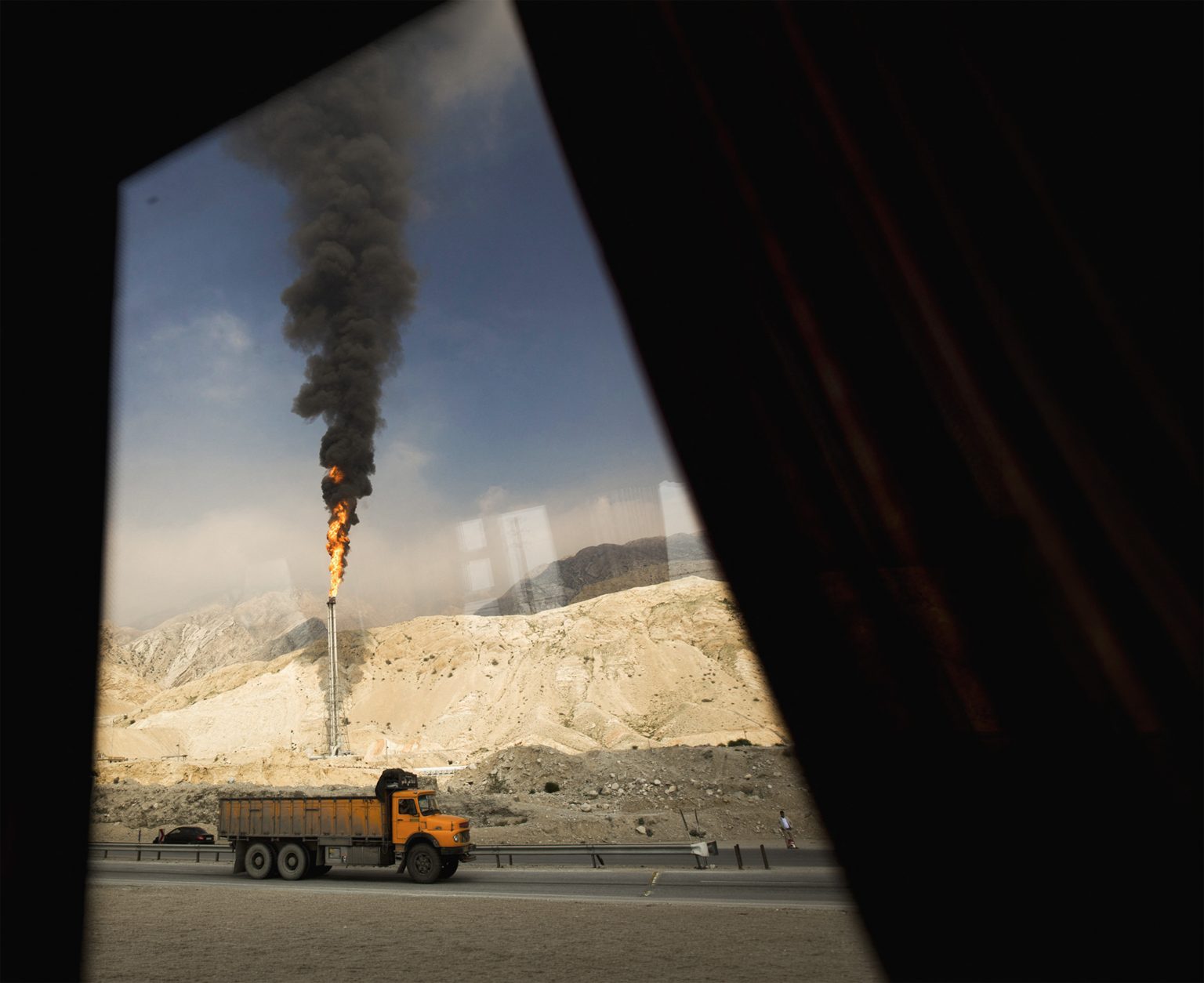
The United Arab Emirates (UAE) is leaving OPEC so it can produce more of its own oil without Saudi Arabia dictating that it should produce less. But it cannot immediately increase production because the Strait of Hormuz remains closed.
The Emirates can bypass the strait by using the pipeline from Abu Dhabi to the port of Fujairah, which is already outside the Gulf, but the pipeline was already running at full capacity in April.
Even with the pipeline at full capacity, total Emirati crude oil exports in April were not even half the usual level.
Emirati exports will therefore not increase immediately. However, the UAE is calculating that once the Strait of Hormuz is open, it will be able to ramp up production without being handcuffed by Saudi Arabia and gain a greater share of the global oil market, perhaps at its expense.
The Emirates’ departure may therefore push down the price of oil and fuel more quickly, including in Central Europe. But that will happen only after the Strait of Hormuz has reopened.
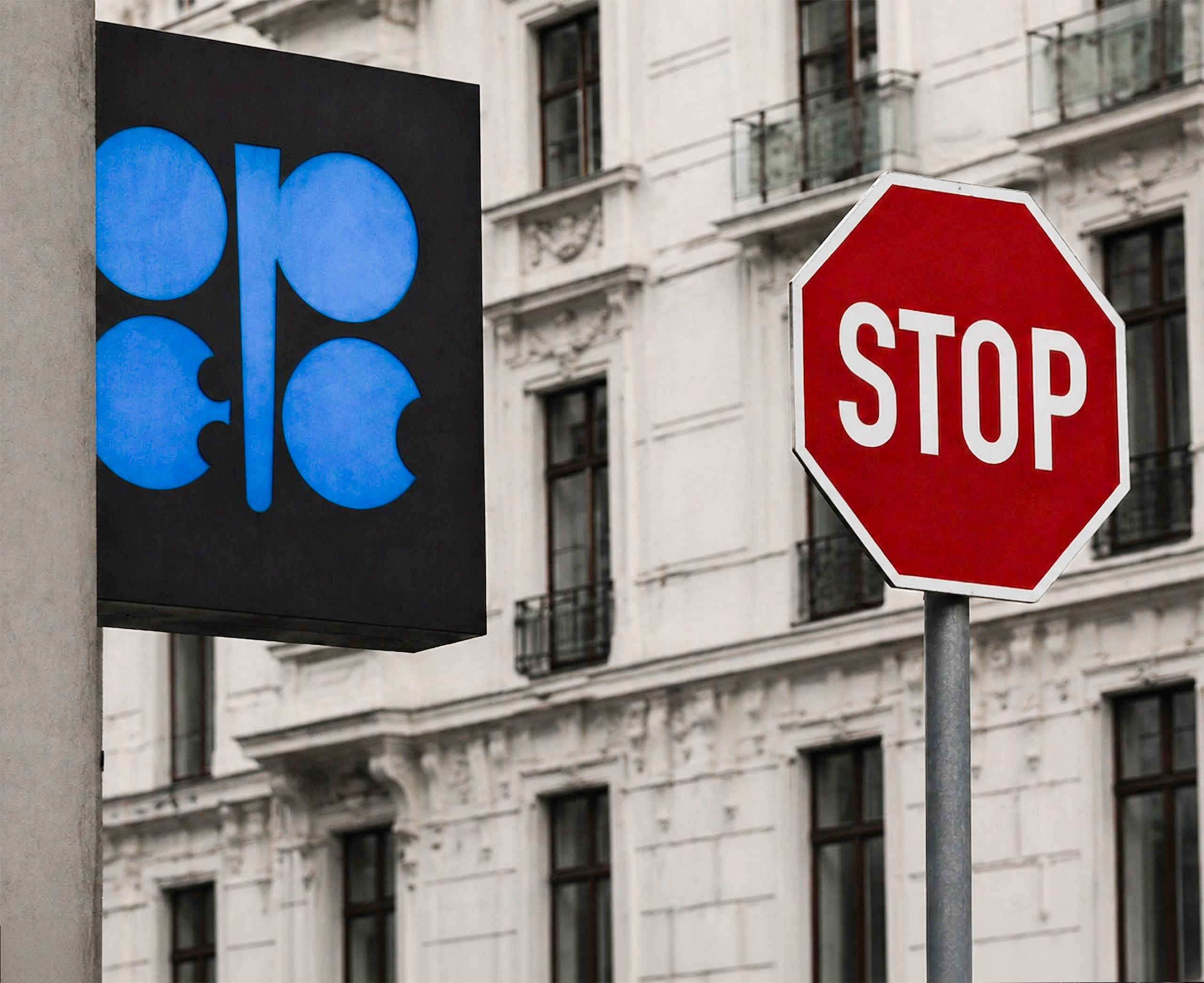
Here are the five key reasons why the UAE is leaving OPEC.
- The price of oil is high because the Strait of Hormuz is closed, so the Emirates’ move will not lower it. If the strait were open, oil prices would fall because of the UAE’s departure, further angering its large neighbor, Saudi Arabia.
- The UAE has been increasing production capacity for years through massive investment, without being able to make full use of it because of OPEC cartel quotas. Once Hormuz is open, it wants its hands free to increase production as quickly as possible and recoup its losses from the current closure of the strait.
- The Emirates believes that closing the strait will accelerate the world’s move away from fossil fuels. It wants to extract its oil faster, before the world loses interest in it more noticeably.
- The Emirates is currently negotiating with the US to set up a dollar credit line through which it could strengthen its banks, which have been sorely tested by the Gulf War. The OPEC cartel has long been a thorn in Trump’s side. That is mainly because of the throttling of production, which raises fuel prices even in the US. It does not suit the Emirates either.
- After the US intervention in Venezuela in January, Tuesday’s move by the Emirates makes it more likely that the Latin American country, now effectively a US puppet state, will also leave OPEC. Such a tearing apart of the cartel would further weaken Saudi Arabia economically, at a time when it wants to turn Riyadh into a financial center to rival Dubai.
The abridged text was originally published on lukaskovanda.cz.