
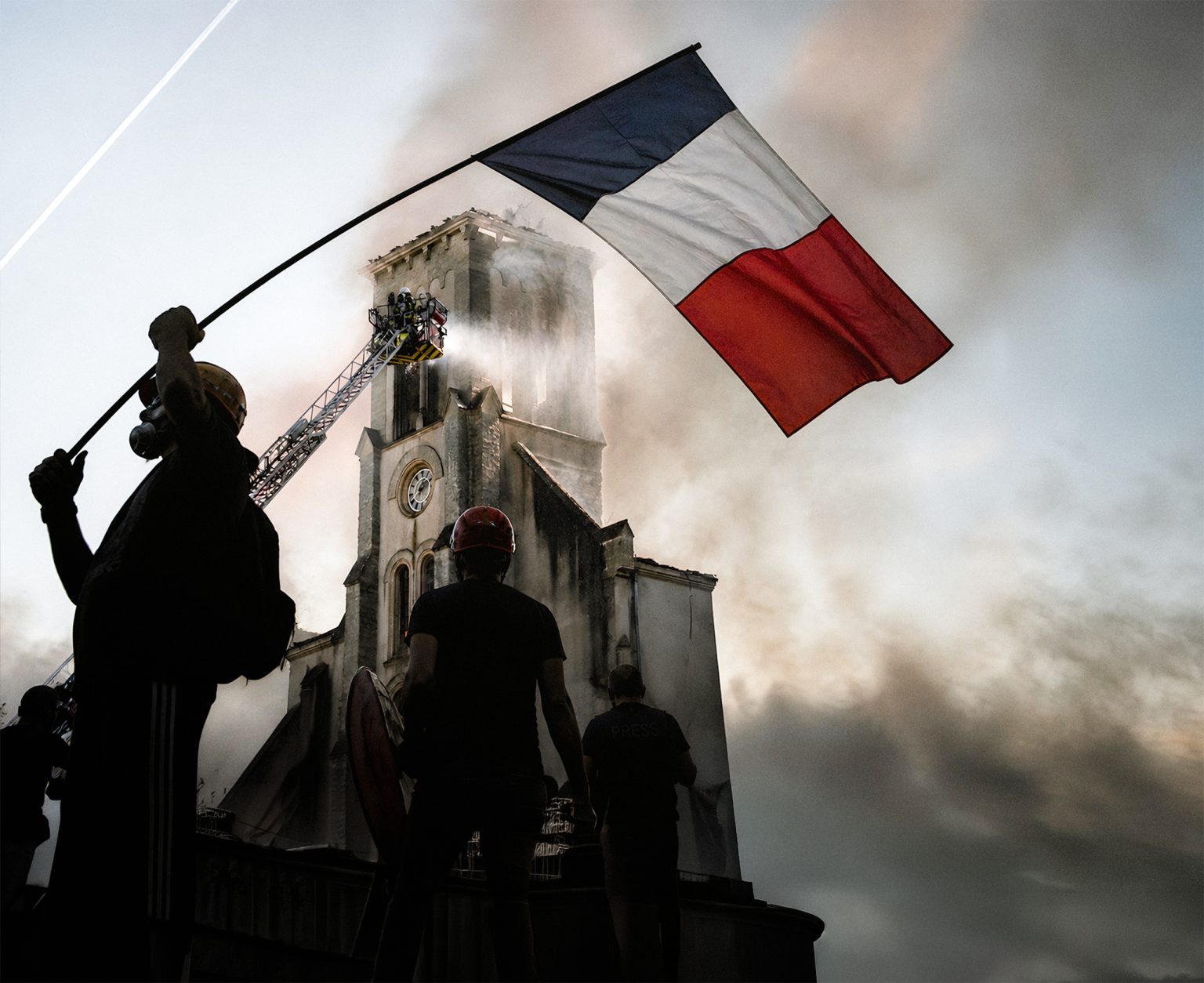
The fire that tore through Saint-Cyriaque Church in Montenach on the afternoon of 30 April 2026 looked like another entry in a grim and familiar list. The church, a neo-Romanesque building in Moselle whose first stone was laid in 1884 and which was consecrated in 1886, was severely damaged after a vegetation fire spread to its bell tower and roof. Fire officials said the blaze began near the church and was pushed by strong winds before engulfing the building’s upper structure. No injuries were reported.
Yet the images from Montenach stir uncomfortable memories. France has recorded hundreds of attacks on Christian sites every year for more than a decade. Some are thefts. Some are acts of vandalism. Some are fires. A smaller number are direct attacks on worshippers. The pattern is real, but it is not simple.
The Numbers Behind the Unease
Official figures show that attacks on Christian places of worship and graves rose sharply between 2010 and 2019. The French Senate lists 522 such incidents in 2010 and 986 in 2019, before the figure fell during the Covid period and then settled at a still high level: 751 in 2020, 754 in 2021, 813 in 2022 and 721 in 2023. The same Senate table notes that these figures do not include attacks on people.
The broader category of anti-Christian incidents also remains high. In 2025, the Interior Ministry recorded 843 anti-Christian acts, up 9% from 2024. They accounted for 34% of all anti-religious incidents in France. The ministry said attacks on property accounted for 87% of anti-Christian acts, while physical and verbal attacks and online hate made up the remaining 13%.
The 2024 figures show what that usually means in practice. According to the Interior Ministry’s response to a Senate question, France recorded 770 anti-Christian incidents that year, down 10% from 2023. The cases consisted mainly of damage, with 274 incidents, and thefts from places of worship, with 288 incidents. The ministry said anti-Christian incidents were concentrated on religious buildings and cemeteries, and that around 90% involved property. It also stressed that a significant share was criminal rather than explicitly anti-religious, including thefts and damage without a clear ideological motive.
Arson forms a smaller but particularly sensitive category. In 2024, deliberately set fires and attempted arson linked to anti-Christian incidents rose to 50 cases, up from 38 the previous year, according to the same Interior Ministry response. The ministry said malicious acts, “starting with criminal church fires”, are regularly recorded.

Not Every Fire Is Arson
That does not mean every church fire is an attack. France’s old churches are often vulnerable buildings, with timber roofs, aging electrical systems and ongoing restoration work. The point is not to suggest that every blaze has the same cause. Fires are part of a broader, long-running pattern of damage, theft and vandalism at Christian sites.
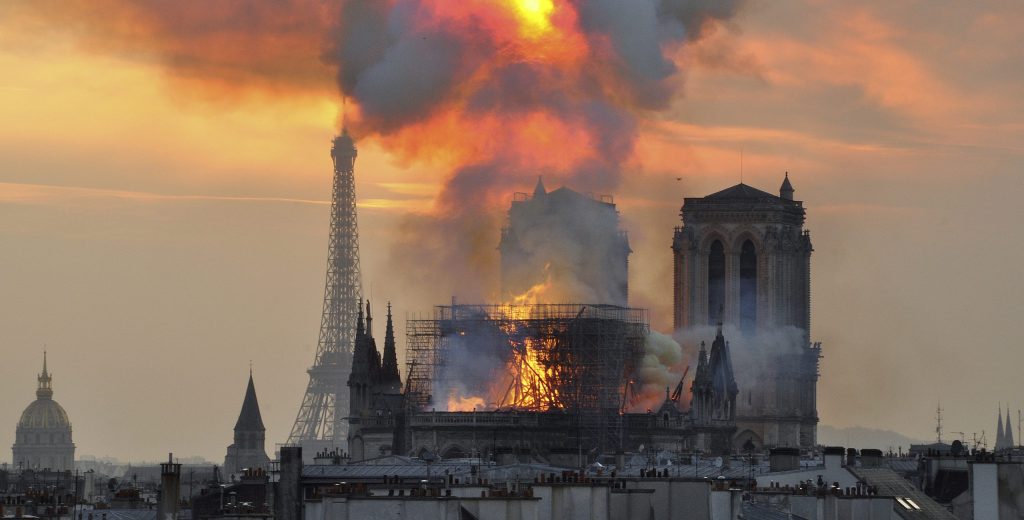
The most famous recent example points to the same complexity. The 2019 fire at Notre-Dame Cathedral in Paris shocked the world, but investigators did not treat it as an attack. The blaze was widely linked instead to the risks surrounding historic buildings under restoration, even as its images became part of the broader anxiety over France’s churches.
That distinction matters because the subject is often exaggerated online. Reuters noted in 2024 that a widely shared map presented as evidence of burned French churches actually included a much broader range of alleged crimes, from theft and vandalism to cemetery desecration and arson.
Le Monde made a similar point in a 2019 investigation. It cited 1,063 anti-Christian acts in France in 2018, but warned that the category itself was difficult to interpret. The paper noted that attacks on Christian buildings had risen sharply over a decade, yet said ideological motives appeared to be a minority. Most cases involved theft and vandalism, often committed by minors, while some incidents were linked to satanist, anarchist or racist motives.
The Islamist Attacks
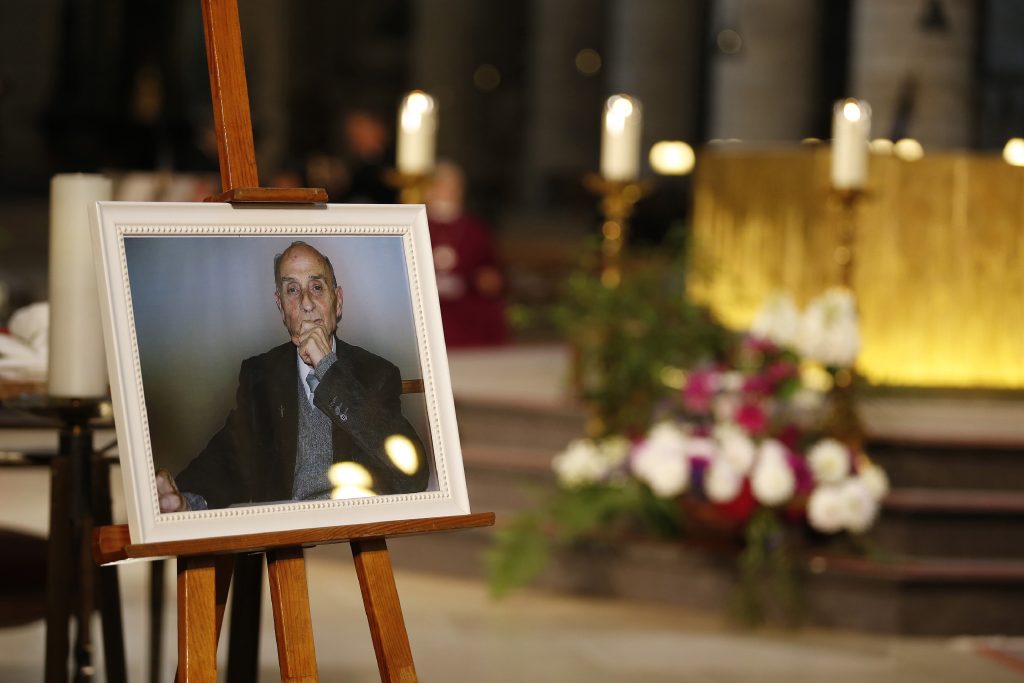
That caution should not obscure the other side of the story. Some of the gravest attacks on Christian worshippers in France have been unmistakably Islamist. In 2016, Father Jacques Hamel was murdered during morning Mass in Saint-Etienne-du-Rouvray by Islamist militants who stormed the church and slit the 85-year-old priest’s throat at the altar. Reuters described the killing as part of France’s struggle against home-grown Islamist violence.
In 2020, three people were killed inside the Notre-Dame basilica in Nice. Brahim Aouissaoui, a Tunisian national, was later sentenced to life imprisonment without parole for murder and attempted murder in connection with a terrorist plot. At trial, the attack was described as the culmination of a jihadist motive. According to Le Monde, the prosecution argued that Aouissaoui had traveled from Tunisia to France to carry out an attack after calls from groups close to Al-Qaeda.
Those cases stand apart from ordinary vandalism or theft. They show that churches in France are not only vulnerable heritage sites, but also symbolic targets for jihadist violence.
A Pattern Without a Single Cause
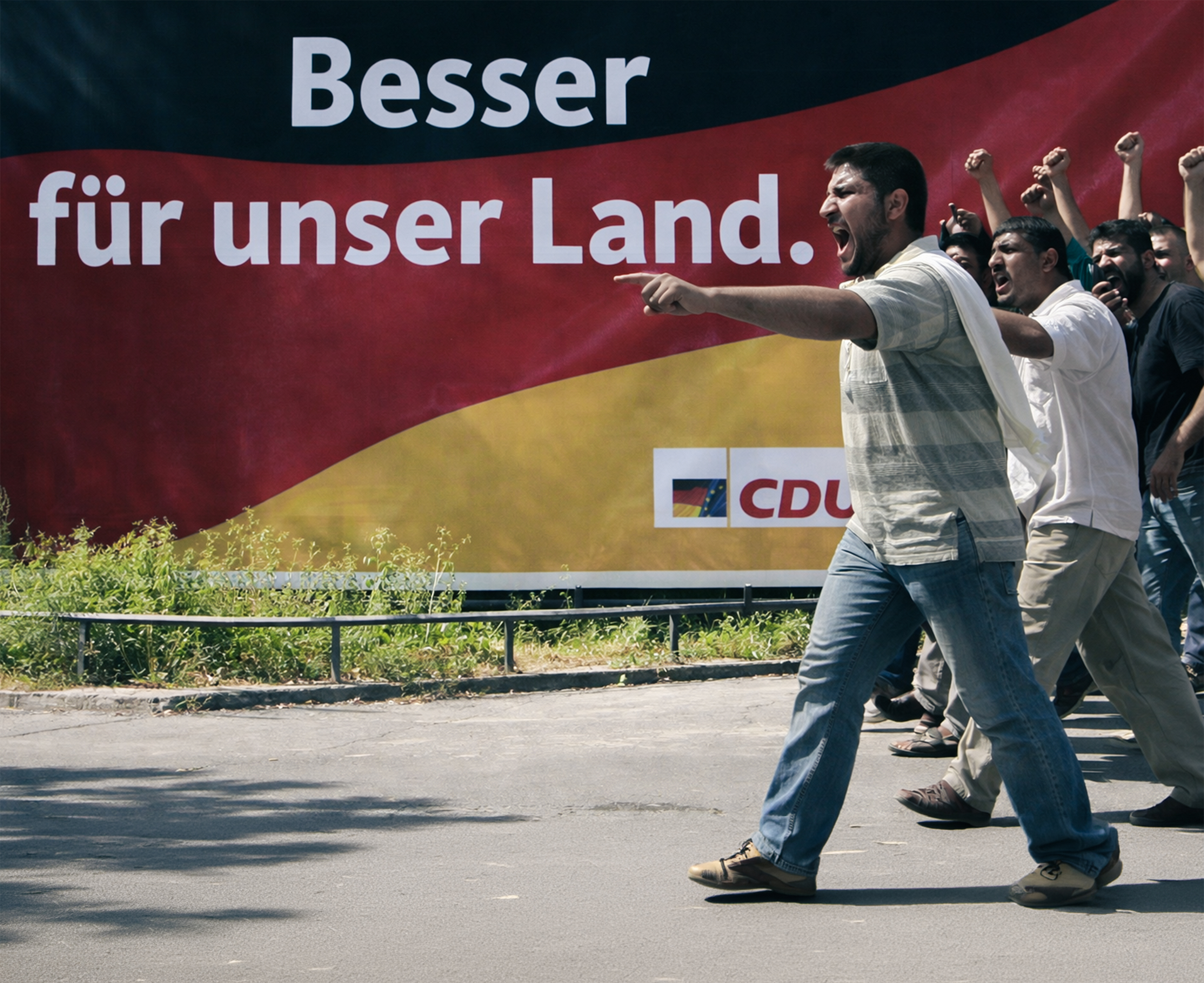
At the same time, the official figures do not point to one dominant cause. France does not publish a detailed perpetrator profile for the overall category by religion, origin or ideology. The available evidence instead suggests overlapping problems: ordinary theft, juvenile vandalism, deliberate desecration, accidental fires, criminal arson and, in the most serious attacks on worshippers, Islamist terrorism.
That is why any long-term comparison has to be made carefully. France has no continuous official dataset reaching far enough back to show how today’s figures compare with earlier decades. The hard statistical series begins much later. From 2010 onwards, however, the record is clear: attacks on Christian places of worship and graves rose markedly before 2019 and have remained at several hundred cases a year.
The result is a country in which churches face several threats at once. They are open buildings in an increasingly guarded society. They are repositories of art, metalwork and donation boxes that attract thieves. They are historic structures at risk from decay and fire. And they are Christian symbols in a country that has already seen jihadists murder worshippers and clergy inside sacred spaces.
For now, Montenach appears to be another tragic accident, not an attack. But the wider unease it has stirred is well founded. The point is not to force every fire into the same explanation, but to recognize that France’s churches, and sometimes the people inside them, have become vulnerable from too many directions at once.