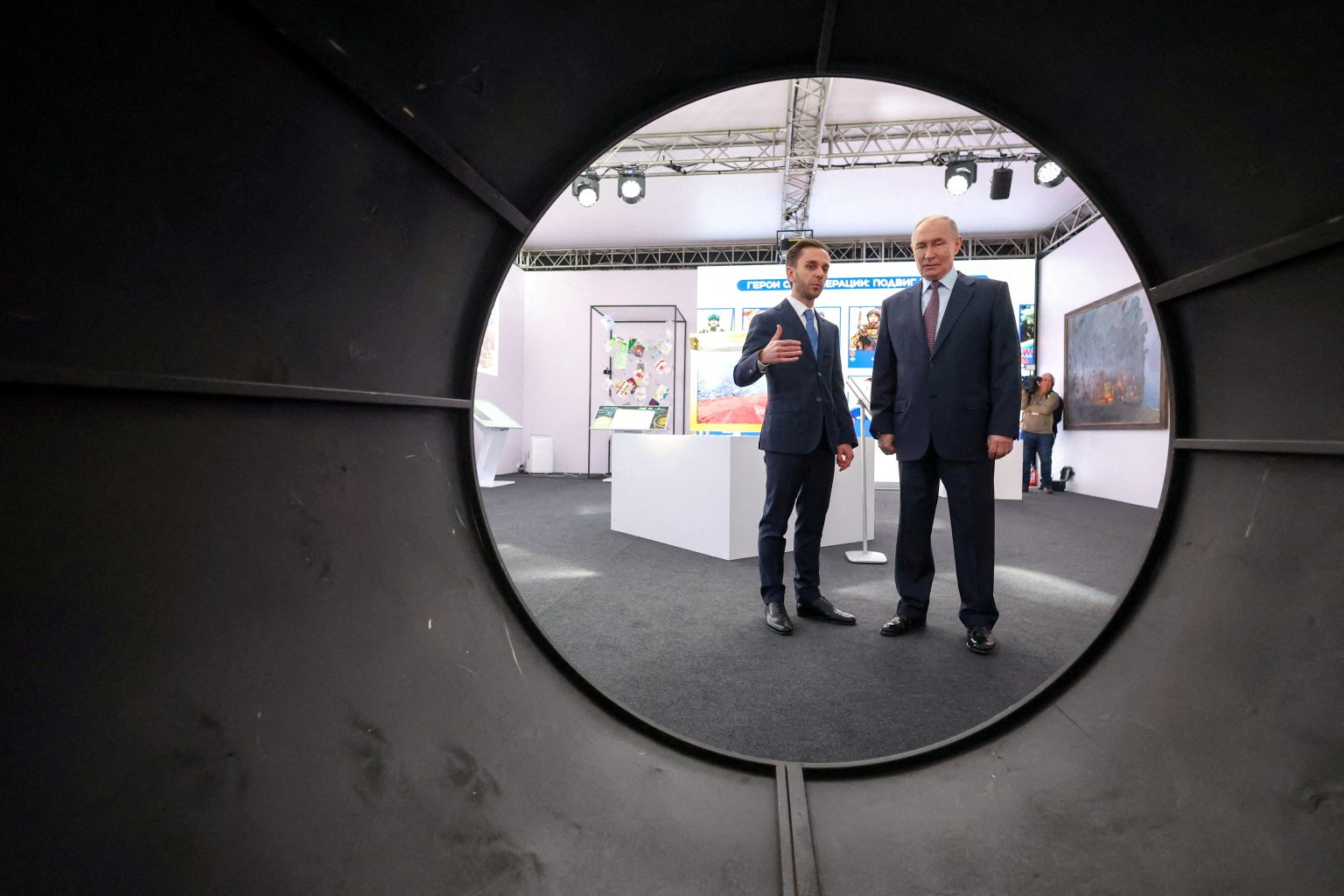
Several media outlets, including the Financial Times, CNN and the Russian investigative outlet Important Stories, received a comprehensive report from the intelligence service of an EU country on 4 May. According to the document, Russian President Vladimir Putin and his family, including his reported partner Alina Kabaeva and sons Ivan and Vladimir, no longer visit their residences in Valdai and the Moscow region.
In March, after the Ukrainian attack on the Leningrad region, seven air defense towers were added around Putin’s residence in the town of Valdai in the Novgorod region, bringing the number of towers to 27. Similar measures have been recorded in the capital and in Tatarstan, where Russia produces drones.
Quotes Instead of Paraphrases
Important Stories, known in Russian as Vazhneye istorii, was the only outlet to publish the intelligence report in full. According to the introduction, it was sent to the portal by a person close to the intelligence agency that produced the document.
Important Stories said it was publishing the report because some of the information it contained had been independently verified. The outlet added that the source who provided the document held an official position in the government of a European country and risked their reputation and career if the document was a deliberate disinformation campaign.
Of particular interest is the information, now public for the first time, on who allegedly ordered the internet restrictions in the Russian capital.
While the Russian Federal Security Service (FSB) has previously been rumored to be responsible, the European intelligence report says the actual initiator was the Federal Protective Service (FSO). It is not an intelligence service, but a federal executive body responsible for the security of constitutional officials.
Important Stories reports that the information about who ordered the restrictions in Moscow was not new to the outlet. “A month ago” a former FSB official spoke to the portal about the FSO’s role in restricting internet access. Putin’s fears of a conspiracy and coup were also relayed to the portal by unrelated sources.
People who work physically close to Putin are allowed to use only phones without internet access, according to the report. Photographers, chefs and bodyguards working for the Russian leader undergo a two-stage vetting process, including a search by the FSO, and are banned from using public transport.
The security services have installed surveillance systems in the homes of cooks, photographers and bodyguards working close to Putin. A current FSB officer told Important Stories that it had become much harder for his unit to obtain authorization for wiretapping in non-political criminal cases because equipment had been redirected to monitor the government and other state bodies.
Shoigu to the Front?
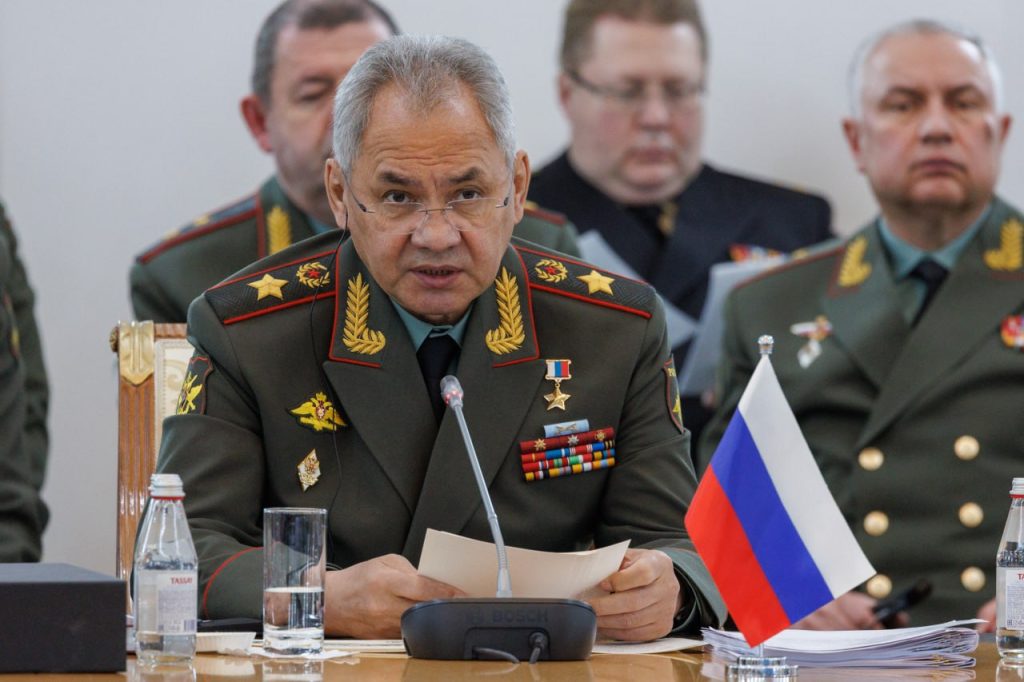
European intelligence has linked the former defense minister, who has served as secretary of the Security Council of the Russian Federation since May 2024, to a possible coup attempt. Despite losing his high office, Sergei Shoigu retains considerable influence in the General Staff and the officer corps.
“The arrest of his former first deputy, Ruslan Tsalikov, on March 5, 2026, is seen as a violation of informal guarantees of safety for elites, weakening Shoigu’s position and increasing the likelihood that he himself may face criminal prosecution”, the report said.
If backed into a corner, Shoigu might therefore have no choice but to resort to an attempted coup, the intelligence report appears to suggest. The fact remains, however, that Putin has not visited a single military facility in 2026, although similar visits to strategic enterprises crucial to the war machine were common last year.
An Intelligence Game?
A Statement editor contacted a former member of the Russian State Duma. His identity is known to the editorial office, but will not be disclosed at the politician’s request.
Citing contacts who remain part of the state apparatus, the politician confirmed that the head of state’s growing paranoia is no secret at the highest level of the power structures. He also said discontent was therefore growing among the heads of state bodies.
Although the report from the unnamed intelligence agency was paraphrased by well-known media outlets, it remains possible that the document itself will turn out to be disinformation or part of a broader intelligence operation.