
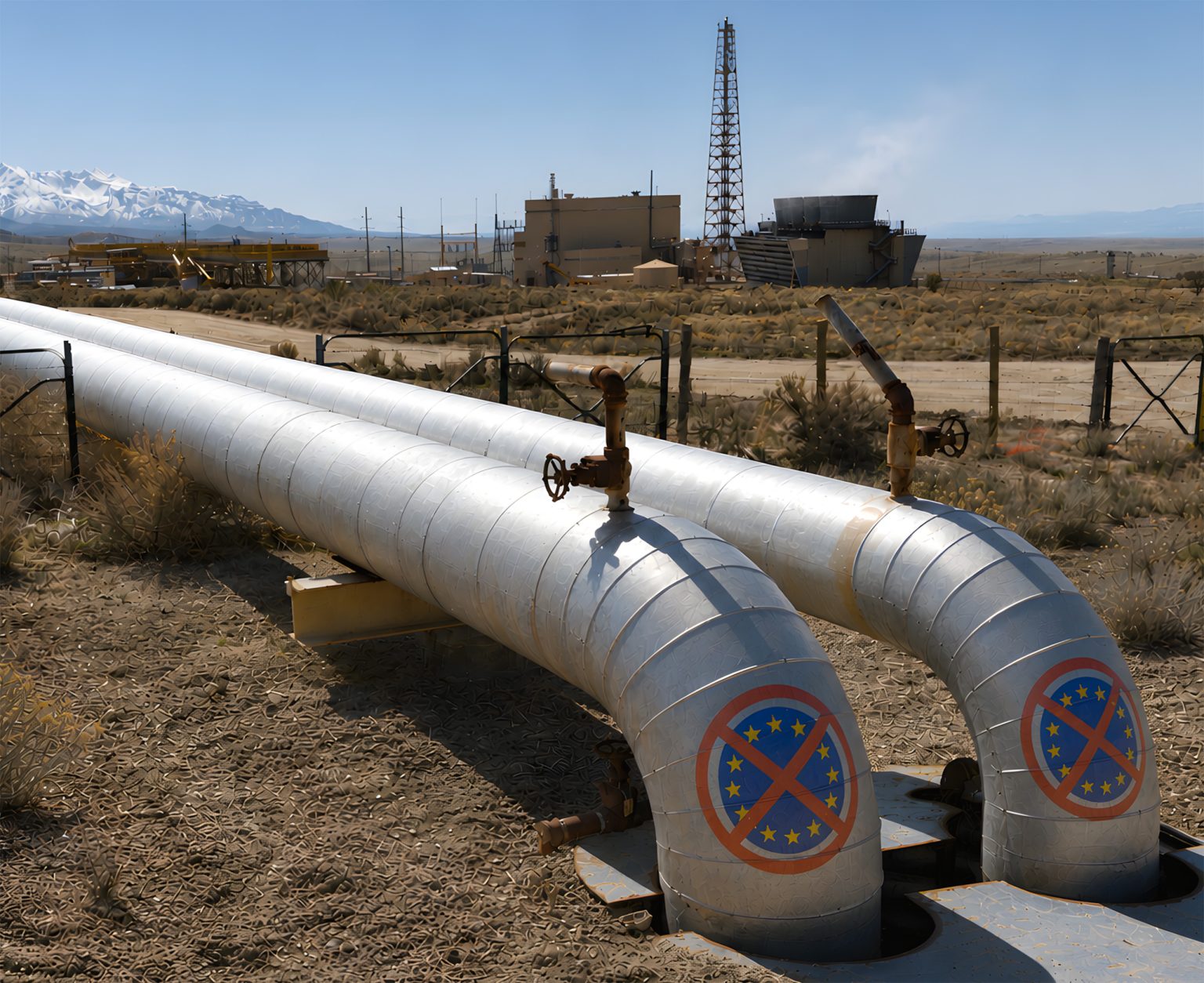
When Russia suspended the northern branch of the Druzhba pipeline in late April, it halted the last commodity still moving along the route from Russia through Belarus and Poland: Kazakh oil bound for Germany.
Last year, the pipeline carried around two million tonnes of Kazakh oil to Germany. Germany’s total annual oil demand is less than 100 million tonnes. By comparison, Slovnaft, Slovakia’s main refinery, processes five to six million tonnes a year, roughly equal to Slovakia’s total consumption.
The consequences fall unevenly. For most of Germany, the volumes are small. For the PCK refinery, however, the loss is more serious: it draws around a fifth of its oil from Kazakhstan and supplies Berlin, its airport and the surrounding region, while alternative sources remain limited at short notice.
"Every month, Moscow sends Kazakhstan a schedule of oil deliveries via Russia. In the schedule for May, Druzhba was not included", a senior Kazakh government official told the Financial Times.
Moscow Cites Technical Problems
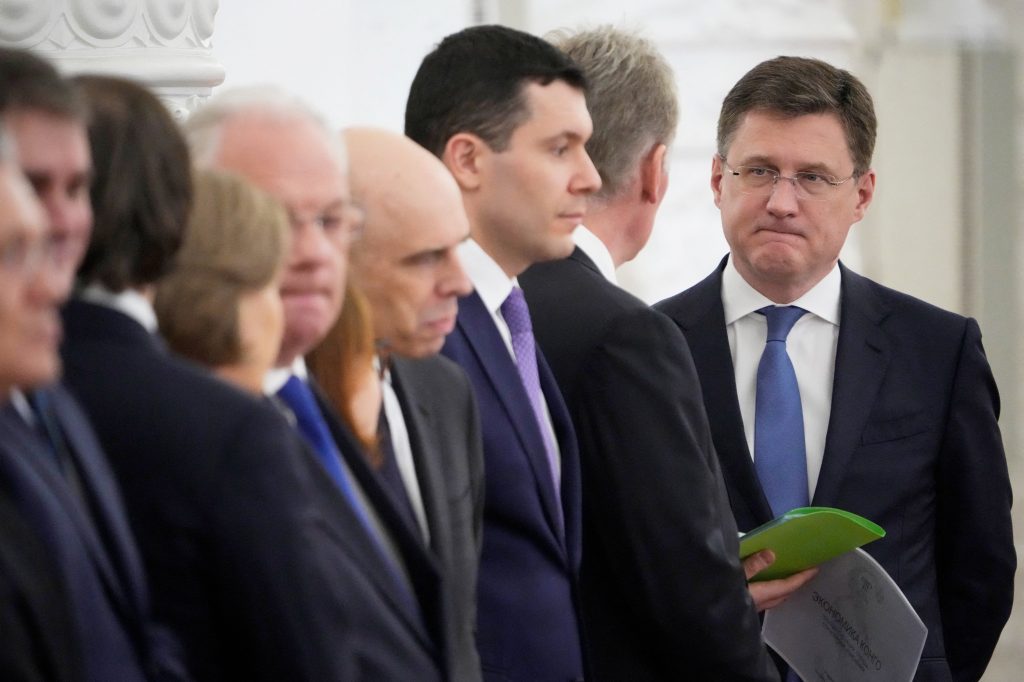
Moscow attributed the suspension to technical problems, but Russian Deputy Prime Minister Alexander Novak gave no details about the nature of the fault or any timeline for restoring flows.
Kazakhstan’s Energy Minister Erlan Akkenzhenov also told the Financial Times that technical factors were to blame, citing Ukrainian drone strikes on Russian energy infrastructure as a likely explanation.
A separate source within the Kazakh government said that Russia's primary aim is to pressure Germany, at a moment when the war in Iran has tightened oil supply and driven prices sharply higher.
The interpretation is widely shared by other major media outlets.
The economic case for such a move, however, is far from clear. The volumes are small, Kazakhstan pays no significant transit fees to Moscow, and Russia bears no meaningful cost for the transport. Oil flows through the pipeline to Belarus in any case, with fees for the Polish and German sections covered by the supplier or the buyer under their respective agreements.
If anything, the logic runs in the opposite direction. Moscow benefited from keeping the full transit route active even as EU members moved away from Russian oil, since an idle pipeline is both costly and difficult to bring back online. Kazakh crude, in effect, held the door open for a future resumption of Russian supplies to Europe.
Russia Has Stronger Levers
That said, the possibility that Moscow is using the current energy market turmoil to test Europe's weak points cannot be ruled out entirely.
Europe relies on imports for most of its fossil fuels, leaving it exposed to disruption in the Strait of Hormuz involving Iran and the United States. Around a fifth of global oil and a tenth of global gas pass through the affected region. Oil has some alternative routing, but supply has still fallen by 10% or more for both commodities. In a globally interconnected market, the effects are predictable: higher prices, reduced consumption and weaker growth.
The theory of deliberate harm is not without its weaknesses, however. If the Druzhba suspension is a first move in a broader campaign, it is a remarkably restrained one: Moscow has far more powerful instruments available. A decision to act more forcefully could cut the flow of Kazakh oil to Europe almost entirely.
More than 80% of Kazakhstan’s oil exports pass through Russia before reaching world markets, including Europe. The primary route is the Caspian Pipeline Consortium (CPC) pipeline, running from Kazakhstan’s fields to export terminals on the Black Sea and carrying roughly 1% of the world’s daily oil supply.
To appreciate the scale of what Russia could do: the EU imports around 435 million tonnes of oil a year, and Kazakhstan supplies nearly 56 million tonnes of that, around 13%. Alternative routes exist, including the corridor through Azerbaijan, but none comes close to compensating for the loss of Russian transit. In the short to medium term, a Russian blockade would strand the vast majority of Kazakh oil outside the European market.

The Cost for Moscow
Moscow would not emerge unscathed. Cutting off Kazakh transit would strain relations with an important neighbor and partner while also stripping Russia of transit revenues it currently collects.
A further supply restriction would sit badly with Donald Trump, who might respond by hardening his stance towards Moscow and stepping up support for Ukraine. China, Russia's most important strategic partner, would also push back: Beijing is a major oil importer already under pressure from high prices and the threat of reduced supply through Hormuz.
For now, the worst-case scenario remains exactly that. Whatever lies behind the Druzhba suspension, a complete cut-off of Kazakh oil from European markets is a possibility, not an imminent prospect.