
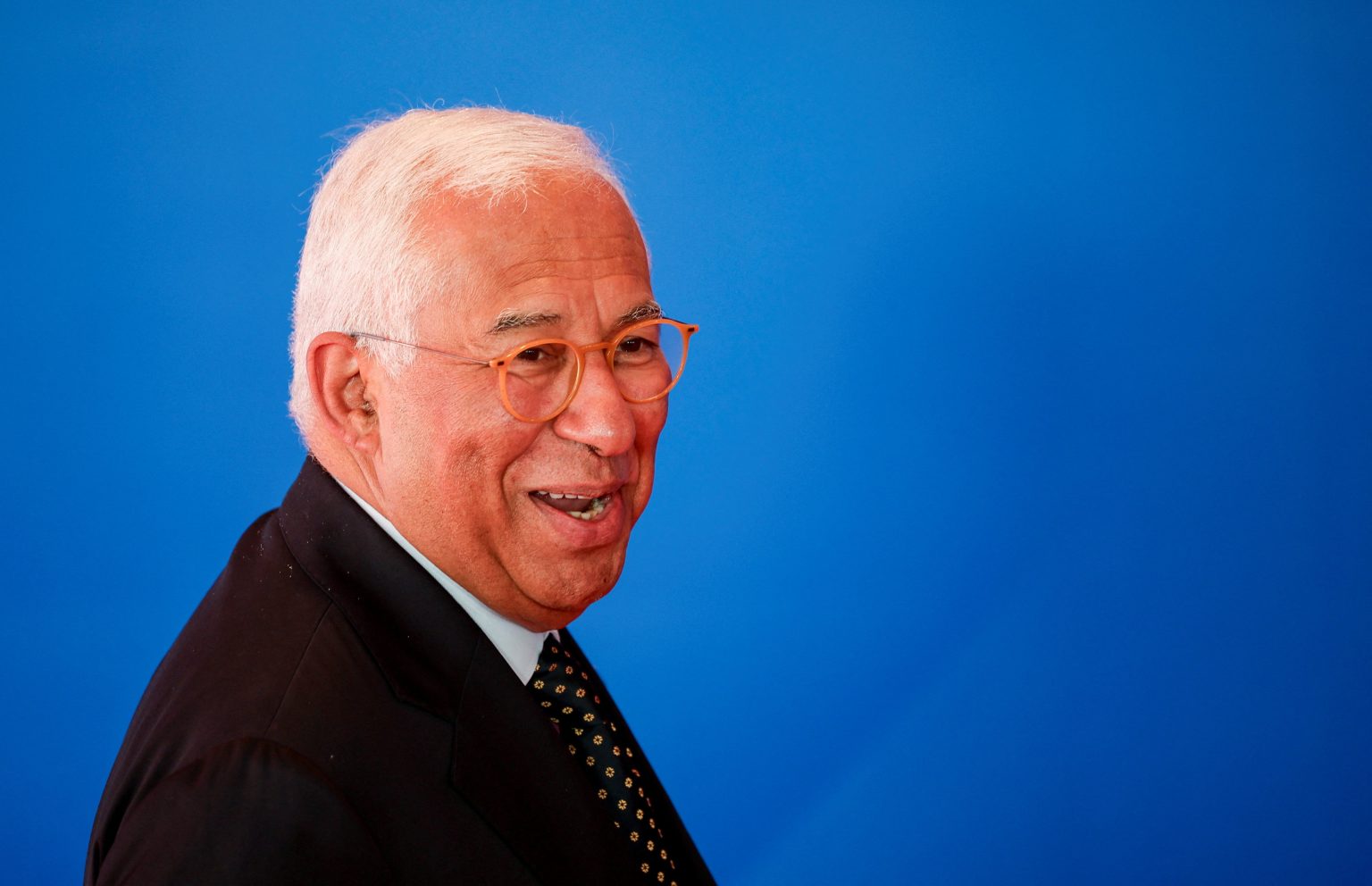
According to the Financial Times, European Council President António Costa has been consulting EU leaders on whether the bloc should prepare for possible direct engagement with Russian President Vladimir Putin. The discussions reflect a growing concern in European capitals that decisions affecting Ukraine and Europe’s own security could be shaped without the EU at the table.
Costa has said there is “potential” for the EU to negotiate with Putin, while stressing that any European role would have to respect Kyiv’s involvement. Ukrainian President Volodymyr Zelensky, he said, had encouraged EU leaders at a summit in Cyprus last month to be ready to contribute constructively if negotiations became possible.
Europe Seeks a Seat at the Table
The EU has long insisted that no discussions or decisions about Ukraine should take place without Kyiv. That position has not changed. But European leaders are increasingly uneasy about the limited progress made by the current diplomatic track involving the US, Ukraine and Russia.
Their concern is not only that talks may fail, but also that they could eventually produce a settlement Europe has had little role in shaping. Such a deal could still have direct consequences for European security, Ukraine’s future and the wider balance of power on the continent.
Costa has also made clear that Brussels does not want to undermine the process led by US President Donald Trump. But he has acknowledged that Moscow has so far shown no sign that Putin is prepared to sit down with an EU representative.
“Yes, it’s a potential [to negotiate with Putin]”, Costa told an event at the European University Institute in Florence. “[But] for the time being, nobody has seen any sign from Russia that they want effectively to engage in serious negotiations.”
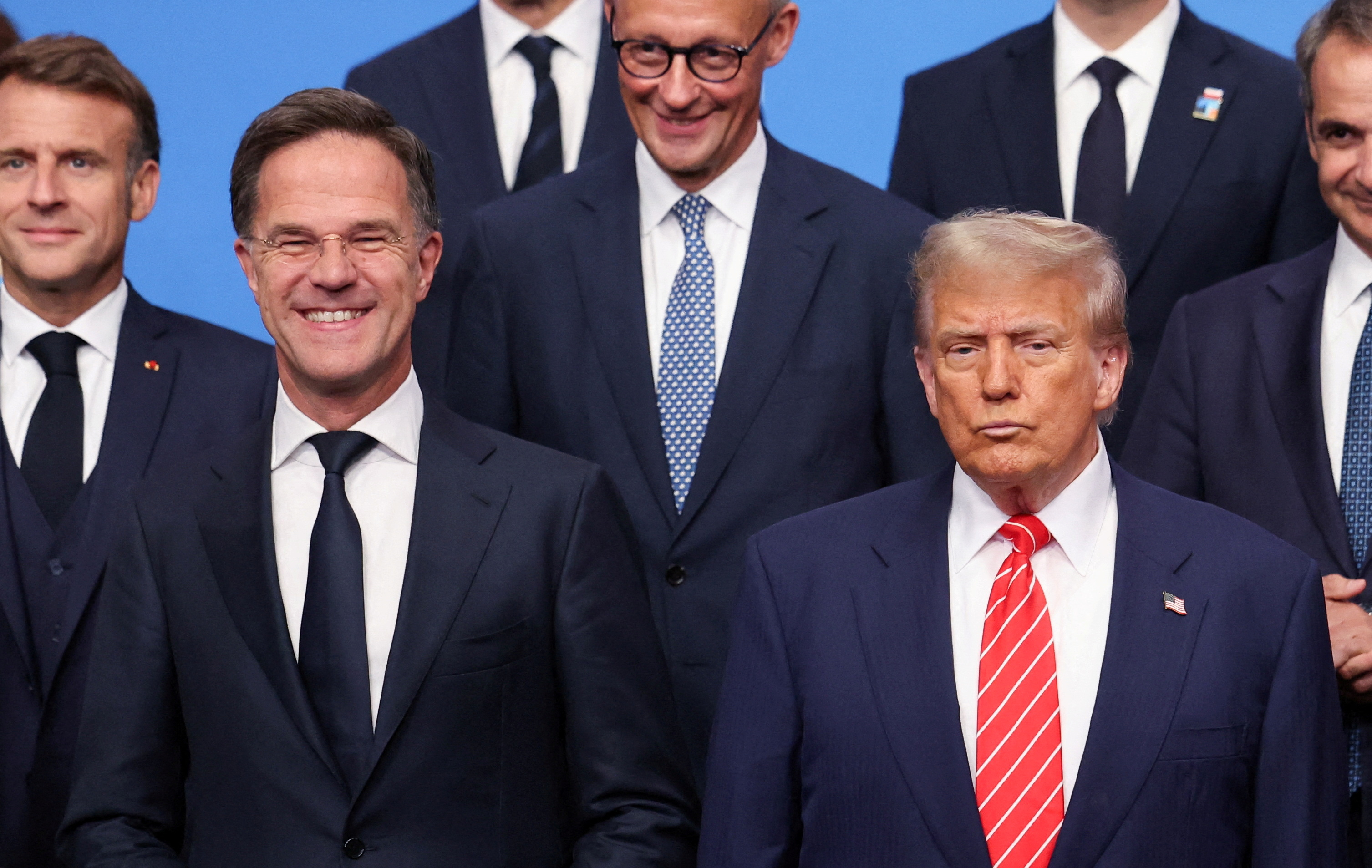
Kyiv Wants a Stronger European Voice
Zelensky’s office confirmed that the idea of closer European coordination had been discussed with Costa. A senior Ukrainian official said the EU needed to speak more effectively at the European level and suggested that one figure could represent member states in contacts with Russia.
That idea remains politically difficult. Some EU leaders, including Belgian Prime Minister Bart De Wever, have raised the possibility of opening a channel to the Kremlin. Others are more cautious. There is still no agreement on who could speak for the bloc, when such an initiative would make sense or what message should be delivered to Putin.
For Kyiv, the issue is not a replacement for US diplomacy, but a way to ensure that Europe does not remain passive while negotiations over its own security environment continue elsewhere.
Washington Track Continues
Ukraine is also trying to revive the US-led diplomatic process. Zelensky said on Tuesday that Rustem Umerov, the secretary of Ukraine’s National Security and Defense Council, had traveled to the US for meetings with Trump’s special envoys, including Steve Witkoff.
Zelensky said the aim was “the reinvigoration of the diplomatic process”, which has stalled since Trump launched his war with Iran.
The last trilateral meeting between the US, Ukraine and Russia took place on 18 February. Zelensky said Kyiv had remained in close contact with Washington and was aware of its partners’ contacts with Moscow.
“We are working to ensure that this helps bring a dignified peace closer and guarantee security”, he added.
Moscow Sets the Limits
Russia has so far given Europe little reason to believe that a diplomatic opening is imminent. Putin continues to demand that Ukraine withdraw from the part of the Donbas region still held by Kyiv before serious negotiations can begin.
According to the Financial Times, people familiar with Putin’s thinking and with back-channel discussions say he wants to seize the rest of the region by force before entering any future talks. European governments have already tested Moscow’s position. In February, French national security adviser Emmanuel Bonne and adviser Bertrand Buchwalter traveled to Moscow to argue that Europe should be represented in any settlement process.
People briefed on the talks said the French initiative was rejected by Yuri Ushakov, Putin’s foreign policy adviser, and Igor Kostyukov, the head of military intelligence. Russia nevertheless left open the possibility that another kind of European message might be received differently.
The Kremlin’s public position remains uncompromising. Ushakov said on Thursday that Ukraine “just needs to take one serious step so that combat actions cease and serious discussions can open up for a serious discussion of the chances for a long-term settlement”, according to Interfax.
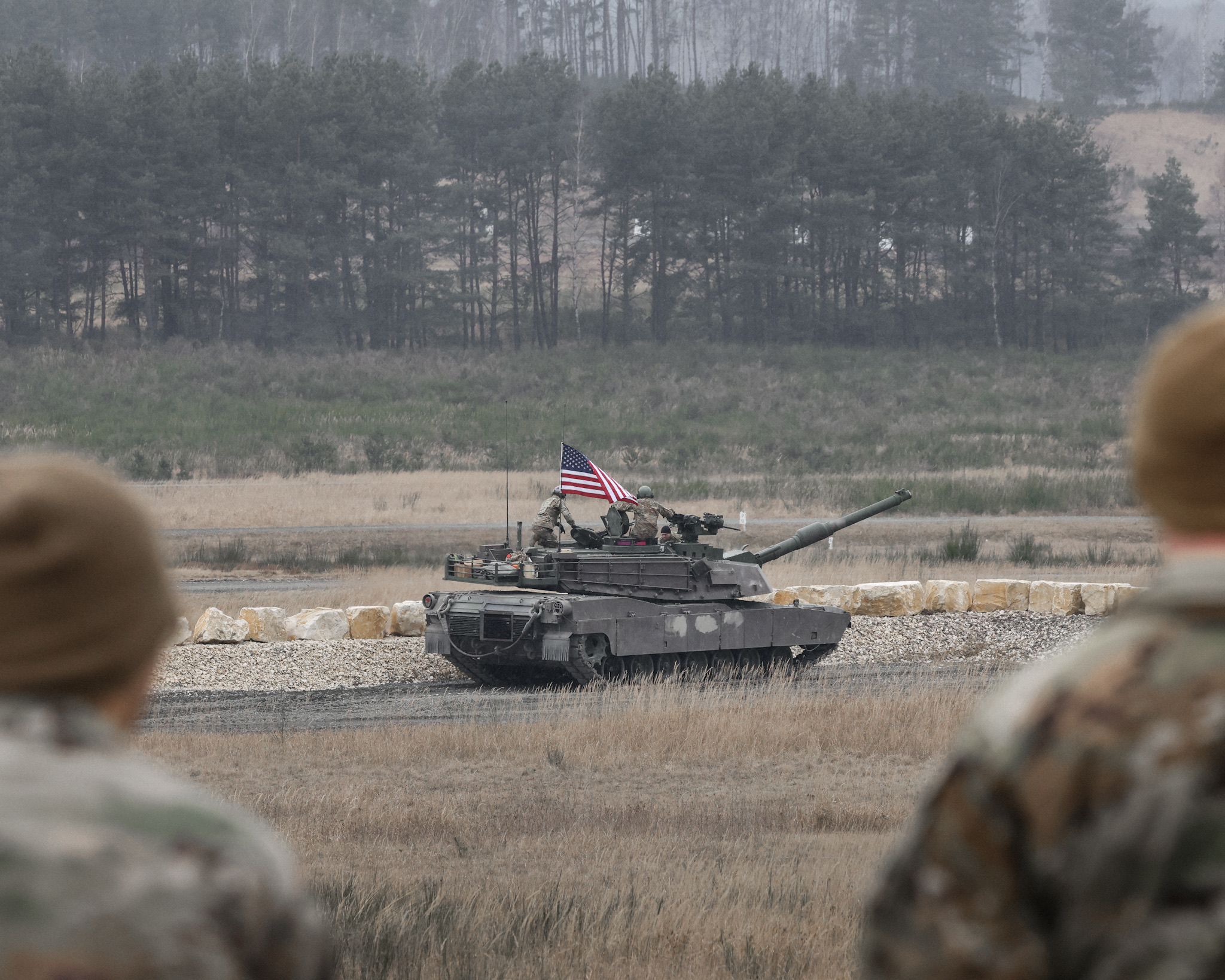
War Continues Despite Ceasefire Claims
The gap between diplomacy and developments on the ground was underlined again this week. Putin said Russian forces would observe a brief armistice for Moscow’s Victory Day parade on 9 May and expected Ukraine to halt strikes during the same period.
Zelensky responded by announcing a unilateral ceasefire on 6 May. His office told the Financial Times that the move was meant to show that if Russia could secure a truce for a parade, it could also agree to a broader pause along the front. Kyiv also wanted to expose the contradiction of Putin seeking security for a ceremonial event while Russian forces continued offensive operations inside Ukraine.
Soon afterward, Russia launched strikes on Ukrainian cities, killing 27 people and injuring at least 120.
For Europe, the immediate dilemma is therefore unchanged. EU leaders may want a stronger voice in any future settlement, and Kyiv appears open to such a role. But without a clear signal from Moscow, the debate remains largely one about preparation rather than negotiation.