
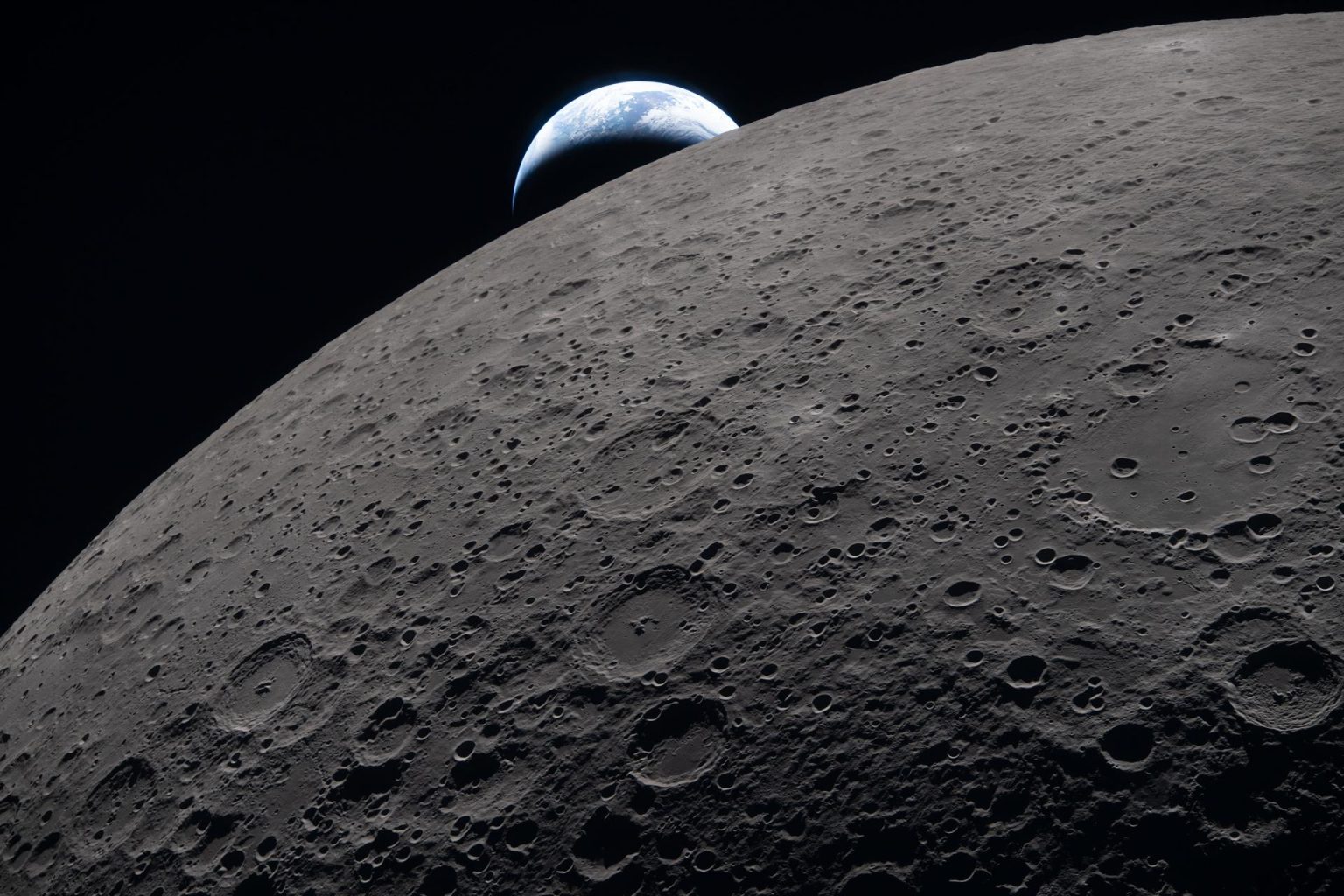
The four-person crew consisted of NASA astronauts Reid Wiseman, Christina Koch and Victor Glover, and Canadian astronaut Jeremy Hansen. Launching on 1 April and lasting 10 days, the mission marked NASA's first crewed flight to the Moon in more than 50 years, as well as the first use of the Space Launch System rocket and crewed Orion capsule.
The Artemis II mission made history when its four-person crew traveled farther from Earth than any humans before them.
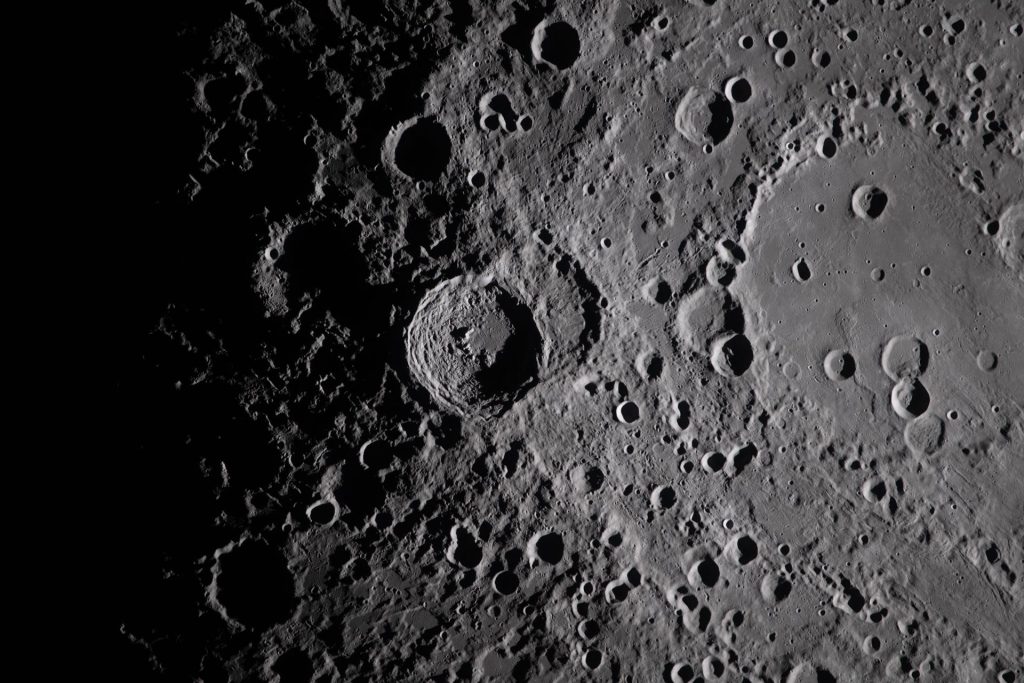
During the flyby, the crew traveled more than 400,000 km from Earth, setting a new distance record. The maneuver included a planned communications blackout of around 40 minutes.
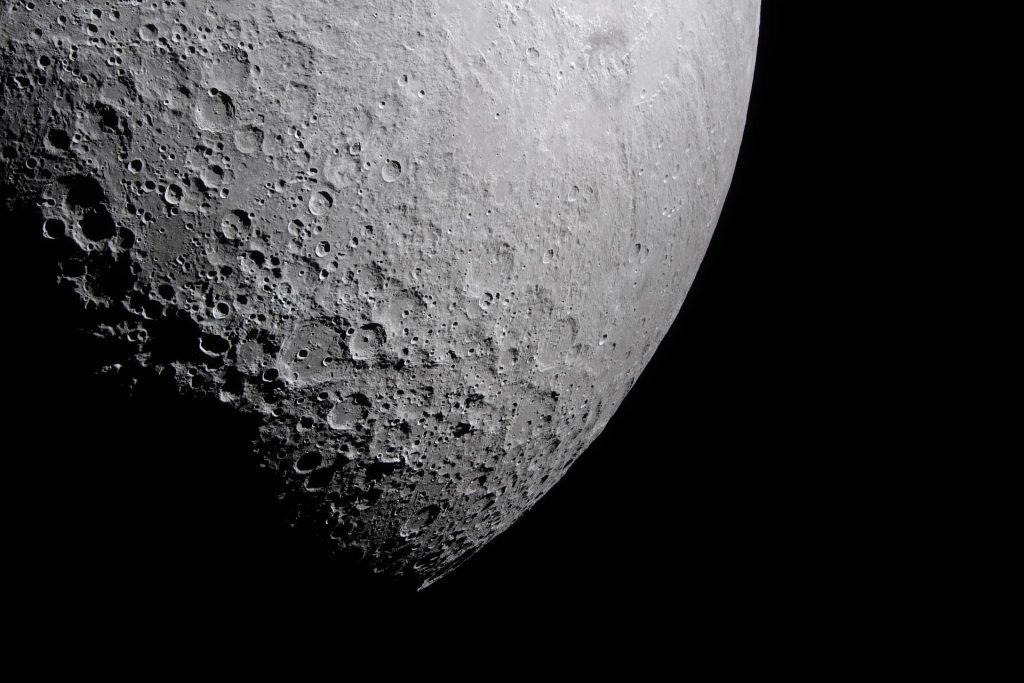
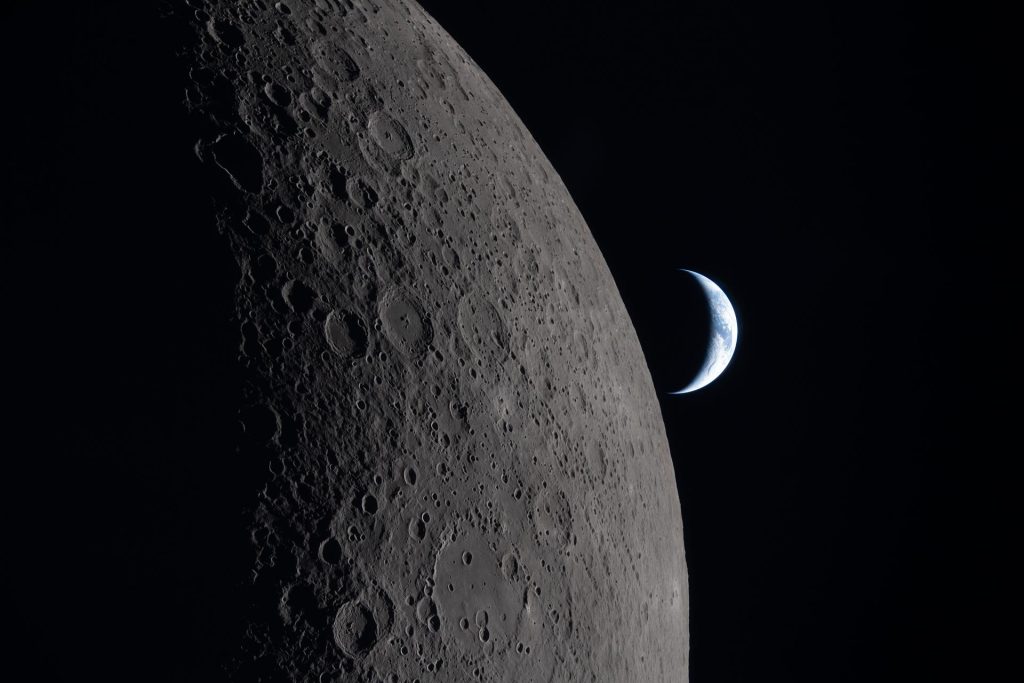
The seven-hour pass brought the crew over areas of the Moon not visible from Earth, allowing detailed observation of the terminator region, the boundary between the illuminated and dark portions of the lunar surface.
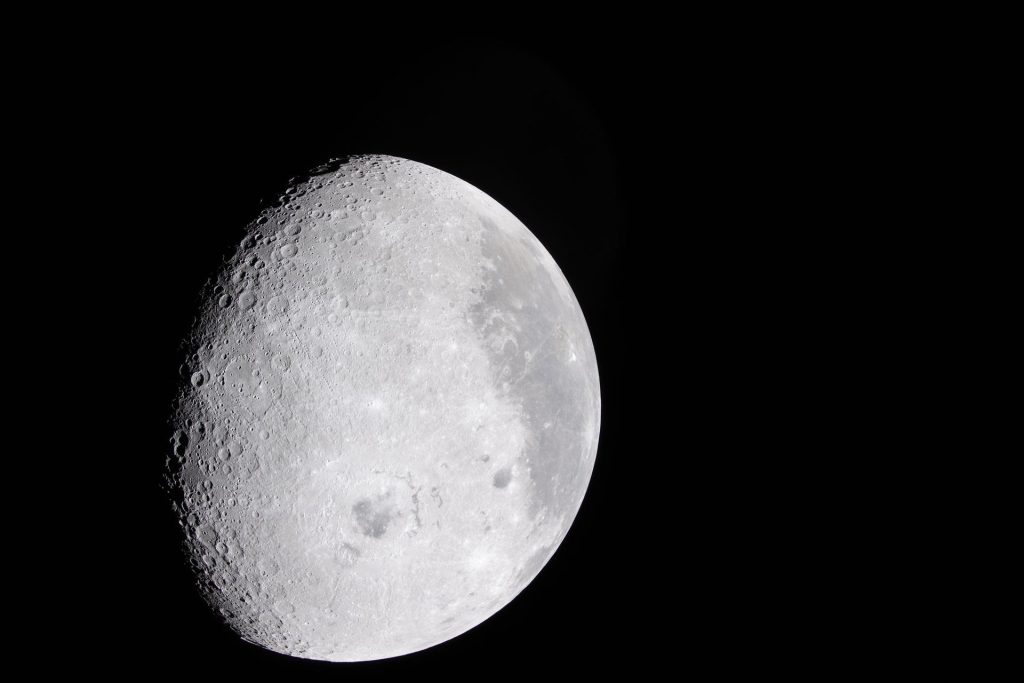
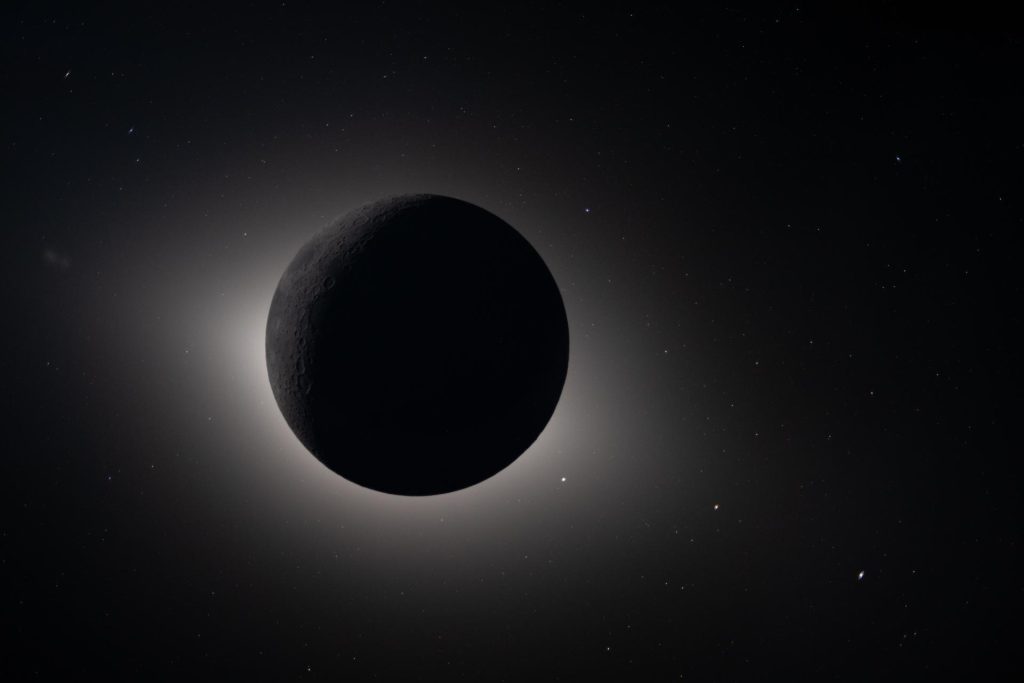
The images, NASA said, could aid research into the Moon's formation and topography. The crew were also the first people in history to observe a solar eclipse from a lunar perspective.
On 10 April, the astronauts splashed down in the Pacific Ocean near San Diego. The Artemis II mission was designed to validate technologies in preparation for a planned human lunar landing in 2028 and subsequent Artemis missions.
(max)