
In Germany, Klaus Müller, the head of the Federal Network Agency, has urged citizens to use gas more carefully. The agency is part of the German economics ministry and regulates electricity, gas, telecommunications, post and railway networks. Germany faces the risk of an energy crisis next winter because gas storage levels are low.
The pressure is being driven by the war against Iran, higher global gas and oil prices, Europe’s move away from Russian gas and new EU climate rules for imports.
Müller described gas as a “valuable commodity” and noted that many households were still protected by price guarantees, but that follow-on contracts could become more expensive next year.
Müller’s appeal was simple: citizens should no longer take gas for granted. The economics ministry’s wider communication, however, carries a lecturing undertone and offers little real information. Such bureaucratic language is jarring because its purpose remains unclear. Is there a crisis or not? The apparent aim seems to be to warn without causing panic while also teaching citizens to use gas sparingly.
Historically Low Gas Storage Levels
What, then, is the actual situation?
The Federal Network Agency currently describes conditions in Germany as stable. In May, with fairly summery and generally rising temperatures, that is hardly surprising. What remains troubling, however, is the low level of gas in storage and the question of whether enough can be injected before the heating season begins in autumn.
Here, Müller again sought to reassure the public. There was no need, he said, to expect gas storage sites to be full by mid-May. At the same time, he acknowledged that the low levels were a cause for concern.
These statements do little to clarify matters. In purely factual terms, storage levels fell to a historic low in February 2026 and have since remained well below the average of recent years, currently standing at 27.59%. At this point in the year, the level is usually around 40%.
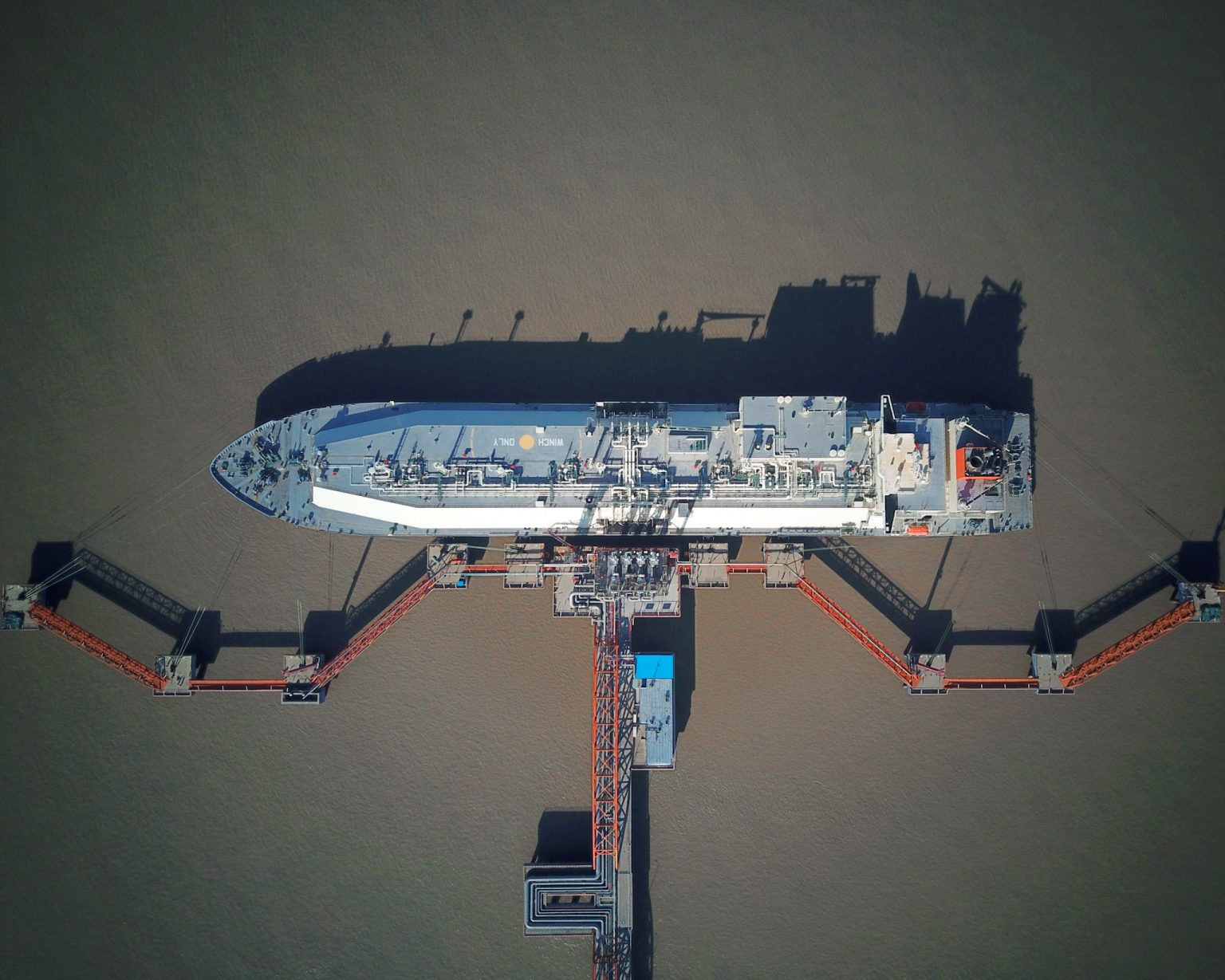
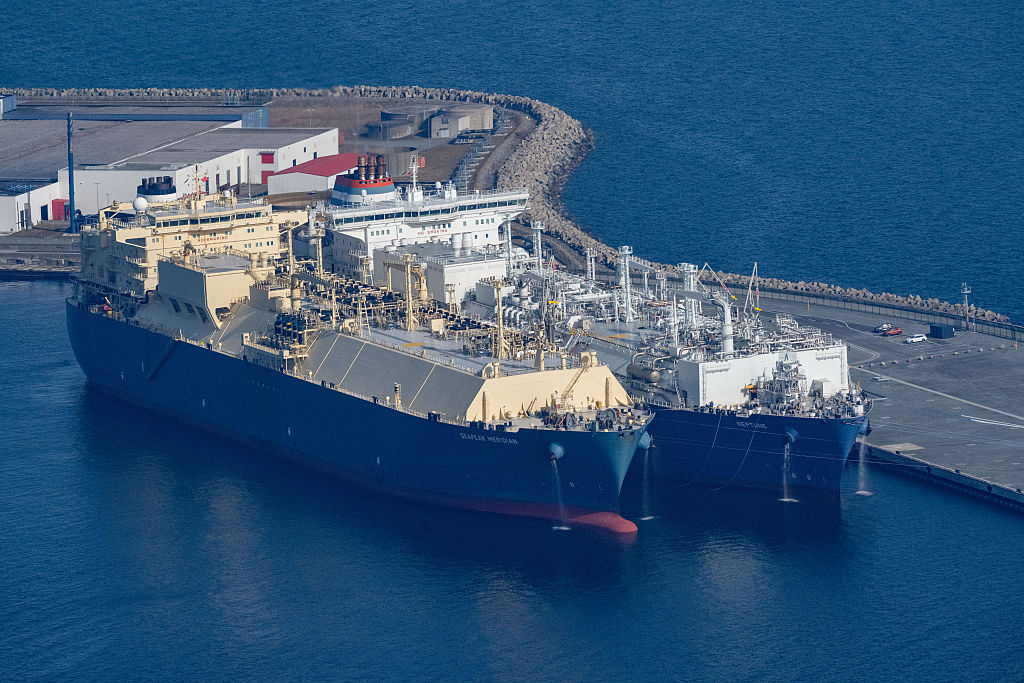
Germany’s gas supply has been completely reshaped. Gas now arrives by pipeline from Norway, as liquefied natural gas (LNG) by sea through the terminals at Wilhelmshaven, Brunsbüttel, Mukran on Rügen and Stade, and through onward deliveries from several neighboring countries.
The old east-west logic, built around Russian gas delivered by pipeline, has been replaced. Yet the new system has created fresh dependencies that still have to prove they can guarantee Germany’s energy security. The country remains dependent on imports.
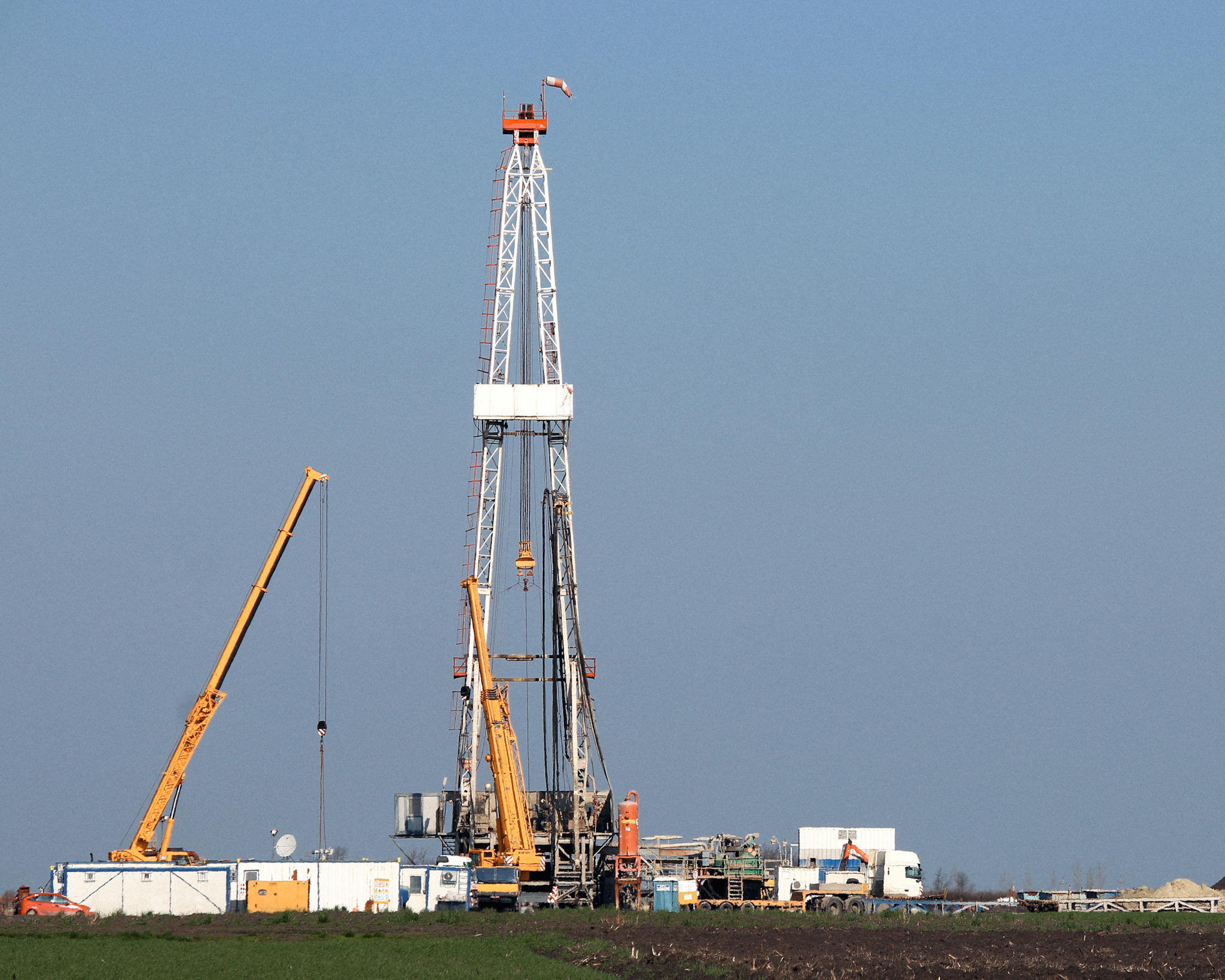
In his remarks, Müller, as usual, made no mention of Germany’s large undeveloped gas reserves. The German ban on fracking remains untouched and is not even questioned. As a result, Berlin is still choosing, for political reasons, not to exploit rich natural gas deposits, including those beneath the Emsland region.
Excessive Climate Bureaucracy
The situation is being made more difficult by the EU’s new methane policy. Regulation (EU) 2024/1787 requires operators in the oil, gas and coal sectors to measure, report and verify methane emissions accurately. It also creates additional obligations for fossil fuel importers, because producers outside the EU are expected to prove how they measure, report and reduce methane.
From a supply policy perspective, these requirements are delicate because Europe imports large quantities of gas while trying to build new supply chains that the same bureaucracy could put at risk from the outset.
The International Association of Oil and Gas Producers (IOGP) says it supports the aim of reducing methane emissions, but has criticized the deadlines and raised doubts about whether the rules can be implemented. IOGP Europe points to a Wood Mackenzie study which found that, from 2027, up to 43% of EU gas imports and 87% of crude oil imports could be affected by such compliance risks.
That warning should be taken seriously. If Russian gas is to be replaced, Europe needs long-term contracts with other producers.
Risky Contracts
If a supplier may no longer be recognized by the EU for regulatory purposes from 2027, new long-term contracts become difficult for both sides. Possible penalties, higher costs and further pressure on industry are all part of the equation.
Critics argue that Europe’s ambitious climate policy, questionable in a global context, is turning into a threat to supplies for households and companies alike. What the continent needs, they say, is not harsh methane standards, but legal certainty for importers. Creating new shortages in the middle of a geopolitical energy crisis makes little sense.
State Regulation in India
India is also seeing official warnings about oil and gas shortages. There, however, the problem is more immediate: dependence on imports, pressure on foreign currency reserves and the question of how energy is allocated to industry.
Maharashtra Chief Minister Devendra Fadnavis called on citizens to follow Prime Minister Narendra Modi’s appeal and use oil and gas sparingly. He cited the war against Iran, disrupted global supply chains and the danger that India, too, could feel shortages if consumption was not curbed. Modi linked the appeal to energy security, lower import costs and the expansion of solar power, ethanol and compressed natural gas (CNG).
At the same time, the Indian government has denied any acute nationwide supply gap in petrol, diesel and liquefied petroleum gas (LPG). According to the oil ministry, the country has about 60 days of fuel cover. Reports of shortages, it said, were in part deliberate disinformation. On LPG, New Delhi has pointed to higher refinery production, secured supplies from the US, Russia and Australia and more than five million gas cylinders delivered every day.
Even though the government is trying to reassure the public, there is cause for concern. Independent Commodity Intelligence Services (ICIS) reported that India issued the Natural Gas Supply Regulation Order on 9 March 2026 to divert gas to priority sectors.
Piped natural gas (PNG) for households, CNG for transport, LPG production and key pipeline functions are to be given priority, while petrochemical plants and other industrial consumers must accept restrictions. Fertilizer producers, industrial users and refineries will receive only reduced shares of their previous consumption volumes.
A Political Stress Test
The contrast with Germany’s warning is therefore considerable. Germany is urging people to save energy, although supply is officially described as stable and the risk is seen mainly in prices, winter reserves and European rules.
India, by contrast, already has to prioritize energy deliveries administratively. There, gas is not primarily a heating fuel, but part of transport, cooking, fertilizer, chemicals and industry.
While Europe continues to impose self-made handicaps on itself through climate rules, replacement suppliers and price risks, India is wrestling with transport routes, foreign exchange and the allocation of energy to industry.
For all the differences, the two cases have one thing in common: gas is no longer merely another source of energy, but is increasingly turning into a political stress test for governments.