A new initiative would stop Switzerland’s population from rising above 10 million, casting immigration, infrastructure and relations with the EU as questions of sustainability.
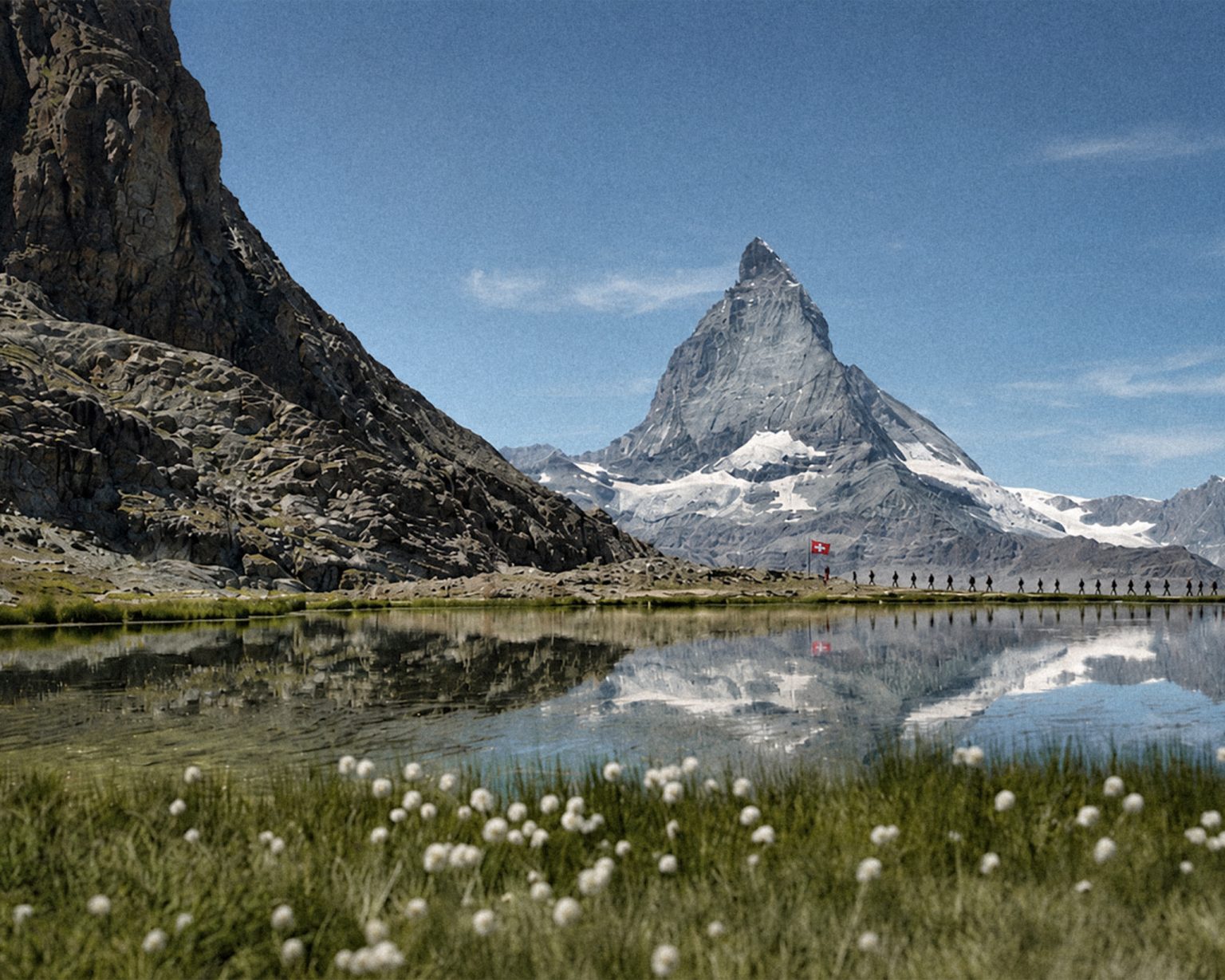
A nation defined by space, order and restraint is debating whether those principles should also apply to population growth. Photo: Mlenny/Getty Images/AI
|
On 14 June 2026, Swiss citizens will vote on the popular initiative “No to a Switzerland with 10 million! (Sustainability Initiative)”. The proposal calls for Switzerland’s permanent resident population to remain below 10 million until 2050. If it passes, the Federal Council and Parliament would have to take action once the population exceeded 9.5 million.
The areas primarily affected would be asylum and family reunification. The Federal Council would also have to seek exemptions and safeguard clauses in international agreements that contribute to population growth. If the population exceeded 10 million, Switzerland would have to terminate those agreements after two years, including the Agreement on the Free Movement of Persons with the EU.
Population Reaches Record High
The proposal comes to a vote at a time when Switzerland’s population has reached a new high. At the end of 2025, around 9.1 million people lived in the country, according to official figures. Since the introduction of free movement in 2002, the population has grown by around 1.7 million.
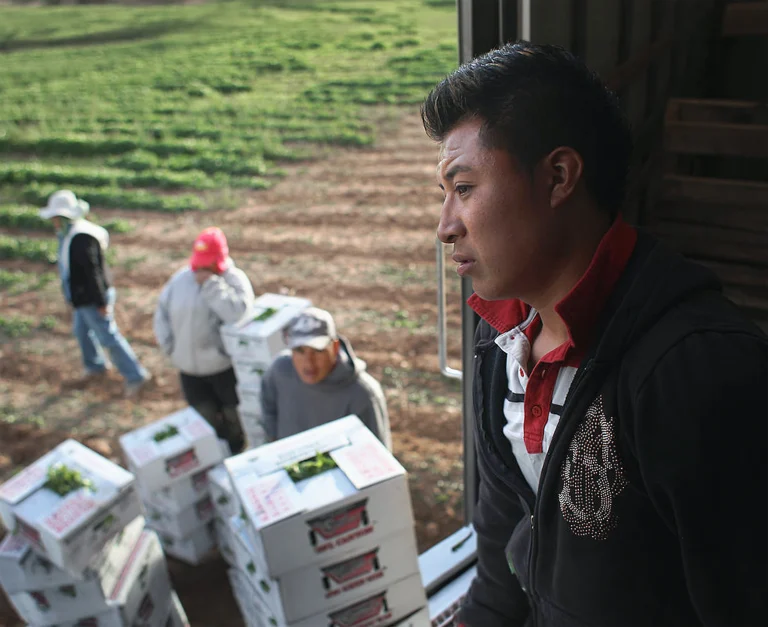
The Federal Council attributes the increase above all to immigration, which it says closely follows the labor market. When companies, hospitals or care homes cannot find enough staff domestically, they also recruit in the EU.
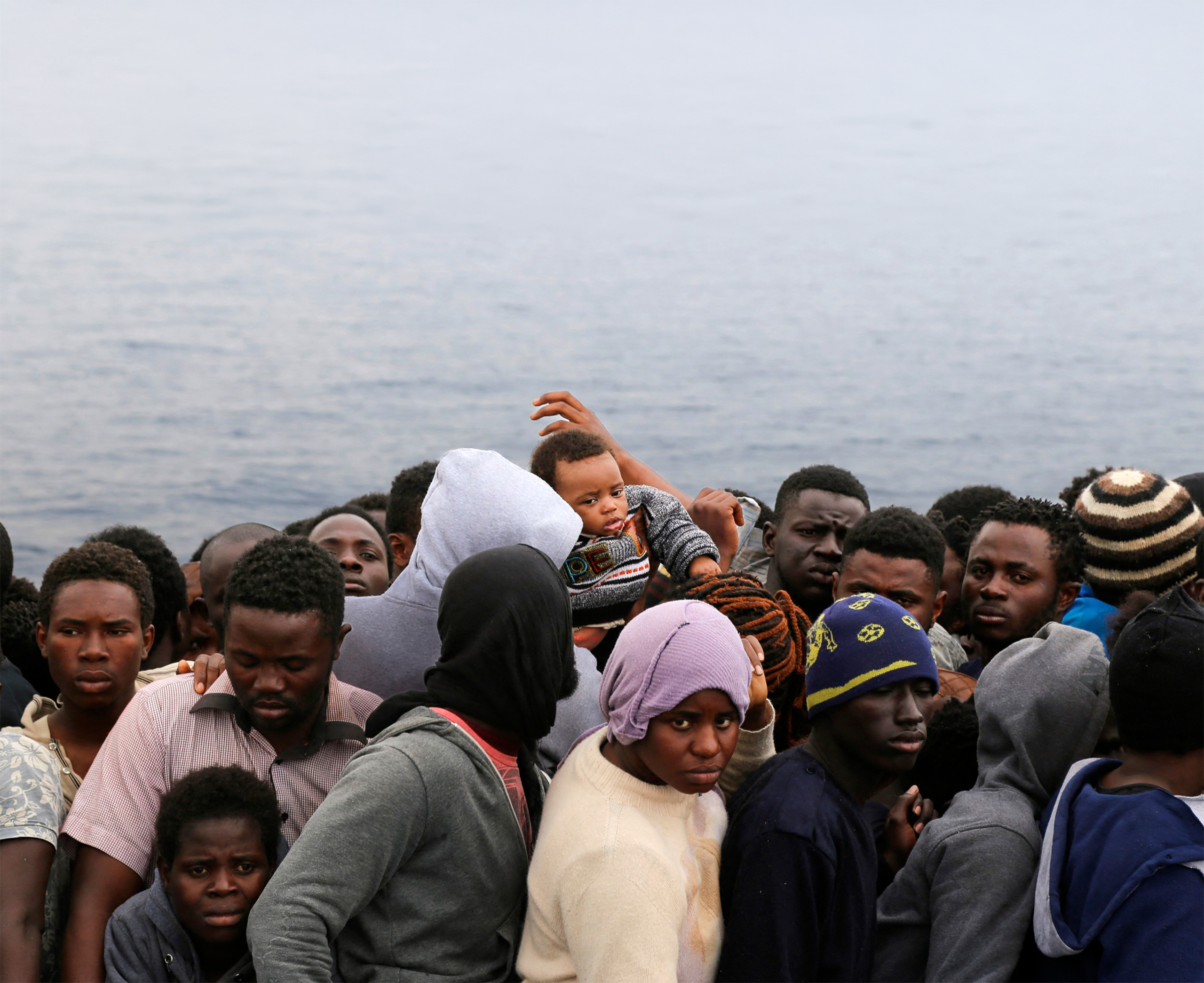
Swiss citizens will vote on whether population growth should be capped at 10 million. Photo: iStock/Getty Images Plus
The initiative frames population growth as a challenge for infrastructure, the environment, health care, education, power supply and social security systems. It would require the Confederation and the cantons to ensure what its backers describe as sustainable population development.
The proposal defines the permanent resident population as Swiss citizens whose main residence is in the country and foreign nationals with a residence permit or a stay of at least 12 months. The Federal Council and Parliament reject the initiative.
The EU Agreements at Stake
The Federal Council is asking that the proposal be submitted to the people and the cantons without a direct or indirect counterproposal. In its view, the measure would call Switzerland’s bilateral path with the EU into question.
According to the Federal Council, terminating the Agreement on the Free Movement of Persons would also have consequences for other agreements. It cites cooperation on security, law-enforcement databases and asylum procedures. Schengen and Dublin would also be at stake if the proposal passed.
The free movement agreement has been in force since 1 June 2002. It gives Swiss nationals and EU citizens the right to live and work in the territory of the other contracting party. That right is subject to conditions. Workers need an employment contract or proof of self-employment. People not in employment must have health insurance and sufficient financial means. The agreement also regulates the recognition of professional qualifications and the coordination of social security systems.
A Different Definition of Sustainability
The initiative offers a counterpoint to Switzerland’s sustainability policy. In its Sustainable Development Strategy 2030, the Federal Council names three priorities: sustainable consumption and production, climate, energy and biodiversity, and equal opportunities and social cohesion. The initiative, by contrast, starts with the number of residents and thereby shifts the concept of sustainability into migration policy and the question of how population growth should be managed.
The proposal is also being watched outside Switzerland. The Associated Press (AP) describes it as a new attempt by the Swiss People’s Party to limit immigration and points to possible tensions with neighboring countries. The agency notes that Switzerland is a country where a significant share of the population was born abroad and where many immigrants come from EU member states. Critics point to foreign workers in hospitals, hotels, on building sites and at universities.
Swiss Voters Are Split
How far may Switzerland go in legally limiting its population? What role does the labor market play in immigration? Which treaties would be affected if the thresholds were reached? And how will voters weigh the protection of infrastructure and resources against the country’s economic and foreign-policy ties? Those are just some of the questions now being debated in Switzerland.
A recent poll by GfS Bern for the public broadcaster SRG found that 47% support the plan, 47% oppose it and the rest are still undecided.
Welcome to the comments section of the Štandard daily. Please take note of our guidelines, comments are moderated by us. You can contact the moderators at support@statement.com.
Participate in the discussion
Comments are available to subscribers only. If you'd like to join the discussion, choose a subscription starting at €6.72 per month.
All comments 0
Register
Comments are available to registered users only. If you'd like to join the discussion, register here.