
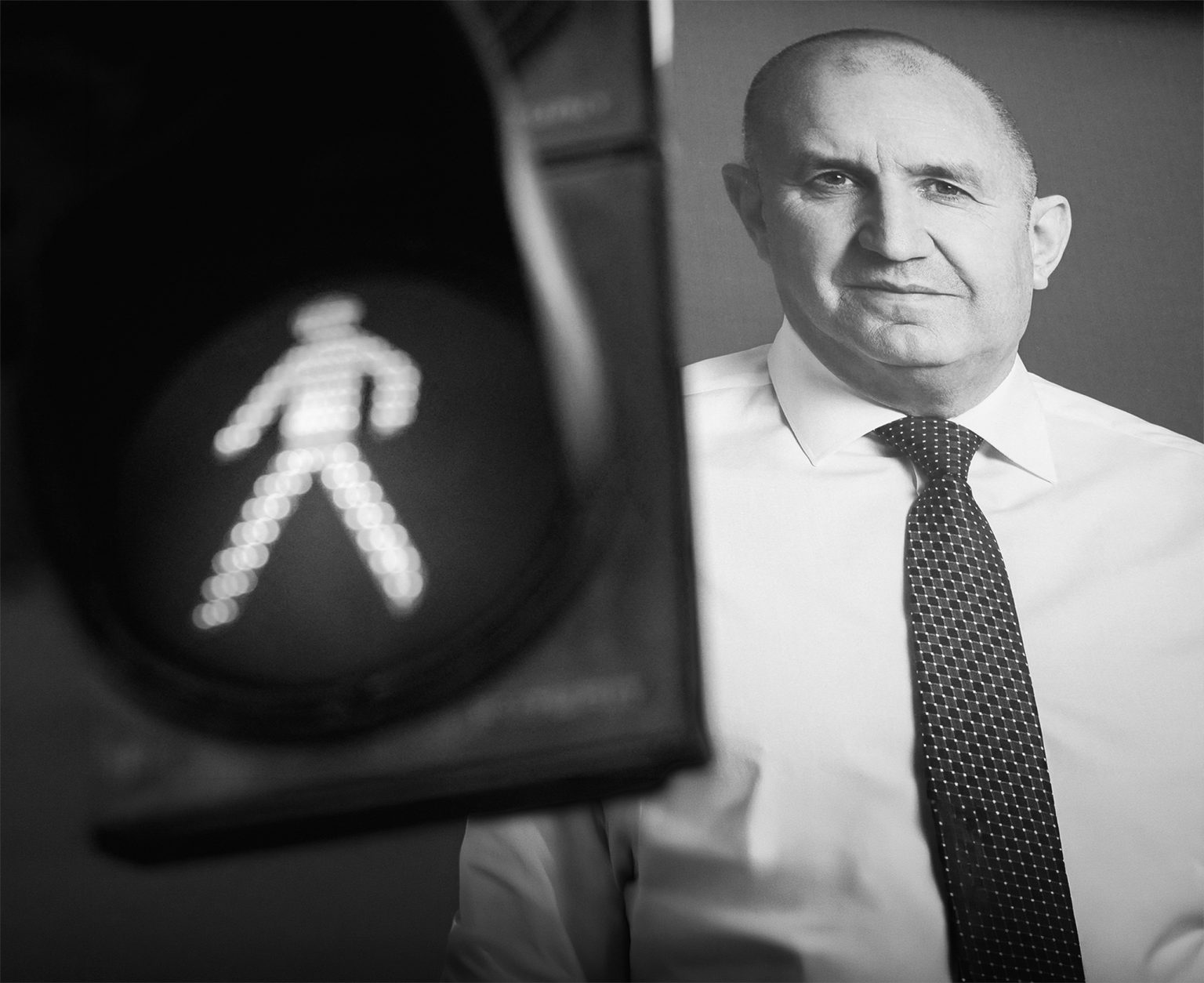
Bulgaria rang in 2026 as the eurozone's newest and 21st member. The European Commission's April interim report was largely positive: the changeover had gone smoothly and the public information campaign had given Bulgarians clear and timely guidance on the new currency.
The switch from leva and stotinki to euros and cents had fueled fears of widespread price rises and a squeeze on household budgets. Those fears have largely not materialized, and public support for the new currency is slowly growing.
Among the measures that smoothed the changeover was a mandatory dual-display period, running from August 2025 to August 2026, during which retailers were required to show prices in both euros and leva. Inflation fell steadily through the early months of the year, dropping from 3.5% in December to 2.1% in February, though it has since recovered to 2.8% in March and continued rising into April.
New Currency, Old Problems
Rising inflation is a eurozone-wide phenomenon and does not signal that the dire predictions about Bulgaria's changeover are coming true. That has not stopped the new prime minister from making it a campaign theme. Rumen Radev of Progressive Bulgaria, whose government the National Assembly approved on 8 May, had promised voters lower prices, greater stability and a determined fight against corruption.
The largest protests Bulgaria had seen in more than a decade brought down the previous government in December. The minority administration of Rosen Zhelyazkov’s Citizens for the European Development of Bulgaria (GERB), which had governed with the support of the Movement for Rights and Freedoms (MRF), a party representing Bulgaria’s ethnic Turkish minority, resigned on 11 December after grievances that had been building for some time finally boiled over. The immediate trigger was the government’s 2026 budget proposal.
Radev's departure from the presidency on 19 January made history twice over: it brought Iliana Iotova to the office as Bulgaria's first female president, and it freed Radev to lead his new party to a 44.6% victory in the 19 April elections, the eighth since 2021, securing a majority in the 240-seat National Assembly.
Making a Virtue of Necessity
A former pilot and commander of the Bulgarian air force, Radev served nine years as president. Since Russia's invasion of Ukraine, he has consistently positioned himself against military aid to Kyiv, advocated restoring relations with Moscow, called for the lifting of anti-Russian sanctions and pushed for the resumption of Russian energy imports.
“We all expected Radev to win”, said Tsvetelina Mikhaylova and Bojana Mincheva, students from Sofia who spoke to Statement. “It was all very well thought out and well organized. We think he had been considering a move into parliament for years. He simply took the best opportunity.”
Radev, they note, was well aware that the constitution barred him from seeking a third presidential term. To understand why that matters, it helps to know that Bulgarian parliamentary politics, until 2001, was defined almost entirely by the struggle between post-communist and anti-communist forces.
Those blocs fragmented into socialists, populists, liberals, conservatives, nationalists and the Turkish minority’s Movement for Rights and Freedoms (MRF). The combination of political fragmentation and endemic corruption has given Bulgarian presidents more practical influence over national affairs than their formal powers would suggest. Slovakia’s presidents, for example, have never enjoyed comparable leverage, even though the two offices look similar on paper.
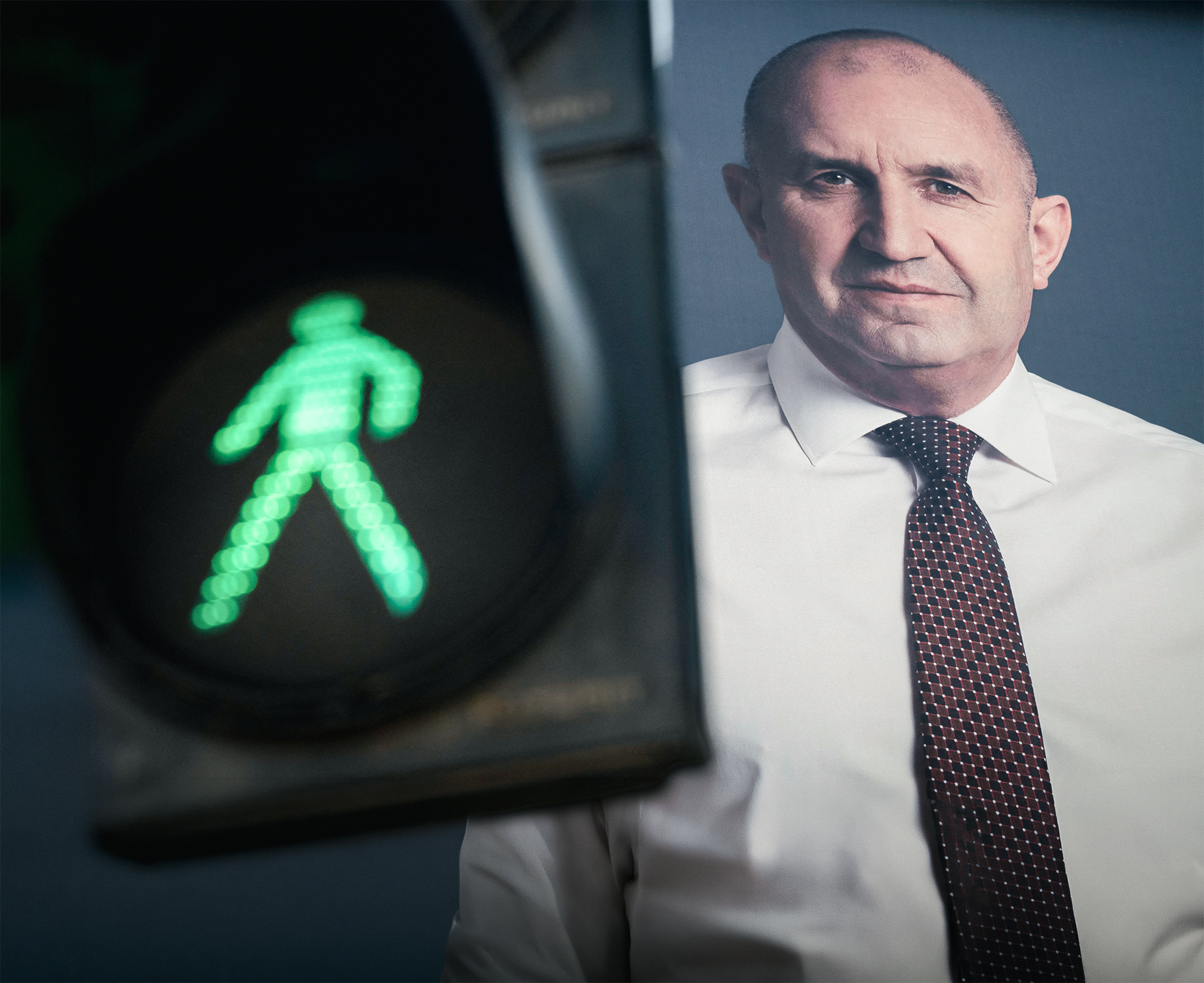
Vague on Everything, Clear on Crimea
“Radev is an extremely effective public speaker. As president, he learned to speak in neutral terms on many issues. He talks a great deal but rarely says anything concrete or takes a clear position. In short, a perfect populist”, Mikhaylova and Mincheva said.
According to Tsvetelina, there is one subject on which Radev never hedges: Crimea belongs to Russia, he says, and he says it unequivocally whenever journalists or political opponents press him on it. Bojana added, however, that Radev simultaneously presents himself as a pro-European politician who sees Bulgaria’s future firmly within the EU and NATO.
Not everyone who took to the streets against the previous government shares Radev's view of Russia. The country's oldest nationalist organization, the Bulgarian National Union (BNS), as well as Bulgarians fighting on the front line of the Russo-Ukrainian war, have been among the most vocal critics of Sofia's pro-Kremlin stance.
"Many European nations blame Moscow for the 20th century, but in Bulgaria the problem goes back much further", a young Bulgarian nationalist, who wished to remain anonymous, told Statement. "Between 1876 and 1887, Moscow exploited the Turkish-Bulgarian conflict to advance its imperial ambitions. Despite that interference, a myth of eternal friendship took hold, and it still shapes public opinion toward the Kremlin."
The same source is unsparing about the April result. A turnout of 50.7%, up from fewer than 40% in the autumn 2024 elections, reflects not enthusiasm but resignation, he argued, with many voters backing Radev simply as the lesser of two evils.
Another Tsar in the Making?
Mikhaylova and Mincheva recalled a telling exchange from the campaign. When the well-known journalist Svetlanka Rizova asked Radev with whom he would enter a coalition, his answer was characteristically oblique. “I know very well with whom I will not form one”, he replied. What followed was equally familiar: not Borisov, not Peevski, the fight against corruption and an appeal to law and order.
Boyko Borisov chairs the former ruling party GERB. Delyan Peevski, aligned with the Turkish MRF, is a media tycoon whose name was already toxic enough in 2013 to bring Bulgarians onto the streets. That Radev named both as dealbreakers was duly noted. So was the fact that he never once named a preferred coalition partner. All three sources interviewed for this article believe he had resolved on a single-party government long before polling day.
The new parliament’s first session in May produced an immediate contradiction. When measures targeting Peevski came before lawmakers, Radev’s Progressive Bulgaria opposed them, effectively siding with the very man he had spent his campaign denouncing.
Radev was dismissive after the vote. “There are much more important things than this and we should not waste our time with this,” he declared. Many voters accepted the explanation, the students said, but his apparent protection of Peevski has left some of those who backed him in April considering whether to protest.
On the Black Sea coast, in Varna, the hometown of one of the students, Radev told voters during the campaign that his party would lower prices if it won. Since then, journalists have pressed him on the pledge more than once, and the answer has changed. He never promised lower prices, he now says. He promised only to try to do something about them.
The savior narrative makes many Bulgarians uneasy. In 2001, former Tsar Simeon II, running as Simeon Sakskoburggotski, swept into the premiership on a wave of popular enthusiasm. He left office accused of enriching himself and using his position chiefly to benefit his family, and now lives outside Bulgaria. The parallel with Radev is not lost on many.
The name Progressive Bulgaria may invite comparison with Slovakia's Progressive Slovakia, but Jan Nowinowski, a Polish political scientist, considers that misleading. He sees greater similarities between Radev's party and Slovak Prime Minister Robert Fico's Smer. Within the EU, Nowinowski argues, Radev is likely to pursue a foreign policy every bit as pragmatic as Fico's.
Nowinowski draws the parallel firmly. "Moreover, Radev shares with the prime minister in Bratislava a left-nationalist ideological orientation, as well as a past in the structures of the local communist party", he writes. On foreign policy, Radev has been equally explicit: alongside his domestic pledges on corruption and oligarchy, he has promised to align Bulgaria with Slovakia, the Czech Republic and Hungary on the question of European aid to Ukraine.
Not everything in the land of roses is fragrant. Bulgaria has surprised Europe before. With Turks and Roma accounting for 15 to 20% of the population, recurrent allegations of vote-buying in parts of those communities and a protest tradition that has already felled one government, the country may yet have another surprise in store.