Labour’s growing crisis has sparked an early succession battle between Andy Burnham and Wes Streeting, exposing a deeper divide over the party’s post-Brexit future.
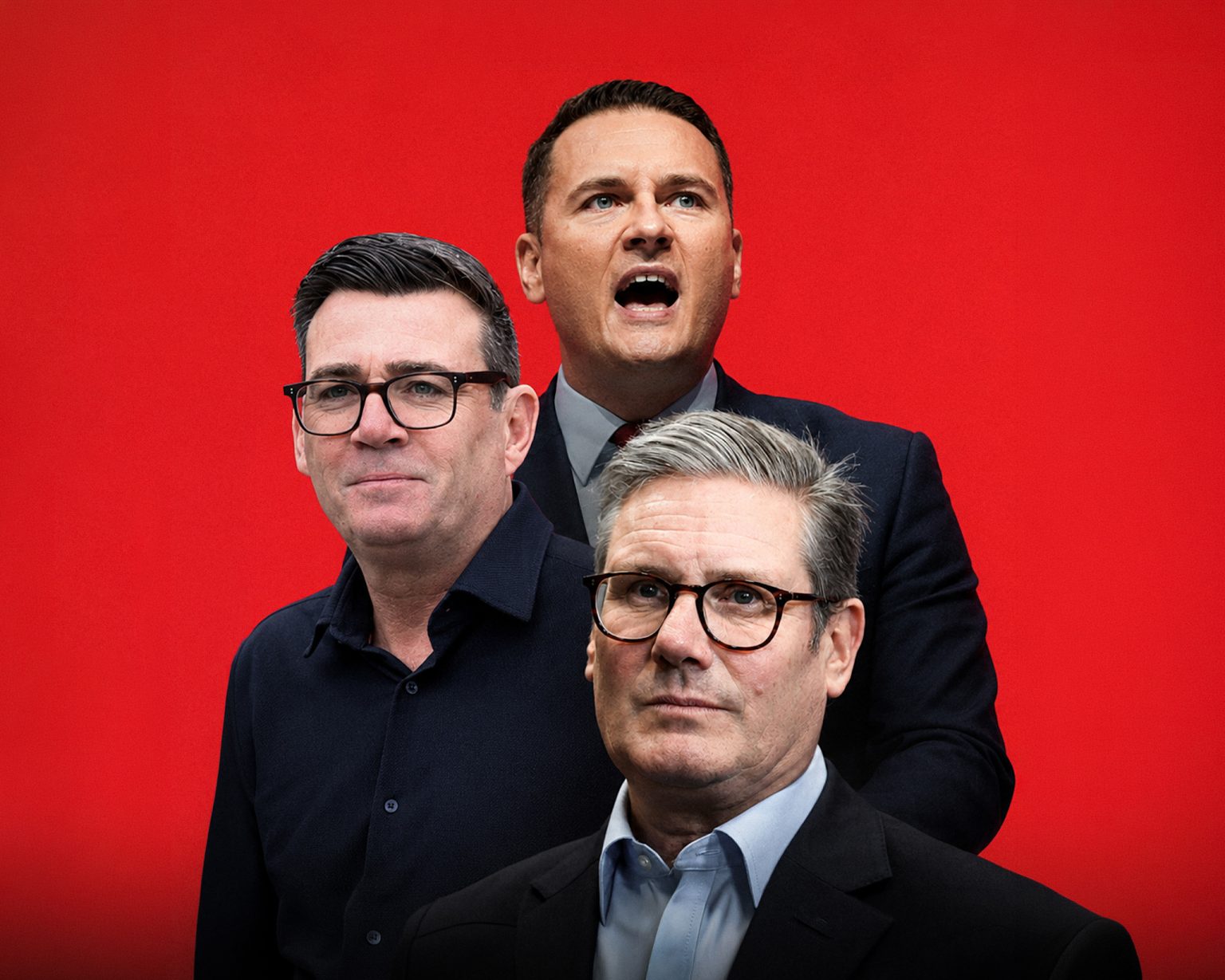
Keir Starmer, Andy Burnham and Wes Streeting. Photo: Statement/Getty Images/AI
|
Prime Minister Keir Starmer remains in Downing Street for now, but his Labour party is already thinking about the future. Catastrophic local election results, declining enthusiasm among activists and the rapid rise of Reform UK have triggered increasingly loud conversations about replacing him.
Two younger politicians stand at the centre of that discussion: Andy Burnham and Wes Streeting.
They represent different generations, different political instincts and different visions of what Labour should be after Brexit. Burnham has built his reputation outside Westminster as the mayor of Greater Manchester, presenting himself as a defender of England’s neglected regions. Streeting has emerged from a London council estate as a polished modernizer, metropolitan and liberal.
Their rivalry is becoming a debate about the direction of British center-left politics itself.
Burnham’s Appeal Beyond Westminster
Burnham’s greatest advantage is that he does not look or sound like a conventional Westminster politician. After leaving Parliament and becoming mayor, he successfully reinvented himself as a regional leader focused on practical issues such as transport and housing.
That distance from Westminster may now become his strongest political asset.
At a time when voters increasingly distrust the political class, Burnham can argue that he spent years governing outside the bubble of London politics. He can point to real improvements in Manchester, such as the Bee Network, which has made public transport in Manchester much better.
His expected attempt to enter the Commons again through the Makerfield by-election is therefore being treated as more than a local contest. Inside Labour it is widely viewed as the first step toward a future leadership campaign.
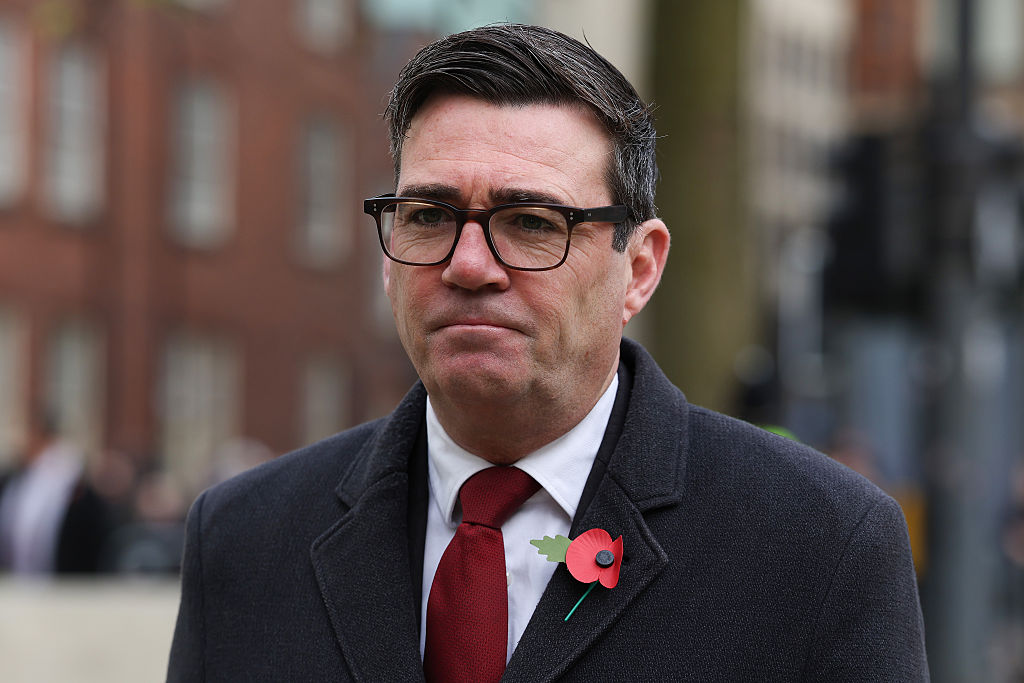
Andy Burnham is one of the Labour hopefuls to take over from Keir Starmer. Photo: Ryan Jenkinson/Getty Images
Burnham’s political positioning has also become more careful in recent months. Although personally pro-European, he has ruled out any attempt to rejoin the EU. That stance reflects the reality of northern England, where Brexit still carries emotional and cultural importance even among some voters disappointed by the lack of economic improvement.
For Burnham, the priority is rebuilding Labour’s credibility in former industrial communities where Reform UK is gaining ground. He believes Labour lost touch with those voters long before Starmer entered Downing Street.
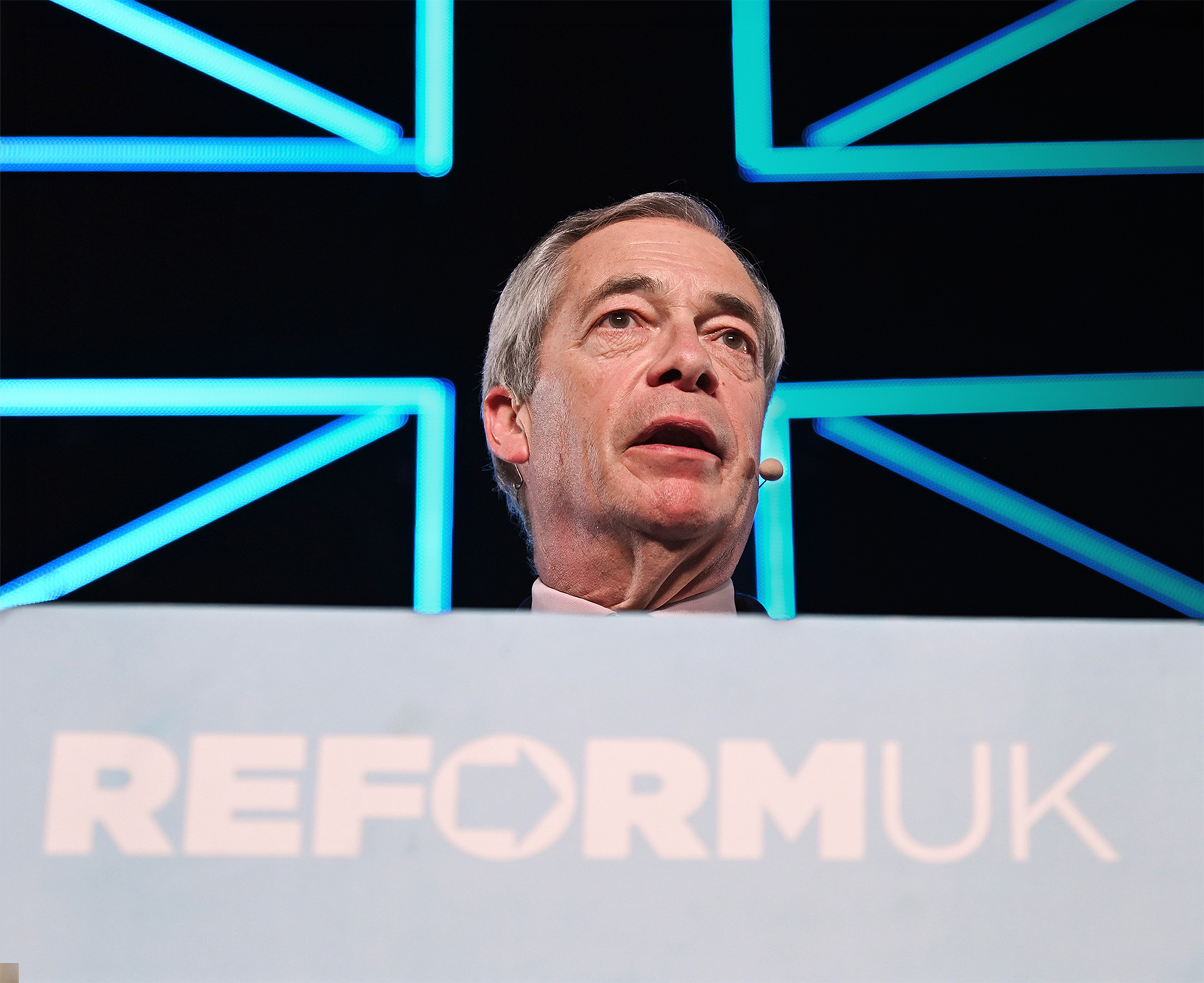
That strategy could make him highly attractive to Labour MPs worried about Reform’s advance. Nigel Farage’s party is no longer simply hurting the Conservatives. It is threatening Labour in parts of the North and Midlands that once seemed politically unshakeable.
But Burnham also carries political baggage.
Reform intends to attack him heavily over his failure to tackle grooming gangs in Greater Manchester. Critics claim investigations launched while he was mayor failed to expose the full extent of institutional failures. Although he was praised for commissioning a series of reports into the issue, the authors later quit after police blocked their access to vital information. Burnham failed to back them.
Even if those attacks do not seriously damage Burnham inside Labour, they could weaken his ability to present himself as a unifying national figure.
Questions also remain about whether success as a regional mayor automatically translates into national leadership. Running Greater Manchester is not the same as managing a divided parliamentary party or operating on the international stage.
In particular, he has struggled to lay out what he would do differently. Suggestions that he might nationalize some key utilities have been walked back. Instead he has agreed to maintain the existing fiscal rules. That would leave him very little room for manoeuvre.
Although he could reverse course on that and on the possibility of rejoining the EU if he became leader, that would also mark him out as another politician willing to deceive the voters if it delivers power.
Streeting’s Different Vision
Wes Streeting offers Labour something different.
Unlike Burnham, Streeting is entirely a product of Westminster politics. Born on a rough London council estate, he has fully transcended his origins. He is media-confident, ideologically sharper and more openly confrontational about the direction Britain should take after Brexit.
His support for eventually returning Britain to the European Union marked an important dividing line inside Labour. While senior figures still treat Brexit cautiously in public, Streeting appears willing to argue that leaving the EU was fundamentally a strategic mistake.
That message resonates strongly with many younger Labour members and urban voters who increasingly see Brexit as a symbol of national decline rather than sovereignty. It also had the advantage of forcing his potential rival Burnham to commit to respecting Brexit. That may help him win his seat but it could also lose him a leadership election. Many see forcing that issue into the debate as a sign of Streeting’s political cunning.
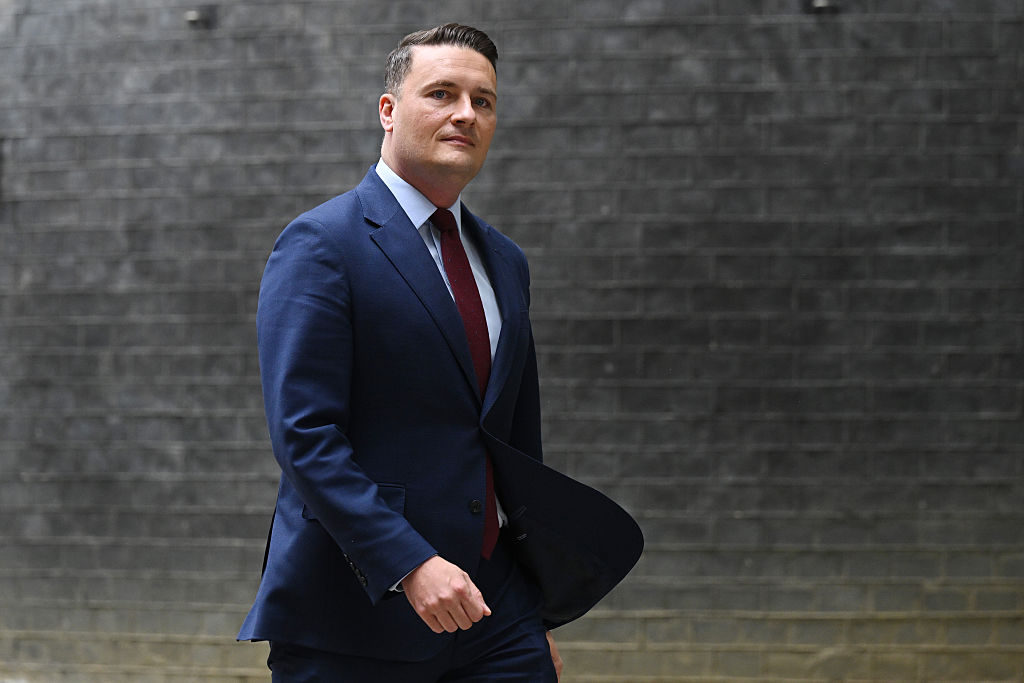
Wes Streeting leaves 10 Downing Street following a meeting with Prime Minister Keir Starmer on May 13, 2026 in London, England. Photo: Leon Neal/Getty Images
His allies believe the political landscape is changing beneath Labour’s feet. They argue that the party’s long-term future depends less on winning back culturally conservative Brexit voters and more on consolidating support among graduates, younger professionals and socially liberal suburban constituencies.
In that sense, Streeting is attempting to position himself as the leader of a modern European center-left movement rather than a traditional working-class party.
He also benefits from being seen a more intellectually serious inside Westminster. Even political opponents often describe him as disciplined, articulate and strategically focused. Compared with Burnham, he appears more comfortable navigating the machinery of national government.
Yet Streeting’s strengths are also weaknesses.
His politics fit naturally within metropolitan Labour circles but may struggle outside them. Reform UK is already portraying him as evidence that Labour intends to reverse Brexit entirely. That message could become highly effective in constituencies where cultural identity matters more than economic statistics.
It is also a risk in his own constituency. Opinion polls show that if a general election was held tomorrow he would lose his seat to a pro-Gaza independent. The diverse urban voter base he hopes to attract may instead reject him.
Streeting also risks appearing too ambitious. Some Labour figures privately believe he began positioning himself for the leadership too early, creating suspicion among colleagues who see him as calculating rather than authentic. Others think that he made his move against Starmer too late. He delayed too long between briefing against Starmer and resigning, allowing Starmer and his allies to organize support and prevent an immediate toppling.
Where Burnham projects emotional connection and regional identity, Streeting projects ideological clarity and managerial confidence.
The emerging struggle between Burnham and Streeting matters because it will decide how the United Kingdom is run for the next few years. A general election is not due until 2029, and with opinion polls looking bad for Labour, there is little incentive for them to call one earlier. That means that whoever wins the leadership contest will have several years to implement their vision.
Burnham believes Labour must reconnect with voters who feel culturally alienated from modern progressive politics. His approach focuses on patriotism, regional inequality and economic intervention. Yet he has struggled to show how that would materially differ from Labour under Starmer. If he offers only an aesthetic difference, he will quickly find himself as unpopular as Starmer.
Streeting believes Labour should stop hesitating and openly embrace liberal internationalism and closer European integration. That may provide a brief economic boost, which is especially important as Labour prefer redistributive policies but have no fiscal headroom left. However, it will also further alienate their traditional voters and reopen a deep political conflict.
Both options carry serious risks, but the most serious is failing to deliver the radical change the country needs.
Although political commentators have criticized the increasingly rapid falls of prime ministers over the last few years, with four in the last seven years, this is a reflection of the failure of the political class to tackle the issues that matter to voters: immigration and the cost of living. Starmer is only the latest such politician to suffer this fate.
Whether Burnham or Streeting emerge victorious, the last laugh will belong to Starmer if those who overthrew him end up falling at the same hurdles.
Welcome to the comments section of the Štandard daily. Please take note of our guidelines, comments are moderated by us. You can contact the moderators at support@statement.com.
Participate in the discussion
Comments are available to subscribers only. If you'd like to join the discussion, choose a subscription starting at €6.72 per month.
All comments 0
Register
Comments are available to registered users only. If you'd like to join the discussion, register here.