There is, however, one reliable way out of the depths of unpopularity, or so PR advisers seem to whisper to these tottering figures: lash out at the US and Israel. That can indeed mobilize negative energies among voters at any time, perhaps a little more easily in Germany than elsewhere.
The trouble is that the maneuver does not help worn-out and hopelessly unpopular leaders in the slightest. Yet they keep reaching for the same method.
Attacking Abroad, Failing at Home
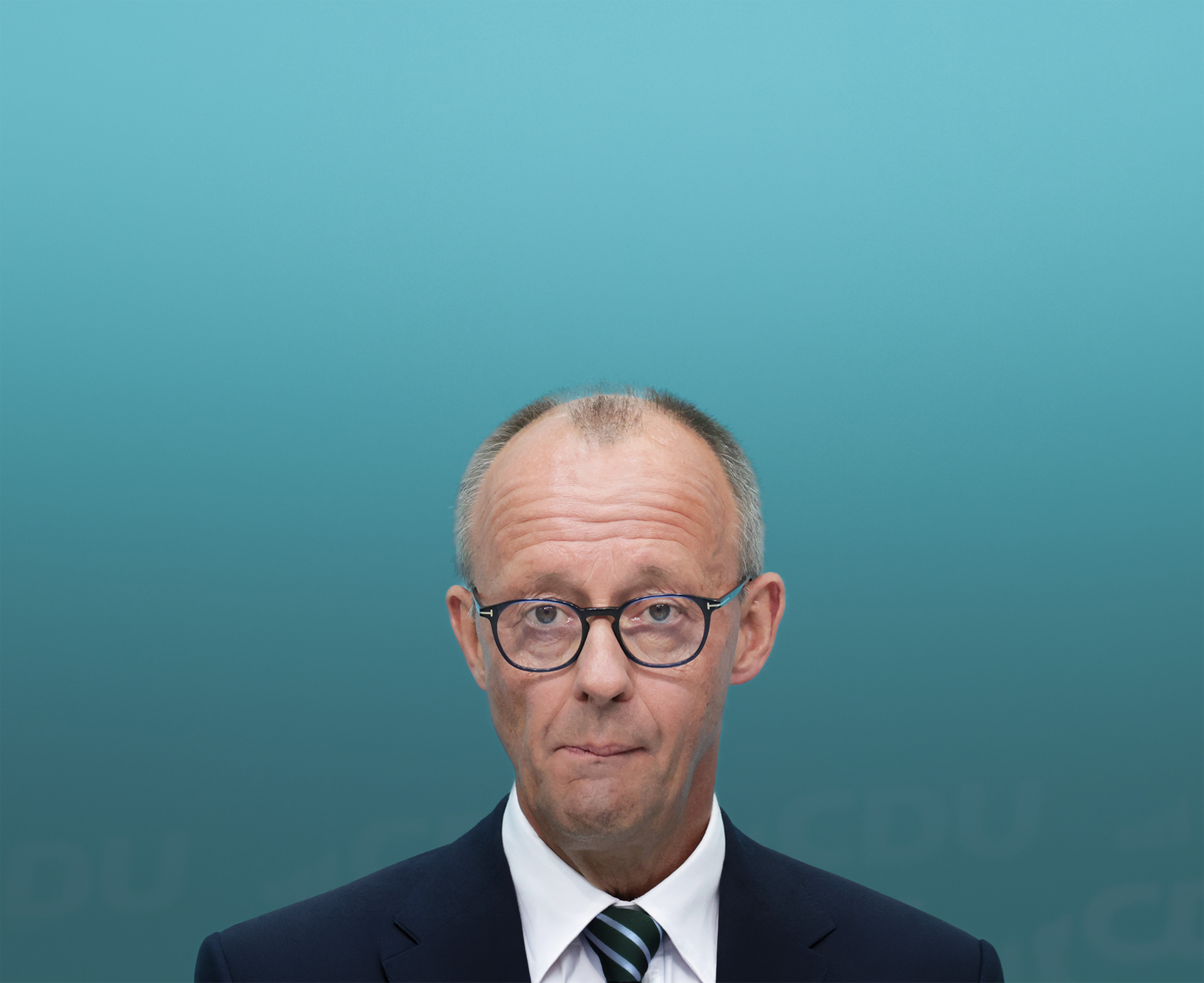
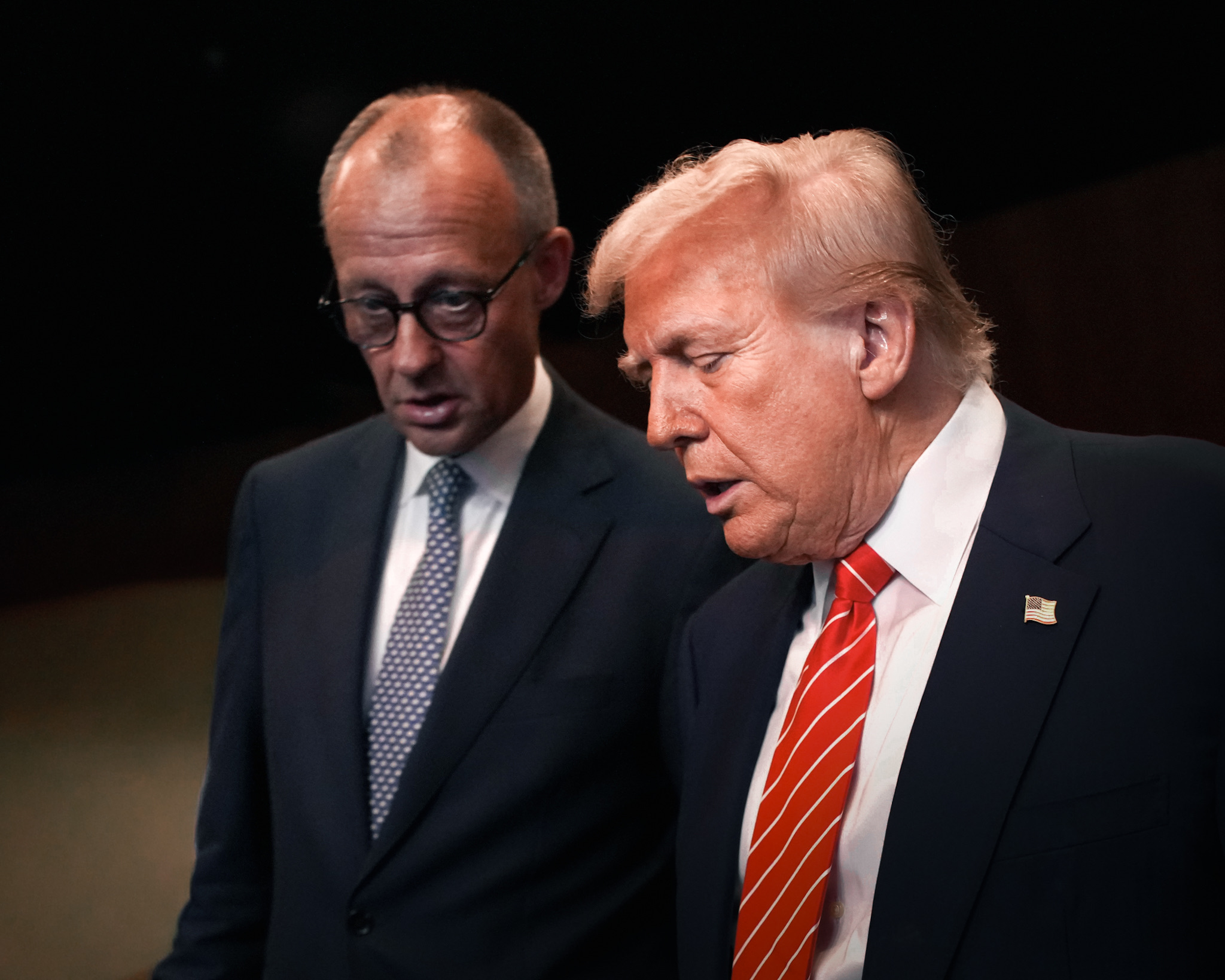
Merz recently managed twice in quick succession to attack Washington and its president without any external prompting. During an appearance before school pupils, he said Iran was “humiliating” the United States in the negotiations.
The conflict with Iran and the talks do indeed appear to be proceeding differently from Donald Trump’s calculations, namely more slowly than expected. Yet Iran is losing export revenues worth hundreds of millions every day because of US pressure.
In that situation, Merz handed the regime in Tehran a highly welcome propaganda gift on the one hand, while sacrificing his previously good relations with the administration in Washington for a throwaway soundbite on the other.
Speaking to an audience at a Catholic convention a few days later, he then went out of his way to add that he would advise his children against going to the US because of the “social climate” there.
What Is There to Gain Strategically?
What he loses in contacts and influence with the major partner is obvious. The crucial question is what he gains on the other side, among his own citizens. The short answer is nothing.
The same applies to his colleagues who seek salvation in political attacks across borders. Starmer recently declared that he was “fed up with him”, referring to Trump. That very obviously does nothing to change the fact that voters and party colleagues are primarily fed up with the prime minister. A large demonstration against his policies recently gathered in London. His own people are calling on him to resign, and his power is disintegrating in full public view.
In France, Macron’s rhetoric against Israel and his eager support for the recognition of a Palestinian state have done just as little to help him recover his footing.
Yet no one in Europe attacks both Trump’s US and Israel as fiercely as the Spanish government. Sánchez and his coalition partners would dearly like to see Israel’s head of government arrested. The prime minister, meanwhile, brusquely rejects Trump’s demands for greater European defense efforts. Even so, his Socialist Party suffered a crushing defeat in the Andalusian elections last weekend.
The phenomenon can be reduced to a simple formula: it’s the domestic politics, stupid.
The British are preoccupied with Starmer’s scandals, Peter Mandelson among them, but still more with the country’s poor economic situation. In Spain, many voters are losing patience with the left-wing coalition’s migration policy.
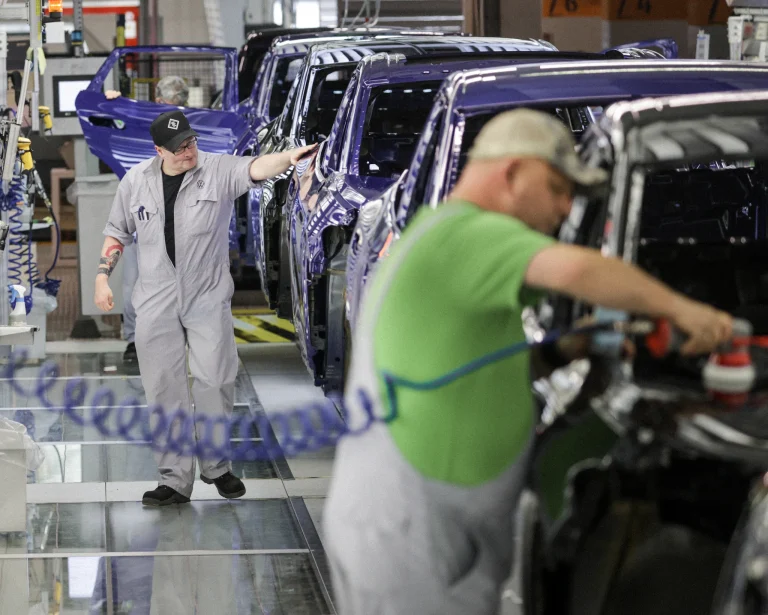
In Germany, the economic and migration crises overshadow everything else. A few days ago, the Federal Statistical Office published a devastating balance sheet of the country’s special path in energy and economic policy: from 2022 to March 2026, production in energy-intensive industry fell by 15.2%, while industrial production as a whole declined by 9.2%.
Rhetoric against the US and Israel certainly wins approval in all the countries mentioned among a sizeable share of the electorate. But that does not come close to producing approval, let alone electoral success, for those who trumpet it.
Even those who dislike Trump do not find Friedrich Merz’s policies one bit better when he speaks disparagingly about the United States and its leader. Many in France may like Macron’s eager readiness to reward Hamas with state recognition. But that hardly means they will vote for his party. They are more likely to vote for Jean-Luc Mélenchon’s Islamo-leftists in La France Insoumise, the alliance of the far left and Islamists.
That, incidentally, is the problem facing all governments that try to extract a last-minute benefit from hostility to the US and Israel: radical parties everywhere are far better at rhetorical blows of that kind.
Under the Warm Sun of Foreign Policy
So why do top politicians fixate on loud commentary about other countries - and all the more so the worse things are going for them at home? The answer is simple: they quickly discover foreign policy as a balm for their wounds.
When they travel abroad, they are received with respect, even in the US and Israel. When they speak before foreign parliaments, everyone applauds politely. In short, they enjoy more pleasant moments in foreign capitals than they do at home.
And shaking a fist at Trump from a safe distance comes much more easily to Friedrich Merz than resisting the new tax-rise proposals from his left-wing SPD partners at home. Prime ministers and presidents therefore notoriously overestimate the importance of foreign policy, including moral lectures to other states.
Many journalists who enjoy traveling on government aircraft also fall victim to the same professional deformation.
Economy, Tax and Domestic Security
The question is not really whether a European leader sides with or against Israel and the US. It is whether a focus on foreign policy is what his voters care about.
Hungary offers the clearest counterexample to France, England or Spain. The fact that US Vice-President JD Vance flew in a few days before Hungary’s parliamentary election to lend support did not bring Viktor Orban a single additional vote.
Elections and popularity are decided by whether politicians deal successfully or unsuccessfully with the bread-and-butter issues in their own countries: the economy, taxes, domestic security and infrastructure.
Germany, Britain and France are also confirming a basic rule: once voters’ respect has been lost, nothing brings it back. Citizens see attacks on supposedly shared enemies as an act of desperation, and rightly so.
The fate of Merz, Starmer and others will be decided in domestic politics and nowhere else, even if they denounce Trump three times a day and lecture Israel 10 times. Struggling leaders nevertheless take in the useless applause they receive for it like a starving addict clutching the fix he has been craving. It does not help them. But they still cannot keep their hands off it.