
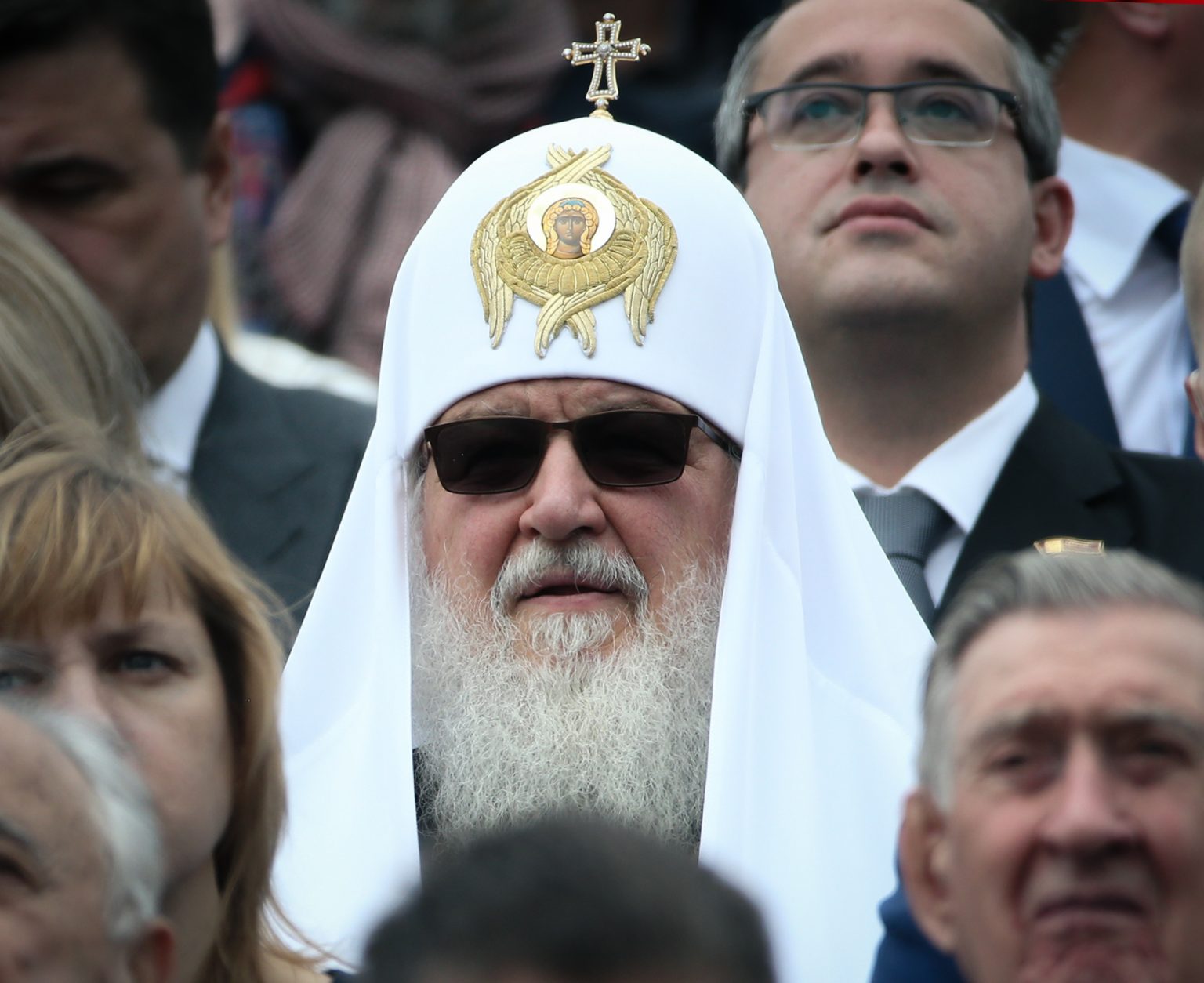
Russian Orthodox Patriarch Kirill has drawn fresh scrutiny after a homily in which he appeared to question the bodily return of Jesus Christ at the end of time, a central Christian teaching.
The remarks were made during the Holy Liturgy on 21 May, when Orthodox Christians celebrated the Ascension of Christ. The feast is traditionally observed 40 days after Easter and is linked to the belief that the risen Christ ascended into heaven in bodily form.
According to video footage circulated by Deacon Andrei Kuraev and shared by the Russian theological Telegram channel Orthozombies, Kirill said the Savior of the world would come “without any flesh”. Critics argued that the formulation contradicted the Christian belief in the resurrection of the body and Christ’s return in glory.
A Sermon Under Scrutiny
It is not the first time Kirill, born Vladimir Gundyaev, has faced criticism over statements from the pulpit. In early April, he congratulated the faithful on the Feast of the Epiphany during a Maundy Thursday sermon, even though Epiphany falls on 6 January in the Gregorian calendar.
The Russian outlet Meduza reported that Kirill spoke for several minutes about Epiphany before apparently correcting himself after looking at an open book. The official version of the sermon published by the Moscow Patriarchate was later edited.
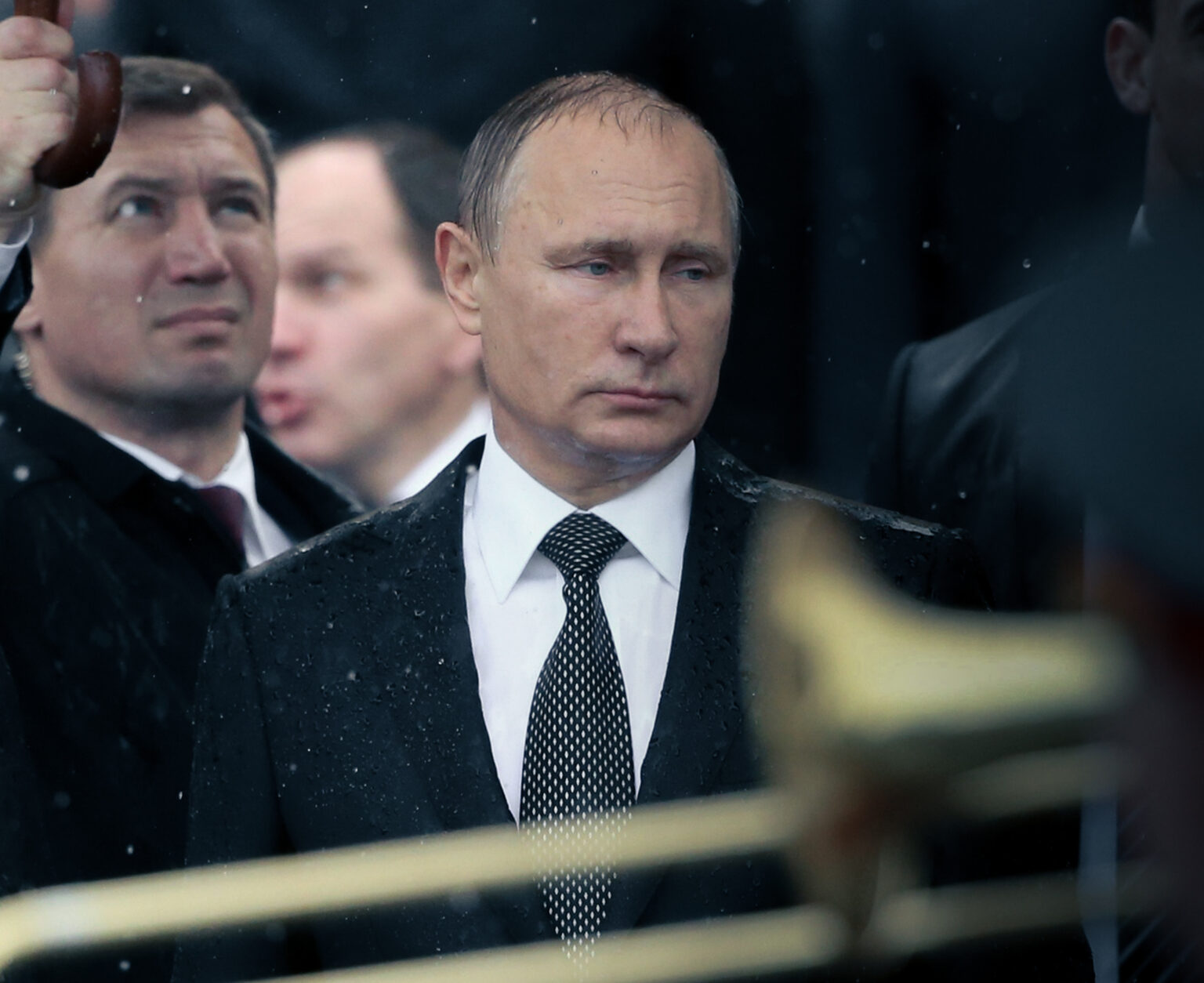
Orthozombies, the Telegram channel that shared the recording, is run by journalist Kseniya Lutsenko, who has previously raised questions about the patriarch’s ability to remain precise in public remarks. Kirill’s open loyalty to Russian President Vladimir Putin has also intensified scrutiny of his public statements.
Kuraev also pointed to a Palm Sunday address in which the patriarch repeatedly referred to “our Orthodox president”, while Christ was not mentioned. The remark was widely read by critics as another sign of the patriarch’s fusion of ecclesiastical language with political loyalty.
Kirill and Putin also share a Soviet past. While Putin’s work for the KGB in East Germany is well known, the Telegraph reported in 2023 that declassified Swiss documents identified Kirill as a KGB operative during his time as the Moscow Patriarchate’s representative at the World Council of Churches in Geneva in the 1970s.
Other political controversies have added to the pressure. In late March 2024, the World Russian People’s Council, chaired by Kirill, adopted a document describing Russia’s campaign in Ukraine as a “holy war” in defense of Orthodoxy.
Theological Stakes
The Ascension sermon has drawn particular attention because critics say it touches not merely on politics, but on doctrine. The Apostles’ Creed professes belief “in the resurrection of the body”, while the Nicene Creed, central to Orthodox worship, affirms the resurrection of the dead and the life of the world to come.
The bodily resurrection and ascension of Christ are central to apostolic Christianity. The tradition holds that Christ did not merely appear spiritually after the Resurrection, but remained incarnate and ascended into heaven in his glorified body.
Throughout Christian history, teachings that weakened or denied the reality of Christ’s body have often been associated with Gnostic currents, which tended to view matter as inferior to spirit. In many Gnostic systems, the material world was attributed to a lesser creator and seen as alienated from the true God.
Related currents later influenced heresies such as Marcionism, Bogomilism and the Cathar movement in southern France. The Albigensian controversy became one of the major theological conflicts of the Middle Ages and shaped the Catholic Church’s emphasis on the incarnation, passion, resurrection and ascension of Christ.
The allegation against Kirill is therefore serious. If his words are understood as denying the bodily return of Christ, critics argue, they would place him at odds with the faith he is entrusted to defend.
Russkii Mir and the Charge of Ethnophyletism
A separate doctrinal dispute has surrounded Kirill’s vision of the “Russian World”, or Russkii Mir. Orthodox theologians have condemned the doctrine as a form of ethnophyletism, the fusion of church identity with ethnicity, nation and state.
Ethnophyletism was condemned by an Orthodox council in Constantinople in 1872. The council rejected the idea that church structures should be organized primarily along national or ethnic lines rather than according to the Church’s universal mission.
Orthodox theologians themselves acknowledge that the problem has persisted, particularly in the diaspora. Russians, Ukrainians, Serbs and Bulgarians living in the West often continue to belong to churches defined by national identity, even where those churches share the same Orthodox doctrine.
In a 2022 declaration published by Public Orthodoxy, Orthodox theologians denounced Russkii Mir as a “false teaching” rooted in ethno-phyletist religious fundamentalism. They argued that Putin and Kirill had used the ideology as a principal justification for Russia’s invasion of Ukraine.
The authors of Heresy to Patriarch Kirill also recall the warning of the Serbian theologian St Justin Popovic against “Slavophilia” as a new manifestation of ethnophyletism. Slavophilia, in that sense, does not merely praise Slavic culture. It turns the idea of Slavic civilizational superiority into a theological claim.
“Slavophilism has no value in itself, only as a vessel for Orthodoxy”, Popovic wrote of Metropolitan Anthony, the first hierarch of the Russian Orthodox Church Outside Russia. Anthony was a sharp critic of phyletism, a heresy that Silouan Wright and Panagiotis Makris argue still survives today through church leaders such as Patriarch Kirill.
The latest controversy over Christ’s bodily return may now increase pressure on senior Orthodox figures, including Ecumenical Patriarch Bartholomew of Constantinople, to respond. The dispute over Russkii Mir had already placed Kirill’s theology under critical examination after Russia’s full-scale invasion of Ukraine in 2022. If his words are confirmed as a departure from apostolic teaching on Christ’s return, they would pose a still deeper problem for doctrinal unity within the Orthodox Churches.