
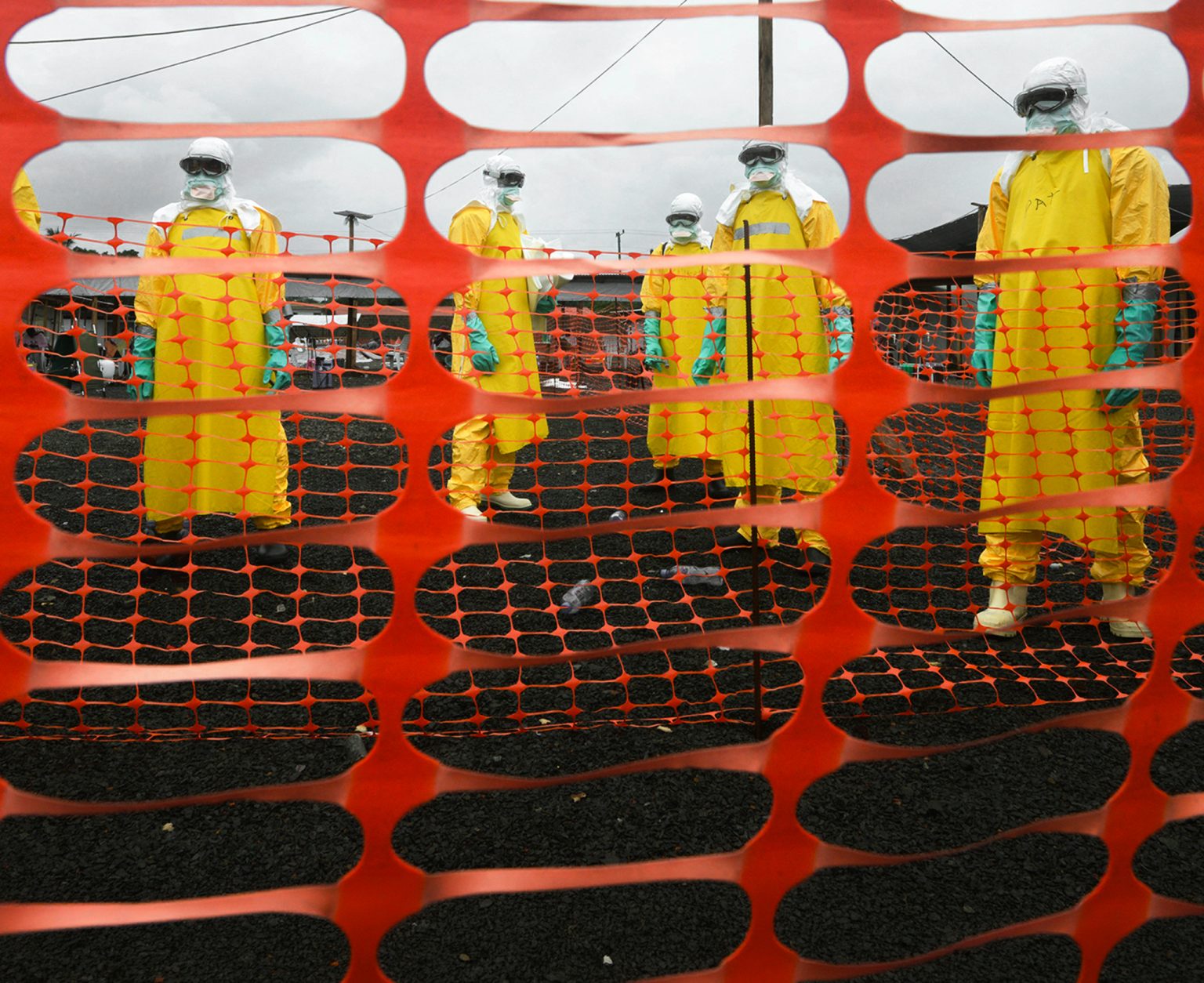
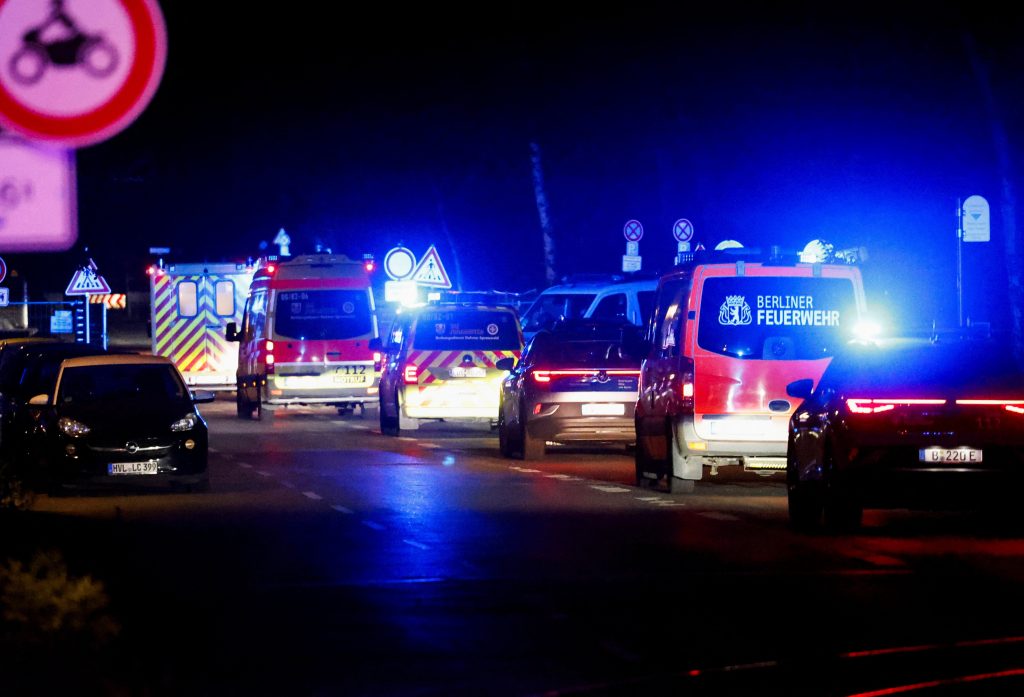
The Ebola virus has reached Europe after an American doctor who contracted the disease while working in the eastern Congolese province of Ituri was hospitalized at Berlin’s Charité Hospital.
The 39-year-old patient was not reported to be in critical condition but was severely weakened and remained in isolation in a specialized infectious diseases ward, doctors said.
Other European countries have also introduced precautionary measures in response to the ongoing Ebola outbreak in the Democratic Republic of the Congo and neighboring Uganda. According to local media reports, a man considered at high risk of infection has been transported to the Czech Republic.
He was moved in a sealed biobox inside a specially equipped ambulance before being admitted to a negative-pressure isolation room at Prague’s Bulovka University Hospital.
Paramedics used full protective equipment during the transfer and all materials that came into contact with the patient were later disposed of.
What Is Ebola?
Ebola is a severe viral disease caused by the Ebola virus and is associated with a high mortality rate.
The disease occurs primarily in sub-Saharan Africa. Most reported cases have been recorded in the Democratic Republic of the Congo, Gabon, the Republic of the Congo, Sudan, Uganda, Guinea, Liberia and Sierra Leone.
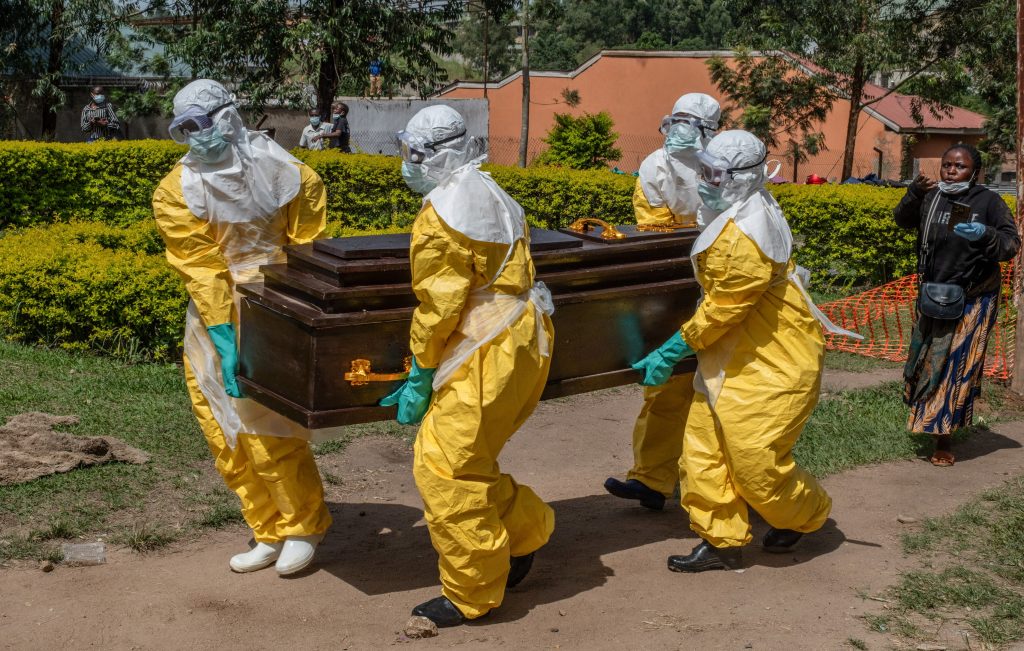
Unlike respiratory viruses, Ebola does not spread easily through the air. Transmission occurs through direct contact with the blood or bodily fluids of an infected or deceased person, including saliva, urine, feces and vomit, as well as through contact with contaminated surfaces or materials.
The virus can also be transmitted through unprotected sexual contact with recovered patients, even several weeks after recovery.
Infection may additionally occur through contact with infected animals, whether alive or dead, including through the preparation or consumption of bushmeat such as monkeys, great apes, forest antelopes and bats.
The current outbreak has been linked to the Bundibugyo virus strain, which carries a lower fatality rate of approximately 25%–50% compared with the Ebola strains previously identified in Zaire and Sudan.
On 25 May, World Health Organization (WHO) Director-General Tedros Adhanom Ghebreyesus said the outbreak in DR Congo was much larger than confirmed figures showed, with more than 900 suspected cases and 220 suspected deaths.
Under the Virologist’s Microscope
According to virologist Boris Klempa, the first symptoms of Ebola are not very different from common viral diseases and are highly non-specific.
“They include symptoms such as fever, significant fatigue, muscle, head and throat pain. In the initial phase, Ebola can therefore look like flu or is often confused with malaria, for example. Only later do vomiting, diarrhea, abdominal pain, clotting disorders and, in severe cases, bleeding symptoms often appear”, the expert told Statement, adding that the incubation period is typically two to 21 days, most often around eight to 10 days.

Experts can now identify a suspect patient relatively quickly, within two hours, using a PCR test. But in African conditions, in a country with civil unrest and a dysfunctional health system, he said, instituting isolation and preventive measures can be very difficult and may come too late.
The spread of the disease can be prevented by isolating patients and quarantining identified contacts. That approach was used in the latest well-publicized case, when both the doctor and his closest relatives were kept apart from others.
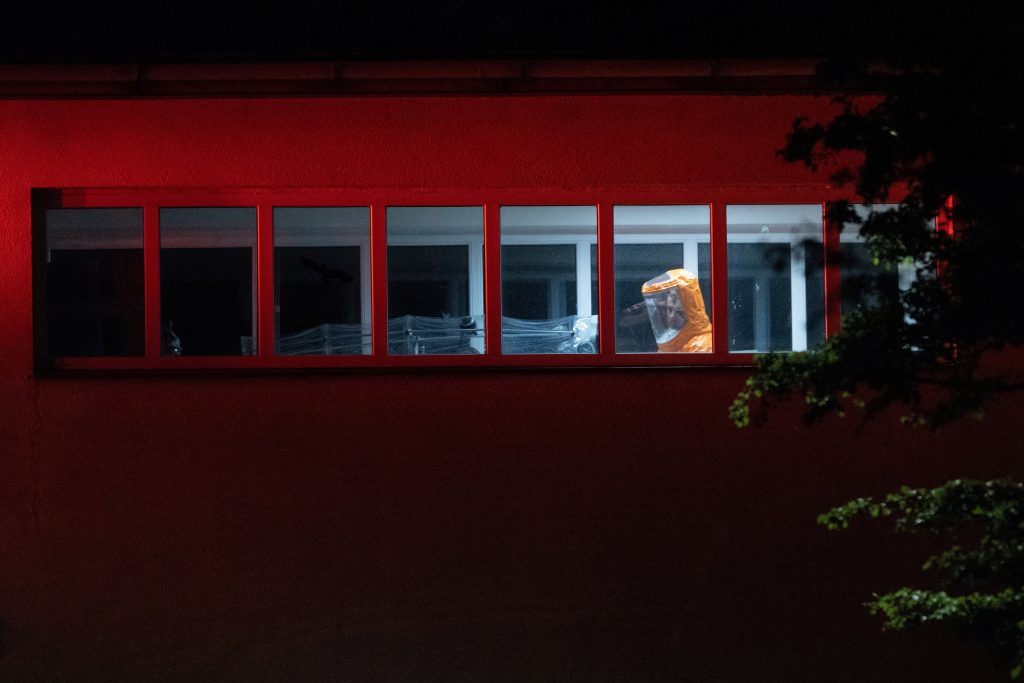
Klempa has not yet had the opportunity to work personally with the Ebola virus in the laboratory. “Research on it is limited to a relatively small number of sites that have laboratories with the highest level of protection, the so-called biosafety level 4 (BSL4). We work at BSL3 level, for example, with hantaviruses, which have recently attracted a lot of international attention because of the cruise ship deaths”, the scientist said.
He said there was a natural sense of fear when working with such dangerous pathogens, but it could be minimized by following strict safety procedures. “It is more about respect than paralyzing fear.”

What is fascinating about the Ebola virus, he said, is that once it enters the body, it infects immune cells directly, allowing it to reach the lymph nodes and then the bloodstream.
“Paradoxically, it is not the virus that kills people directly, but rather the massive inflammatory reaction of our immune system and a broader disruption of the body’s balance.”
Is Europe at Risk?
The virologist said high mobility and air travel made it possible for the virus to be introduced into Europe. There was always a risk, especially through a person who was still in the incubation period and therefore not visibly ill at the time of travel.
It was therefore important, he stressed, that such a person be identified and isolated in good time, and that no further person-to-person spread occur within Europe.
He said the Ebola virus deserved respect and that preparedness was essential.
Klempa concluded that there was no need to fear Ebola as if it were a new pandemic virus. Imported cases were possible, but community spread remained an extremely unlikely scenario.