
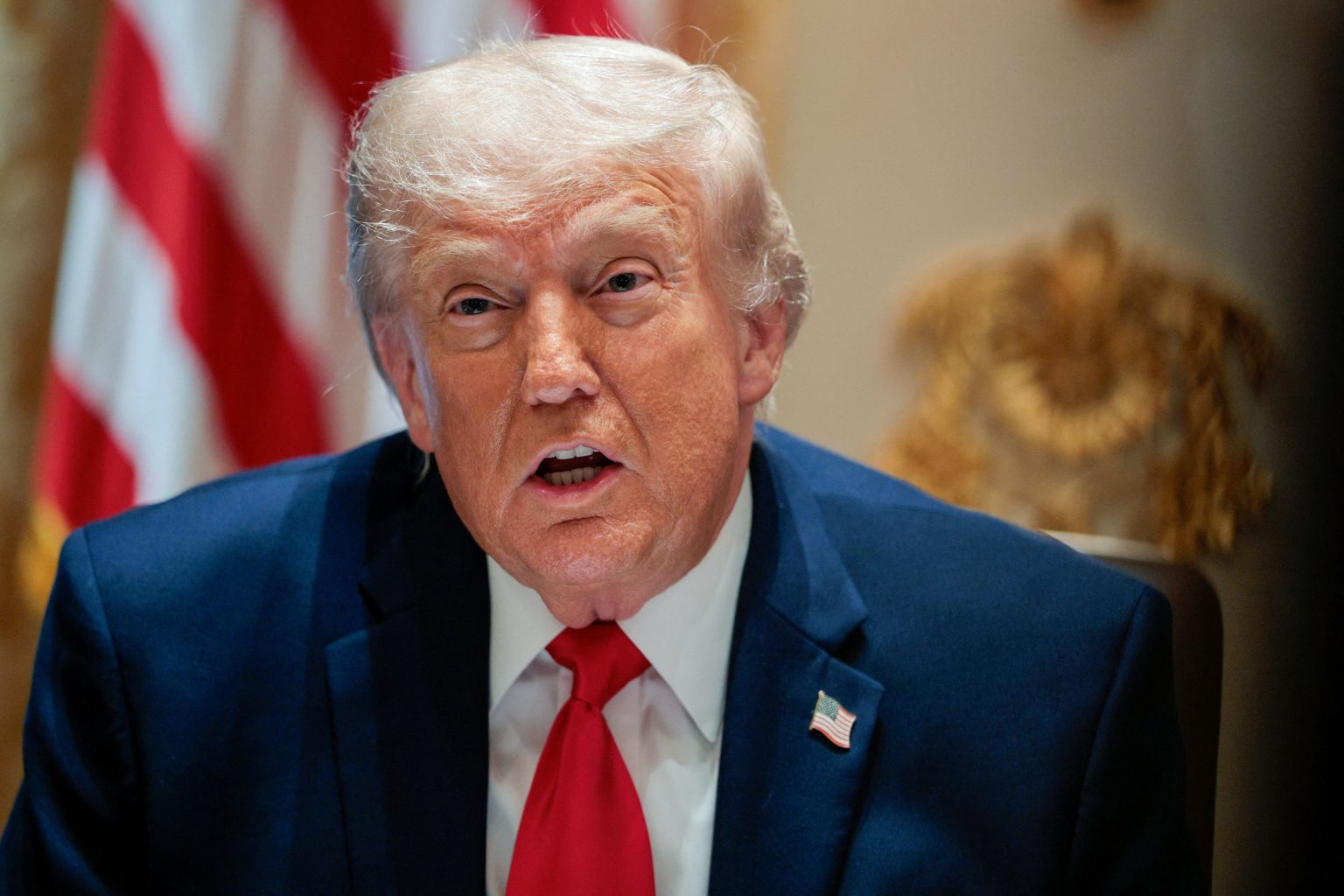
The US President announced on Friday that he would make a final determination on a deal with Iran to extend the current ceasefire and reopen the Strait of Hormuz to shipping. The conflict, which has claimed thousands of lives and severely disrupted the global economy, has lasted several months.
Trump made clear in a social media post that Iran's renunciation of its nuclear program was a non-negotiable condition of any agreement.
Among Trump's conditions is the immediate, unrestricted opening of the Strait of Hormuz and the removal of mines from the waterway. The president said his decision would follow a meeting in the White House Situation Room.
Sources close to the talks say the draft memorandum would extend the ceasefire by 60 days, during which negotiations on sensitive issues, including Iran's nuclear program, would continue.
Tehran Contradicts Washington on Key Points
Iran's chief negotiator, Mohammad Bagher Qalibaf, struck a skeptical note in response to Trump's announcement, saying Tehran places no faith in promises or guarantees and looks only to concrete actions by the other side.
A senior Iranian source told Reuters that while a political understanding between Washington and Tehran was already in place, a final agreement had not been reached. The same source dismissed Trump's claim that the United States would take control of Iran's enriched uranium stockpiles, saying the draft memorandum contains no such provisions.
Iran's Fars news agency dismissed Trump's remarks as a mixture of truth and falsehood designed to project a "fabricated victory". Beyond the immediate dispute over the memorandum, Tehran is demanding the lifting of sanctions, the withdrawal of US forces from the region and an end to Israel's military operation in Lebanon.
Writing on X, Qalibaf said Tehran would take no steps until the other side moved first, and dismissed the value of negotiations outright, arguing that Iran wins concessions through military force rather than diplomacy.
Tehran is further demanding a cessation of hostilities between Israel and Hezbollah, the Lebanese militant group it supports, as a condition of any agreement. A formal ceasefire is nominally in place on the Israeli-Lebanese border, but tensions remain.
The Ripple Effects Across the Region
The war, which the United States and Israel launched on 28 February, has reportedly caused thousands of casualties, concentrated largely in Iran and Lebanon. The closure of the Strait of Hormuz, through which around a fifth of global oil and gas supplies flowed before the conflict, has pushed energy prices sharply higher and weighed heavily on the world economy.
Friday's prospect of a deal offered immediate relief to financial markets, with oil prices falling and stocks rallying across major exchanges.
The diplomatic effort is broadening. Pakistan has continued to play a mediating role, while Kazakhstan has indicated it is prepared to take custody of Iran's stockpile of uranium enriched to near weapons-grade levels if Washington and Tehran reach a comprehensive agreement.
(reuters, mja)