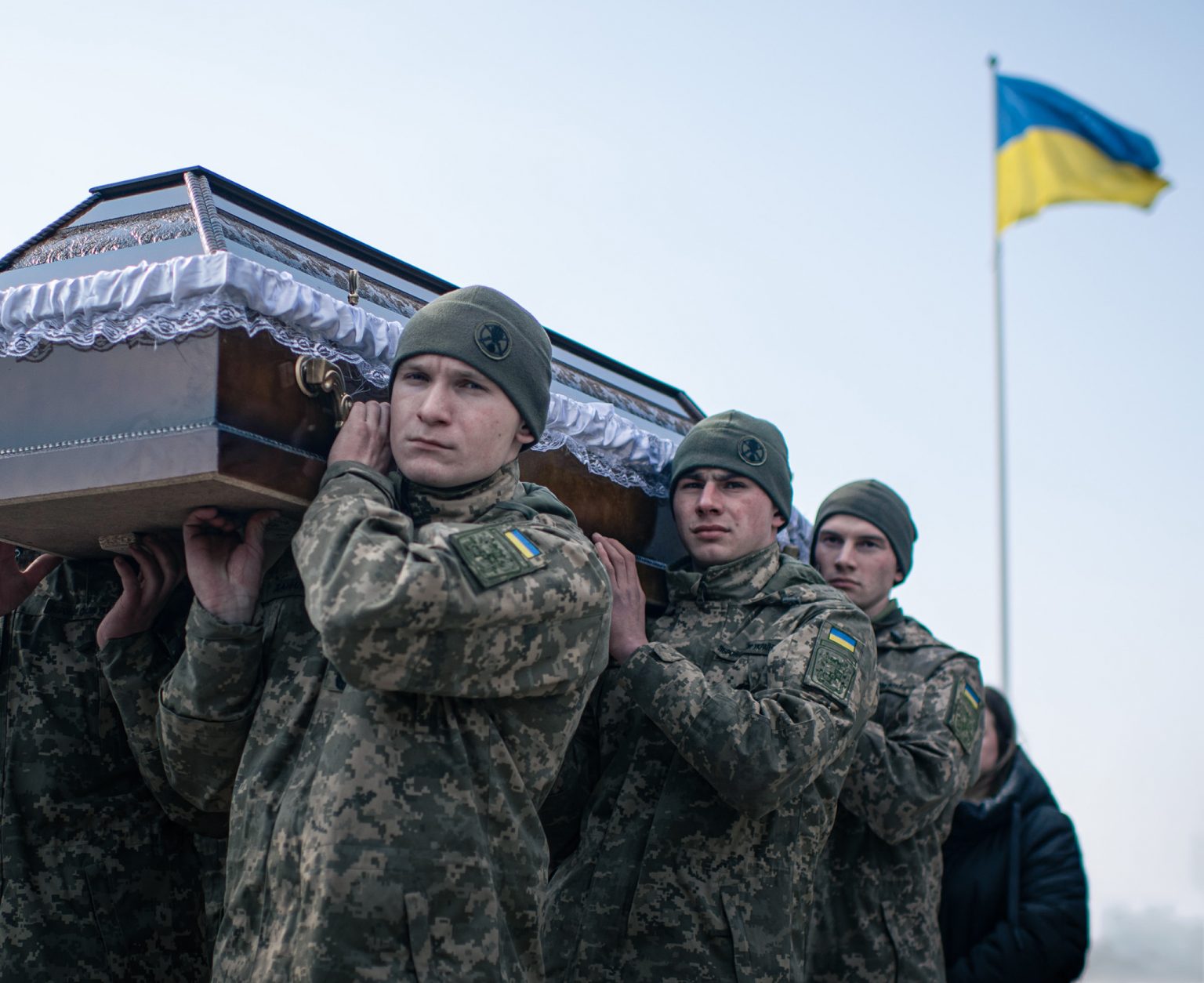
A new dispute has erupted between Poland and Ukraine over the legacy of the Ukrainian Insurgent Army (UPA), a nationalist force that many Ukrainians regard as a symbol of resistance to Soviet rule, but which Poles associate above all with the wartime massacre of tens of thousands of ethnic Poles.
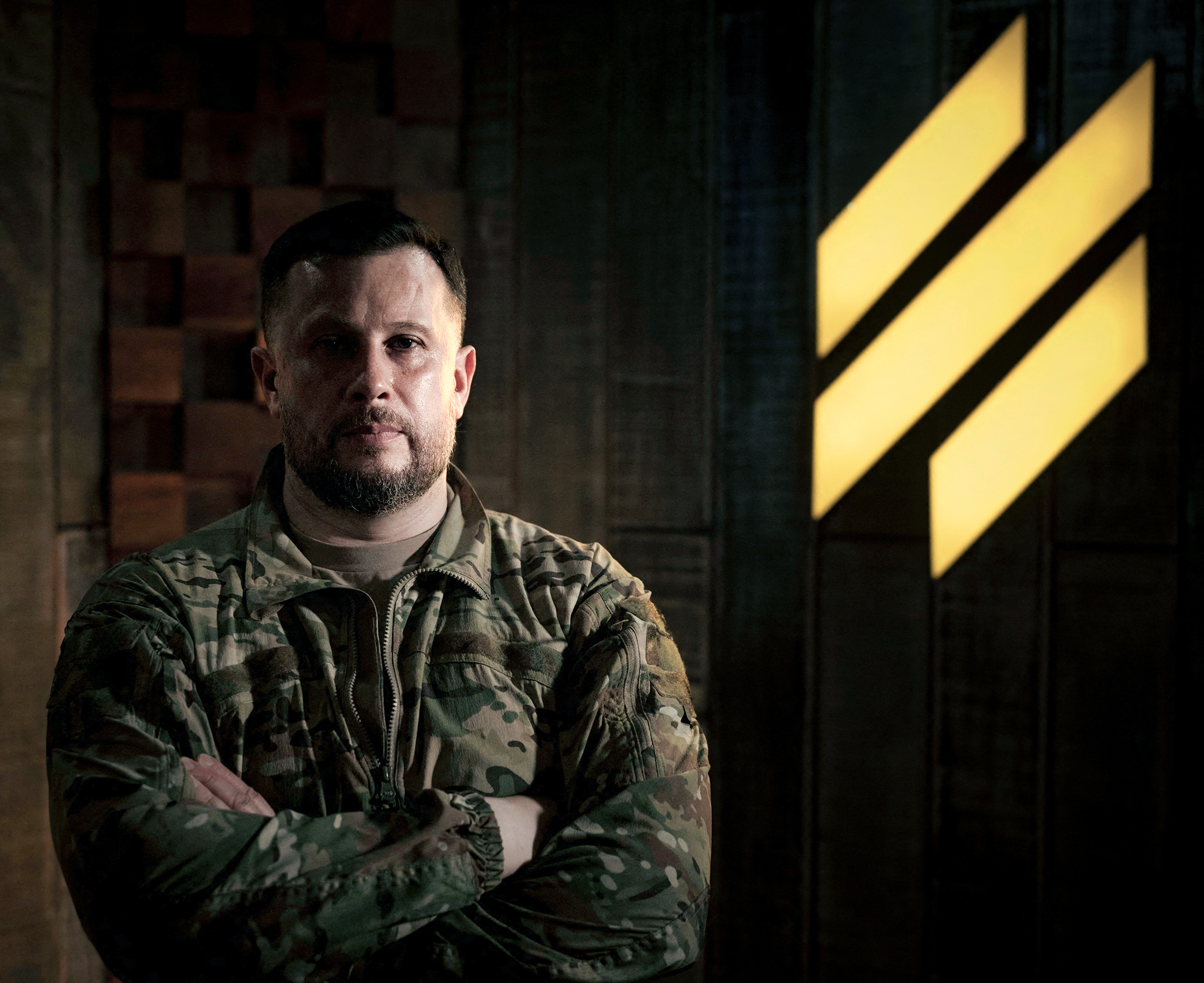
The controversy intensified in late May after Ukraine reburied nationalist leader Andriy Melnyk near Kyiv and Zelensky gave the Ukrainian military’s Separate Special Operations Center “Pivnich” the name “Heroes of the UPA”. In Poland, both moves were seen as part of a broader glorification of wartime nationalism and a movement linked to ethnic cleansing.
Polish President Karol Nawrocki accused Zelensky of damaging relations between the two countries and strengthening Kremlin propaganda narratives. He argued that Ukraine’s continued celebration of the UPA raises questions about its readiness for closer integration with Europe.
Prime Minister Donald Tusk struck a more cautious tone but also criticized the decision. “President Zelensky and our Ukrainian friends must understand what the legacy of the UPA means to every Pole“, Tusk said.
Some Polish politicians have even called for Zelensky to be stripped of the Order of the White Eagle, Poland’s highest state decoration, which was awarded to him in 2023.
Kyiv Defends Its Position
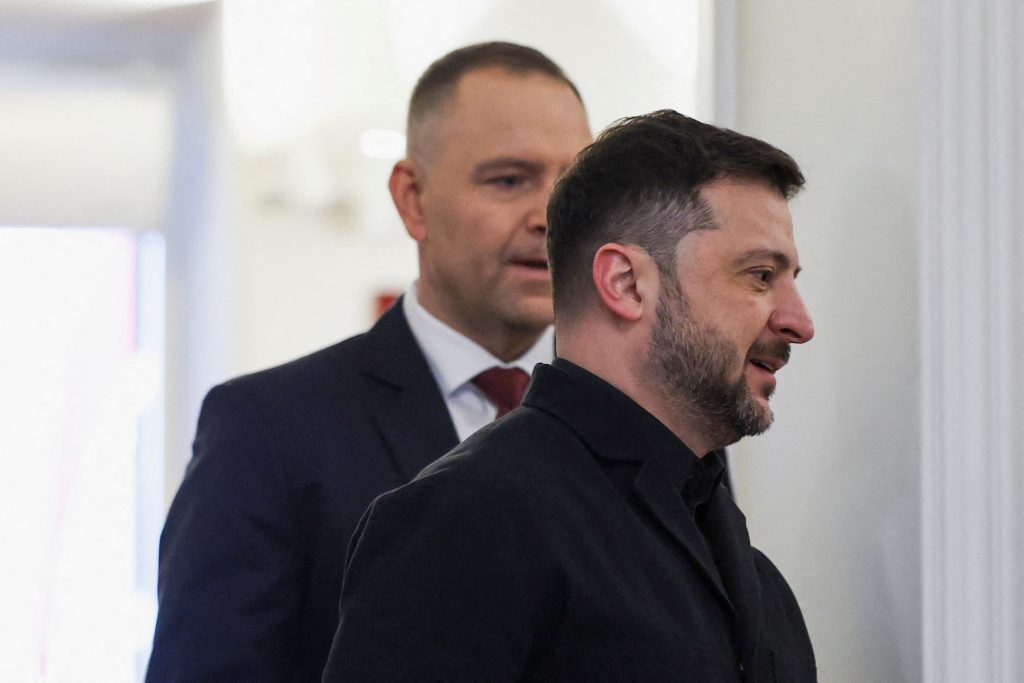
Ukraine rejects the accusation that honoring the UPA is anti-Polish. Foreign Ministry spokesman Heorhiy Tychy stressed that Ukrainians view the UPA primarily as a symbol of resistance against Soviet domination rather than as a movement directed against Poland. “By conferring an honorary title on their unit, our soldiers certainly did not intend to offend the Polish nation“, he said.
Kyiv also points out that Poland and Ukraine have recently resumed historical dialogue. Historians from both countries are again cooperating on investigations into wartime crimes, including the Volhynia massacres and Operation Vistula.
Who Was Andriy Melnyk?
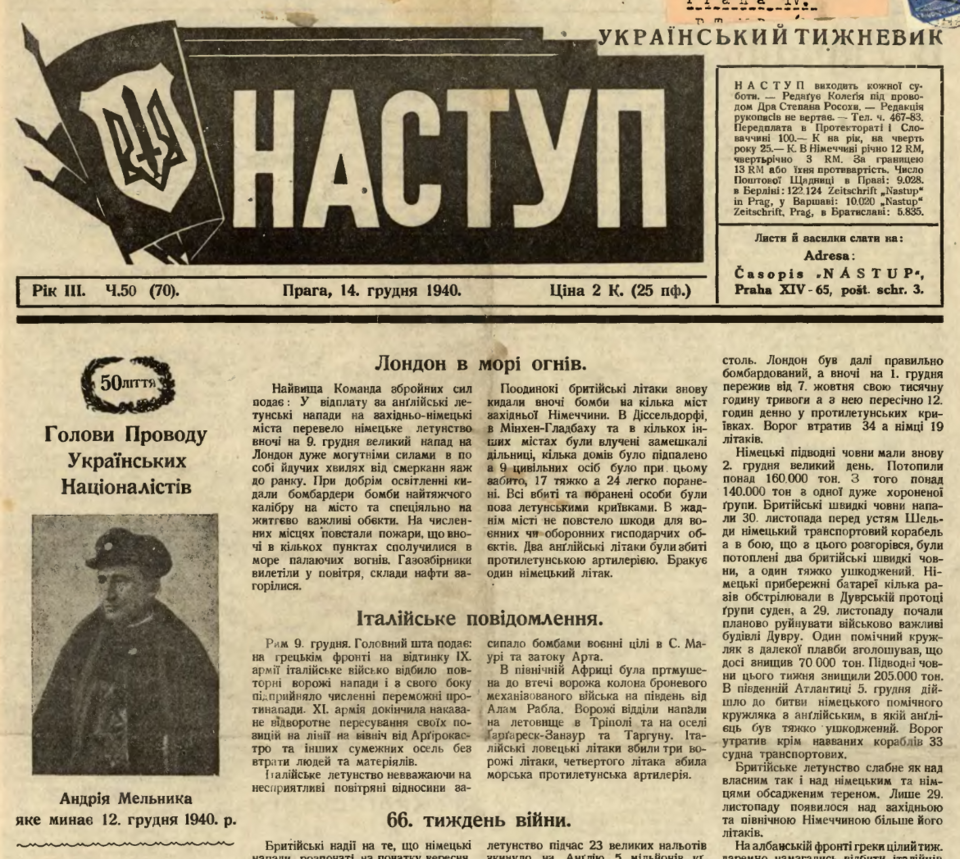
Part of the controversy stems from the reburial of Andriy Melnyk, whose remains were transferred from Luxembourg to Ukraine in accordance with his wishes.
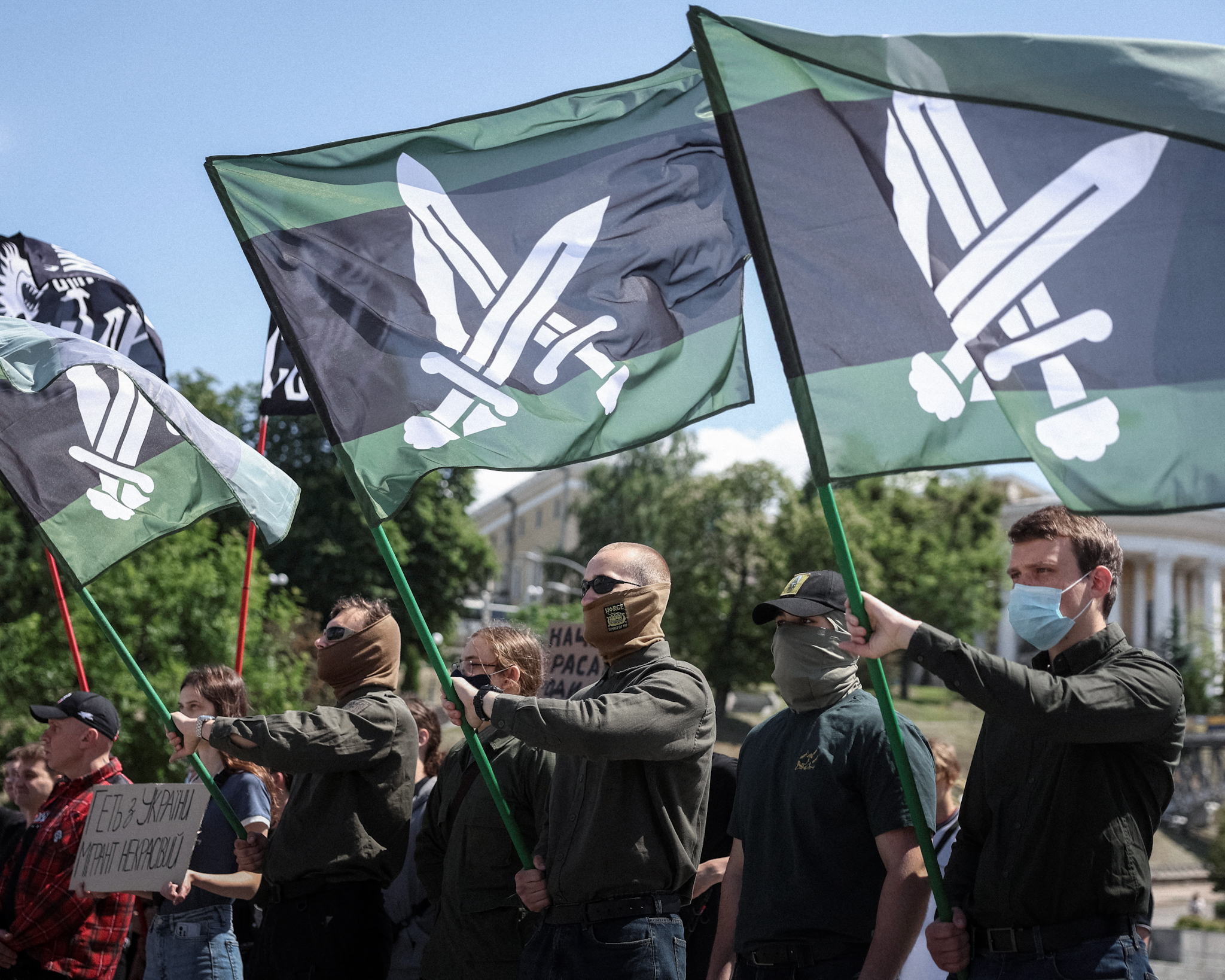
Melnyk was one of the leading figures of the Organization of Ukrainian Nationalists (OUN), but he was not a member of the UPA and did not belong to the faction led by Stepan Bandera.
The OUN split in 1940 into two rival camps. Bandera led the radical wing, known as OUN-B, which later created the UPA. Melnyk headed the more conservative OUN-M faction.
Although Melnyk collaborated with Germany during World War II, he was not directly connected to the Volhynia massacres that continue to dominate Polish perceptions of Ukrainian nationalism.
The Historical Divide
The dispute highlights a fundamental difference in how the two nations view the same historical figures.
For many Ukrainians, the OUN and UPA represent the struggle for national independence against both Nazi Germany and the Soviet Union. For many Poles, however, the UPA is inseparable from the massacres of Polish civilians in Volhynia and Eastern Galicia during the Second World War.
Between 1943 and 1944, UPA units killed tens of thousands of Poles in what Poland officially recognizes as ethnic cleansing and genocide.
As long as these competing historical memories persist, disputes over wartime symbols are likely to continue complicating relations between two countries that otherwise remain close allies against Russian aggression.