Baerbock’s UN Post Had Already Caused Controversy
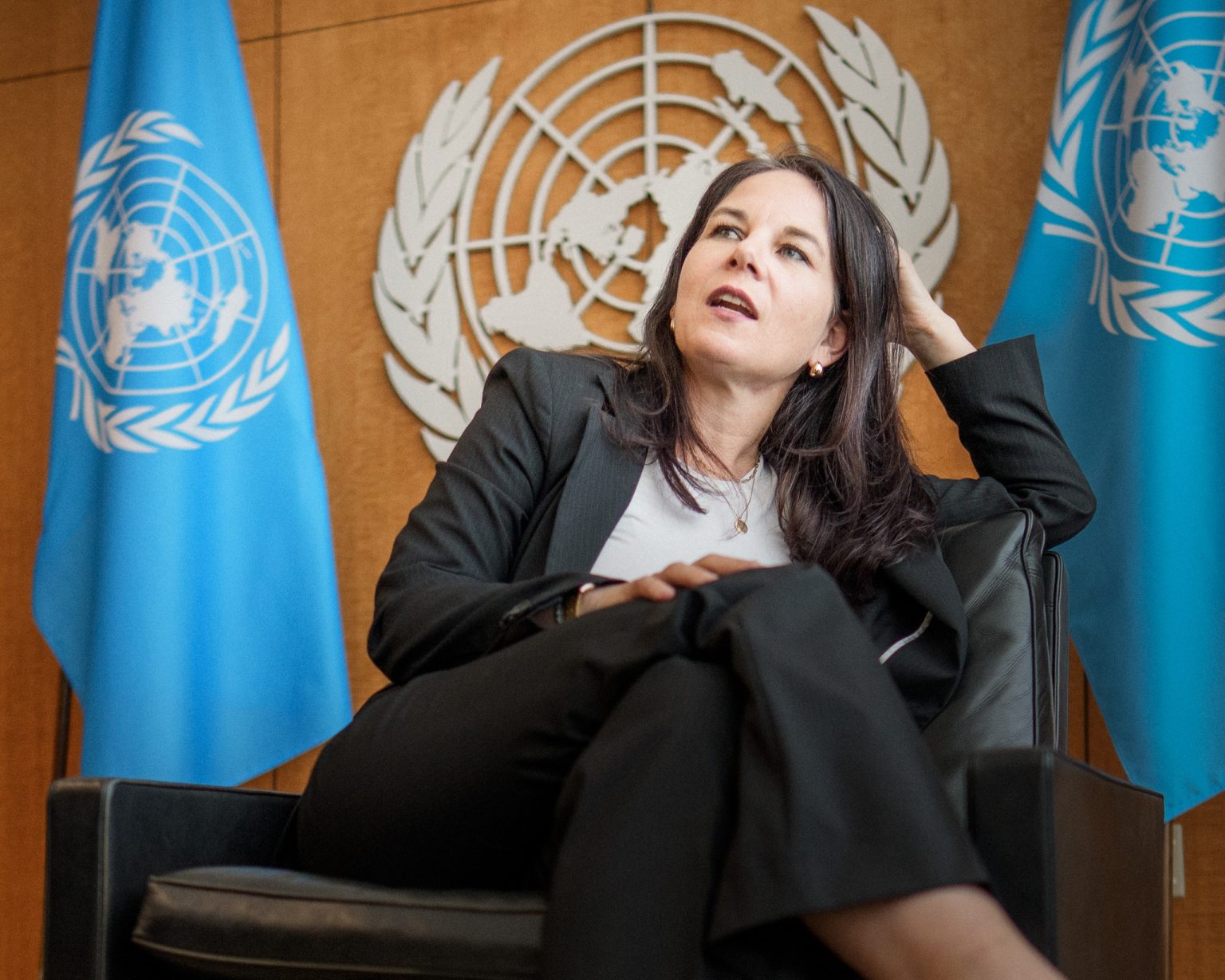
Baerbock’s path to New York had already drawn criticism in Germany. The experienced diplomat Helga Schmid had originally been expected to take over the presidency of the UN General Assembly. The German government later nominated Baerbock instead.
Schmid was secretary general of the Organization for Security and Co-operation in Europe and had previously held senior posts in European foreign policy. She was regarded as a career diplomat with an extensive international network. Christoph Heusgen, the former chairman of the Munich Security Conference, sharply criticized Schmid’s replacement at the time and called it an “outrage”. Former foreign minister Sigmar Gabriel was also critical. Baerbock was nevertheless elected president of the 80th UN General Assembly.
The office brings high visibility and diplomatic prestige. The United Nations’ real power, however, lies with the Security Council. Germany will not be represented there in 2027 and 2028.
Wadephul Calls Result a “Bitter Defeat”
Chancellor Friedrich Merz issued a statement after the vote. “The tasks assigned to us in the United Nations do not change because of this result”, the CDU politician said. Germany would remain “a reliable pillar of the multilateral system”. Merz congratulated Portugal and Austria on their election.
Foreign Minister Johann Wadephul called the result a “bitter defeat”. He cited Germany’s late entry into the race as one reason. Portugal and Austria had announced their candidacies much earlier. Germany submitted its bid only in 2020. Wadephul compared his role to that of the final runner in a relay race and said the deficit could no longer be made up in the end.
The foreign minister also pointed to the wider foreign policy environment. Russia had campaigned against Germany’s candidacy. German support for Ukraine and Germany’s position on the Middle East conflict may also have cost votes. Before the ballot, Wadephul had still sounded confident and spoken of a “basic sympathy for Germany”.
Criticism of the failed candidacy came from several parties. Green co-chair Franziska Brantner described it as a defeat for Merz and Wadephul. Germany, she said, had squandered trust on the international stage in recent months. Adis Ahmetovic, the foreign policy spokesman for the SPD parliamentary group, called the failure to be elected a “warning signal”. AfD leader Alice Weidel spoke of an embarrassment for Merz.
Germany’s payments to the United Nations are now also entering the debate. Manfred Pentz, Hesse’s minister for international affairs, asked the Bild newspaper why Germany should continue to invest so much money in the UN if it did not have corresponding influence there. Germany is one of the largest contributors to the United Nations.