The UN Turns Its Spotlight on Nigeria's Christians
Nigeria's embattled Christian community is set to come under independent international scrutiny as the UN's top religious freedom expert prepares to visit the country.
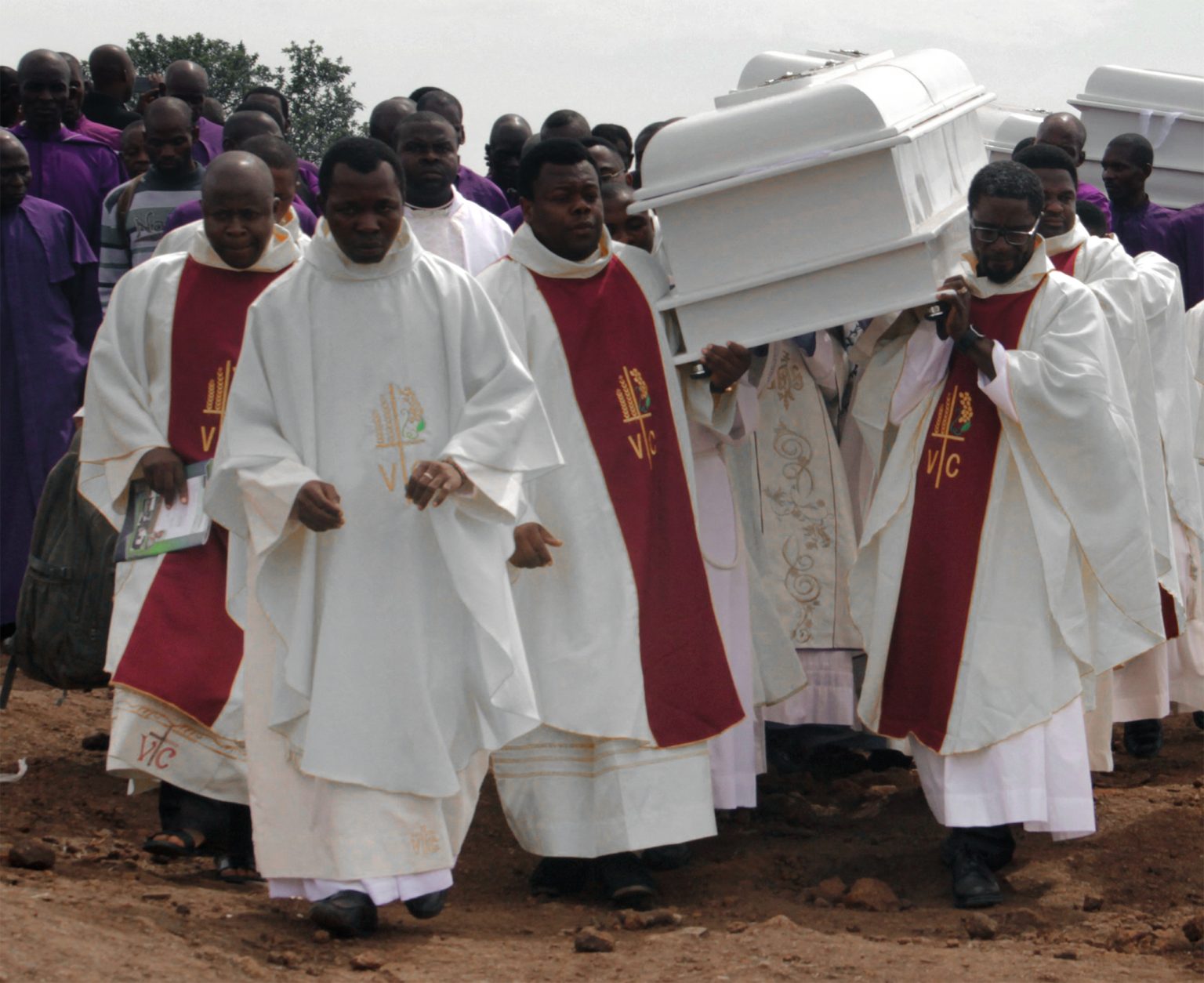
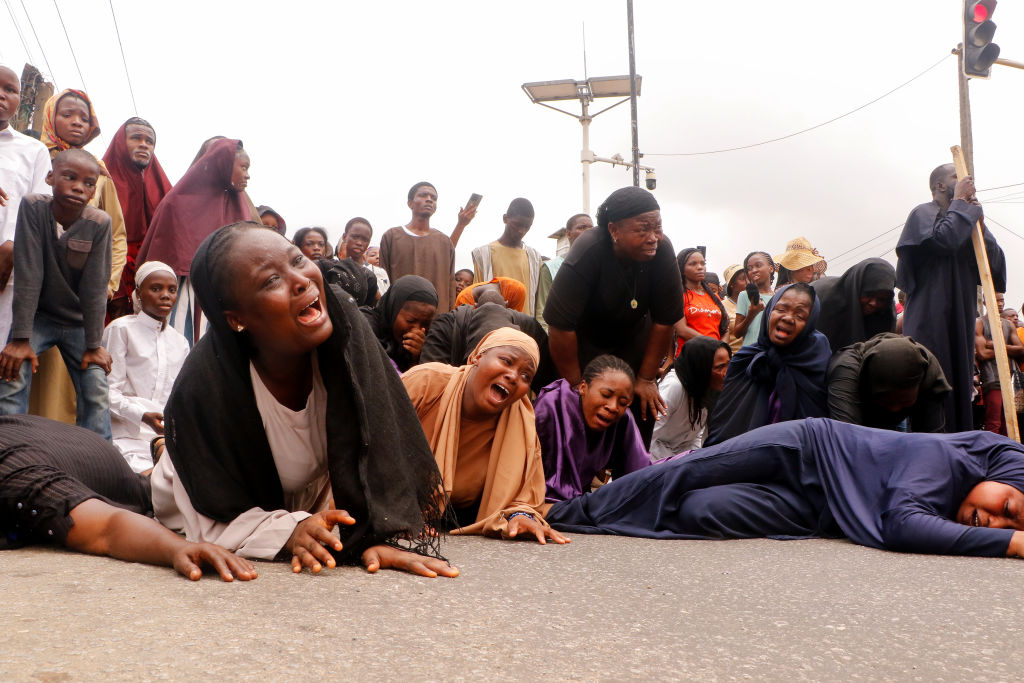
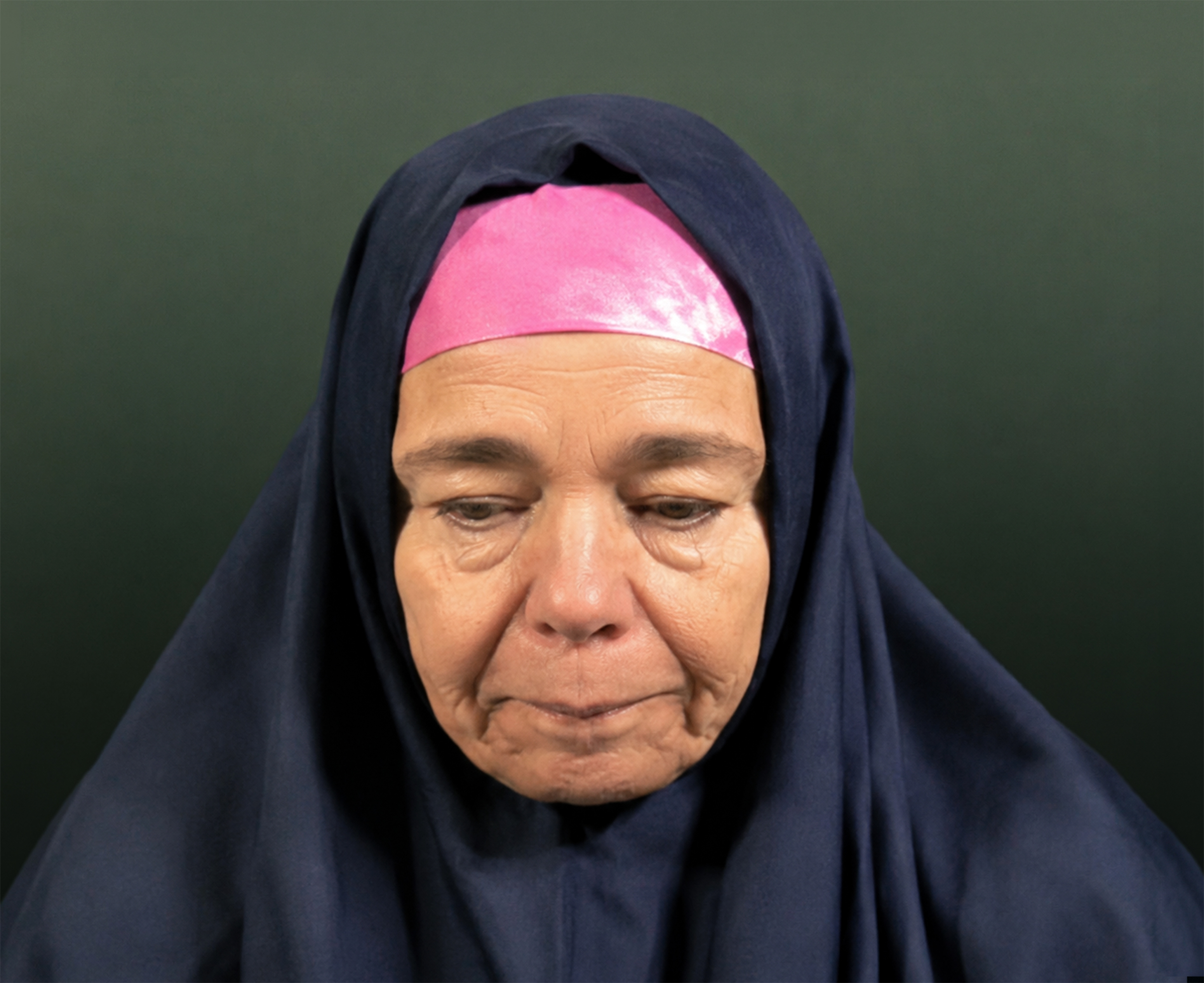
The plight of Nigeria’s persecuted Christian community is drawing renewed attention as a UN religious freedom expert visits the country. Photo: EMMY IBU / AFP / AFP / Profimedia
|
The United Nations’ religious freedom expert is set to visit Nigeria, as international scrutiny of the plight of the country’s Christian population mounts, following claims by US President Donald Trump that the faith is facing an existential crisis there.
Violence against Nigerian Christians is not a new phenomenon, with more than 4,000 Christians killed every year in the Muslim-majority country, according to advocacy group Global Christian Relief (GCR). The figure often surpasses the combined total of Christian deaths from persecution globally, GCR claims.
However, the US Commission for International Religious Freedom (USCIRF) warned in May that “conflicting media narratives and reported government censorship” have made it difficult to assess the motivations of armed nonstate actors such as the Fulani militants, or even to establish the identities of others.
This makes the forthcoming visit of the UN Special Rapporteur for Freedom of Religion or Belief all the more significant, offering an opportunity for a detailed examination of the issue. Prof. Nazila Ghanea will visit Nigeria from 8 to 19 June, following an invitation from the government.
Ghanea's objective is to gain a first-hand understanding of the state of religious freedom in the country, according to a UN statement. She will present preliminary findings to the Nigerian government at the end of her tour.
Her visit comes as USCIRF warned of an "alarming" number of "armed nonstate actors that violate religious freedom in Nigeria".
In its May issue update, the US religious freedom body said that the activities of Muslim-majority Fulani militant groups in particular have contributed to “deteriorating religious freedom conditions” in the country.
Although official figures vary considerably, the scale of the violence is clear: at least 53,000 civilians have been reported killed in targeted political violence since 2009.
Nigeria's population of 242 million is almost evenly divided between Christians and Muslims, with Christians making up around 43% and Muslims around 56%.
International scrutiny of the West African country increased significantly last year after the Trump administration designated Nigeria as a country of particular concern in October 2025. Trump stated that "Christianity is facing an existential threat in Nigeria", accused "radical Islamists" of "mass slaughter" and later told the Nigerian government it "better move fast" to tackle the violent persecution of Christians by Islamist extremists.
In response, President Bola Ahmed Tinubu officially designated kidnappers and violent armed groups, including Fulani militants, as "terrorists" in December, placing them on the same footing as armed insurgent groups such as Boko Haram.
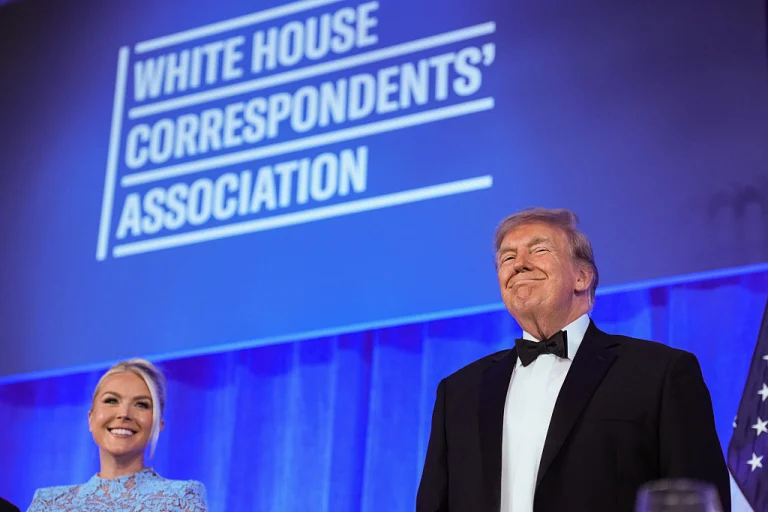
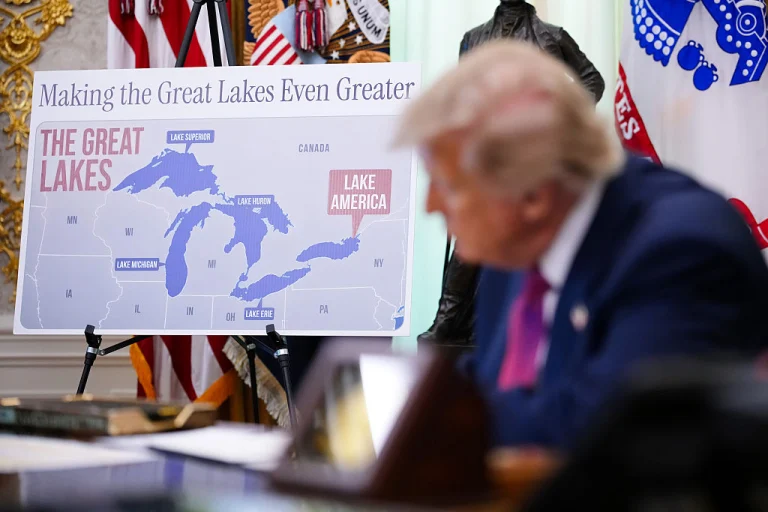
US President Donald Trump weighs in the debate on Christian persecution in Nigeria.
Pushback and Disagreement
Since Trump intervened, debate has raged over whether the violence amounts to religious persecution at all. Senior government officials have pushed back against his claims, arguing that to portray Nigeria's "security challenges" as a "targeted campaign against a single religious group is a gross misrepresentation of reality".
Politicians and security experts have also weighed in. The UN's top humanitarian representative in Nigeria argued that insecurity is widespread and cautioned against what he called "oversimplified narratives" of Christian genocide. Mohamed Malik Fall also said he would not attribute the violence to the "targeted persecution of a religious group".
To understand the debate Ghanea will encounter, it is necessary to understand the broader religious and political landscape in Nigeria.
Much of the Muslim population is concentrated in the north of the country, and until recently it was here that the issue of Christian persecution was most acute, according to Open Doors, a Christian charity that monitors religious persecution worldwide.
Twelve states in northern Nigeria have adopted Sharia, with blasphemy provisions creating obstacles for Christians' freedom to worship and fueling discrimination in daily life.
It is also in the north that Islamist extremists such as Boko Haram and the Islamic State – West Africa Province (ISWAP), which is affiliated with ISIS, have their power base. Both organizations pursue a jihadist agenda and share the goal of establishing an Islamic state in the region.
Much of the recent controversy over violence against Christians, however, concerns the activities of the Muslim-majority Fulani herdsmen, who have been terrorizing communities largely in the Middle Belt of the country.
Christians in Nigeria's capital, Abuja, mark Good Friday by reenacting the crucifixion of Jesus. Photo Emmanuel Osodi/Anadolu/Getty Images
The Fulani are an ethnic group that originates from northern Nigeria and accounts for around 6% of Nigeria's total population. USCIRF estimates that 30,000 Fulani operate in militant groups of between 10 and 1,000 members.
USCIRF argues that there are "complex motivating factors" driving Fulani violence, but states that, regardless, the escalation of the groups' land invasions and violent assaults has "severely" disrupted lives, livelihoods and the ability of many Christian and Muslim farmers to worship. The kidnapping of schoolgirls, attacks on churches and widespread sexual violence as part of these raids continue to make international news.
Questions of Accountability
The response of federal and state authorities to Fulani attacks has been described by victims and advocacy groups as “unsatisfactory at best and complicit at worst”, USCIRF said.
It noted that victims have reported the consistent failure of security forces to respond promptly to attacks on their communities and that “some Christian advocates” suggest that “security forces responding to or investigating attacks routinely show favoritism toward Muslim communities”.
The Nigerian government has repeatedly denied these claims, but critics say that it has done very little to investigate the crimes and prosecute perpetrators.
A central task for the UN investigation will be to assess whether the violence is driven by religion or by other factors such as resources and ethnicity. Ghanea is set to meet a wide range of political and religious leaders, as well as judges, scholars and lawyers.
At the end of her visit she will hold a press conference to share her findings, in addition to debriefing the government, and will present a full report on the visit to the UN in March 2027.
Given the scale of the violence and the intensity of international scrutiny, the stakes in Ghanea's determination are considerable: for Nigeria's leadership, for the victims of violence and for governments such as the United States, whose response is likely to be shaped by her conclusions.
Welcome to the comments section of the Štandard daily. Please take note of our guidelines, comments are moderated by us. You can contact the moderators at support@statement.com.
Participate in the discussion
Comments are available to subscribers only. If you'd like to join the discussion, choose a subscription starting at €6.72 per month.
All comments 0
Register
Comments are available to registered users only. If you'd like to join the discussion, register here.