
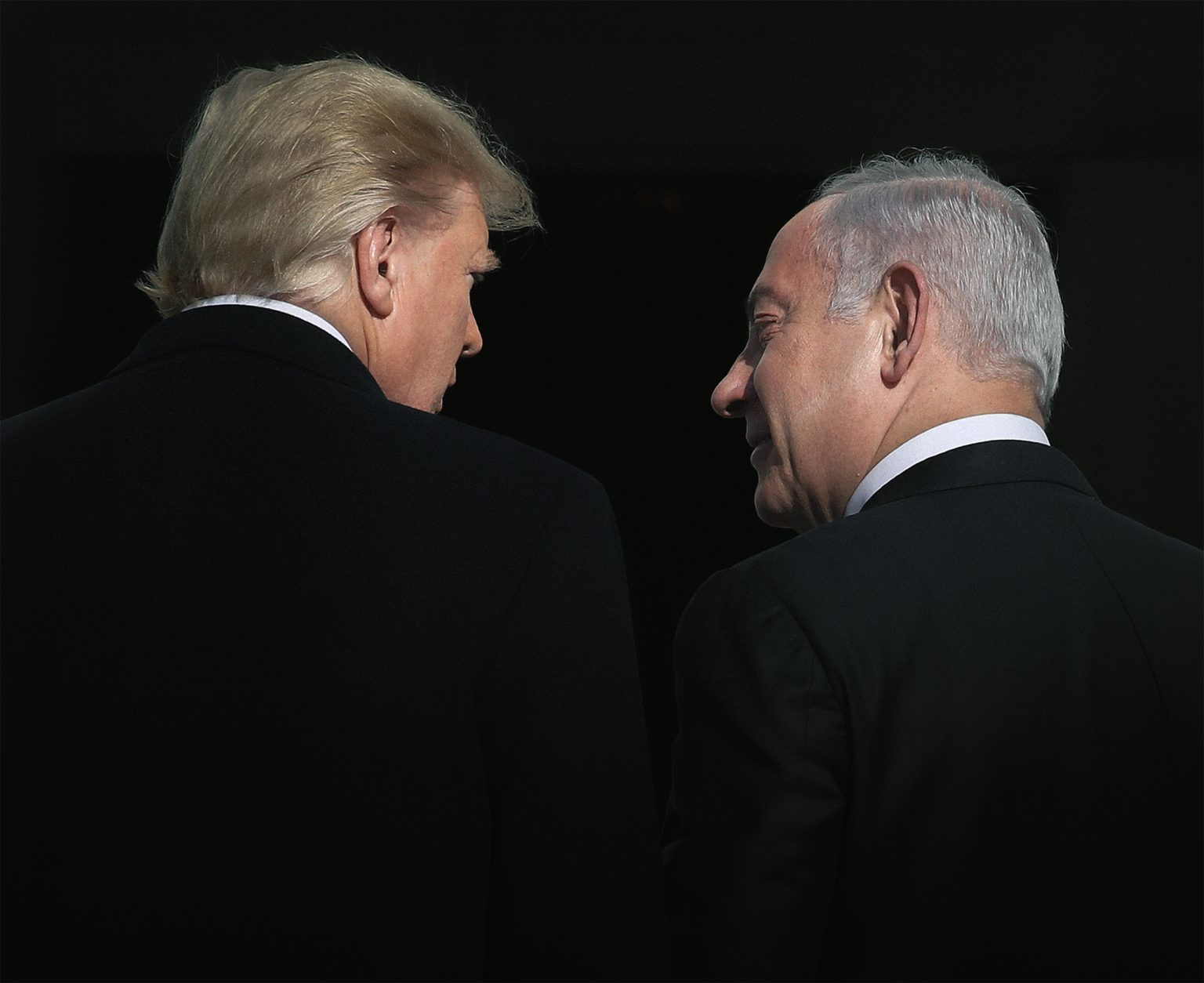
For years, Benjamin Netanyahu has sold himself to the Israeli public as the one leader who truly understands Donald Trump – and who can count on his support. This week's phone call complicated that story.
Trump called Netanyahu "f***ing crazy" during a heated exchange that was first leaked to the media and later confirmed by the president himself. Israeli officials, speaking on condition of anonymity, described it as one of the most volcanic calls the two men have had.
One official said the leak had inflicted political damage on Netanyahu at a sensitive moment, with national elections approaching.
Axios reported on Monday that Trump had confronted Netanyahu in forceful terms over Israeli threats to resume airstrikes on Beirut's southern suburbs. "Everybody hates you now. Everybody hates Israel because of this", the site quoted him as saying.
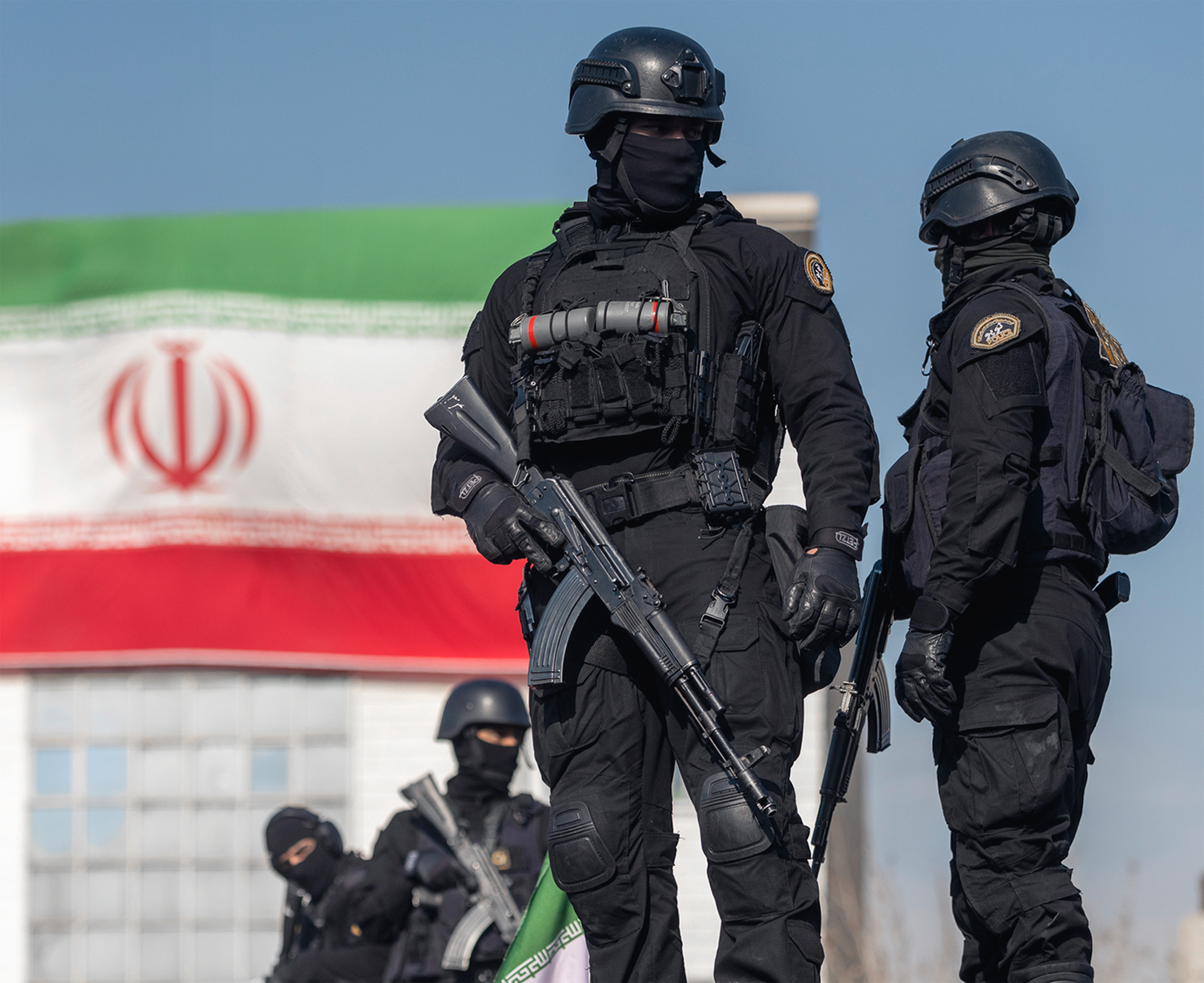
The rebuke came after Iran warned that Israeli attacks in Lebanon were jeopardizing negotiations to end the war. The conflict, launched by joint US-Israeli strikes, has grown deeply unpopular among Americans, and Trump told Netanyahu plainly that Beirut was not to be targeted.
The Price of Washington's Support
A senior Israeli official told Reuters that Netanyahu had made clear to Trump that any pause in plans to strike Beirut would only hold if Hezbollah stopped attacking northern Israel. Trump was sympathetic to that position, the official said.
The call was followed by a Trump announcement that Israel and Hezbollah had agreed to cease hostilities – a statement that drew sharp criticism from Netanyahu's opponents and some government allies, who accused the prime minister of handing Israeli sovereignty to Washington.
"A total protectorate", said opposition leader Yair Lapid, suggesting Netanyahu had effectively reduced Israel to an American satellite state.
Netanyahu has clashed with American administrations of both parties before, and Israel has survived each episode as Washington's closest ally in the Middle East. What is new, according to Nimrod Goren of the Israeli think tank Mitvim, is the visibility. Rather than being resolved discreetly as in the past, "the differences are now very public", he said.
Trump did little to dispel that impression on Wednesday, telling the New York Post he was "a little bit perturbed" by Netanyahu's continued strikes on Lebanon, though he was quick to add: "We've worked very well together."
Trump's decision to join Israel in attacking Iran, not once but twice within a year, initially looked like a major victory for Netanyahu, who has spent decades pressing Washington to use its military muscle against Tehran's nuclear program. Yet Trump has also moved in directions many Israelis find troubling: he ended US strikes on Iran-backed Houthi forces in Yemen, lifted sanctions on Syrian President Ahmed al-Sharaa – a former al-Qaeda affiliate – and ordered a halt to Israel's 12-day war with Iran in June 2025.
Sidelined at the Negotiating Table
Israel helped launch the war against Iran but has no seat at the talks to end it. Negotiations are conducted through Pakistan, with which Israel has no formal diplomatic relations, leaving Jerusalem on the outside of a process that will determine the outcome of the conflict.
That exclusion sits uneasily with Israeli public opinion. The war with Iran and Hezbollah commands broad support across the political spectrum, and a large part of the public wants the fighting to continue – a sentiment that puts Israel sharply at odds with the United States, where opposition to Middle Eastern military entanglements runs deep, even within Trump's conservative base.
Trump has repeatedly said a deal with Iran is within reach. Tehran, however, insists any agreement must include a halt to Israeli strikes on Lebanon. For Israel, the implication is uncomfortable. "We are basically being forced to stop", said Mitchell Barak, an Israeli pollster. "We don't have a say in this anymore."
Unfinished Wars, Uncertain Elections
Netanyahu declared at the start of this year's war with Iran that the government in Tehran would fall, its nuclear and missile programs would be destroyed and Hezbollah would be disarmed in southern Lebanon. None of that has happened.
Polls show his coalition, the most right-wing in Israeli history, would lose a fresh election. Goren says Netanyahu has sought to accommodate Trump's demands because he will need the president's support when the vote comes.
A Trump visit to Israel is reportedly under discussion. It had been expected in April, when the US president was due to receive Israel's highest civilian honor, but did not happen. He last visited in October.
Tactical Disagreements
Goren notes that some Israelis are uneasy with the degree of influence Trump wields over Israeli military decisions. National Security Minister Itamar Ben-Gvir made that discomfort explicit on Thursday, arguing that an Israeli leader must sometimes be willing to say "no" even to Washington.
The irony is that Trump faces the mirror-image criticism at home, where some of his opponents argue that Netanyahu exercises undue influence over American foreign policy.
Nadav Strauchler, a former Netanyahu adviser, cut through the debate with a simpler observation: Netanyahu needs Trump's support to win the election. "The way the war (with Iran and Hezbollah) will end will affect, more than anything, the result of the election."
Trump has repeatedly praised Netanyahu in public and pressed Israel's president to pardon the prime minister, who is on trial on corruption-related charges. That has not stopped him from stressing, just as publicly, how much he believes Israel depends on Washington – or from deploying the kind of language he used last year when he said Israel and Iran "don't know what the f*** they are doing".
Netanyahu describes Trump as "the greatest friend Israel has ever had in the White House". Given Trump's well-documented appetite for loyalty and recognition, one can safely assume the compliment lands.
Since the US and Israel went to war with Iran, Netanyahu has told the Israeli public that he speaks with Trump almost daily, casting their relationship as a partnership between equals who make decisions together.
Asked about the call in a Wednesday CNBC interview, Netanyahu was unfazed, comparing the relationship to the "best families", which he said experienced occasional "tactical disagreements".

Damage Done, Alliance Intact
A US official told Reuters the call was one of several in which Trump had been direct with Netanyahu, but that the two remain friends and close allies. "Their conversations are pretty direct", the official said.
The US official and an Israeli source familiar with the relationship both dismissed any suggestion of a fundamental shift between the two leaders. The Israeli source conceded, however, that the leak and Trump's confirmation had damaged Netanyahu at a difficult moment, with polls already pointing to electoral defeat.
Strauchler said the rift had been exaggerated and that the two men remain largely in step. The real risk, he argued, is a sudden end to the wars with Iran and Hezbollah: many Israelis would see it as Trump having imposed his will, a "huge problem" for Netanyahu going into an election.
"No one here wants to feel like we are just another star on the (US) flag", he said. "We want to feel independence."