UK Government Wants Social Media Restrictions After Belfast Protests
The British government wants to delete online content more quickly during “crisis situations" following anti-immigration riots in Belfast.
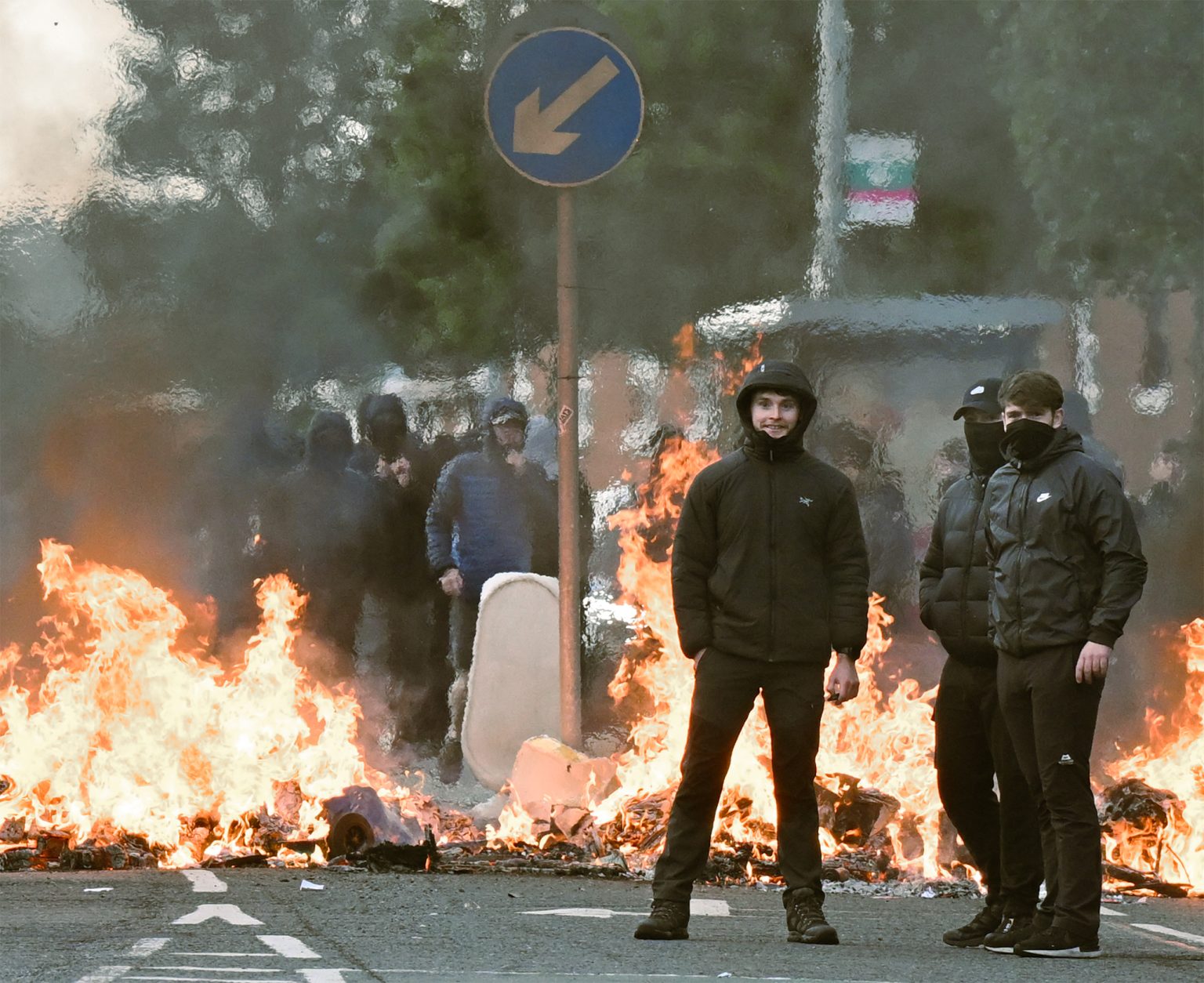
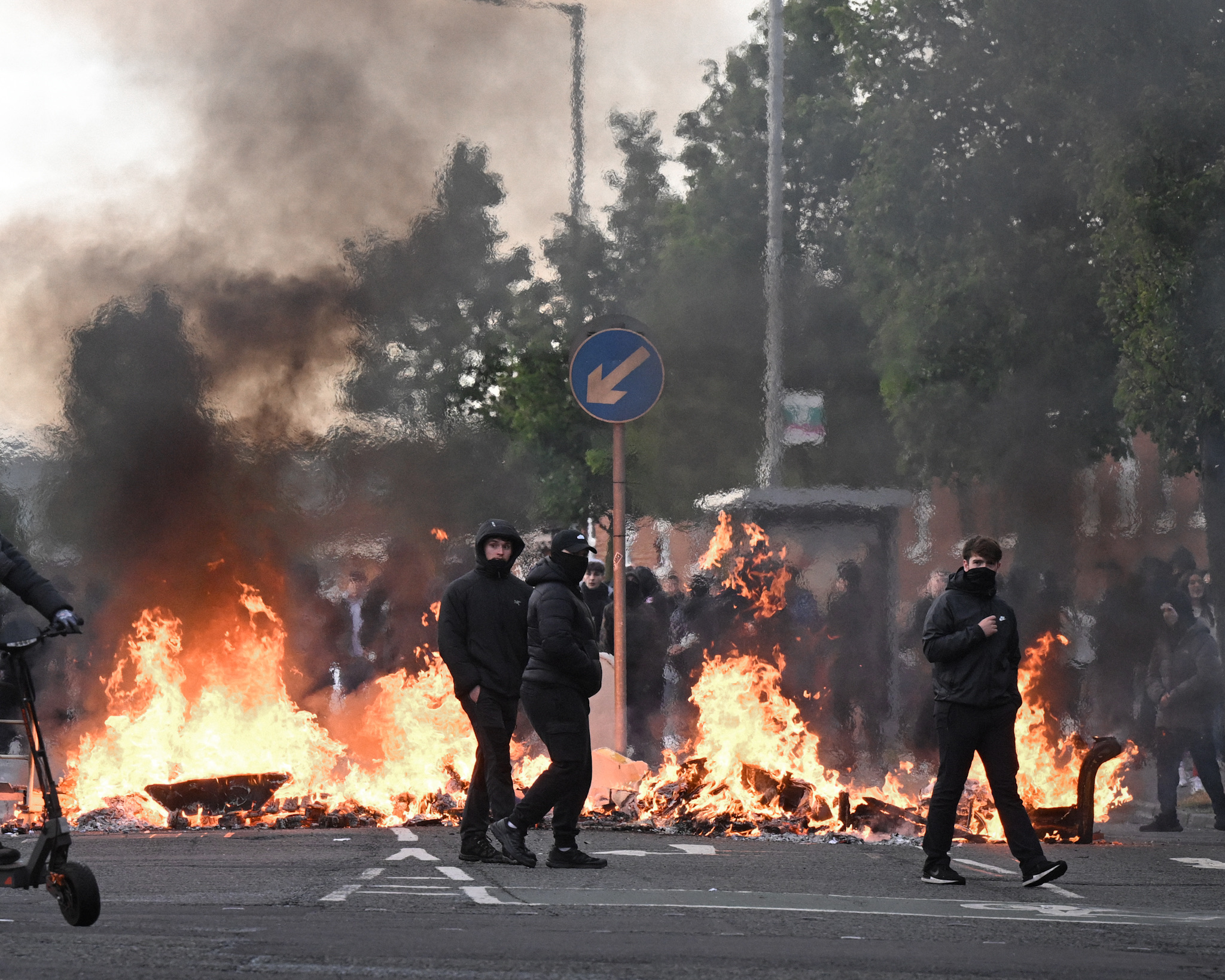
Anti-immigrant protesters in Belfast came out on the streets the day after the attack on Stephen Ogilvie. Photo: Charles McQuillan/Getty Images
|
Keir Starmer's government plans to strengthen the powers of media regulator Ofcom over social media platforms during periods of heightened social tension. Technology Minister Liz Kendall announced the move in response to anti-immigration protests that erupted in Northern Ireland following last week's knife attack on Stephen Ogilvie.
The government is using the unrest in Belfast to accelerate the introduction of further restrictions on social media. Rather than responding to public anger over migration policy and its consequences with a change of course, ministers are focusing on limiting the spread of information online and expanding state oversight of digital speech. For many voters, this reinforces the impression that the political establishment is more willing to police online debate than address the underlying causes of public discontent.
The attack, which was filmed and later went viral on social media, was carried out by 30-year-old Sudanese national Hadi Alodid. It left Ogilvie with life-changing injuries. According to his family, he lost his left eye and suffered damage to his right eye as well as injuries to his neck and back. Bystanders intervened and prevented a worse outcome.
Ogilvie's family has urged people to protest peacefully and not allow the incident to be used to fuel division or hostility.
Kendall said the government will introduce amendments to the Online Safety Act next week aimed at forcing platforms to remove illegal content more quickly during what it describes as “crisis situations".
“Those who use social media to incite violence and unrest are breaking the law", the minister said. She added that she had instructed regulator Ofcom to hold urgent talks with X and other platforms to ensure compliance with existing rules.
The proposed changes would also give Ofcom greater powers to restrict the circulation of graphic images, including footage from attack scenes, within the UK.
Critics argue the plans raise important questions about free expression. The government has not explained who would determine when a “crisis situation" exists or what criteria would trigger the emergency measures.
Reform UK politicians accused Labour of using the unrest as a pretext to expand oversight of online speech. They argue that public anger stems from migration policy and border control failures rather than activity on social media platforms.
“Britain is at breaking point and the government has turned its back on the people", said Tommy Robinson, a British anti-immigration activist.
Anti-immigration protesters in Belfast facing the police. Photo: Isabel Infantes/Reuters
Government Condemns Belfast Unrest
Senior British and Northern Irish politicians have strongly condemned the violence that followed the attack on Stephen Ogilvie. In Belfast, protesters targeted homes, vehicles and businesses linked to immigrants, while police responded with water cannons and other crowd-control measures.
Northern Ireland Secretary Hilary Benn described the disturbances as a “racist riot", while Prime Minister Keir Starmer said attacks against people because of their ancestry would not be tolerated. “Those responsible will feel the full force of the law", he said.
Northern Ireland Justice Minister Naomi Long accused “actors acting in bad faith" of exploiting fear and anger to incite hostility against people who share the same ethnic background as the Sudanese attacker. First Minister Michelle O'Neill described the violence as “nothing short of abject cowardice".
Authorities say some of the unrest was coordinated online, with lists of asylum-seeker accommodation and businesses linked to the migration sector circulating on social media. Police have increased patrols around potential targets, while Chief Constable Jon Boutcher announced the deployment of an additional 200 officers across Belfast.