

Pakistani Prime Minister Shahbaz Sharif said on Friday that Pakistan has been deeply involved in mediating the talks and is working with both sides to chart the way forward. Writing on X, he accused unspecified groups of spreading misinformation in an attempt to derail an agreement, and said peace between Washington and Tehran is closer than ever.
Iranian Foreign Minister Abbas Araghchi echoed that assessment, saying the so-called Islamabad Memorandum of Understanding is close to being finalized and calling on the media not to speculate on its contents before the document is officially concluded.
A senior White House official added that the two countries are just a step away from a deal that could end the current conflict, and expects it to be signed within days in a European country. The details of the agreement have not been made public.
Tehran Accused of Distorting the Terms
In a post on Truth Social, the US president accused Iran of distorting the content of the negotiations, saying the information Tehran had allegedly fed to the media bore no relation to the terms both sides had agreed in writing. He described Iranian officials as untrustworthy partners with whom good-faith negotiation was impossible.
Trump also condemned an alleged drone attack on ships leaving the Strait of Hormuz, calling it totally unacceptable, and called on Tehran to "get their act together" and move quickly. He did not say which specific terms were in dispute.
Netanyahu Steps Back
Progress notwithstanding, several sticking points remain. The Lebanon question is the most sensitive: Tehran is demanding a halt to Israeli operations against Hezbollah, and no agreement has been reached on this point.
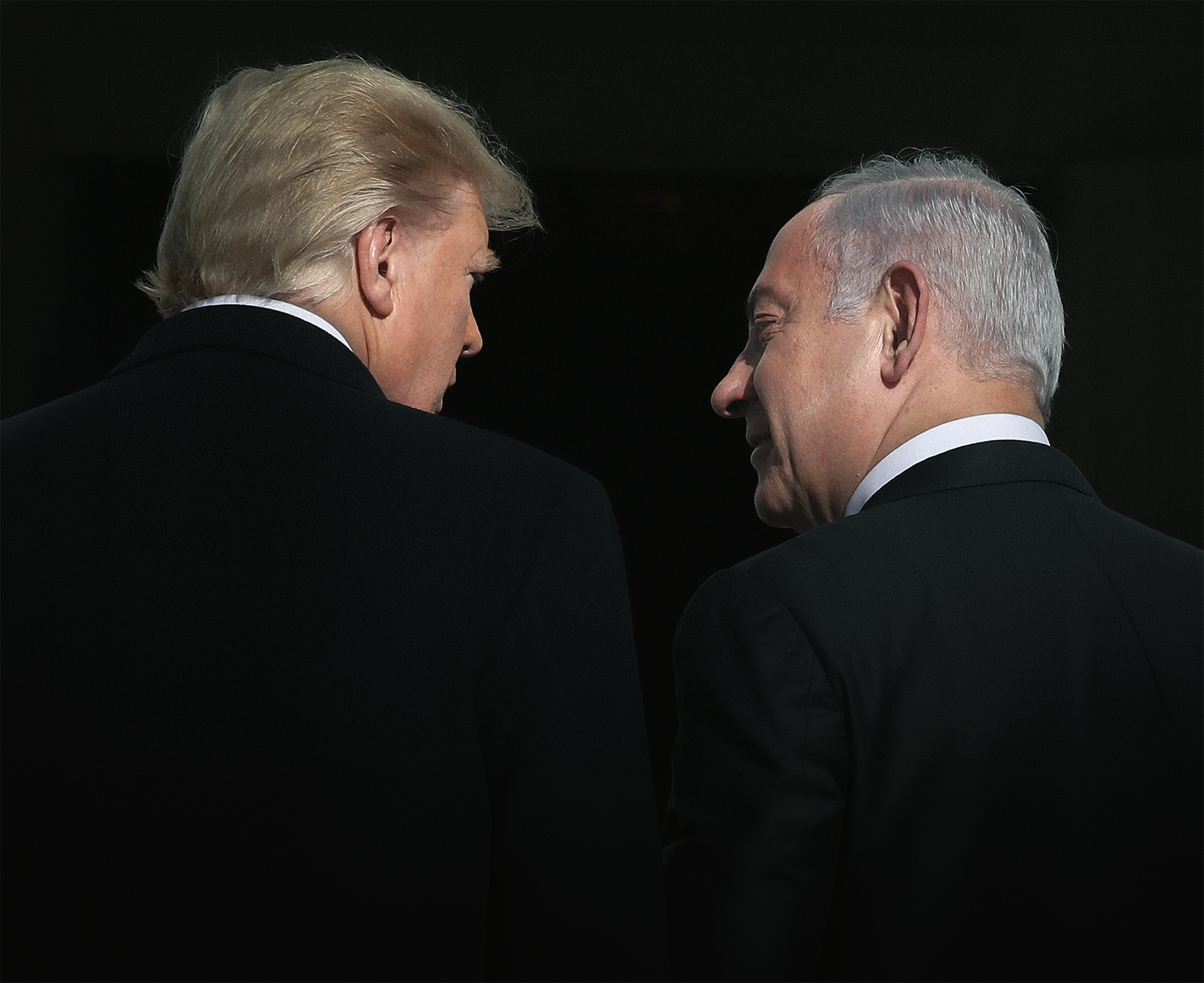
The draft memorandum reportedly envisages the gradual release of Iranian assets and sanctions relief on oil exports in exchange for keeping the Strait of Hormuz open. Nuclear talks are expected to be deferred for 60 days, and the US and Iranian readings of the terms differ significantly. Washington is insisting on the removal of Iran's highly enriched uranium stockpile, a demand that does not appear in the leaked proposals. Western sources say the memorandum could be signed as early as this weekend. Israel has no seat at the table: Prime Minister Benjamin Netanyahu has refused to become party to the agreement.
White House Claims Breakthrough in Talks
Washington says the negotiations have entered their final stage and a deal could be signed within days. Under the proposal, Iran would dismantle or surrender its highly enriched uranium stockpile, shut down its nuclear program and accept an inspection regime to guarantee long-term compliance.
Tehran, in return, would gradually recover access to frozen assets and receive relief from sanctions. US officials have been careful to note that no economic benefits would flow automatically upon signing. Iran's own account of the talks is markedly more cautious, however, with no suggestion that it has yielded ground on either the nuclear program or the Strait of Hormuz. Washington's position is that only the technical details of implementation remain to be settled.
(reuters, mja)