

"I will not give up, never, never, never, never, I will never give up." With those words, former Hungarian Prime Minister Viktor Orban opened his address to Fidesz delegates at the Budapest Congress Center on Saturday, describing the gathering as a working rather than a ceremonial congress.
Delegates duly re-elected him as party chairman, with 729 votes out of 737 valid ballots cast in a secret ballot. Running as the sole candidate, he was elected for a one-year term. The congress also adopted a political resolution rejecting the EU migration pact and protesting against the "forcible removal of democratically elected public officials".
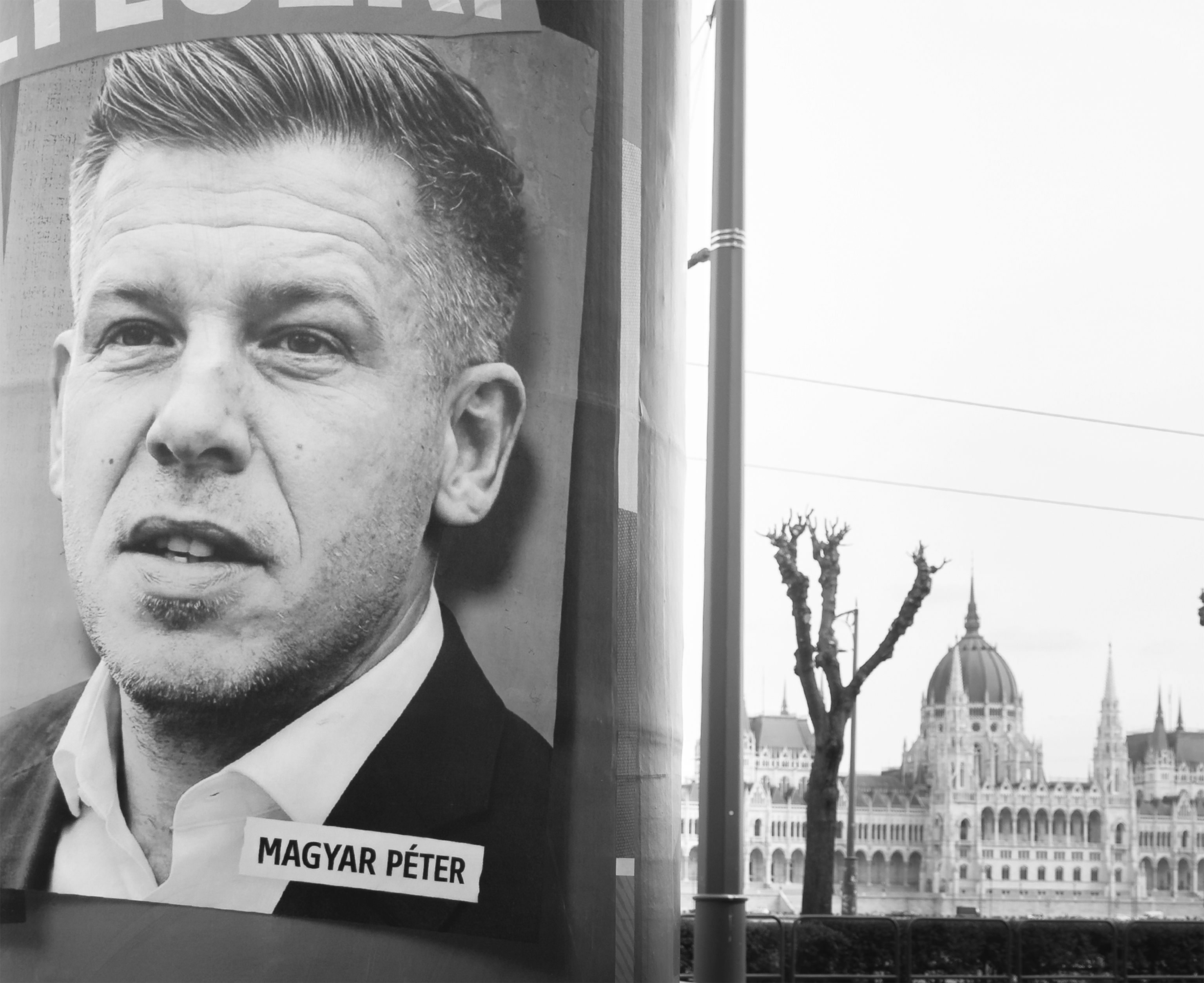
Orban left little doubt about where he believed responsibility for the April 2026 defeat lay. "The responsibility for the electoral defeat lies with me. It is not right to blame the campaign chief, the mobilization chief or the regional directors (…) because I am the author of the strategic mistakes", he said of the elections, which ended 16 years of Fidesz rule and elevated Peter Magyar's Tisza party to power.
The self-criticism extended to a broader point about political leadership. Orban said that while advisers, pollsters and result forecasters all had a role in politics, he could not abide leaders who sought and were granted strong executive powers but pointed the finger at others when difficulties arose.
Rebuilding Fidesz From the Ground Up
Orban told delegates the party had undergone what he called a radical "blood change", explaining that the logic of assembling a ruling party's ticket had to be replaced by that of building an effective opposition force. Twenty-five MPs have been replaced in the process.
He framed the generational shift as a mark of rare political maturity, claiming that only in Europe as a whole could such humility be found: "The sixty-somethings have stepped aside so that the forty-somethings can take over the leadership."
Turning to the new parliament, Orban expressed little doubt about where the balance of ability lay, saying Fidesz and the KDNP were markedly superior to the Tisza faction in terms of experience, expertise and political culture.

Orban justified the statutory reforms on the agenda by arguing that the party's existing structures had been designed for government and were poorly suited to opposition. After 16 years in power, he said, what had once been a functional organizational form had become a "straitjacket rather than a working garment".
The problem, in his telling, ran deeper than organizational design. Between 2010 and 2026, the requirements of governing had steadily eroded Fidesz's communal identity, reducing it to "the party of power" in which efficiency and discipline eclipsed all other values. Fidesz had become, he said, an instrument of political will, almost a paramilitary ruling party.
Orban argued that Fidesz had to become a movement once more, this time built on civic rather than military values: "friendship instead of commands, equality instead of subordination and superiority, spontaneity instead of discipline, mental strength instead of biceps". Fewer military virtues and more communal ones, he said, had to define the party going forward.
In practical terms, he proposed abolishing the constituency system and returning to a structure based on municipalities and counties. The post of regional director would be eliminated and a 28-member presidency established in its place, with county chairmen becoming automatic members alongside the committee chairman, the head of the European delegation, the chairman of the parliamentary club, the party chairman and four vice-chairmen.
Orban again proposed MEP Kinga Galova as vice-chair, tasked with liaising with the Patriots for Europe grouping. For the remaining vice-presidencies, he put forward Alpar Gyoparos as rural representative, Janos Boka to reinforce the weakened civic-political centre, and Balint Kreicsi, mayor of Salgotarjan, as municipal representative, replacing Lajos Kosa, Gabor Kubatov and Szilard Nemeth.
"Let us get Fidesz in order from the cellar to the attic by September!" he declared.
Ten Reasons Why Fidesz Lost
Orban told delegates that two months of internal discussions about the election defeat were drawing to a close and presented a ten-point assessment of what had gone wrong. The document combined candid self-criticism – including admissions of strategic failure, flawed polling models and a catastrophic defeat in the digital space – with pointed accusations, among them that foreign-controlled algorithms had actively worked against Fidesz and that the opposition had won power on promises it had no intention of keeping.
On the self-critical side, Orban acknowledged that the party's electoral message had failed to compete with the opposition's, that its mobilization operation had been outperformed and that its polling and turnout models had proved so wrong as to leave the party unable to correct course. The digital collapse was particularly stark: Tisza won 70% of TikTok users and 66% of Facebook users, a result Orban described as catastrophic and, given the scale of the loss among young voters, a personal failure. He also conceded that the party had not responded effectively to corruption allegations and hate campaigns, despite what he called the paradox of the opposition's chief financial backer facing white-collar criminal charges.
The accusations were equally direct. Orban argued that foreign-controlled algorithms had favored pro-government-change content to a degree bordering on the absurd, and that the opposition had sown doubt about the war in Ukraine even among Fidesz's own supporters.
He conceded, too, that his government had failed to deliver tangible economic growth despite the drag of the war and Brussels sanctions – but drew a pointed contrast between his own refusal to make undeliverable promises and the opposition’s 1,213 pledges totaling 6tn forints ($19.7bn), a strategy he described as fiscally irresponsible but, as the result had shown, electorally effective.
Turning to the party's grassroots, Orban thanked volunteers and activists for their efforts, saying he believed the campaign had demanded more of them than any of their previous victorious ones: "I think we worked harder on this lost election than in previous victorious election campaigns."
Magyar's Marriage as Political Weapon
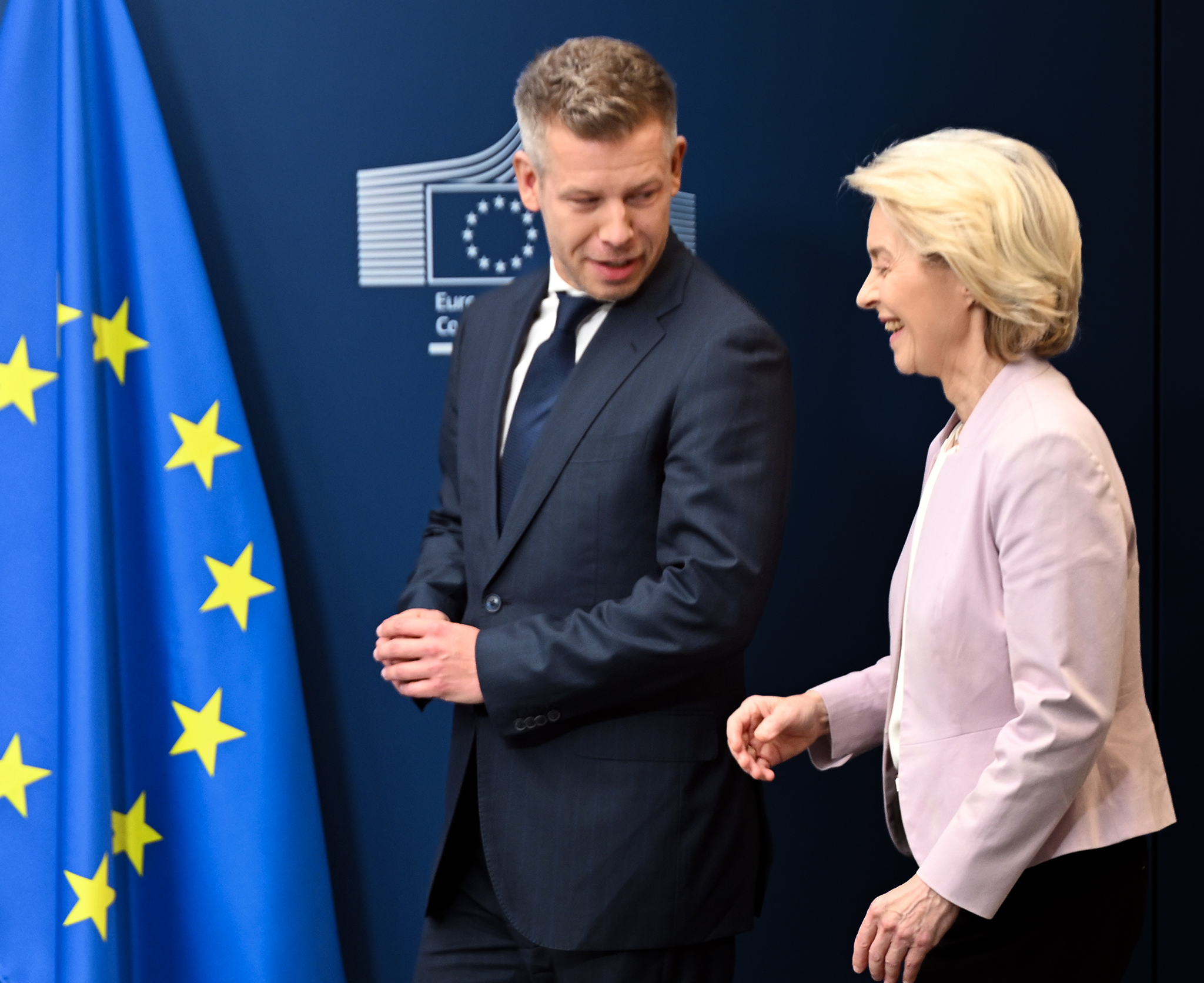
Orban turned to Magyar's government with a pointed analogy, saying it was "slowly getting into a violent relationship with the whole country" and that "today the country is Judit Varga". The reference was to the former justice minister and Magyar's ex-wife, from whom he separated in March 2023 in what he has described as a break partly driven by political differences. Varga has accused Magyar of physical and verbal abuse, including locking her in a room; he dismisses the claims as propaganda orchestrated by Orban's entourage. No court has issued a ruling.
Orban promised that Fidesz would be rebuilt into an orderly, strong and friendly community by the end of the summer and issued a warning for the autumn: "If things go on like this, in the autumn will come the time of resistance, the time of the great national Patriot movement. By the time the leaves fall, a renewed Fidesz must be ready." He predicted it would soon become clear how long the country would tolerate being "constantly abused" by the government and how long it would accept liberal politicians experimenting on families.
Magyar responded briefly on Facebook, accusing Orban of holding Fidesz hostage and blocking accountability and renewal. "He was speaking as Secretary General of the MSZMP [Hungarian Socialist Workers' Party, ed.] and he is pushing his party in the same direction", the prime minister wrote.
(mti, index, luc)