
US President Donald Trump wrote on Truth Social on Sunday evening that “The Deal with the Islamic Republic of Iran is now complete”. Shortly beforehand, Pakistani Prime Minister Shehbaz Sharif, whose country mediated the talks, announced that the two sides had reached a deal.
The memorandum of understanding is scheduled to be formally signed in Switzerland on Friday. Its precise terms have not yet been made public. Sharif said the pact called for “the immediate and permanent termination of military operations on all fronts, including in Lebanon”.
Lebanon had been one of the main sticking points in the negotiations. Israel and Hezbollah have ignored repeated calls to halt their attacks on each other in recent weeks.
The secretariat of Iran’s Supreme National Security Council said that war and military operations on all fronts, including Lebanon, would end permanently on Monday night.
Iranian Deputy Foreign Minister Kazem Gharibabadi said that a broader accord would be negotiated during a 60-day ceasefire. The discussions are also expected to cover sanctions relief for Tehran.
The future of Iran’s nuclear program remains unresolved. Sources previously told Reuters that the issue would be addressed in the next phase of negotiations.
Israel, which did not take part in the US-Iran talks, did not immediately respond to the announcement.
Strait of Hormuz Set to Reopen
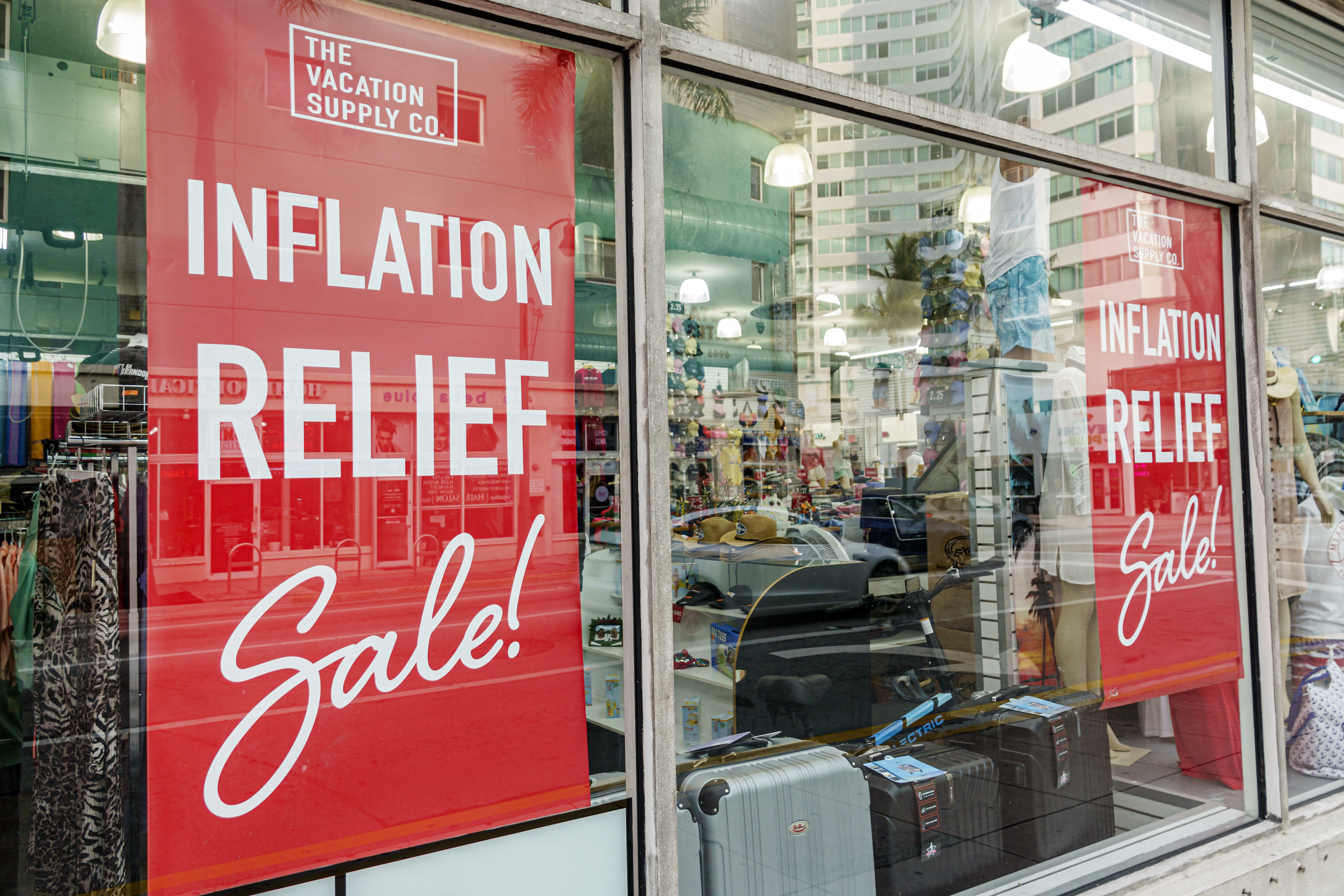
Trump said the Strait of Hormuz, a major shipping route for global oil and gas supplies that Iran has effectively shut down for months, would reopen on Friday. He also announced that he had ordered an end to the US blockade of Iranian ports.
“Ships of the World, start your engines. Let the oil flow!” Trump wrote.
Financial markets reacted immediately. Brent crude futures fell 4% in early trading on Monday, while US West Texas Intermediate crude dropped by more than 4.6%. Asian stock markets rose sharply.
Matthew Miller, a former State Department spokesman under President Joe Biden, said Trump had made significant concessions to Iran merely to restore the situation that existed before the war began.
“We have no assurances the nuclear program will ever be addressed, but Iran has shown the world it can take the global economy hostage and get something from the U.S. in return”, Miller said.
Political Fallout at Home
Thousands of people have been killed, mostly in Iran and Lebanon, since US and Israeli forces first attacked Iran on 28 February.
Iran subsequently struck Israel and Gulf states hosting US bases and effectively blockaded the Strait of Hormuz, driving up global energy prices. US forces responded by blocking Iranian ports.
The war has become a political liability for Trump and congressional Republicans. Opinion polls have shown deep frustration among American voters over rising gasoline prices ahead of November’s midterm elections.
Trump has also faced pressure from members of his own party who insist that Iran’s nuclear program must be completely dismantled.
Republican Senator Lindsey Graham, a leading Iran hawk, welcomed the deal but said he would be “watching closely” the forthcoming nuclear negotiations.
“Under our law, any nuclear deal with Iran will be sent to Congress for review and a vote”, he said. “Congratulations to all in getting us to this point.”
During his first term, Trump withdrew the United States from the 2015 multilateral nuclear agreement negotiated under Democratic President Barack Obama. The deal had lifted sanctions on Tehran in return for restrictions on its nuclear program and international inspections.
Iran later intensified its uranium enrichment and produced more than 400 kg of material at close to bomb-grade purity. The fate of that stockpile is expected to become one of the main issues in the next round of talks.
International Response and Unresolved Questions
The pact was reached despite an Israeli strike in Lebanon on Sunday that drew criticism from both Iran and Trump.
Israeli Prime Minister Benjamin Netanyahu has resisted US demands to restrict Israel’s military operations in Lebanon while Washington seeks an accord with Tehran. Israel has said it will retain freedom of action in Lebanon, whereas Iran has made a full ceasefire there one of its main demands.
Trump informed Netanyahu of progress toward the deal during a telephone call on Sunday, Israel’s N12 reported, citing a senior official.
In an interview with the New York Times, Trump called Netanyahu “a very difficult guy” and argued that the Israeli leader should thank him for saving Israel from a nuclear-armed Iran.
The United Kingdom, Germany, France and Italy welcomed the announcement and said they were prepared to lift sanctions in response to “clear, verifiable steps” restricting Iran’s nuclear program.
“We are clear that toll-free freedom of navigation must now be restored in the Strait of Hormuz”, British Prime Minister Keir Starmer said. “Iran must never have a nuclear weapon.”
The preliminary deal will also dominate discussions at the Group of Seven summit in Évian-les-Bains, France, from 15 to 17 June. Leaders are expected to press Trump for further details of the pact, whose precise terms remain unclear.
Trump is due to meet Middle Eastern leaders at the summit. Representatives of the United Arab Emirates, which was directly affected by the war, and mediators Qatar and Egypt will also attend.
(est, reuters)