
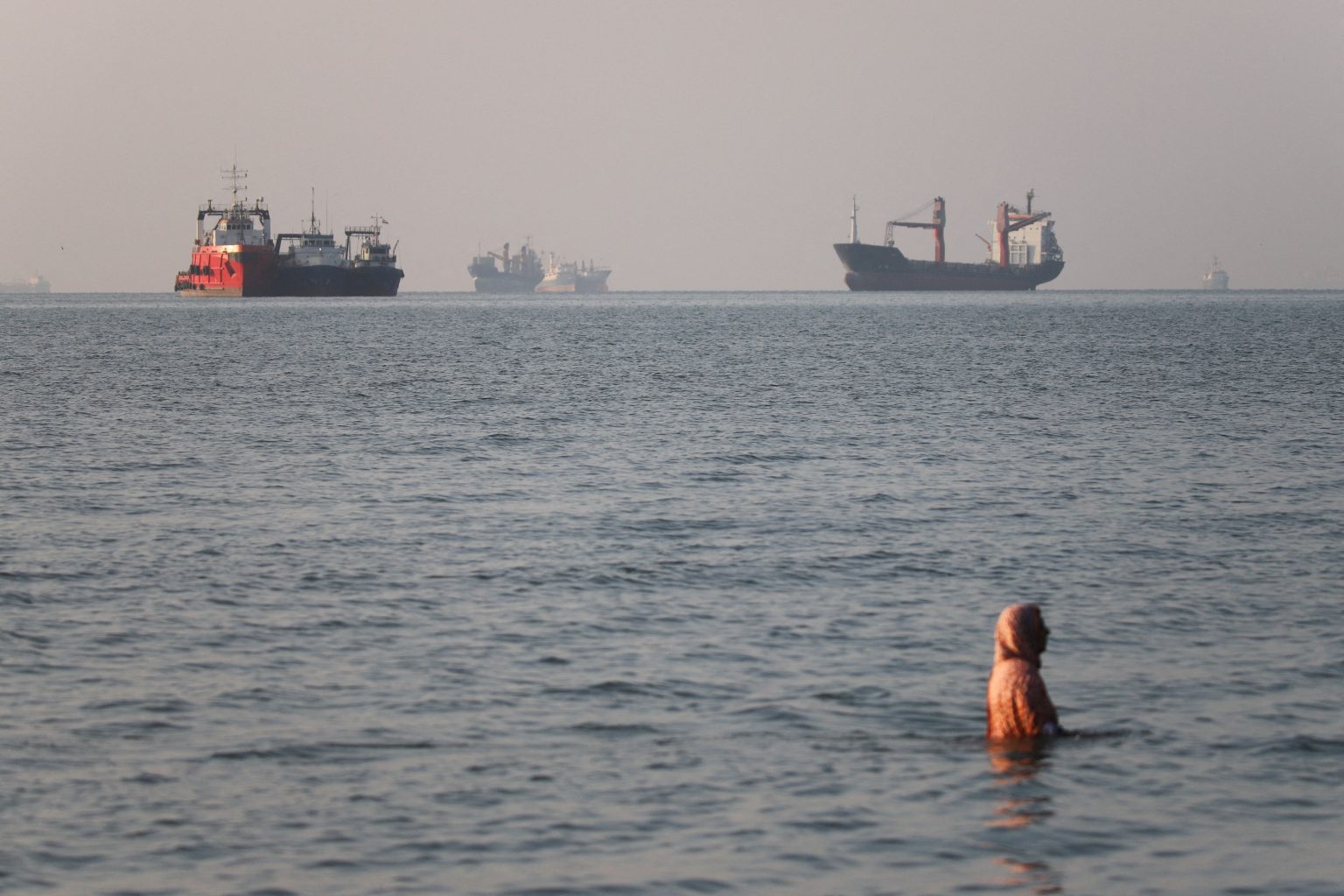
The US military said on Sunday that it had struck Iran again, only hours after a tanker was hit in the Strait of Hormuz, in the most serious escalation since the two sides signed a temporary peace agreement on 17 June.
The US had already struck Iran on Friday, in response to an attack a day earlier in which Tehran hit the container ship Ever Lovely. Iran answered the US strikes by hitting another commercial vessel.
US Central Command said its forces had launched a new wave of strikes. In Iran, the state-run Islamic Republic of Iran Broadcasting reported early Sunday morning local time that explosions had been heard in the southern city of Sirik, without giving further details.
“Iran was given a chance to honor the ceasefire agreement but elected not to”, US Central Command said in a statement, adding that the strikes were “in direct response to continued Iranian aggression against commercial shipping” and had targeted Iranian military facilities used for surveillance, communications, air defense, drone storage and mine-laying.
The Iranian Revolutionary Guards responded with strikes on targets in Kuwait and Bahrain, warning that any further aggression would be met with a “decisive response”.
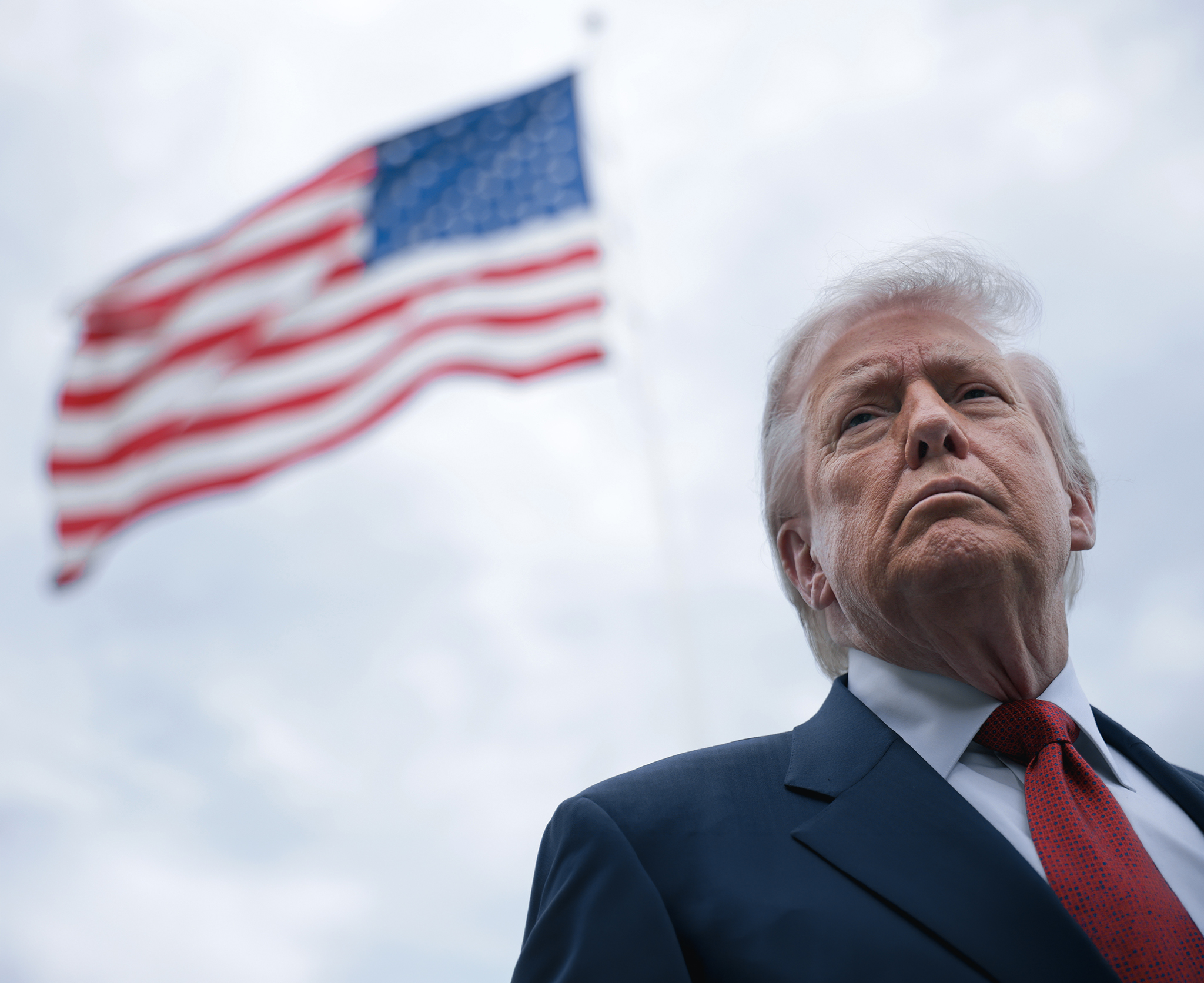
US Vice President JD Vance said Washington had upheld its side of the ceasefire. “Iran signed a ceasefire agreement. We have honored it”, he said. “If they have disagreements about how the MOU is being applied, they can pick up the phone. But violence will be met with violence.”
Iran Pushes Ships Toward Its Own Waters
Iran has not directly commented on reports of specific attacks on ships. Iranian state television, however, reported that the Revolutionary Guards had fired “warning shots” at unspecified vessels attempting to pass through channels not approved by Iran and said this was now prompting other ships to seek Iranian permission before crossing the strait.
Hundreds of ships, including oil tankers, have been blocked in the Persian Gulf since the war began. Oil prices fell to near pre-war levels over the past two weeks as ships resumed passage through the strait and supply increased.
Washington is pushing for a southern route along the coast of Oman. Tehran, whose ultimate goal is to collect tolls for use of the strait, wants ships to use the northern route, through its own waters and under its control.
Lebanon's Truce Is Also Unraveling
Iran has also accused the United States of failing to comply with the temporary agreement, specifically of failing to uphold the promised ceasefire in Lebanon.
Israel and Lebanon have repeatedly agreed to US-brokered ceasefires, the most recent announced on Friday. These agreements have had only limited effect, however, with Israel insisting it will not withdraw from territory it has occupied in the country and Hezbollah repeatedly rejecting calls to lay down its arms as long as Israeli troops remain there.
Lebanese state television reported an Israeli drone strike in the Nabatieh area in the south of the country on Saturday. The Israeli military said it had targeted an individual who posed a threat to its troops.
(Reuters)