Two-Tier Access: EU’s New Creator Passes Come with a Loyalty Test

The Council of the European Union wants online creators at EU summits from July. Member states are being told not to nominate anyone who has published views against EU values.

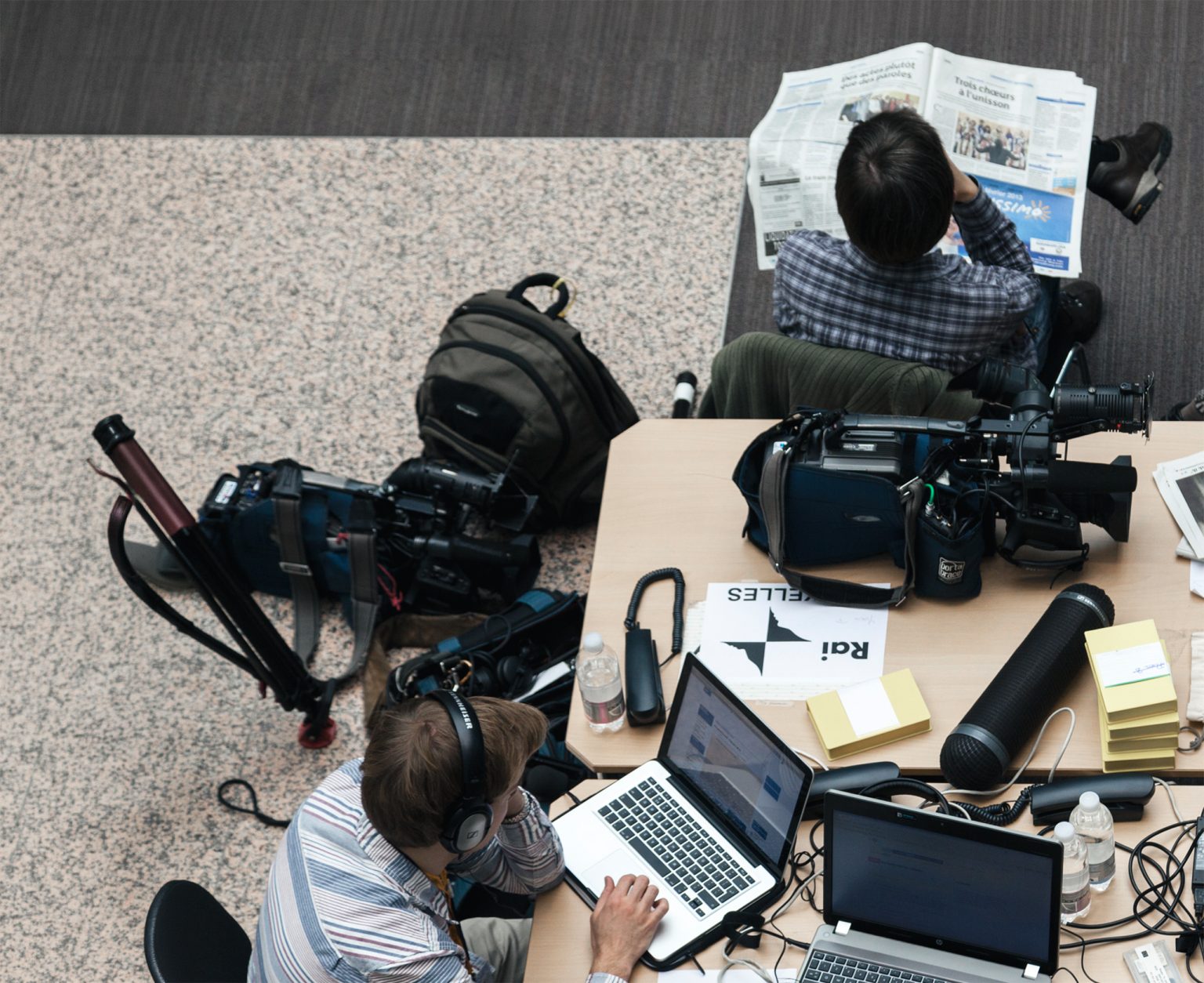
Journalists read newspapers and work on laptops.

Journalists read newspapers and work on laptops on the first day of a European Council summit at EU headquarters in Brussels, Belgium. Photo: Sander de Wilde/Corbis via Getty Images

The Council of the European Union wants to allow influencers to attend EU summits and selected ministerial meetings from July, alongside already accredited journalists. YouTubers, TikTokers and Instagrammers are meant to report from Brussels and reach audiences that have so far paid little attention to traditional EU coverage.

Yet access to these events comes with a loyalty test. According to leaked guidance, member states should not nominate creators who have published “views against EU values”. In other words, anyone who has expressed contrary opinions is supposed to be kept out and barred from reporting.

What exactly counts as such a view remains unclear. Criticism of EU migration policy, attacks on climate rules, mockery of Ursula von der Leyen or Euroskeptic posts could be enough to deny access if an official classifies them that way. There is no clear list of topics or statements deemed to violate “EU values”.

Meanwhile, the great outcry from the established press over this apparent attempt to permit only a form of courtier journalism has failed to materialize. Many journalists do not see digital content creators as colleagues. They are regarded as influencers, not as press. Professional rivalry, or even envy at huge follower numbers, surely plays a part. As a result, the attempt to pre-censor this kind of reporting is not being criticized as an attack on press freedom.
Brussels is testing an ideological filter on a group that enjoys less protection.

Culture Wars? Brussels Plans Up to €10bn for NGOs, Media and Culture

You might be interested Culture Wars? Brussels Plans Up to €10bn for NGOs, Media and Culture

The Screening Starts Before Entry

The other criteria for EU access appear less alarming. Creators are supposed to have a relevant audience in their country, cover politics or EU issues regularly and have no major, long-term advertising deals with brands. Office-holders and political candidates are excluded.

The Council stresses that creators would be accompanied and would not be treated as media. They would not receive normal journalistic status. Nor would they be given the same access to press events. This creates a second class of political reporting. Creators bring reach and images. They are given proximity to power, but no real press rights. First, the state checks their old posts.

For Brussels, this is ideal. A traditional journalist can invoke his newsroom, his association and press freedom. A creator receives an invitation or does not. If he fails to report as expected, he can lose his access again. Exclusion requires no major explanation.

The International Press Association criticized the plan. But its focus was not on the restricted access given to influencers, but on funding, transparency and journalistic ethics among creators. In other words, the suspicion is directed more at influencers than at the EU administration. These questions are legitimate. The political filter, however, matters more.

The Filter Is at the Door

The EU does not have to censor anyone openly. The selection takes place before the event: an old post, a video, a comment, an archive find – and no invitation arrives.

This creates subtle pressure without any written notice. Anyone who wants access to EU events in the future will think in advance about which criticism could later hurt him. The sharp piece on migration is left unpublished. The video about the Commission becomes milder. The mockery of Brussels disappears from the script.

Brussels' Power to Censor Is on Trial, and Silence Is Not an Option

You might be interested Brussels' Power to Censor Is on Trial, and Silence Is Not an Option

The Council presents this as an opening to new forms of media. In reality, access is tied to political acceptability. The EU wants the reach of influencers, but not their unpredictability.

Legacy media in particular should be paying close attention. Today it affects creators. Tomorrow the same logic could be applied more broadly. Anyone who makes access to power depend on the mindset and docility of journalists interferes with free reporting.