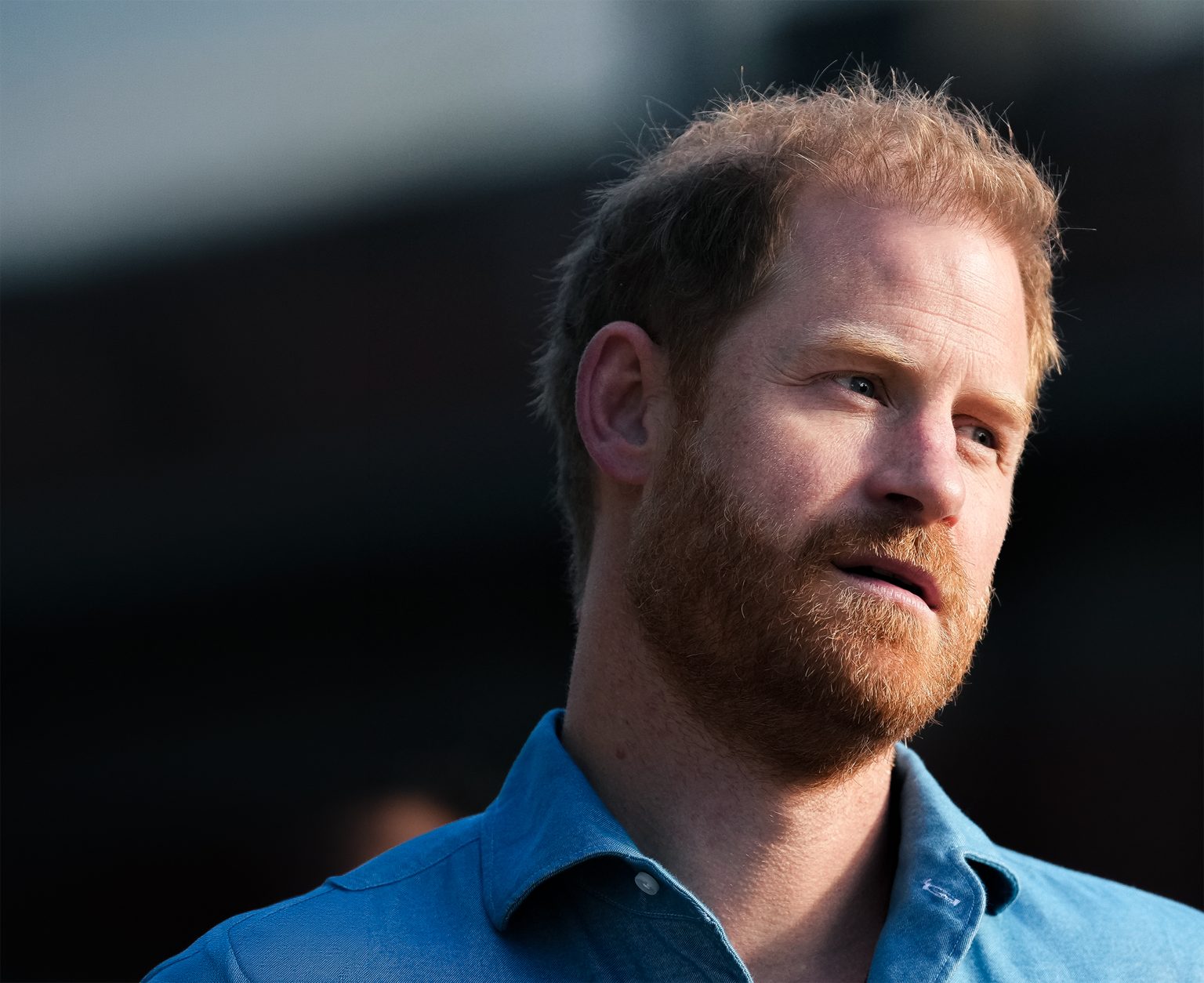
The Duke of Sussex – the artist formerly known as Prince Harry – lost his case against the Daily Mail this week in a ruling that was a major blow to the royal, but a major victory for free speech and the rights of journalists.
The case centered on one proposition: whether the media, in obtaining stories about Harry and a slew of other celebrities, had acted illegally. The Duke and his co-complainants were entirely incapable of proving that their privacy had been breached.
You might be interested
How Many Planes Do You See, Winston?
Guilty Until Proven Innocent?
At issue in the case was a central set of facts: stories had been published by the Mail, the Duke claimed, that the paper could simply not have obtained by fair means. These included reporting on his personal life and girlfriends, his whereabouts and various other stories ranging from gossip to reporting on the royal finances. Since the newspaper had no obvious or convincing explanation for how it had sourced these stories – and since their accuracy was not at issue – the Duke invited the court to come to what he considered to be the obvious conclusion: that reporters had hacked his phone and other communications systems in order to spy on him.
From the beginning, what Harry wanted was always a dubious prospect as a matter of law. In essence, he was arguing that in the absence of a clear explanation for the provenance of the stories which accorded with law, the courts should infer that the law had been broken. Or, in other words, it was for the paper to prove that it had acted lawfully, rather than for the Duke and his co-complainants to prove that the law had been broken. In plain English, the prince wanted the Daily Mail to be guilty until proven innocent.
You might be interested
Thomas Paukner Changes the Rules of Czech Media Space
To be clear, many of the stories at issue in the trial were, by most objective standards, mere gossip and tittle-tattle that were of limited news value: the prince’s partying, his relationships and his attitudes to other members of his family, for example. It is not hard to sympathize with his central objection to the paper’s reporting, which was that it conducted regular and unjustified invasions of his privacy in order to sell papers.
Certainly, high-minded journalists for other, more self-regarding papers will have sympathized with him: the tabloid press treats the phrase “public interest” very literally, often considering something to be news simply because the public has an interest in it, rather than because doing so will advance some great cause of truth or understanding.
The Price of Privilege
But this is, the paper argued, the price of his title: Harry Mountbatten-Windsor was born to a life of scrutiny, but also one of great privilege. He has access to vast unearned wealth and celebrity that accrues entirely from winning a genetic lottery rather than true achievement. Even those riches which he has earned – through, for example, his book and Netflix series – have been on foot of opportunities afforded to him which would never have come his way had he been born the second son of a taxi driver, rather than a king.
This is, really, the central dispute: exactly how much privacy are the British royals entitled to, given that on the one hand none of them chose their roles or prominence and on the other that those same roles are attached to monumental privilege and comforts not customarily afforded to their subjects?
The court, of course, did not rule on that question, which remains a live one and a matter for debate and discussion between the press, politicians and the public.
You might be interested
Australian PM Albanese Falls into Politics’ Relatability Trap
Wealth Used as a Muzzle?
But the court ruled on a more important principle: that those, even the wealthy and the powerful, who go to court must prove their case. An element of this matter which has been under-discussed is the extent to which the complainants – who included other super-wealthy and privileged figures like Elton John and Hugh Grant – attempted to use their considerable wealth to wage a campaign of lawfare against the press, whose own wealth and power have considerably declined in recent years.
It is to the credit of the Daily Mail and its ownership that the paper fought this matter to the bitter end, rather than, as many observers had expected, arriving at some form of financial settlement and apologizing. Had the Mail admitted wrongdoing, the political momentum for some form of regulation of the media might have been overwhelming – which was the stated intent of many of the complainants, including Harry himself.
In a democracy, freedom of the press is paramount. In this case, the son of a king – to the embarrassment, it should be noted, of his own family – has attempted quite nakedly to muzzle the media from reporting on his life and his activities. That he has been thwarted in that attempt is a sign that in Britain, at least, the rights of the fourth estate remain protected. Long may that remain the case.