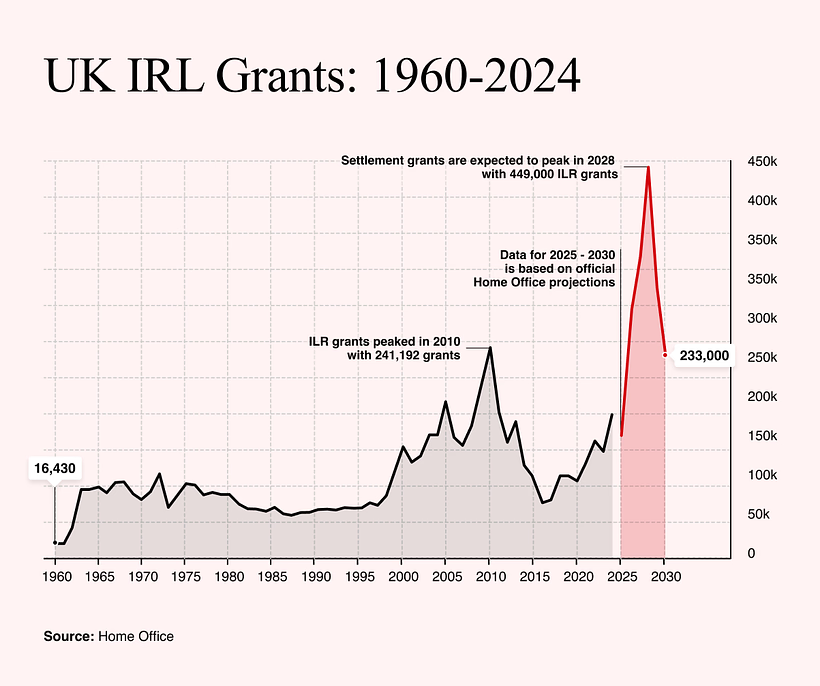
As many of those migrants approach eligibility for permanent residency, the government faces a politically difficult question over how the settlement system should operate. Estimates suggest that around 1.6 million people could become eligible for ILR during the coming years.
Under current rules, migrants granted ILR gain access to public funds on the same basis as British citizens, including benefits such as Universal Credit and the state pension.
Supporters of extending the residency requirement argue that delaying settlement would reduce long-term fiscal pressures and encourage greater economic integration before migrants obtain permanent status. Others contend that changing the rules after migrants entered the country under the existing system would be unfair and could undermine confidence in Britain's immigration framework.
Divisions Inside Labour
The debate has exposed divisions within Labour.
Victims Minister Catherine Atkinson recently declined several opportunities during an interview with GB News to endorse the proposed ten-year requirement, saying the government would await the outcome of its consultation before making a final decision.
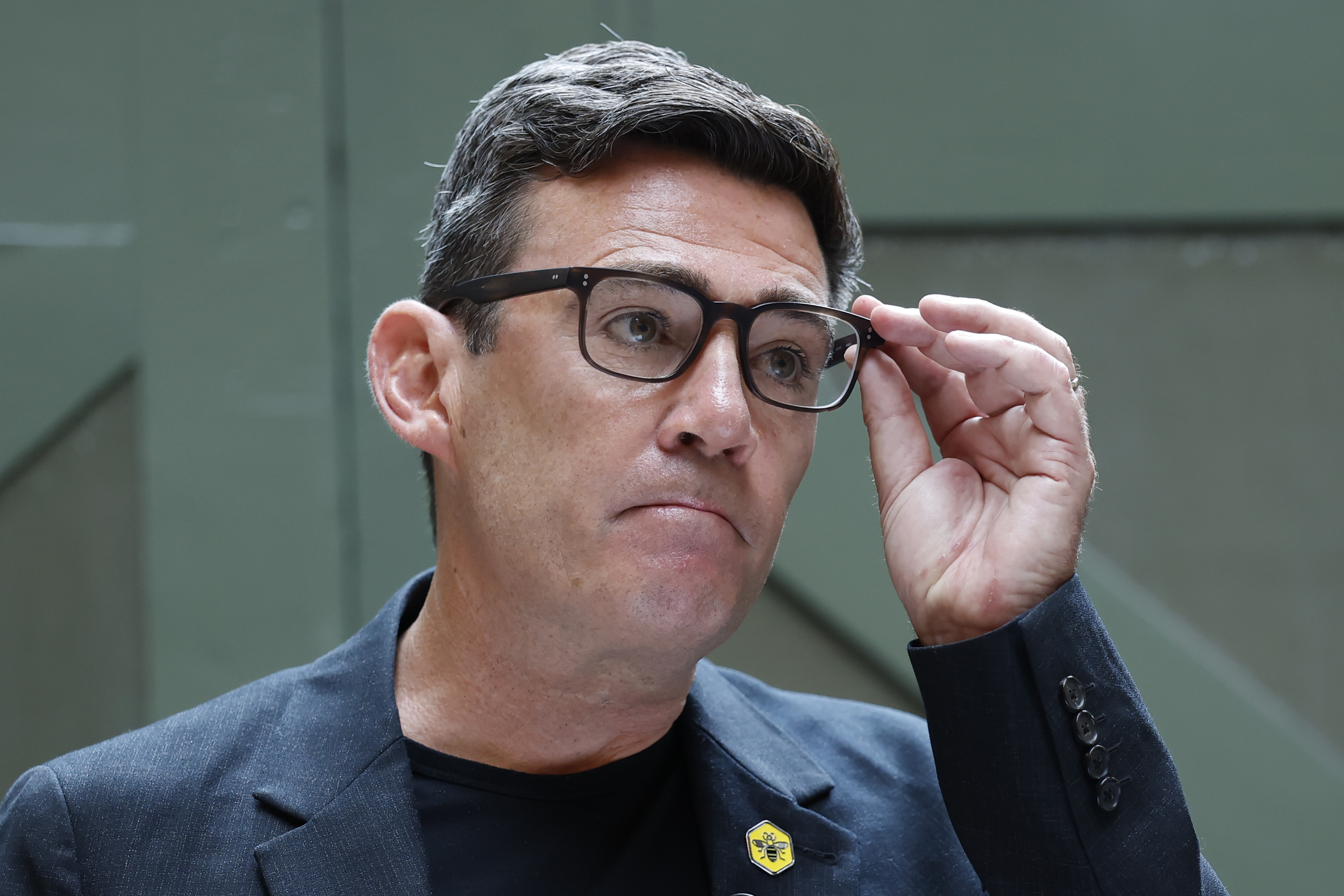
More concretely, a group of 80 Labour MPs signed an open letter calling on Andy Burnham, who will almost certainly be the next prime minister, to reject the reforms to legal immigration. Last night there was a rebellion by 14 Labour MPs against stronger rules on asylum, showing that many in the party are unhappy with more immigration restrictions, even when they have public support.
The plan to delay access to welfare benefits rather than postpone permanent residency has also drawn criticism from both sides of the debate. Opponents of tighter immigration controls argue that additional restrictions are unfair on migrants who came expecting residency after five years, while advocates of stricter policies question whether delaying benefit eligibility would significantly alter the long-term financial implications of record migration.
Reform UK chairman Zia Yusuf has already criticized the reported compromise, arguing that it would fail to address what his party describes as the lasting consequences of the Boriswave and saying that the party would “reverse” it.
Political Stakes Extend Beyond the Home Office
The debate also comes as the government continues to deal with high levels of asylum applications, pressure on accommodation for asylum seekers and continued scrutiny of both legal and illegal migration.
Although net migration has fallen from its record peak, annual legal arrivals remain historically high. Many analysts note that the effects of previous years’ migration will continue to shape public policy for years to come as increasing numbers of migrants become eligible for permanent settlement.
The issue is also politically significant for Andy Burnham, who now has enough MPs supporting him to become the next prime minister and who has indicated his support for tighter asylum measures despite opposition from some Labour MPs.
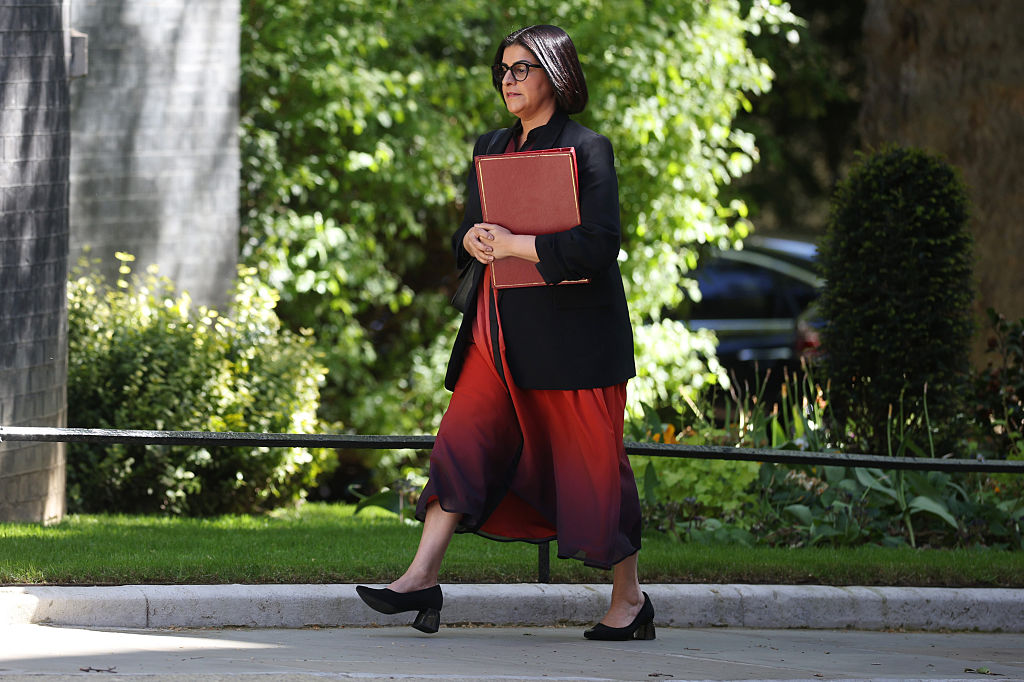
For Mahmood, the decision has become an early test of Labour's ability to balance competing priorities: responding to public concern over immigration while maintaining unity within a party that remains divided over how far restrictions should go.