
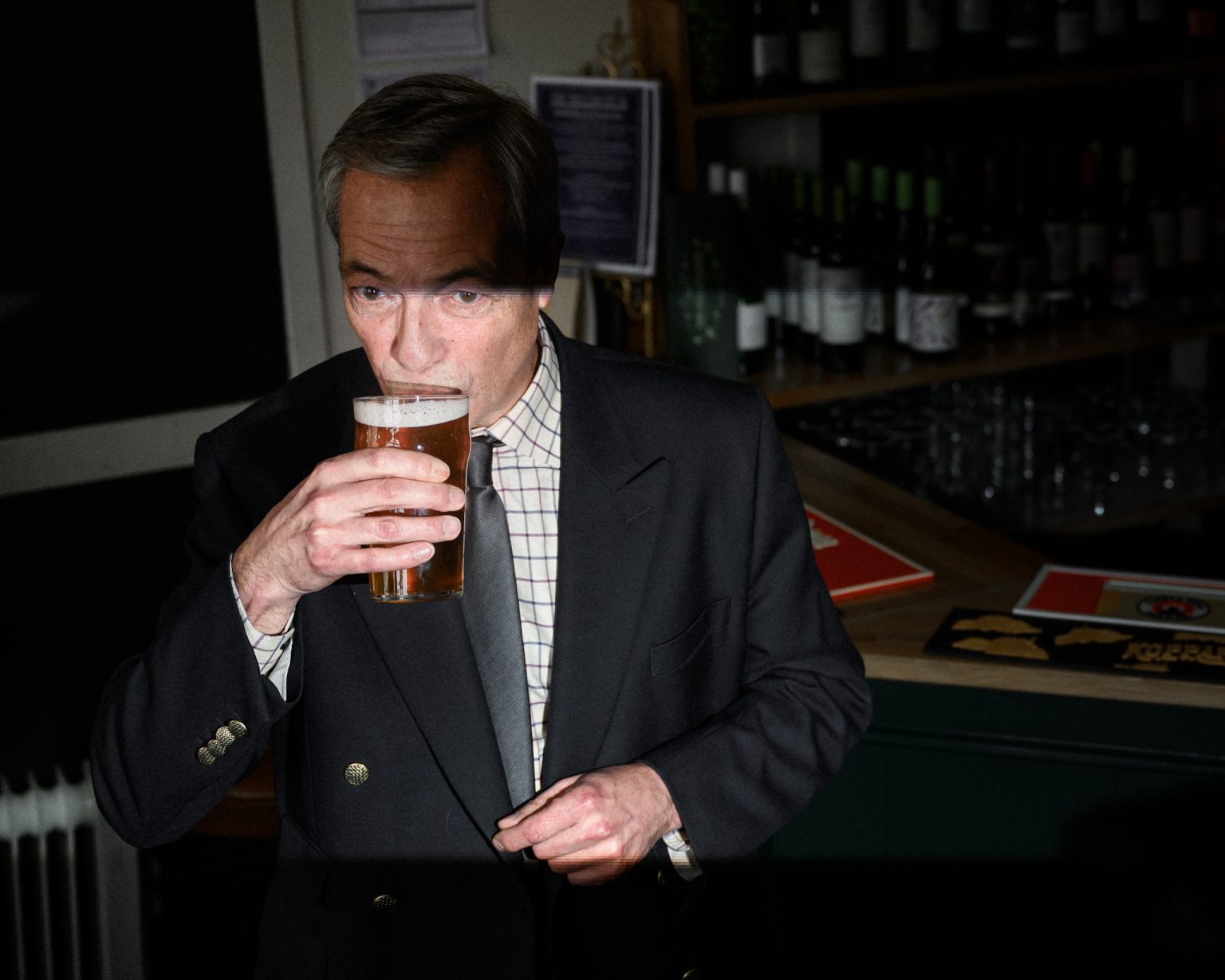
Should politicians have a dress code? That may seem, at first blush, to be a strange question – but not strange enough for Staffordshire County Council in the United Kingdom, which has taken up the issue with some enthusiasm.
The council, which was one of the earliest such bodies to come under Reform UK control in May 2025, is moving to implement a full and restrictive dress code for its members on all public, civic and political occasions. The new rules are unusual in that they are not particularly prescriptive about what must be worn, but are quite specific on what may not be worn by a councillor in the performance of his or her duty.
“Smart casual”, the council says, is to be the general requirement. On the banned list? Sportswear and tracksuits; shorts; clothing bearing any sort of political messaging, including lanyards, badges, rosettes, flags and so on; and hats or caps, other than for medical or religious reasons.
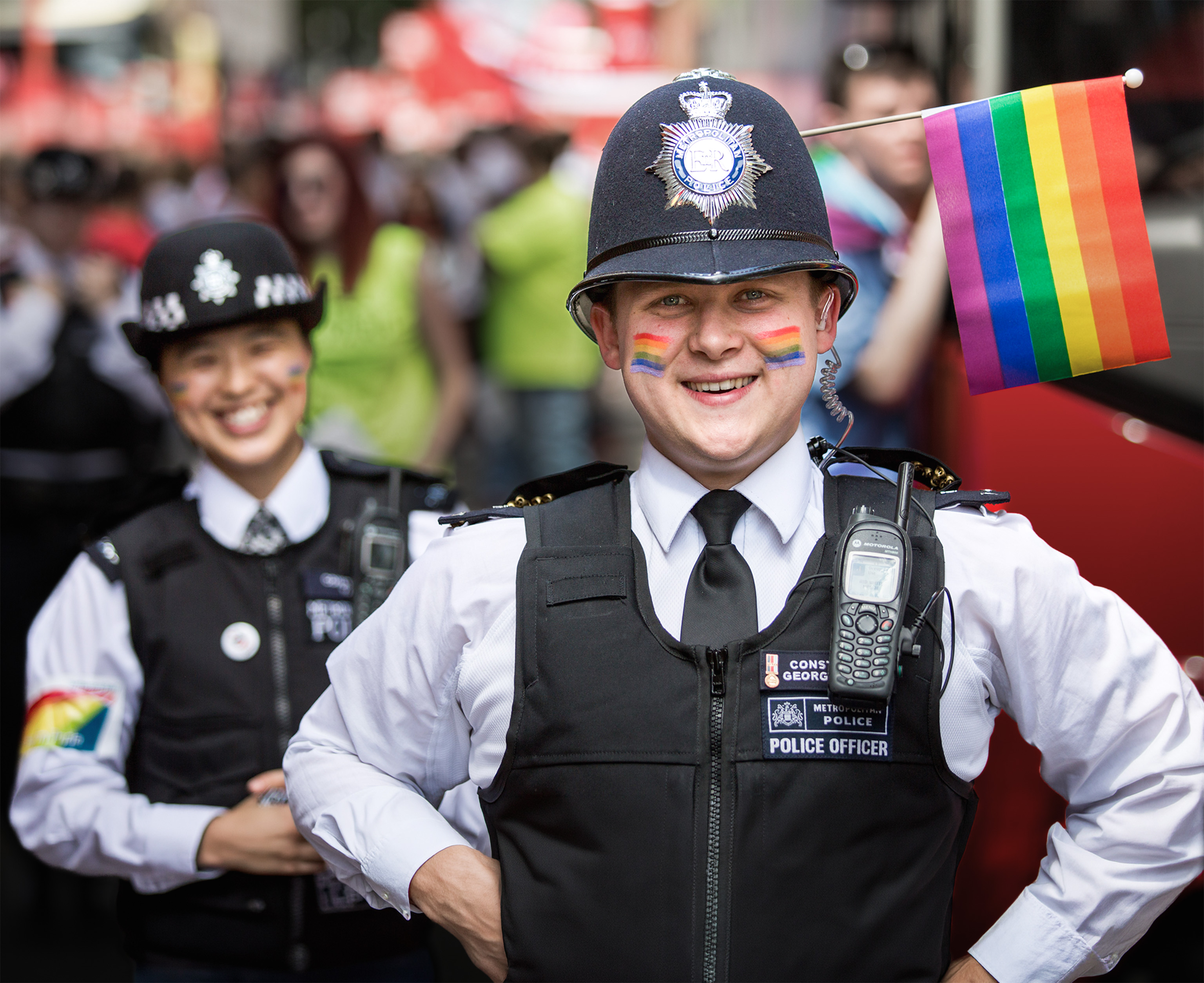
Some exceptions are permitted, the council’s new code says: “Permitted items would include military medals and insignia, when worn appropriately and legitimately, small pin badge of Union Jack or St George Cross without any additional wording or alteration, and the Poppy.”
Palestinianism Targeted
It is not hard to see the purpose and thrust of the dress code: the public wearing of political insignia would clearly include, for example, the Palestinian keffiyeh scarf so beloved of politicians of the left in Britain. In addition, it would explicitly prohibit LGBT items such as rainbow badges and indeed a raft of other political insignia disproportionately favored by the left, which tends in the West to be more keen on literally wearing its beliefs on its sleeves than is the right.
Critics will reasonably point out that the code conveniently makes exceptions for displays of patriotism and nationalism, and commemoration of Britain’s war dead – and might reasonably note that, from a certain point of view, these exceptions constitute political iconography in their own right.
Nevertheless, the more interesting question is probably the general principle: to what extent, in a free society, do politicians have the right to regulate what the public’s elected representatives wear?
Freedom or Dignity?
It is tempting to dismiss the Reform council’s plans as a kind of right-wing woke authoritarianism, a simple desire to impose the likes and dislikes of one set of politicians on another, or to score a cheap partisan point. But, on the other hand, the existence of dress codes is something that humans have recognized as important for centuries.
Would the authority of a supreme court, for example, be imperiled if judges discarded their robes and instead chose to don football shirts and baseball caps? The question is evidently rhetorical: judicial robes exist to convey an instantly recognizable sense of authority and seriousness, and signal that their wearer represents an authority and seriousness that is not to be lightly trifled with.
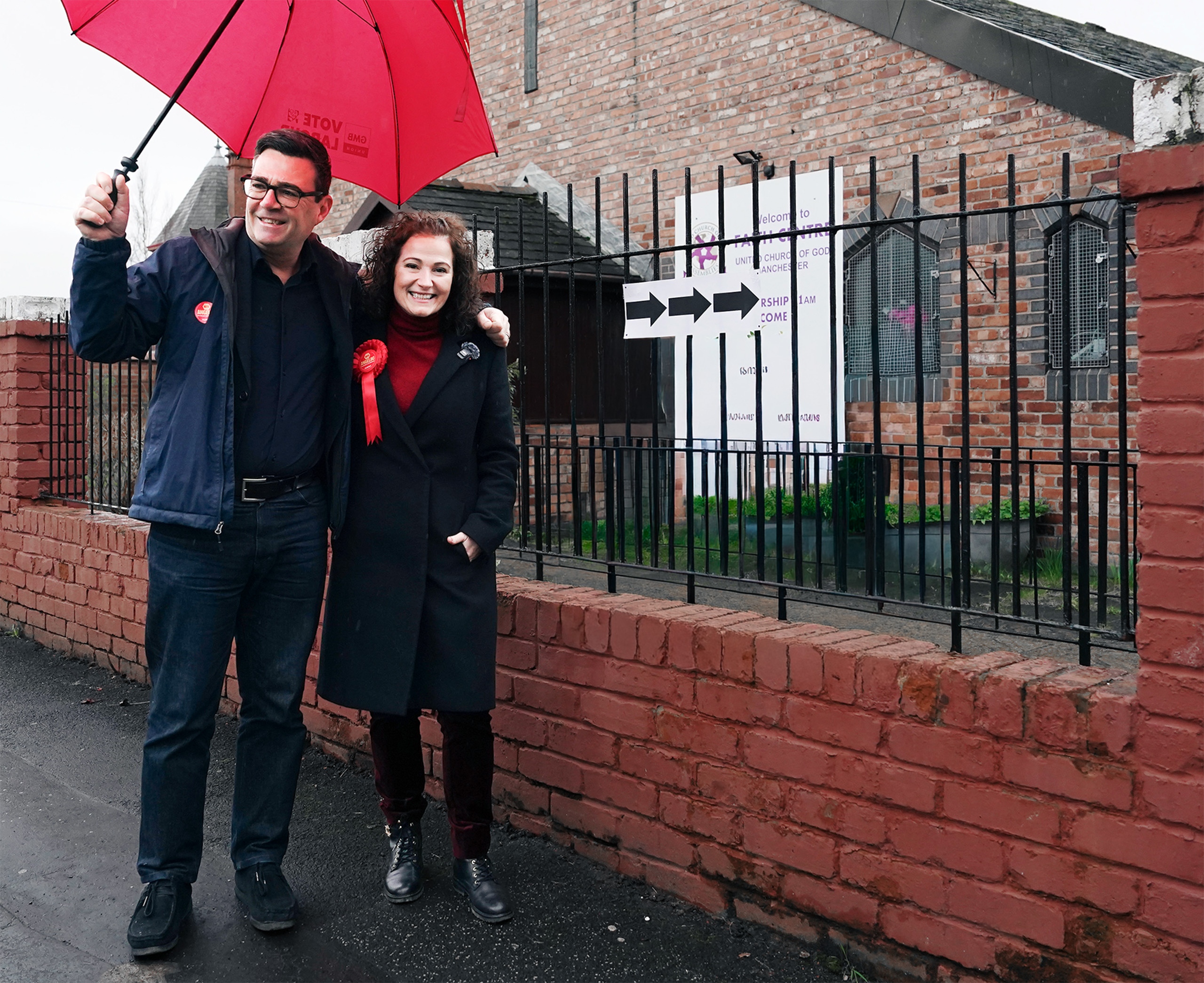
Further, there is an important democratic point: while elections to political offices are, of necessity, partisan and political, the offices themselves are not. The winner of an election is supposed to, under every theory of democracy, act as a representative and delegate on behalf of all of his or her constituents, not simply those who agree with him. Having politicians wear materials which show extreme contempt for the views of some of their constituents may therefore be a real barrier to political representation.
What is more, the badge, the scarf, the lanyard and the flag all allow a politician to say something without having to argue for it. There is a strong argument that democracy is weakened when certainties are asserted and not debated.
The last point in defense of the dress code is that politics is not some exceptional profession. Most jobs have rules about what you wear. A school conscious of its duties to its students would, rightly, not permit a teacher to arrive in class draped in partisan political paraphernalia. An accountant would not impress his employer if he arrived at a client meeting in a Liverpool shirt. Banning people from dressing in a particular way does not restrict their freedom to hold or express political views – it merely confines that activity to the appropriate arena.
The Inescapable Hypocrisy Charge
The problem for Reform’s councillors, therefore, is not the ban but the carefully crafted exemptions to it. Those exemptions rather conveniently favor Reform’s political worldview, encouraging as they do expressions of British and English nationalism and reverence for the British Army.
After all, if the political arena is not ultimately for the expression of political views, where is it? And if voters do not value dignity in office, but instead wish to choose as their representatives individuals who daub themselves from head to toe in radical-left insignia, why should voters not be so permitted?
This column, with some reluctance, probably must come down on the side of free speech and free expression: if a politician wishes to turn himself into a human billboard and, in the process, disrespect the political chamber of which he is a member, as well as his constituents, he should be free to do so. Voters have a responsibility to protect the dignity of their institutions. If they do not wish to do so, then that perhaps is the bigger problem – and not one likely to be solved by the imposition of a set of rules about what to wear and when.