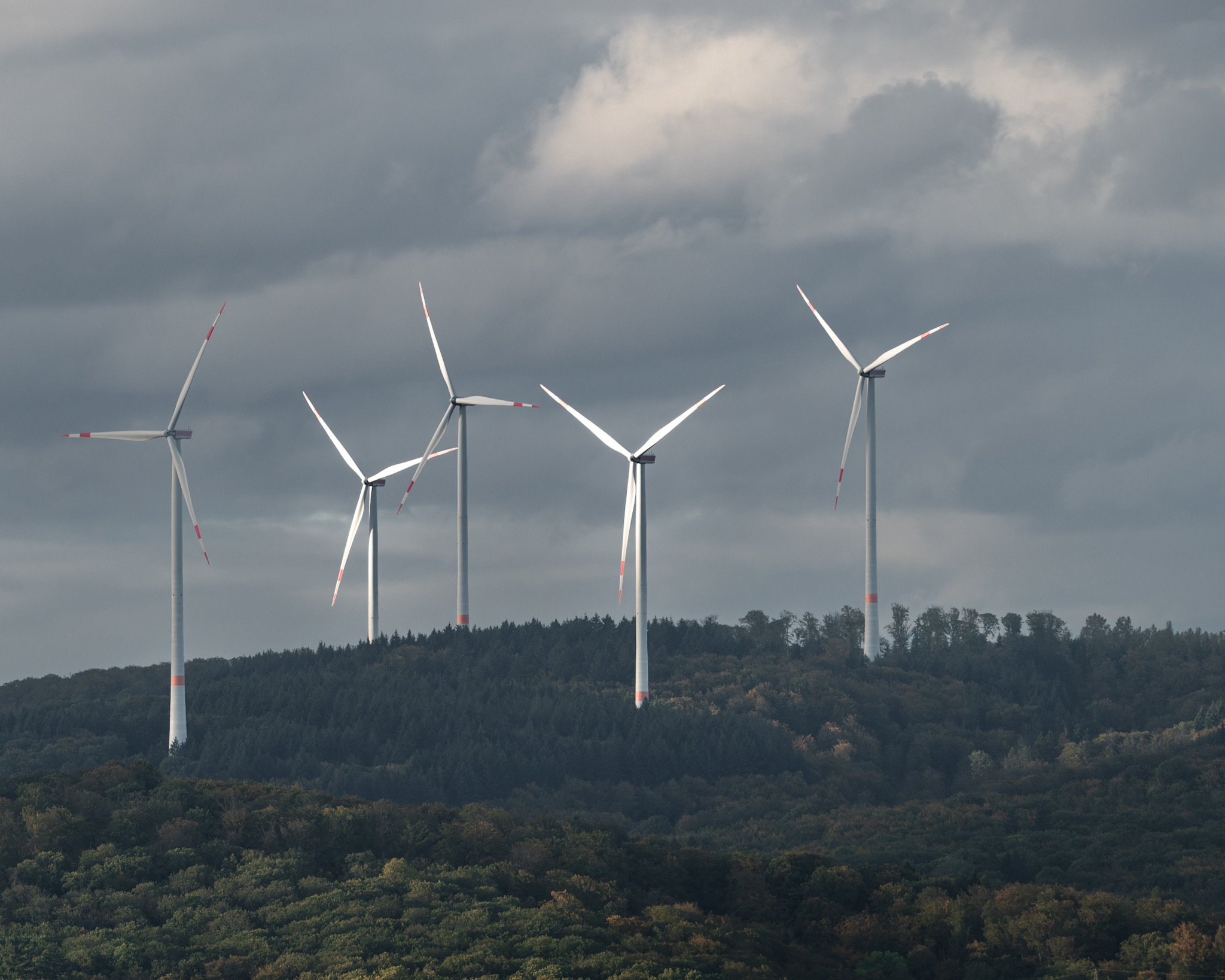
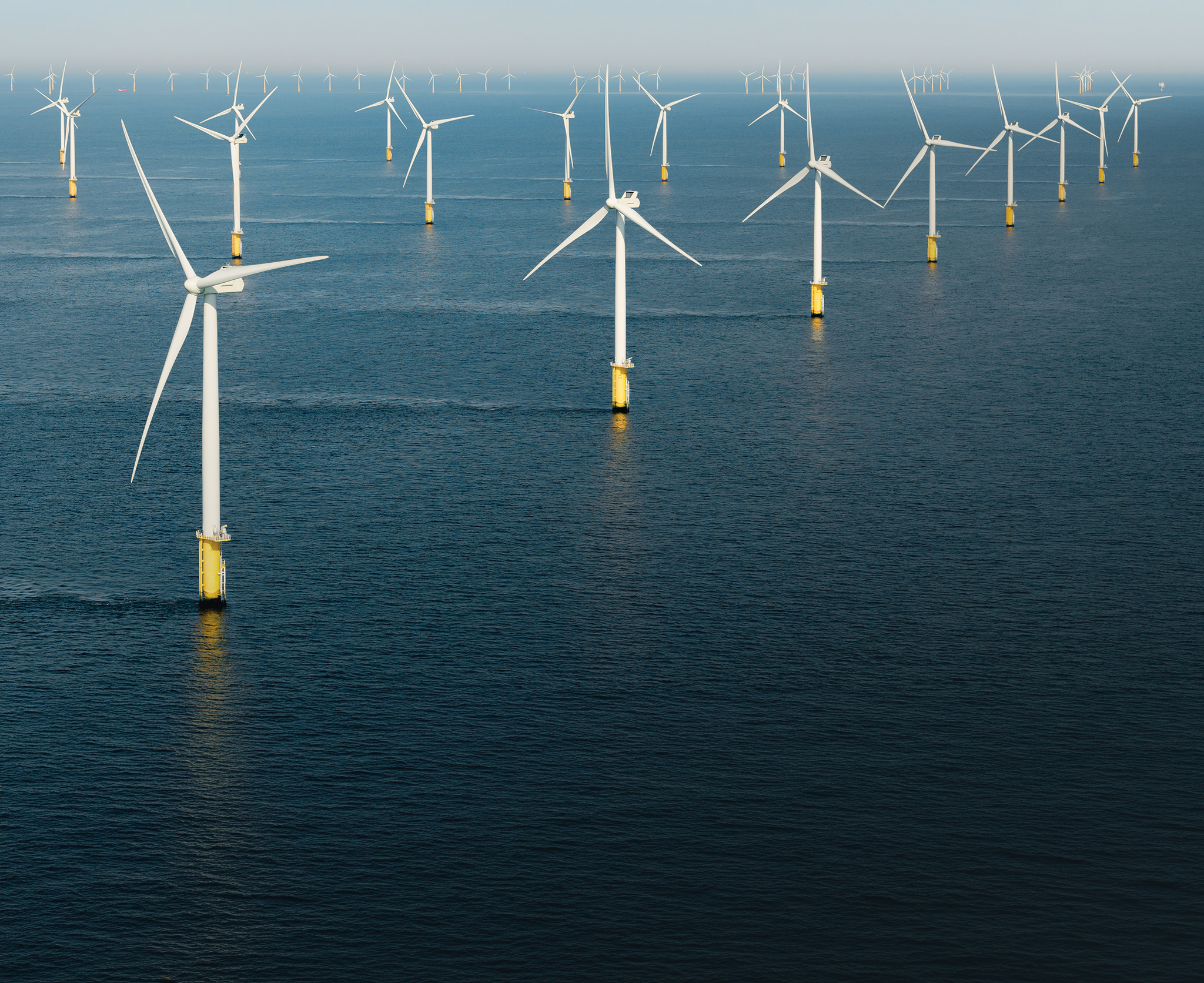
Wind turbines can produce cheap power, but without stronger grids, further expansion may bring more costs than benefits. Photo: Sean Gallup/Getty Images
The Hidden Costs of Germany’s Wind Power
Germany is relying on wind power as a central pillar of its energy transition. However, its rapid expansion is exposing the costs of a weather-dependent electricity system – from congested grids and curtailment to storage requirements and the need for dispatchable backup power.
Germany is rapidly expanding wind power as it seeks to decarbonize electricity generation. But this brings challenges of its own. Much of the country’s wind power is generated in the north, while major centers of industrial demand lie in the west and south. And although installed capacity continues to rise, the amount of electricity generated still depends heavily on something policymakers cannot control: the weather.
Wind power must be consumed, exported, curtailed or stored when it is generated. Integrating ever larger quantities therefore requires transmission lines, storage, flexible demand and reliable generation for periods when there is no wind.
One familiar line about Germany's energy transition is that the sun and wind do not send a bill. The electricity system required to make use of them certainly does.
The wind industry often highlights installed capacity, but capacity describes the maximum output turbines can theoretically produce under favorable conditions, not how much electricity they will actually generate over a year.
Germany demonstrated the difference in 2025. According to the Federal Network Agency, onshore wind supplied 106.5 terawatt-hours to the public grid, down from 112.6 terawatt-hours in 2024. Offshore wind generated 26.1 terawatt-hours, up slightly from 25.7 terawatt-hours. Overall wind generation fell despite the addition of new capacity because wind conditions were poorer.
That does not mean adding wind capacity fails to increase generation over the long term. All else being equal, more turbines will produce more electricity. But annual output does not rise mechanically with installed capacity. Wind conditions, site quality, technical availability, maintenance, curtailment and grid connections all affect the amount of electricity that ultimately reaches consumers.
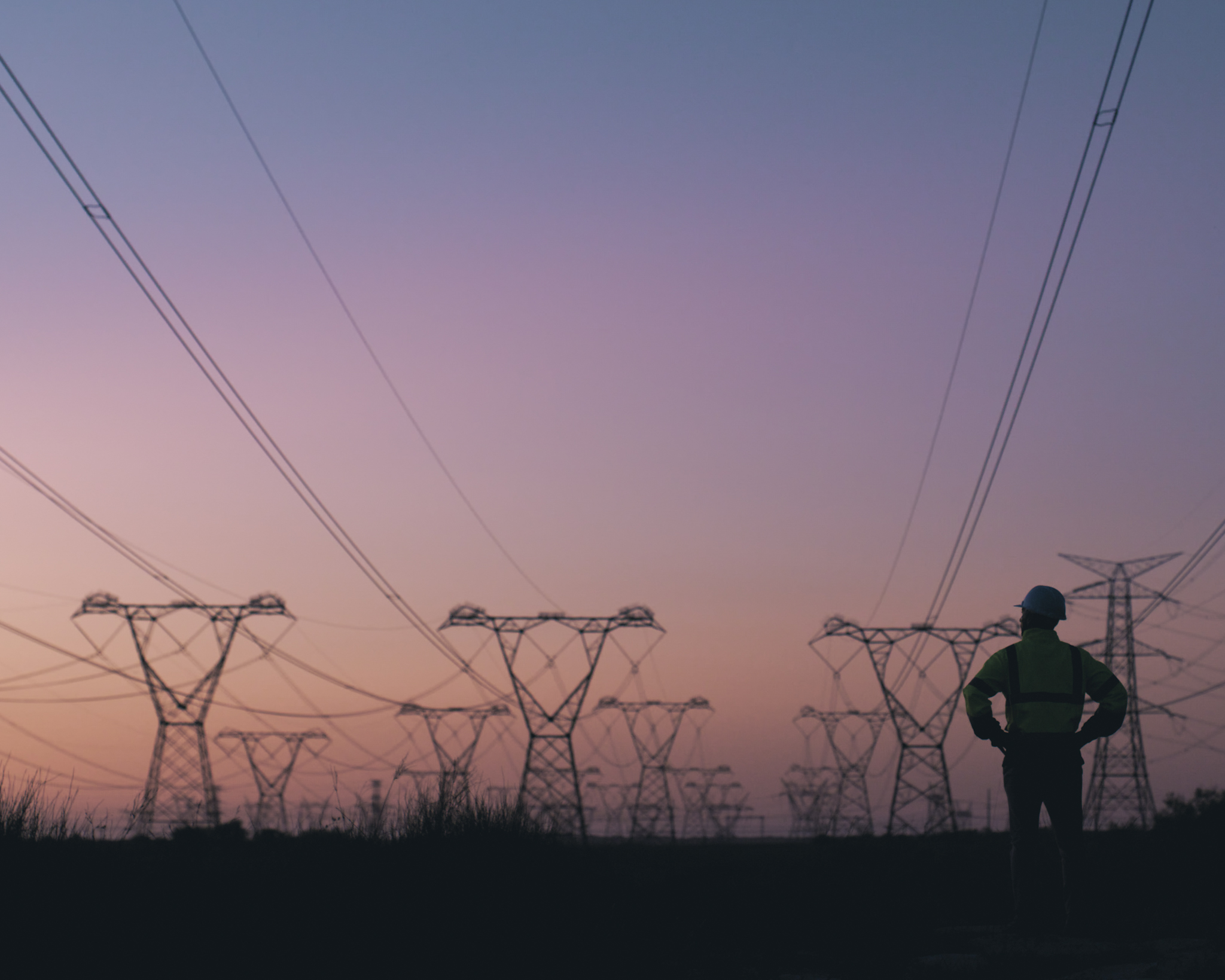
Then there is the grid. A large share of Germany's wind generation is concentrated in the north, while important industrial centers are farther south and west. Offshore electricity must first reach land through subsea cables and converter infrastructure before being transported across the country on high-voltage transmission lines.
Germany has struggled for years to build those transmission routes quickly enough. When the grid cannot carry all the electricity being generated in one region to consumers elsewhere, operators intervene. Generation may be curtailed on one side of a bottleneck while other plants are instructed to increase output elsewhere. This is known as redispatch.
It is an essential tool for maintaining grid stability, but it comes at a cost. Electricity that could otherwise have been generated cheaply may go unused, while other generating capacity must be available elsewhere in the system.
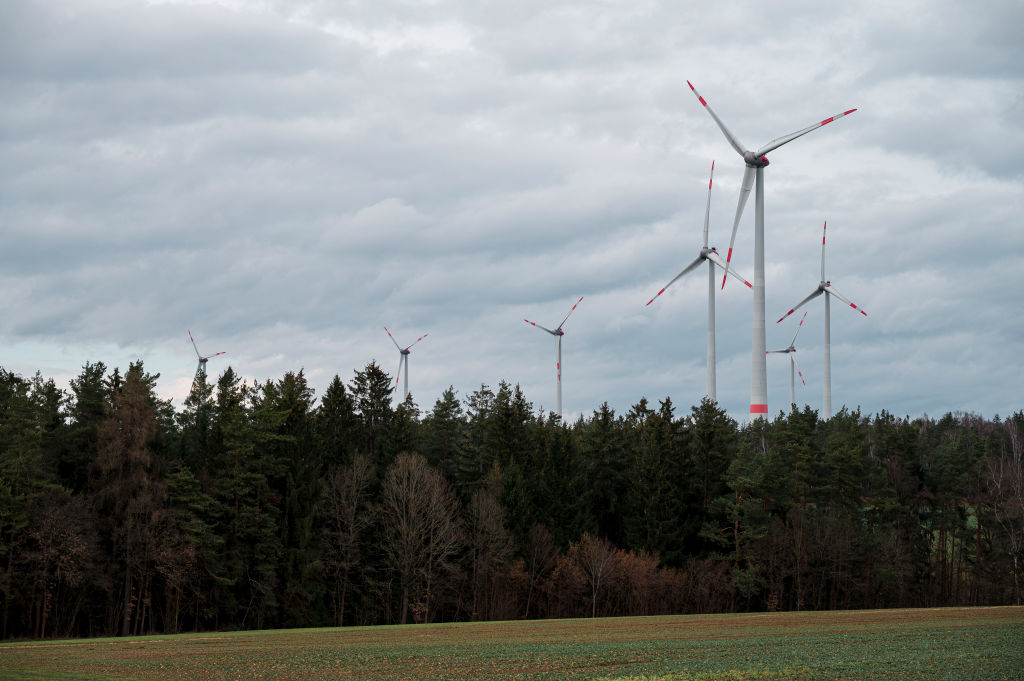
Wind turbines are changing the landscape. Photo: Daniel Vogl/dpa/picture alliance via Getty Images
Grid Congestion Comes at a Price
The scale is substantial. According to SMARD, Germany's official electricity-market data platform, grid congestion management measures amounted to 5,856 gigawatt-hours in the second quarter of 2025 alone. Preliminary costs reached approximately €623m ($726m).
Those figures include redispatch involving market and reserve power plants as well as countertrading. Importantly, both the volume and cost were actually lower than in the same quarter of 2024, when measures totaled 6,289 gigawatt-hours and cost €630m ($737m). SMARD also reported that 97% of renewable generation could be transported to consumers.
The costs nevertheless illustrate an important problem. Building renewable generation faster than the infrastructure needed to transport and balance it can leave consumers paying both for new generating capacity and for interventions required when the grid cannot absorb its output efficiently.
Security of supply presents the opposite challenge. Germany needs electricity every hour of the year, while wind generation fluctuates with the weather. The relevant question is therefore not merely how much wind farms produce annually, but how the wider system supplies power during prolonged periods of weak wind.
A study based on 40 years of German weather data found that roughly once a year Germany experiences around five consecutive days during which the average onshore wind capacity factor remains below 10%. A period approaching eight days occurred roughly once a decade, while the longest event in the dataset lasted nearly ten days.
The same researchers cautioned, however, that public concern about prolonged low-wind periods in winter may be exaggerated because such events are actually less frequent in winter than in summer.
Installed wind capacity, in other words, cannot be treated as equivalent to firm generating capacity.
Storage can help bridge fluctuations, but today's German storage system cannot by itself cover a nationwide multi-day shortage of renewable generation.
Germany has around 24 gigawatt-hours of domestic pumped-storage capacity, according to the government's Electricity Storage Strategy. Facilities in Luxembourg and Austria that feed directly into the German grid add another 15 gigawatt-hours. Battery capacity has also been growing rapidly.
However, batteries and pumped storage currently provide only part of the solution. Germany also relies on imports, flexible demand and dispatchable power plants when wind and solar generation fall.
The Federal Network Agency itself acknowledges the problem. After examining sharp electricity-price spikes during low-wind and low-sun periods in late 2024, it concluded that Germany urgently needs additional controllable generating capacity and greater flexibility in both supply and demand. It also found that electricity supply remained secure throughout those episodes.
Such capacity is part of the cost of running a system dominated increasingly by variable renewable generation. Plants that operate only intermittently may struggle to recover their costs through electricity sales alone, which is why governments are considering capacity mechanisms and other payments to ensure that sufficient dispatchable generation remains available.
Their variable operating costs are extremely low. When large amounts of renewable electricity enter the market simultaneously, wholesale prices fall. For consumers able to take advantage of those prices, that can be beneficial. For generators, however, it means electricity tends to become least valuable precisely when renewable installations are producing the most.
This is known as the cannibalization effect: as more generation with similar weather-dependent patterns enters the market, each additional unit tends to reduce the market value of the others.
At times, wholesale electricity prices even become negative. Germany recorded 573 hours of negative day-ahead prices in 2025, up from 457 in 2024. The lowest price reached €-250.32 per megawatt-hour.
The other side of Germany's increasingly volatile market is equally important. When renewable output falls, prices can rise sharply. The Federal Network Agency found that during the "Dunkelflaute" periods of late 2024, almost all available controllable generating capacity was called upon.
Germany therefore faces both sides of the same problem: periods of abundant renewable electricity that push prices below zero and periods of scarcity when more expensive dispatchable generation is needed.
The expansion of wind power also brings conflicts over land use and public acceptance.
Wind farms require access roads, crane pads, grid connections and other infrastructure. They transform landscapes, particularly when constructed on forested hills and ridgelines. In the state of Hesse, the dispute over wind development in the Reinhardswald attracted international attention.
Such conflicts are not merely symbolic. Wind projects can raise legitimate questions about habitats, bird and bat populations, forest clearance, landscape protection and the recreational value of affected areas.
They have also generated extensive litigation and local political opposition. Researchers at the FernUniversität in Hagen have studied lawsuits and citizens’ initiatives as obstacles to Germany’s wind expansion.
Health claims require considerably more caution. Infrasound is frequently cited by opponents of wind farms, but there is no robust evidence that infrasound from turbines at normal residential exposure levels causes adverse health effects. Noise annoyance and sleep disturbance are better-established areas of research, but they should not be conflated with unsupported claims about infrasound.
The Bill the Wind Sends
The economics ultimately depend on which costs are being measured.
Fraunhofer ISE estimates the levelized cost of electricity from German onshore wind at between €0.043 and €0.092 ($0.05–$0.11) per kilowatt-hour, depending largely on the quality of the site. Offshore wind ranges from €0.055 to €0.103 ($0.06–$0.12).
Those figures make wind one of the cheaper sources of newly generated electricity. But levelized generation costs do not capture every cost imposed on the wider electricity system.
Transmission networks, offshore connections, redispatch, storage, flexible demand and dispatchable capacity all have to be financed as well. Determining how much of those costs should properly be attributed to wind and solar, rather than to the electricity system as a whole, is more complicated than comparing the cost per kilowatt-hour at the turbine.
The physical footprint also differs sharply between technologies. MIT estimates that nuclear generation can directly occupy as little as 10 hectares per terawatt-hour of annual electricity production, compared with around 100 hectares for wind when only the land physically occupied by turbines is counted. If the entire area enclosed by a wind farm is included, the figure is far higher, although most of that land remains available for agriculture or other uses.
The Problem with Wind Power
At the end of its operating life, a wind farm has to be dismantled, with financial provisions for decommissioning required by law. Nevertheless, the process can still prove difficult. Rotor blades in particular remain a challenge. They are made from glass- or carbon-fiber-reinforced plastics, resins, adhesives, foams and sometimes balsa wood. These composite materials are designed for durability and are difficult to recycle economically. In Europe, decommissioned blades are often shredded and used in cement production.
A sober economic and technical assessment raises serious questions about Germany’s large-scale expansion of wind power. The country is adding wind capacity while simultaneously increasing the demands placed on its grids, storage and dispatchable generation. Unless those supporting systems keep pace, further expansion risks increasing costs and vulnerabilities rather than providing the secure electricity supply Germany needs.
Germany's challenge is therefore not simply to build more wind turbines. It is to build the electricity system around them quickly enough.
Welcome to the comments section of the Štandard daily. Please take note of our guidelines, comments are moderated by us. You can contact the moderators at support@statement.com.
Participate in the discussion
Comments are available to subscribers only. If you'd like to join the discussion, choose a subscription starting at €6.72 per month.
All comments 0
Register
Comments are available to registered users only. If you'd like to join the discussion, register here.