Iran, by all accounts, is a terribly miserable place to live these days – and not only because of the ever-vigilant mullahs watching out for crimes against their comedy-villain interpretation of Islam. Even should an Iranian make his peace with living as the supreme leader commands, he also faces another problem: economic misery on foot of Donald Trump’s campaign of sanctions against the Islamic Republic.
Those sanctions ramped up this week with the launch of something the Americans are calling “Operation Economic Outcast”, which allegedly plans to cut Iran off from world markets entirely – though one might view with skepticism the idea that the US is going to start punishing China for trading with Iran, given what the Chinese could do to the US economy in return.
Regardless, it seems very clear from all reports that Iran is in a miserable state and that these latest sanctions will make things worse.
You might be interested
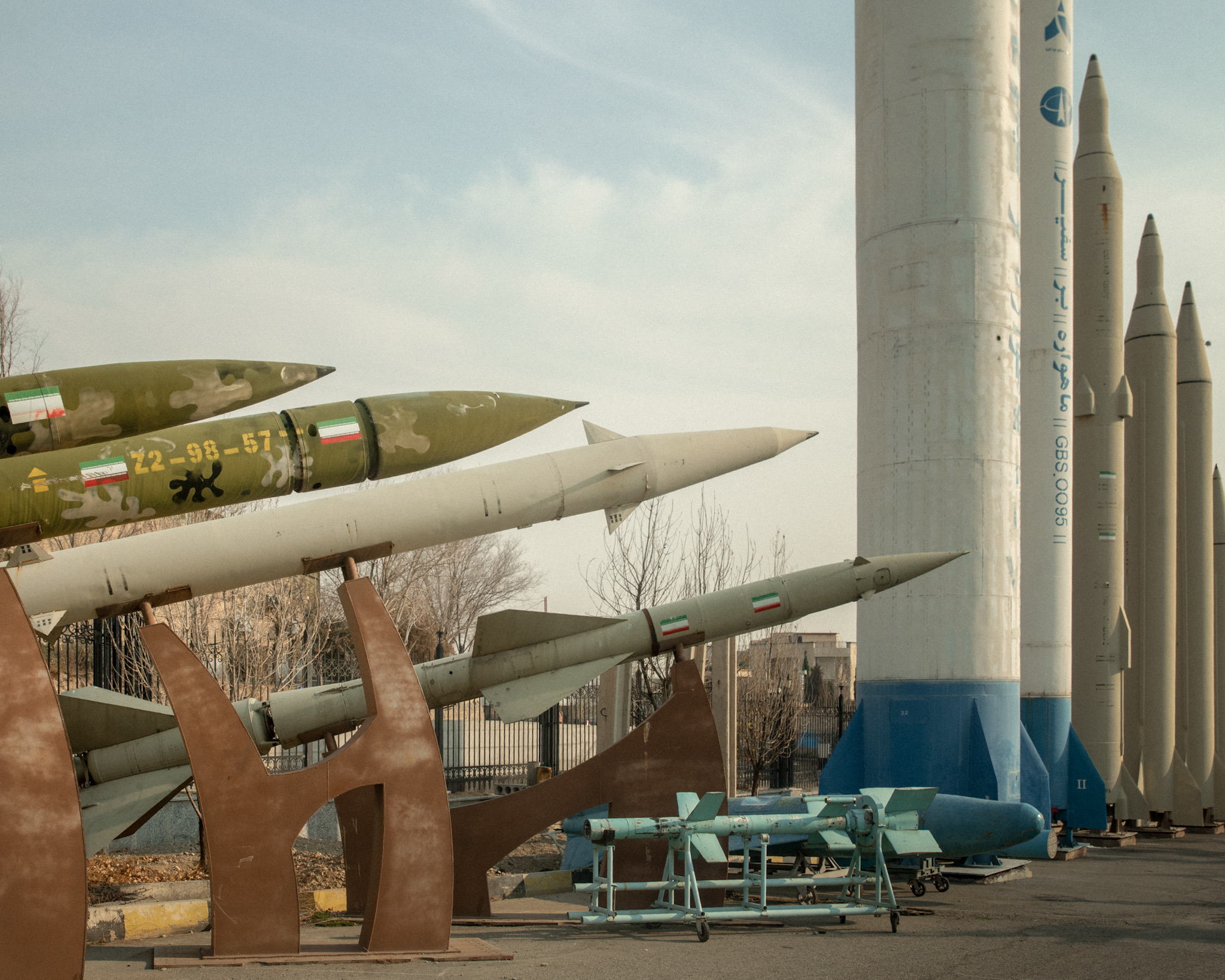
How Far Can Iran’s Missiles Reach into Europe?
Canada Prepares to Suffer
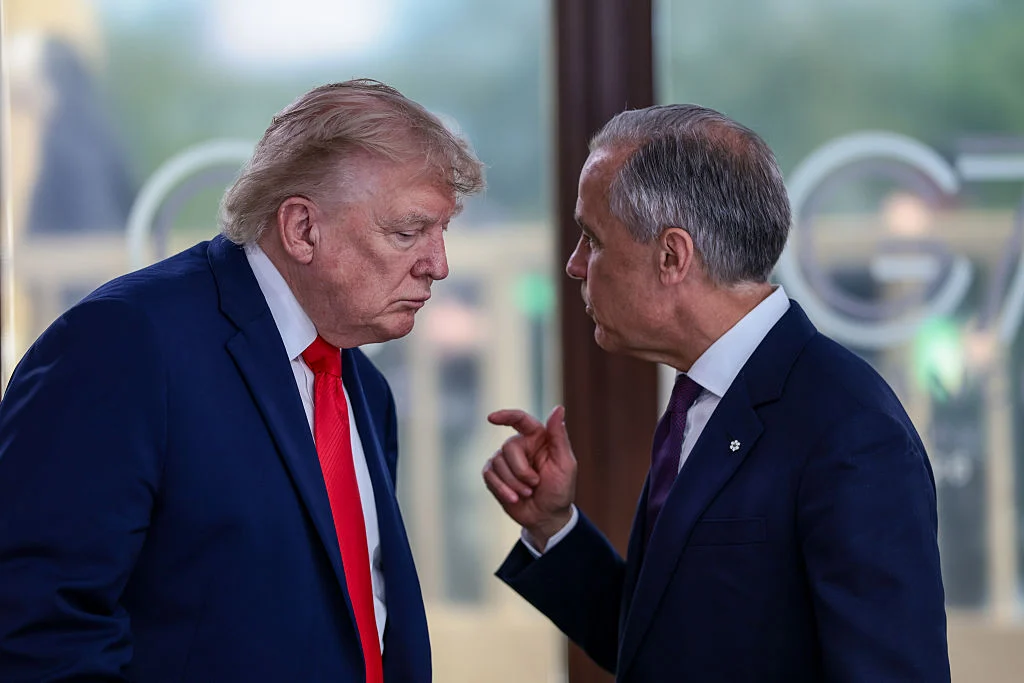
Meanwhile, half a world away, Trump’s other trade war has intensified to barely believable levels, with the US now essentially in a trade fight to the death with its northern and previously friendly neighbor, Canada. That country’s prime minister, Mark Carney, this week said that Canadians were prepared to suffer immense pain, if necessary, to preserve their dignity. This came after the US, apparently, demanded a veto over Canada’s trade with other countries as part of any trade agreement – a clause which Carney, not unreasonably, compared to his country becoming a vassal state of Washington.
The fascinating thing about both these fights is this: in both cases, Washington’s foes, Iran and Canada, are suffering tremendous economic pain. And yet in both cases, albeit for very different reasons and from very different moral starting points, both nations are resisting anyway and imposing their fair share of pain on the White House.
The Celebration of Sacrifice
Nationalism, at its core, is a collectivist ideology about national greatness. The true nationalist says to his people that if they all work together, and suffer collectively, the nation will triumph over its peers. This is the core tenet of how nationalist identity is built – in the words of Churchill, through blood, toil, tears and sweat.
Nationalists rarely promise to make the nation great by sitting on sun loungers, drinking cocktails. Nationalists also rarely honor the memory of national plenty. Most nationalists instead draw their inspiration from times of historic struggle, glorious patriotic dead and so on. The misery, a cynic might note, is the point.
There is an exception, though: Trumpian nationalism, which is increasingly in vogue both in the US and other countries where movements inspired by Trump are on the rise. That version of nationalism promises a relatively easy return to national greatness, usually through the adoption of common-sense policies that liberal elites have abandoned.
For Trump, for example, restoring national greatness has typically been about being unafraid to wield US economic power through tariffs or to wield military power, as in Venezuela or Iran, or to wield political power by demanding the concession of Greenland or other territories. The American voter, for his part, need only sit back and marvel at the genius of the leader.
Asymmetry in Power – and Capacity for Suffering
Yet the asymmetry between the US and its weaker foes, in both cases, is somewhat revealing. For even as Canada suffers economically, Carney benefits politically because Canadians genuinely are knitted closely together in a shared struggle to see off the economic menace to the south.
And in Iran, while nobody could ever cheer the wicked regime of the mullahs, it is hard to deny that the national suffering unleashed by the war appears to have strengthened the regime rather than weakened it. In both cases, nationalist sentiment is uniting around the cause of suffering in a national struggle.
You might be interested
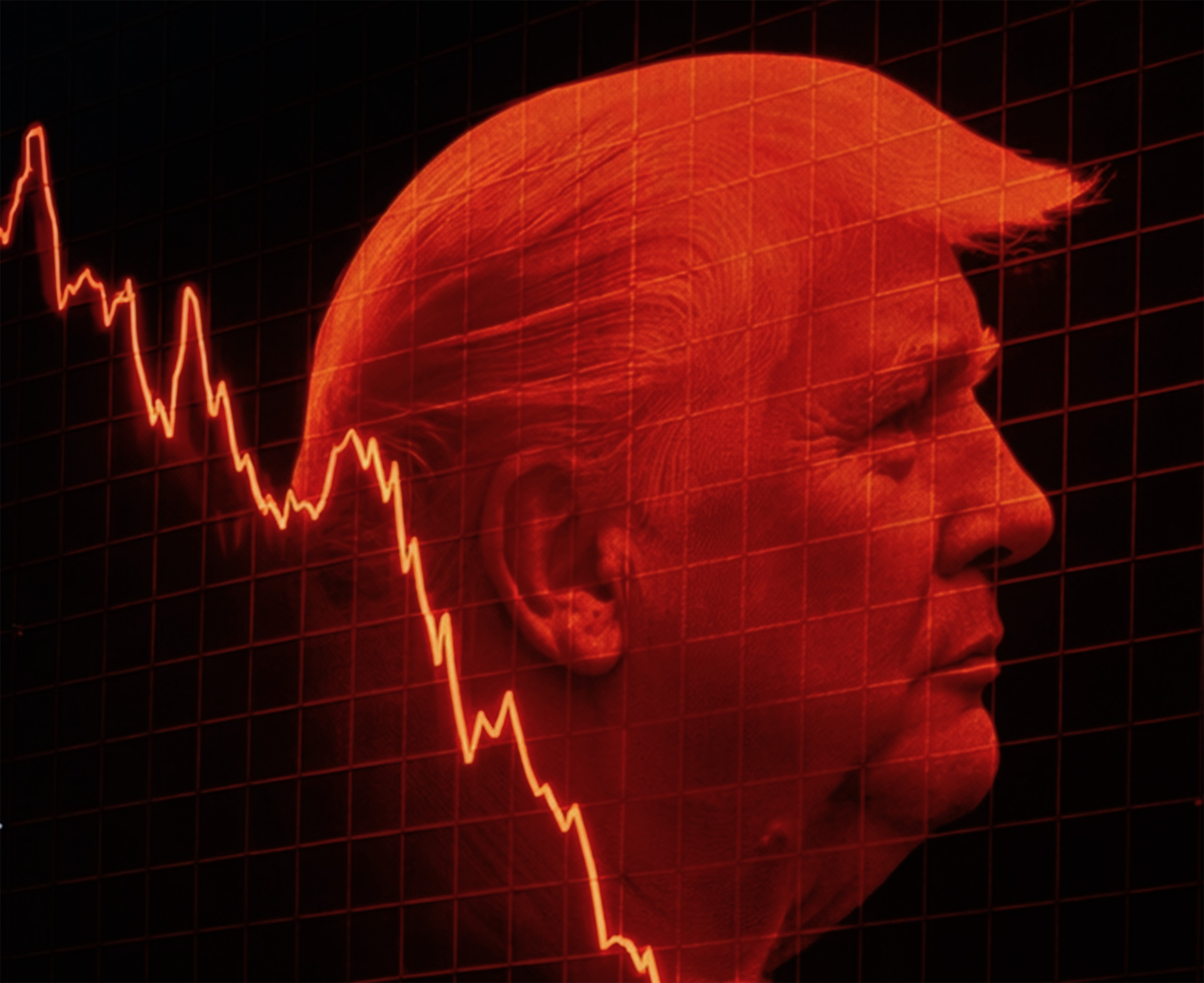
Trump's Tariffs Met the Limits of Economic Reality
As for America? Its struggles are much less obvious. Americans are suffering minor gas-price hikes, some inflation and trade consequences from tariffs. By themselves, these are not existential. Yet of the three leaders, it is Trump whose people – in polls – seem to be abandoning him, with his approval rating now constantly below 40%.
It is ironic, too, that of the three countries, the leader who seems most afraid of his own people is the one in the White House preaching American greatness. His reluctance, for example, to send ground troops into Iran is patently and obviously connected to a fear of public backlash from the suffering that would accrue to US military families as casualties rose.
His relative timidity toward China, now a “peer power” in the words of the State Department, is clearly and obviously linked to a fear of the suffering that would accrue to Americans in an all-out trade conflict with Beijing. On the global stage, it is the nationalist United States that appears, more than any other power, to fear national sacrifice, even as Russia, Ukraine, Israel, Iran and even Canada demonstrate their willingness to take enormous pain in the cause of national advancement.
Trump Finds the Limits of Popular Nationalism
There is a lesson here for the European right: nationalism and the invocation of national sentiment are cheap, easy and appealing on a sentimental level. Yet Western democracies can only be roused to endure the suffering necessary for “national greatness” when the population genuinely feels its interests threatened existentially.
This does not mean that the US is weak: it remains militarily and economically the world’s greatest power. Yet wars – economic or military – are not always about who has the greatest capacity to inflict pain, but who has the greatest capacity to endure it. For both Canada and Iran, in very different ways and from very different moral starting points, it is becoming clear that their paths to victory are not to defeat Trump, but to out-endure him.
At the moment, it would be hard to bet against either.