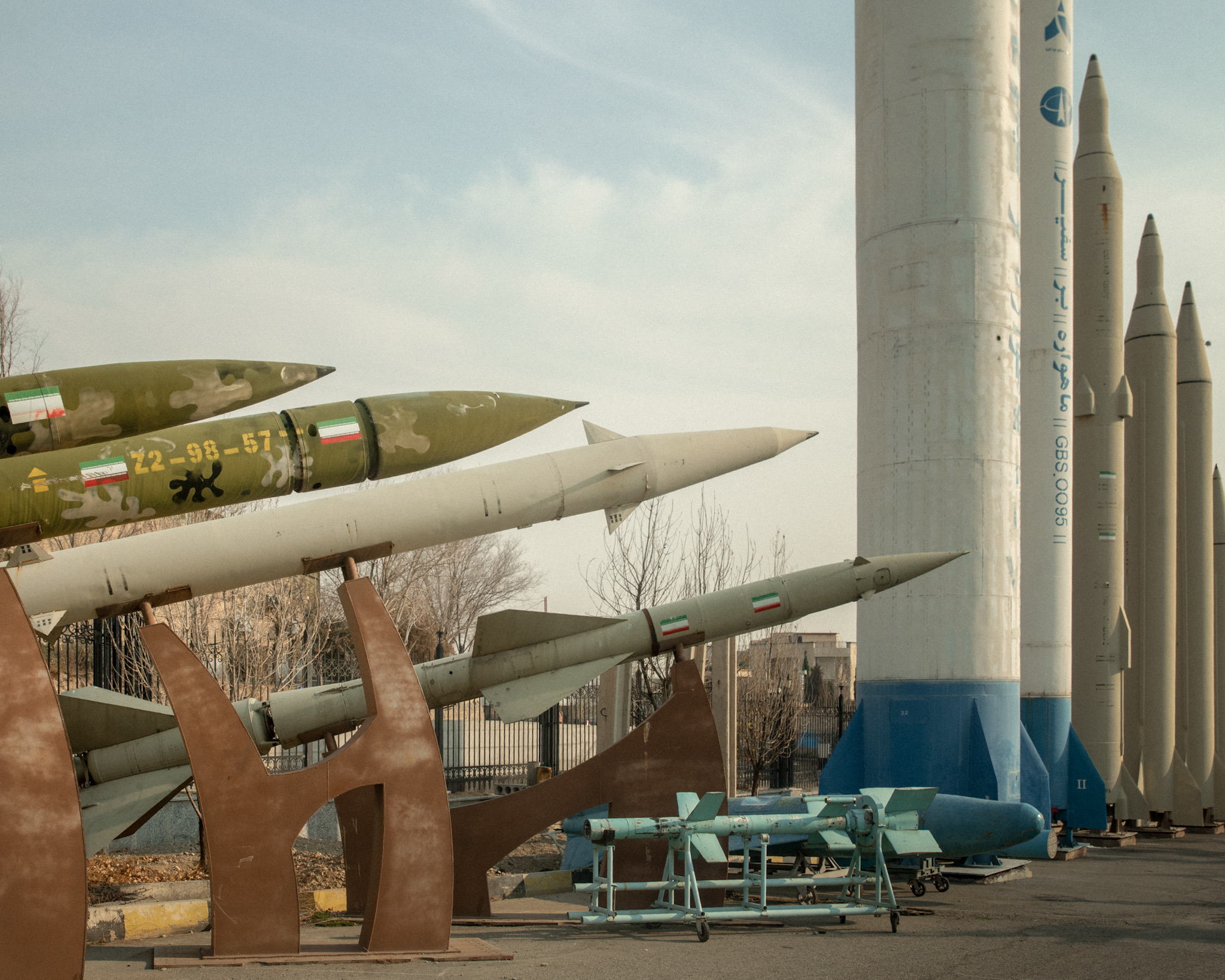
Therefore, it might be said that while the Russians could conceivably eradicate most European cities in a combined assault, the European powers might only muster the eradication of St Petersburg, Moscow, Volgograd, Rostov-on-Don and 14 or 15 smaller cities.
And ... isn’t that enough?
Even if the majority of European missiles were intercepted amid a nuclear war with Russia, hundreds of warheads should provide a substantial guarantee that at least one or two would penetrate the Russian defenses. Even should the damage be negligible, what would Russia win by inflicting more damage on Europe than was inflicted on it in return? The loss of just two or three entire cities and their populations, while to the west lies the uninhabitable nuclear wasteland of Europe?
Nuclear Warheads Are Not What Europe Lacks
The serious argument for further nuclear cooperation, of course, is not really about raw destructive capacity, but about credibility, command and whether existing European arsenals would actually be used in defense of the whole continent. Still, if nuclear weapons are a deterrent, then Europe has more than enough deterrence already. What it lacks, by contrast, is manpower and conventional armaments.
There is an argument, of course, that nuclear weapons are the real-world equivalent of Chekhov’s gun, the literary rule which says that if a writer introduces a gun in a cabinet in chapter one, that gun should later be fired by somebody or else it is irrelevant to the story. One might conclude that the same is ultimately true of the nuclear arsenal – that over a long enough event horizon, somebody will be mad enough to start a nuclear war.
But that somebody is not, at least for now, Vladimir Putin.
What can Europe learn from the current war in Ukraine by studying its enemy?
Russia's Strengths and Weaknesses Are Already Apparent
First, it can learn that Russia possesses something that European democracies, in the here and now, likely do not: an indomitable appetite for blood sacrifice on the front lines. Disputed though the casualty figures may be, even at the lowest end the Ukraine war has cost Russia tens of thousands of precious young lives – figures that would, certainly, topple any Western democratic leader.
Second, it can learn that Russia, though endlessly threatening to deploy nuclear weapons, has actually demonstrated a sustained preference for costly battlefield bloodshed over the nuclear destruction of Ukraine. That suggests strongly that the nuclear deterrent possessed by Europe is quite strong enough already.
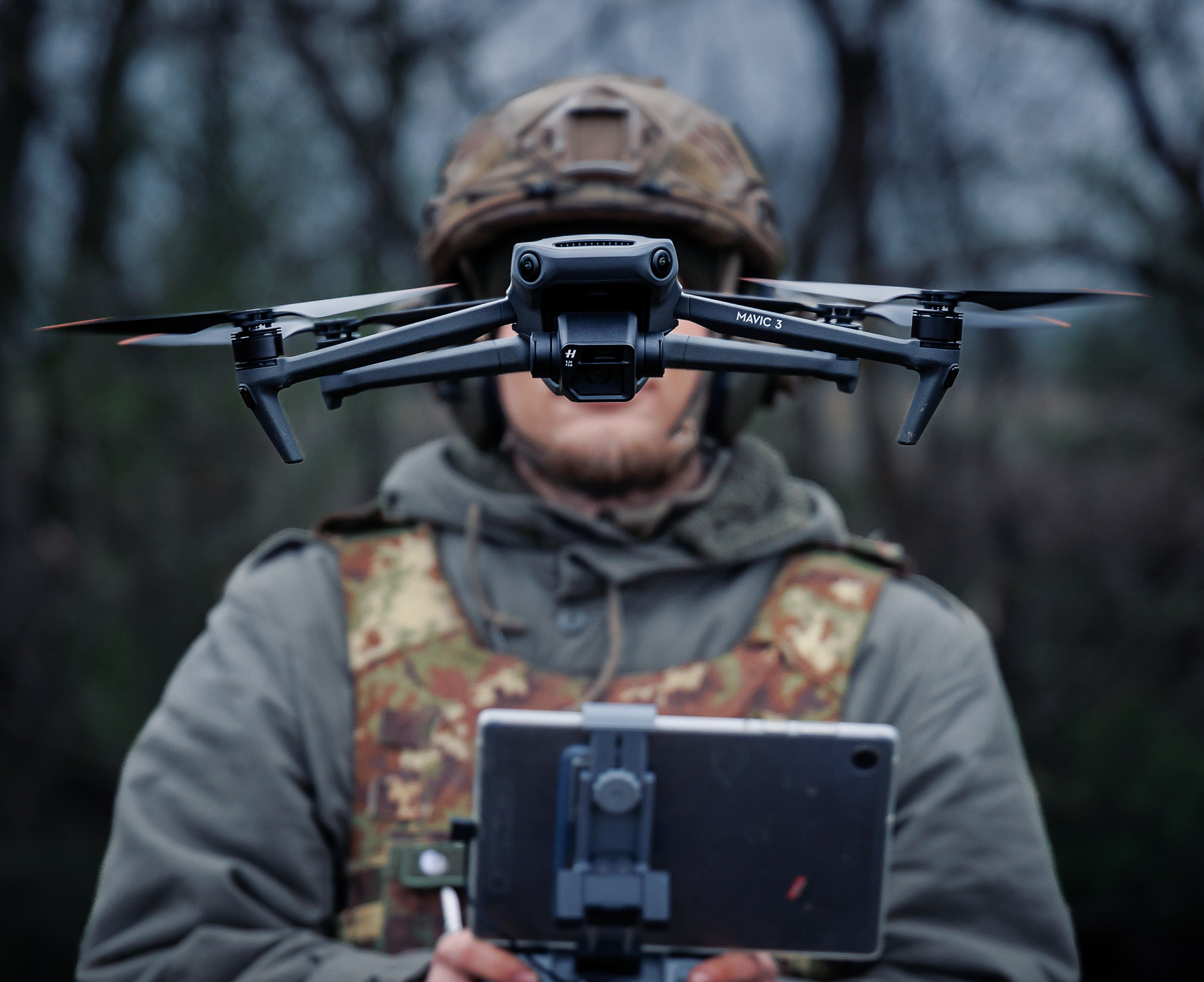
Third, an examination of Ukraine’s successful resistance to the Russian advance should be telling Europe that Russia’s soft underbelly is economic and technological. Ukraine has raised the costs of the war to Russia by, as has been widely noted, engaging in high-tech, low-cost drone warfare, both tactically on the front lines and strategically at long range.
It is in this area, not in the area of nuclear deterrence, that Europe still lags behind.
Europe's Previous Under-Investment Provides Opportunity
That significant European investment in defense is needed is not really in dispute among mainstream thinkers across the continent. However, fortuitously, Europe’s historic underinvestment in defense may be the thing that makes Europe stronger, so long as that underinvestment is corrected smartly.
For example, the Americans spend hundreds of billions annually on a military that includes nine full nuclear-powered fleet carriers, vast fleets of advanced fighter jets and thousands of tanks for their ground forces. While these phenomenally expensive-to-operate and expensive-to-maintain pieces of equipment are not obsolete, per se, they are certainly not the immediate war-winners that they once were. One need only look to the Iran conflict to see that.
By contrast, Europe has the chance to ramp up defense spending from almost a year zero position – and it should do this by investing heavily in the technology and weapons of the future: high-tech, long- and short-range drones; well-trained, well-equipped, mobile infantry; and, as Israel demonstrates, the most effective anti-missile and anti-drone defenses that money can buy.
All of those things combined would frighten the Russians significantly more than simply adding a few hundred more nuclear warheads to be activated by a button that, in truth, hardly any sane politician would ever consider pushing.
If Europe is to defend itself, let it defend itself for future wars. Not for the theoretical apocalyptic scenario for which it is, sadly, already pretty well equipped.