
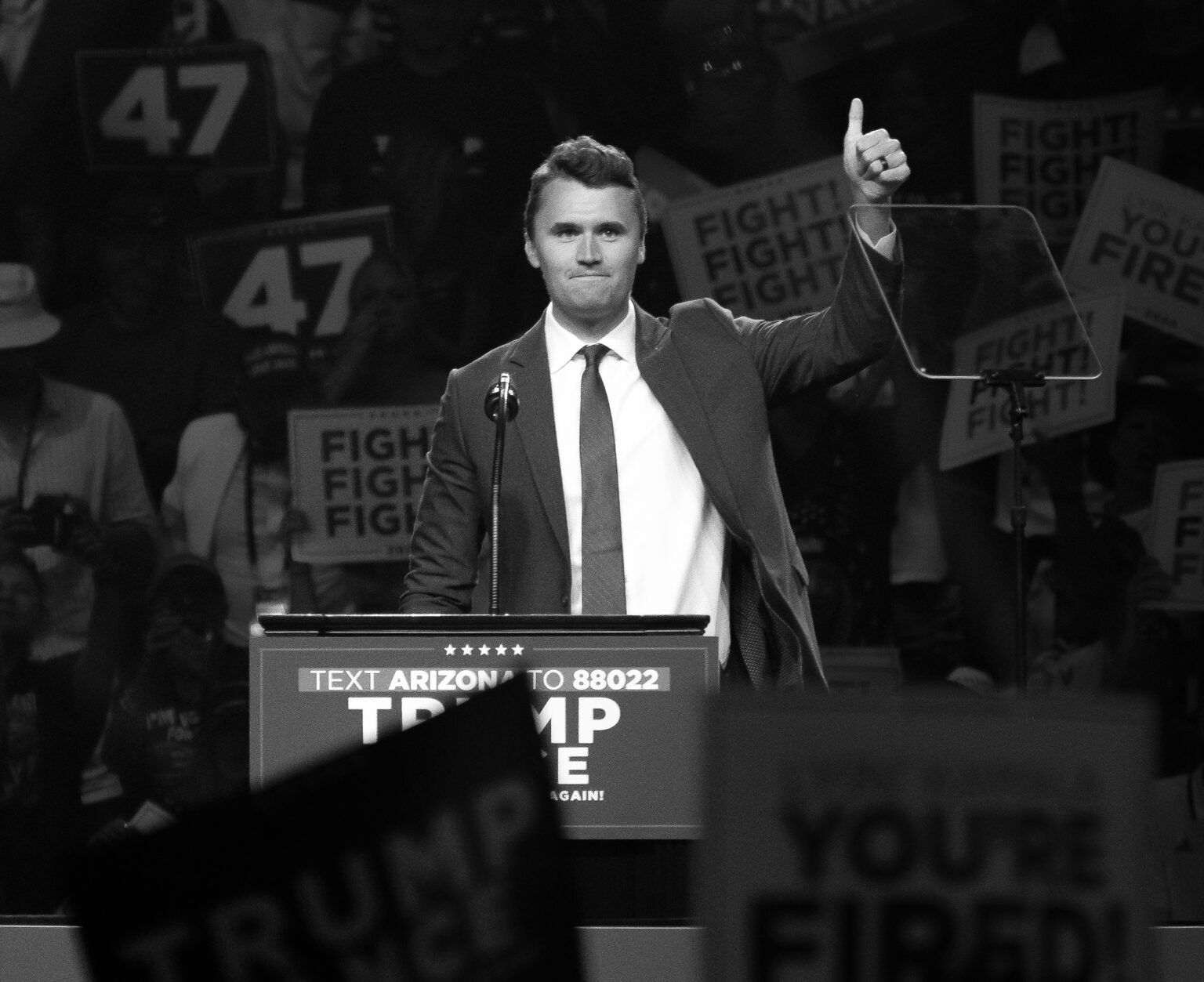
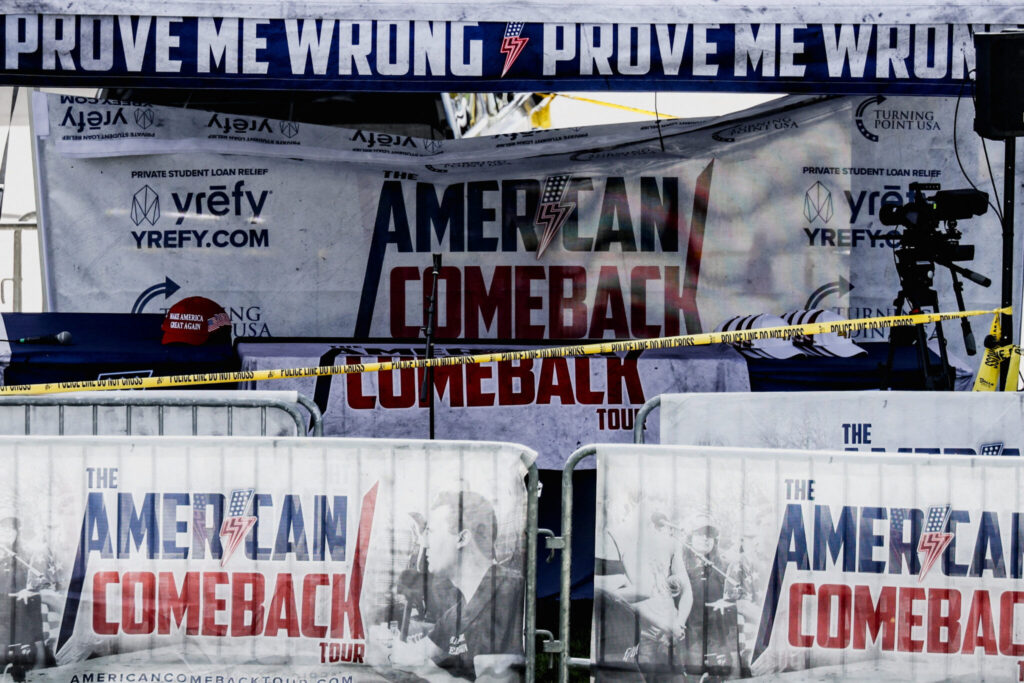
Kirk was assassinated during a public speech at Utah Valley University in the city of Orem. The attack took place during his first appearance as part of the “American Comeback Tour,” which aimed to counter liberal ideas on university campuses.
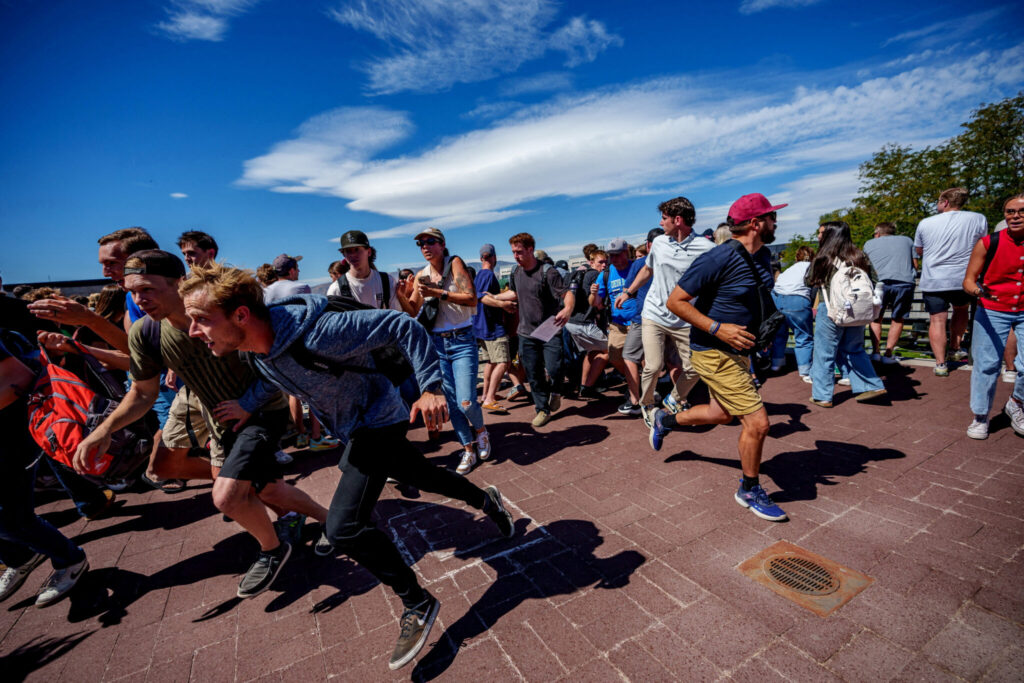
According to a report in the New York Times, the shooting occurred about 20 minutes into Kirk's speech. At the time of the attack, he was answering a question about mass shootings in the US. His answer was suddenly interrupted by a single shot that hit him in the neck. The event was attended by around 3,000 people, and panic broke out after the shot was fired – some fell to the ground, others ran for cover.
CNN reports that the shot was fired from the roof of the Losee Center, located about 180 meters from the venue. Witness statements and available video footage show a figure on the roof shortly before and after the shot was fired.
The BBC wrote in its live updates that Charlie Kirk was immediately taken to the hospital in a private vehicle after the shooting, but was pronounced dead shortly after arrival.
Utah Valley University responded to the incident by closing the entire campus, suspending classes and administrative activities, and ordering the evacuation of the buildings.
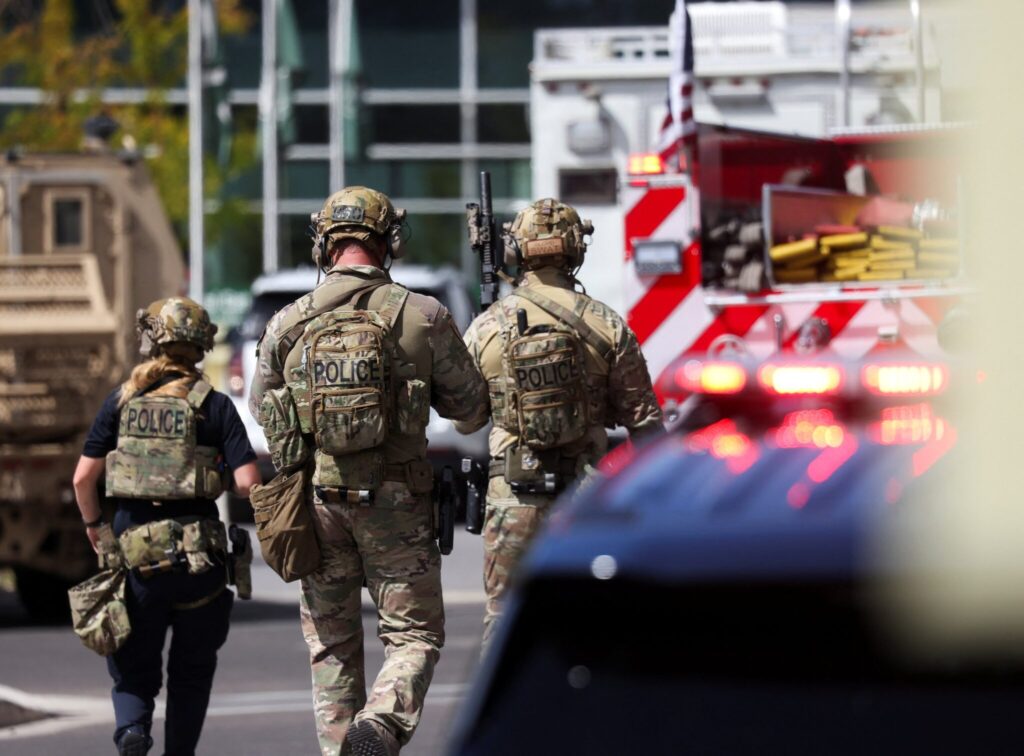
The shooter is still on the run
Four different agencies, including the FBI, state police, and university security services, are conducting the investigation. According to investigators, it was a targeted shot, technically executed from a great distance—from the roof of a building outside the immediate vicinity of the stage, fired with extreme precision.
Witnesses confirmed that the perpetrator was wearing dark clothing and fired from an elevated position. Statements recorded by BBC reporters directly on site describe horror, chaos, and a mass exodus of event participants the moment the shot was fired.
FBI Director Kash Patel stated on Platform X that a person initially arrested was released after questioning and that no suspects are currently in custody. The search for the shooter continues intensively.
Although, according to Utah Valley University, around three thousand people had gathered at the event, the university police had only six officers available to maintain order and security. Charlie Kirk also traveled with his own security team, but even they were unable to prevent the shooting.
University Police Chief Jeff Long acknowledged that security measures had failed: “We try to cover all the bases, and unfortunately, we didn't succeed this time.”
Trump called Kirk a martyr, and the House of Representatives is in turmoil
On the day of the attack, President Donald Trump released a four-minute video from the Oval Office in which he described Charlie Kirk's death as a “heinous assassination” and accused the “radical left” of creating an environment that encourages political violence.
“Liberal criticism of conservatives is directly responsible for the terrorism we see in our country today, and it must stop immediately,” Trump said in the video.
He declared that his administration would “find every single person who contributed to this atrocity and other political violence — including the organizations that fund and support them, as well as those who attack judges, police officers, and all those who keep order in our country.”
Trump called Kirk a “martyr for free speech,” a “patriot,” and “the best of America.” He emphasized that “the killer tried to silence him with a bullet, but he did not succeed because his voice will live on forever.” He ordered flags at public buildings to be flown at half-staff until Sunday evening and released a message to Kirk's wife, Erika.
What was intended to be a moment of silence in the House of Representatives for Charlie Kirk turned into shouting and political recriminations. Congresswoman Lauren Boebert asked for a prayer, saying, “Silent prayers bring silent results.” Democrats, on the other hand, objected that murders of less well-known victims did not receive comparable attention. Harsh insults were hurled in the chamber, Reuters reports.
Well-known Trump adviser Stephen Miller wrote: “America has lost one of its greatest fighters. We must dedicate ourselves to defeating the evil that ripped Charlie from this world.”
Entrepreneur Elon Musk was even more outspoken. On the X platform, he wrote: “The left is the party of murder” – openly accusing his political opponents of inciting violence.
Even before the shooter's identity was known, some right-wing figures – including Stephen Miller – spoke of a “broader attack on conservatism.” Activist Laura Loomer called on the government to “come down hard on the left.”
President Joe Biden also commented on the attack. He described the shooting as a “reprehensible act” that “has no place in a democratic society.” He called on Americans to preserve the legacy of public debate in a dignified manner and without violence.
Former President Barack Obama wrote that “there will always be disagreements in a democracy, but they should never be resolved with a gun.”
Vice President Kamala Harris said she was “deeply concerned” and stressed that “we must all work together to ensure that violence does not become part of political discourse.”
Utah Governor Spencer Cox directly called the killing of Charlie Kirk “political murder.” “This is a dark day for our state, a tragic day for the nation. This is a targeted attack on a public figure,” he said.
According to CNN, Vice President JD Vance, who was a personal friend and political ally of Kirk, plans to travel to Utah. Vance was a regular participant in events organized by Turning Point USA.
Who was Charlie Kirk?
At the age of 31, Charlie Kirk was one of the most influential figures in the young conservative movement. His organization, Turning Point USA, had more than 850 university groups and was known for registering students to vote and organizing conferences for thousands of young people.
He was born in Prospect Heights, a suburb of Chicago. His mother was a mental health counselor and his father was an architect whose firm also designed the Trump Tower in New York City. Kirk rejected a college education and instead chose to become a political activist at the age of 18.
Violence on the rise
According to a Reuters/Ipsos poll conducted in October last year, 94 percent of Americans reject political violence as an acceptable means of enforcing opinions. Only six percent of those surveyed agreed with the statement that “a member of my political party may use intimidation or threats to achieve a political goal.”
Nevertheless, political rhetoric in the country continues to escalate.
Experts on gun violence, such as those from the Brady organization, point out that firearms claimed nearly 47,000 lives in the US in 2023 – the third-highest number in history. Two years ago, Congress passed the first significant gun control law in three decades.
The assassination attempt as part of a larger trend
The assassination attempt on Charlie Kirk is one of a series of attacks that have shaken American politics in recent years. In 2024, Donald Trump was the target of two assassination attempts, one of which in Pennsylvania narrowly missed being fatal.
Seven years earlier, Republican Congressman Steve Scalise was shot during a baseball team practice and barely survived.
In 2011, Democratic Congresswoman Gabby Giffords was seriously injured when she was shot in the head by an assassin during a meeting with constituents.
As the New York Times points out, violence against political figures in the US has become an increasingly common phenomenon—something that was once reserved for unstable democracies, but now strikes at the heart of American society itself.
(reuters, lup)