This time, it was not a meme, but a detail that fit perfectly into the story of old and new Ukrainian corruption. As in the case of Yanukovych, this small detail could turn Ukrainian public opinion around. This is not a case like any other.
A scandal reaching to the very top
In November 2025, Ukrainian anti-corruption authorities (NABU and SAPO) announced that they had uncovered a bribery scheme worth approximately $100 million at the state-owned nuclear company Enerhoatom. However, reports of corruption are not surprising in Ukraine, especially when it was a classic corruption scheme in which suppliers had to pay 10 to 15 percent of each contract to ensure the smooth running of the project.
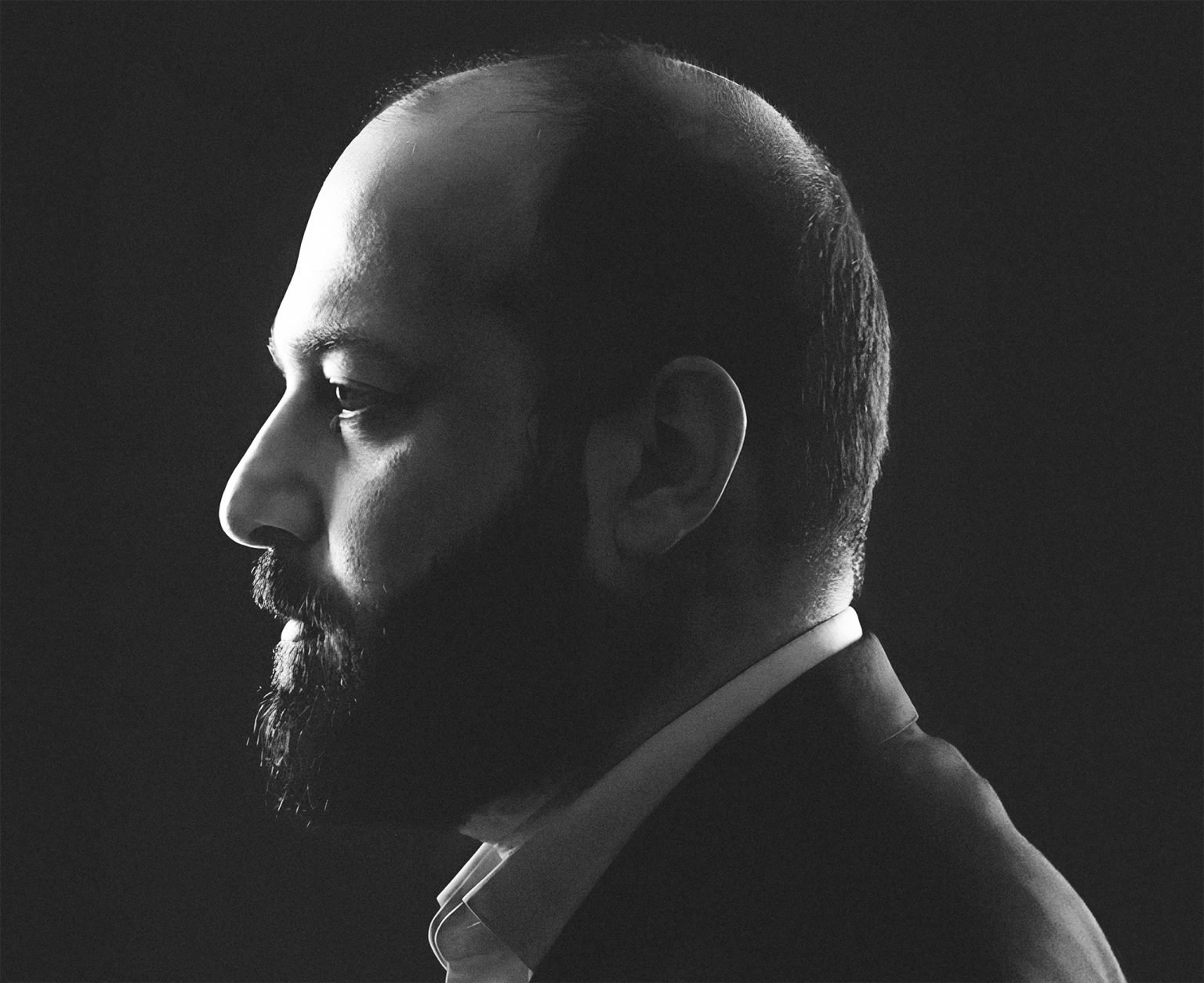
What was surprising was something else: the case reached the highest echelons of politics. The mastermind was allegedly the aforementioned Timur Mindich, who managed to flee to Israel at the last minute. After the scandal was made public, Zelensky called for the resignation of Justice Minister Herman Halushchenko and Energy Minister Svitlana Hrynchuk.
However, it can be assumed that these two ministers served only as typical scapegoats. The file also mentions a mysterious figure named "Alibaba," which suggests that the energy system was only the tip of the iceberg. The corruption was much more widespread. According to opposition MP Jaroslav Zeleznyak, the head of the presidential office, Andriy Yermak, is hiding behind "Alibaba." In other words, the tentacles of the corruption octopus reach all the way to the presidential office.
The case thus directly threatens President Volodymyr Zelensky. In the summer of 2025, he pushed through a law that would limit the powers of NABU and other anti-corruption agencies. Zelensky's team argued that these were measures to strengthen the fight against Russian influence in institutions.
However, this argument is illogical in its very essence: weakening control mechanisms cannot in any way be presented as a security enhancement. Quite the contrary. In the context of the subsequent revelation of corruption surrounding Mindich, the sudden effort to change the law can be interpreted as an attempt to prevent the investigation of the entire case.
Weakening the anti-corruption watchdogs
But that's not the worst of it. If it is indeed proven that Yermak is involved in corrupt practices, this is a serious problem for Zelensky. The Mindič scandal alone is a major problem for the president. Either he knew about the corrupt practices, since, given their long-standing close friendship, he could hardly have overlooked the luxury that Mindič surrounded himself with during the war with Russia. In that case, his tolerance of corruption makes him an accomplice.
Or he knew nothing about it and ignored it completely, which means that the Ukrainian president is completely out of touch with reality. Whatever the answer to this question, President Zelensky's credibility with his partners, especially his Western supporters, has been significantly reduced. Moreover, the current scandal weakens Ukraine's negotiating position in the peace process.
The biggest problem is that any unchecked corruption devalues the heroism of Ukrainian soldiers more than any enemy on the battlefield.
Corruption devaluing the heroism of soldiers
The main argument of Ukraine's supporters is that corruption has always existed in this country. It would be naive to believe that the Russian invasion has solved this structural problem of Ukrainian society. In 2024, Transparency International awarded Ukraine 35 points out of 100 in its Corruption Perceptions Index, placing the country 105th out of 180 countries assessed. This organization was still relatively lenient towards Ukraine, as Hungary has a score of 41. The situations of the two countries are, of course, incomparable.
In an internal document, the European Union estimated the total aid to Ukraine from European institutions and member states as of July 10, 2025, at €164 billion. If the corruption leaks from Ukrainian public procurement, commonly estimated at 10 to 30 percent, also applied to foreign aid, the theoretical losses from European support to date could reach €16 to €49 billion.
Operation Midas, which involves "only" $100 million, thus seems insignificant in the context of potential total corruption. However, what is important is that the revelation comes at a time when the West is tired, military aid is declining, and taxpayers' patience is wearing thin.
Economic support for Ukraine will become increasingly difficult, especially in the three strongest European countries—the United Kingdom, Germany, and France. It is no coincidence that these countries are experiencing prolonged economic stagnation, which will require large fiscal stimuli and probably also tax increases. In any case, European countries are financing this war with debt.
It will become increasingly difficult to justify further aid to Ukraine. The problem is not just Zelensky, and even his possible replacement does not guarantee that Ukraine will function fundamentally differently. Western governments are thus faced with an unpleasant choice. Either they continue to financially support Ukraine and naively hope that corruption will disappear on its own, or they limit their aid, which will effectively accelerate the collapse of the Ukrainian state.
Whichever path European governments choose, one thing remains certain: no Russian weapon will devalue the heroism of Ukrainian soldiers as quickly as corruption in Kyiv.