

In August, President Donald Trump walked on the roof of the White House, which immediately caused a stir and questions about what he was up to. Next to him walked a man that almost no one noticed.
The man was James McCrery - a classical architect, known for his signature bow tie, who runs a small Washington firm famous for building Catholic churches. It was with Trump that he discussed how to make his vision of a new ballroom on the White House grounds a reality.
McCrery's work is appreciated by conservatives who believe that federal buildings should be designed with an eye toward the grandeur of ancient Greek and Roman structures. According to people who have worked with him, he often says he does his work in service to God and the church.
At first glance, this might seem strange: the man who designs cathedrals works for the man who once built casinos and is now President of the United States.
McCrery Architects went to work on the early designs for the ballroom, designing a space with high ceilings and arched windows reminiscent of the Hall of Mirrors at Versailles. Modern security features, including bulletproof glass, were part of the design. Gold furniture was added to the sketches, which were known to appeal to the President.
The design was grand enough to impress Trump, but respected the historic style of the White House and did not try to overshadow it.
And that's when things started to get complicated.
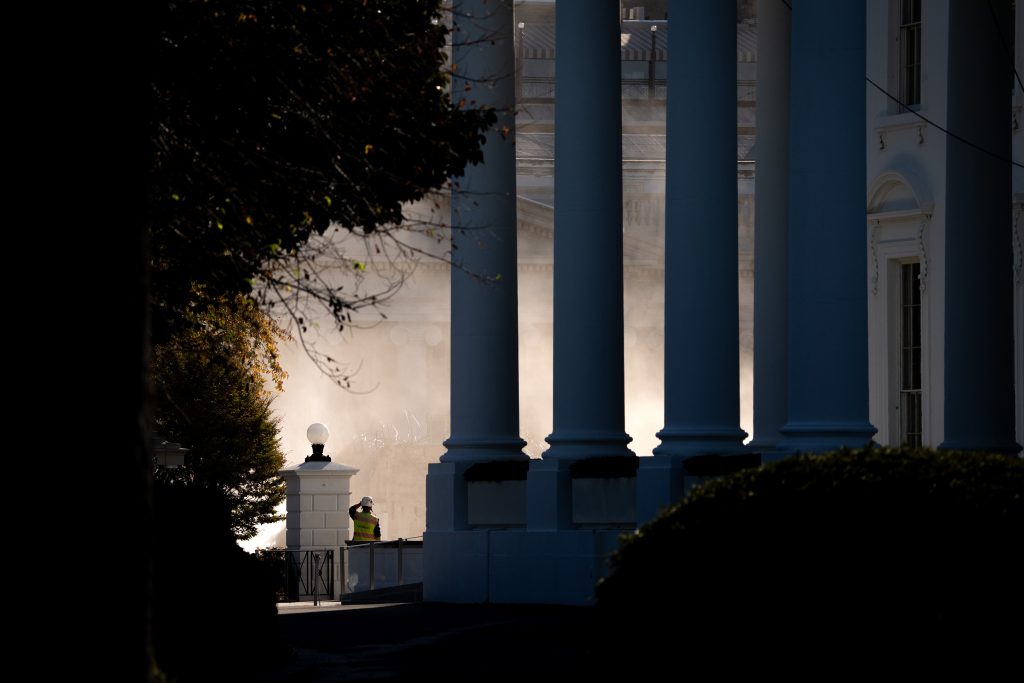
When McCrery unveiled his first proposal, he could not have guessed that Trump's ambitions would be magnified further. The original 500-seat ballroom, connected to the East Wing, became a 650-seat auditorium. Then Trump demanded 999 seats, later up to 1,350. And although he assured the public in July that the new hall would not encroach on the existing building, according to three people familiar with the project's timeline, he had already approved plans at the time to demolish the entire East Wing to make room for a structure that would hold several thousand people.
The latest plan, which officials say remains preliminary, envisions a ballroom that would be much larger than both the West Wing and the presidential residence itself. Trump has said publicly that he would like a ballroom large enough to host a presidential inauguration with a large audience.
But it wasn't just the size of the project that was a problem. According to three people familiar with the president's remarks, Trump argued that building on White House grounds might not meet permitting, zoning or building codes. The companies involved in the project, however, insisted on adhering to normal standards.
In recent weeks, McCrery has withdrawn from day-to-day work on the project, two sources familiar with the situation told the New York Times. They stressed that McCrery continues to serve as a consultant and is proud to be working with Trump.
A White House official acknowledged that there were disagreements between Trump and McCrery. The Washington Post was the first to point this out.
McCrery, through his attorney, declined interview requests.
This account of Trump's personal efforts to carry out one of the largest renovations in White House history is based on interviews with five people with detailed knowledge of the project. Most of them requested anonymity to speak about the private conversations. The text also draws on Trump's own statements and planning documents released by the White House.
A builder's dream
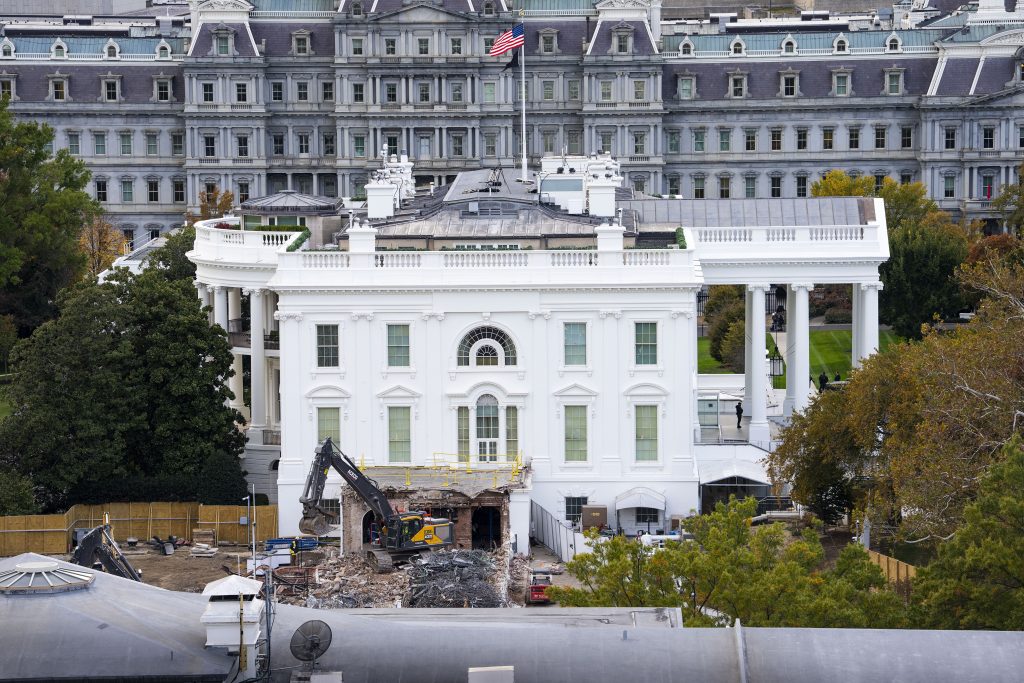
For Trump, who worked for years as a builder in New York City and often touts his experience in real estate and construction, the White House renovation is a dream project.
Trump was fascinated by the fact that, unlike in New York, he doesn't have to comply with any building permit requirements here. He told people in his neighborhood that he doesn't need approval from anyone and can start any project in the White House whenever he wants.
"You're the president of the United States, you can do whatever you want," Trump is quoted as saying.
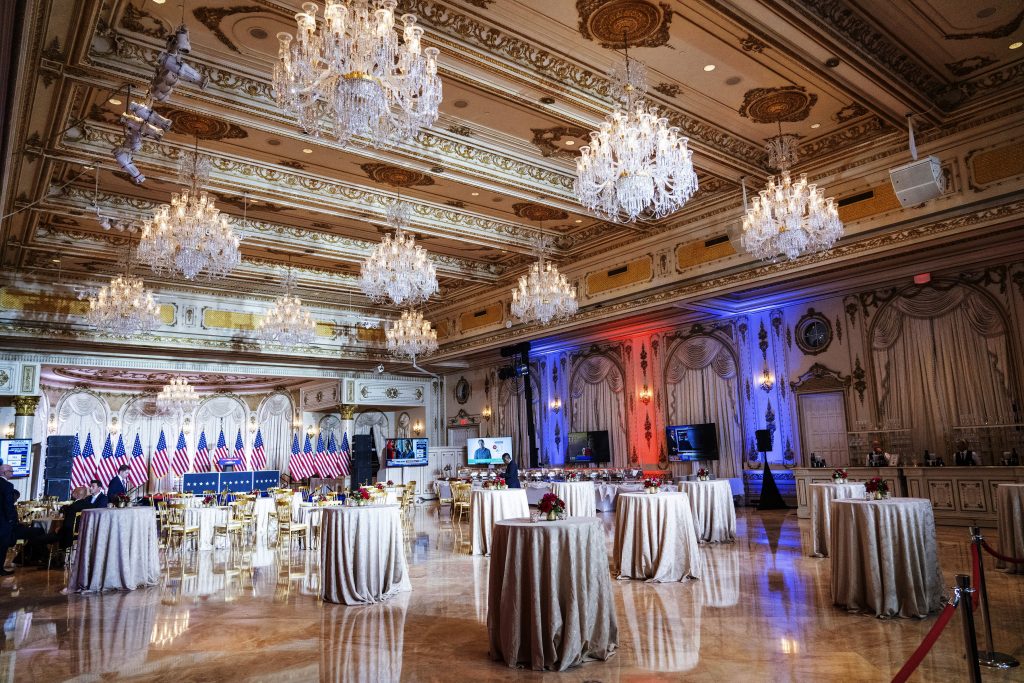
He has carried the idea of building a ballroom in the White House for years. During the Obama administration, he submitted a proposal to build a $100 million replica of his ballroom at Mar-a-Lago. Obama's associates, however, never took up his offer - an insult Trump has never forgotten to this day.
The new hall Trump is now planning is more than four times larger than the 1,858-square-foot one at his Mar-a-Lago mansion.
Trump was aware that his project could run into opposition, so he sought to remove any obstacles that might slow his vision.
He installed his former personal lawyer, Will Scharf, as chairman of the National Capital Planning Commission, which is supposed to review project plans. The latter said there was no need to review Trump's plans before ordering the demolition of the East Wing.
Trump also removed the entire leadership of the Commission of Fine Arts, an independent federal agency created by Congress to advise the president on urban planning and historic preservation.
His unilateral action raised concerns within the Society of Architectural Historians. The latter warned that "such a major alteration of such an important historic building requires a rigorous and deliberate design and review process."
Trump has been aware of criticism that his plans for the ballroom are too big. In October, he told a group of donors that he didn't want the new hall to "overshadow or overpower anything." But when he discussed related plans for the Arc de Triomphe at the same event, he showed three options: small, medium and large.
"Personally, I think the big option looks clearly the best," he said.
When details decide
Contractors working on Trump's ballroom, including McCrery Architects, Clark Construction and AECOM, did not have to go through the normal government bidding or procurement process. Instead, sources familiar with the situation said, Trump personally selected each contractor and negotiated the details of the contracts himself, including the amount of compensation each firm would receive.
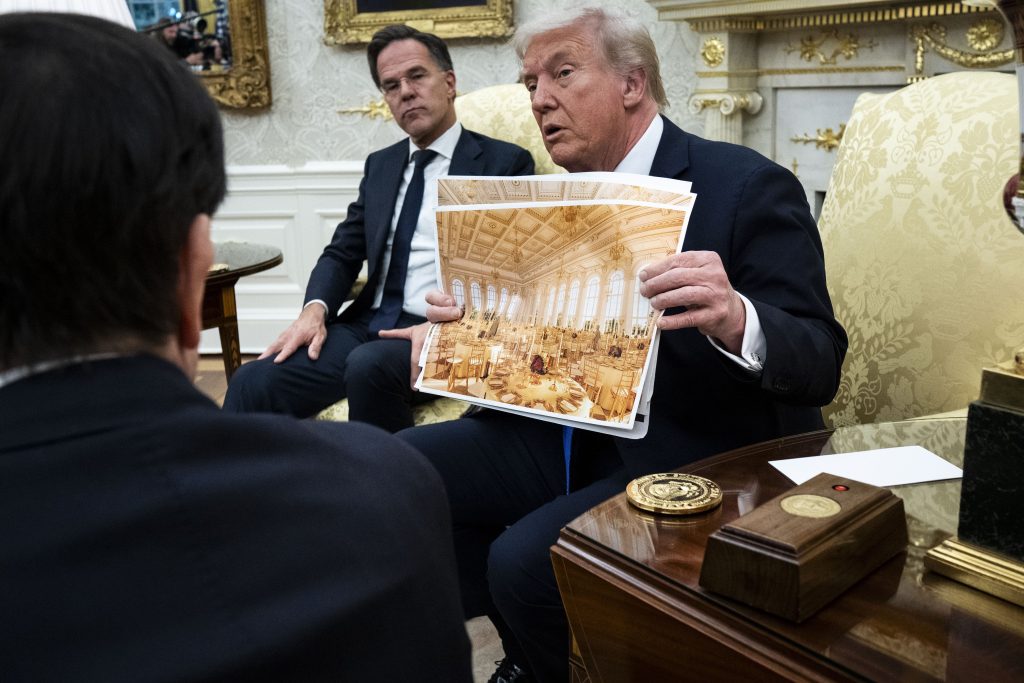
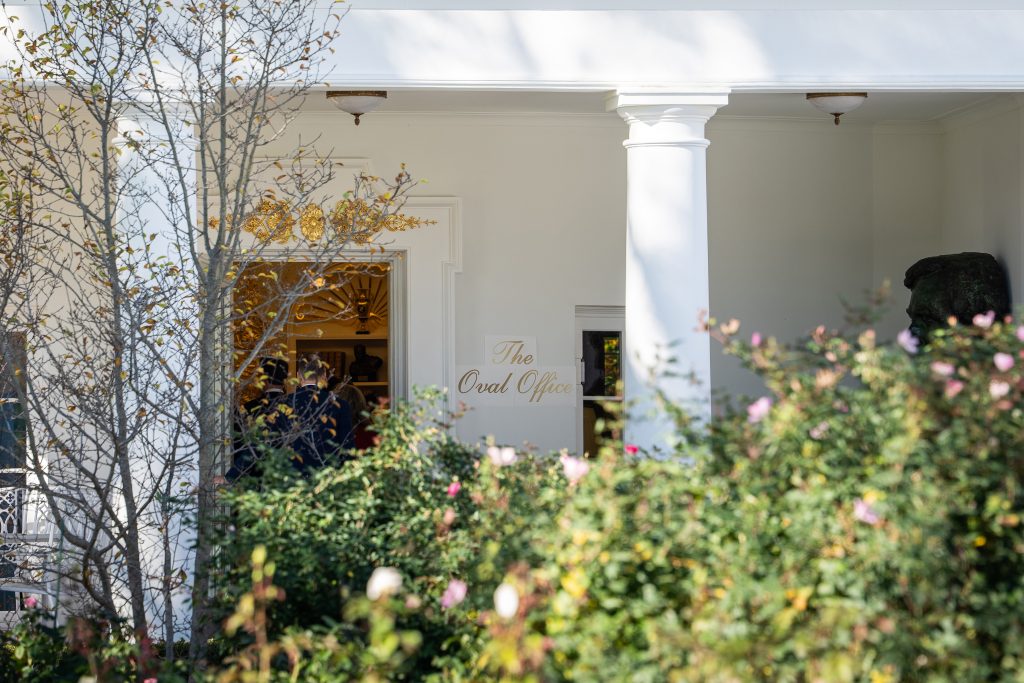
He chose McCrery Architects after the architect presented his proposal to him directly in the Oval Office. Crucial was the promise that the design would be in harmony with the existing White House architecture. (The building's original architect, James Hoban, was also a church architect.)
The president also revealed that the firm that was to do the excavation work on the site had originally asked for $3.2 million. However, he pushed it to accept a bid of only $2 million.
The short deadline the president has set - he wants the project completed by 2029 - has already caused some embarrassing, even embarrassing, slip-ups.
There have been a few mistakes in the plans so far, including a hastily made model by one contractor, such as windows that overlap or a staircase that leads nowhere.
Richard Longstreth, an architectural historian and professor at George Washington University, pointed out that the public has not yet seen the final form of the building. The success of the ballroom project, he said, will depend largely on its implementation.
"I have nothing against modern buildings being designed in the classical style - as long as it's done well," he said. "Some people can do it very well, others can't."
The president also originally considered preserving the East Wing, which houses the first lady's offices and serves as the traditional entrance to the White House for millions of Americans during official tours.
McCrery Architects originally proposed two options: to build the ballroom as an addition to the East Wing or to build it directly above it. Trump, however, rejected those plans.
Under the latest proposals, the first lady's offices would be located on the ground floor of the new building and the main entrance for visitors would lead from the East Portico.
"We started with a much smaller building and then I realized: we have the land for it, so let's do it right," Trump recently told donors at an event to raise funds for the project. "That's why we built a bigger building that can accommodate really any function we desire."
Many describe the plan for a new ballroom as a boon for the White House, especially since large events now have to be held in giant tents on the lawn.
Joseph Malchow, who serves on the board of the National Civic Art Society along with McCrery, says Trump is spearheading an effort to restore "classic American architecture."
The president also stressed that the construction will not cost taxpayers a dime, even though the cost of the building has increased by half - from $200 million to $300 million. Trump says he has already raised $350 million from donors, including major tech firms and crypto companies. Several companies have also promised to provide all the steel and air conditioning for free.
However, this method of funding bypasses Congress, meaning that members have no say in what the project looks like or where it goes.
"The White House is one of the most important buildings in the country. It's the so-called 'people's palace,'" said Richard Guy Wilson, professor emeritus of architectural history at the University of Virginia. "This new ballroom that's going up there is gigantic and, unfortunately, it's going to dominate the whole complex to some extent."
"An important designer"
The ballroom project is Trump's latest attempt to remake the White House in his own image.
He has added gold trim and ornaments to the Oval Office, and more gold decorations to the Cabinet Room.
He removed a photograph of Hillary Clinton, the former first lady and secretary of state, and replaced it with a portrait of himself with an American flag motif. In the Palm Room, marble floors and a chandelier were added.
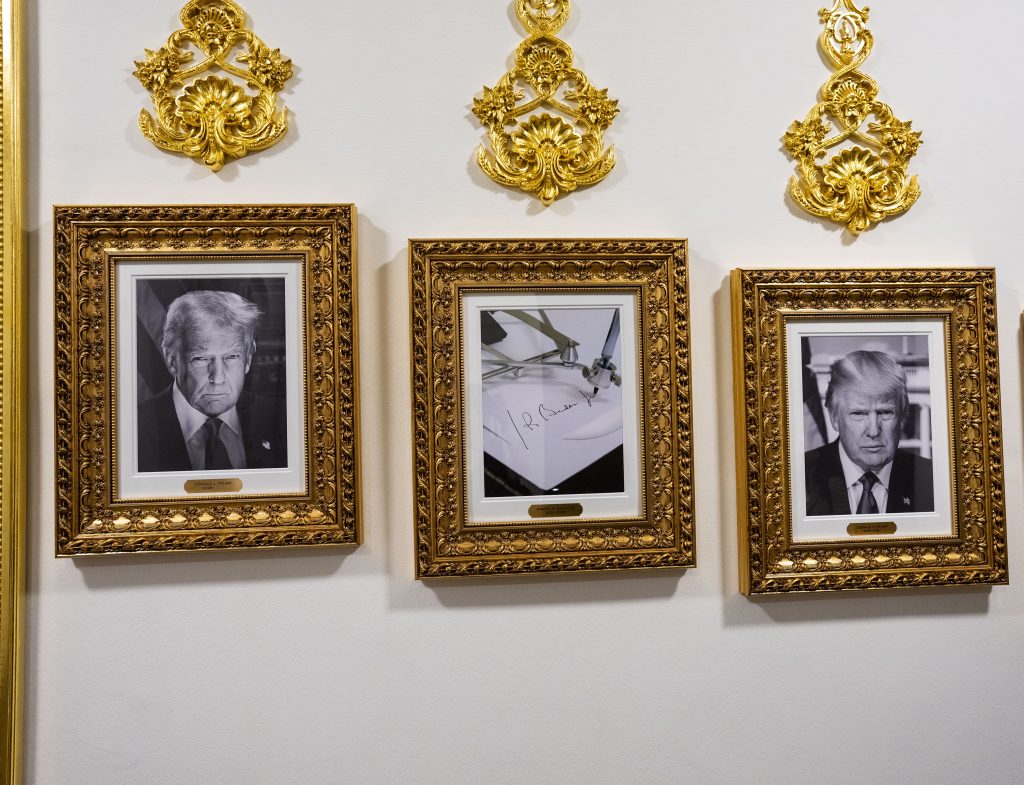
He had the lawn in the Rose Garden paved over to make room for a terrace. Along the colonnade of the West Wing, he placed gold-framed portraits of all the US presidents - except for his predecessor Joe Biden, whom he depicted only as an automatic pen.
Longstreth noted that many of these Trump changes can easily be removed and reverted by future presidents. "A lot of it can be reversed," he said. "Presidents have often come in and changed the decorations extensively."
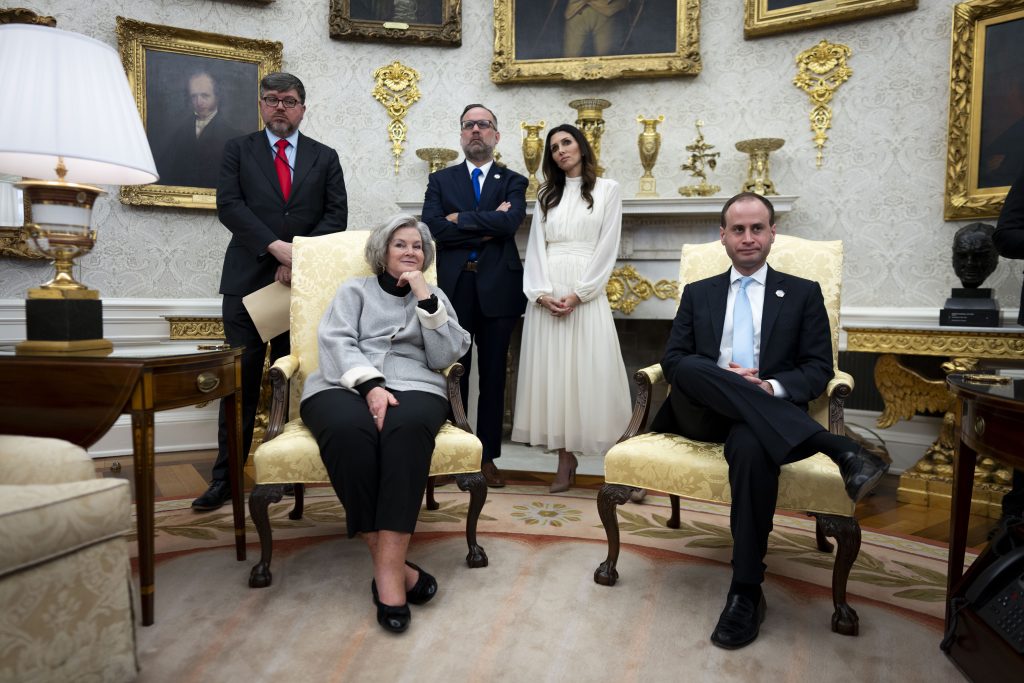
Still, Trump doesn't want to quit. He recently had the bathroom in the Lincoln Suite remodeled and posted more than two dozen photos of the renovation on social media. He has also talked informally about wanting to take on other projects at the White House, including more West Wing renovations.
A White House official confirmed that a major renovation of the West Wing is not currently on the agenda, but Trump will certainly be making other changes.
As for the construction of a new ballroom, Trump said he likes to see different proposals, but the final decision is always up to him.
"I consider myself an eminent designer," Trump declared.
This article originally appeared in the New York Times.