
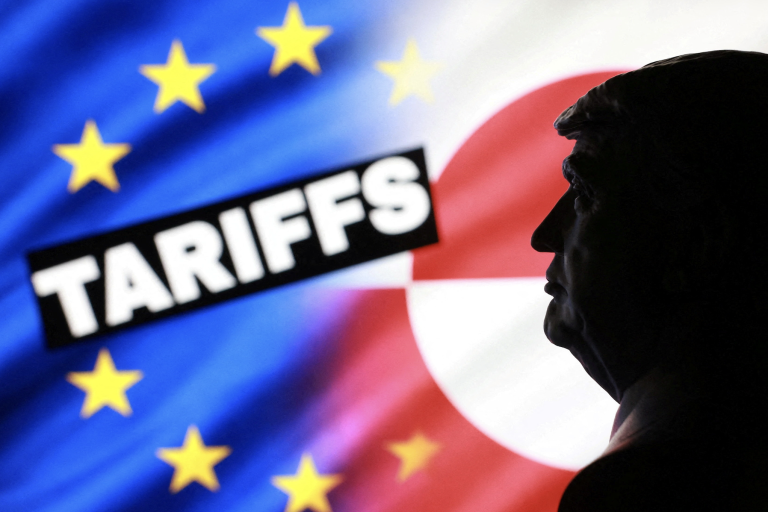
On Sunday, the European Union is dealing with diplomatic and economic pressure after US President Donald Trump announced new tariffs on several EU member states and the United Kingdom. The reason is the ongoing dispute over Greenland, which the United States wants to acquire.
Trump has threatened to impose 10% tariffs from February on Denmark, Sweden, France, Germany, the Netherlands, Finland, the United Kingdom, and Norway—countries that sent military personnel to NATO exercises in Greenland. From June, the tariffs will increase to 25 percent and remain in effect until the US is able to purchase Greenland.
According to him, this is a response to the rejection of the US offer to buy Greenland, which is an autonomous territory of Denmark.
The eight European countries affected issued a joint statement on Sunday afternoon. "As NATO members, we are committed to strengthening security in the Arctic as a common transatlantic interest. Tariff threats undermine transatlantic relations and represent a dangerous downward spiral," they said.
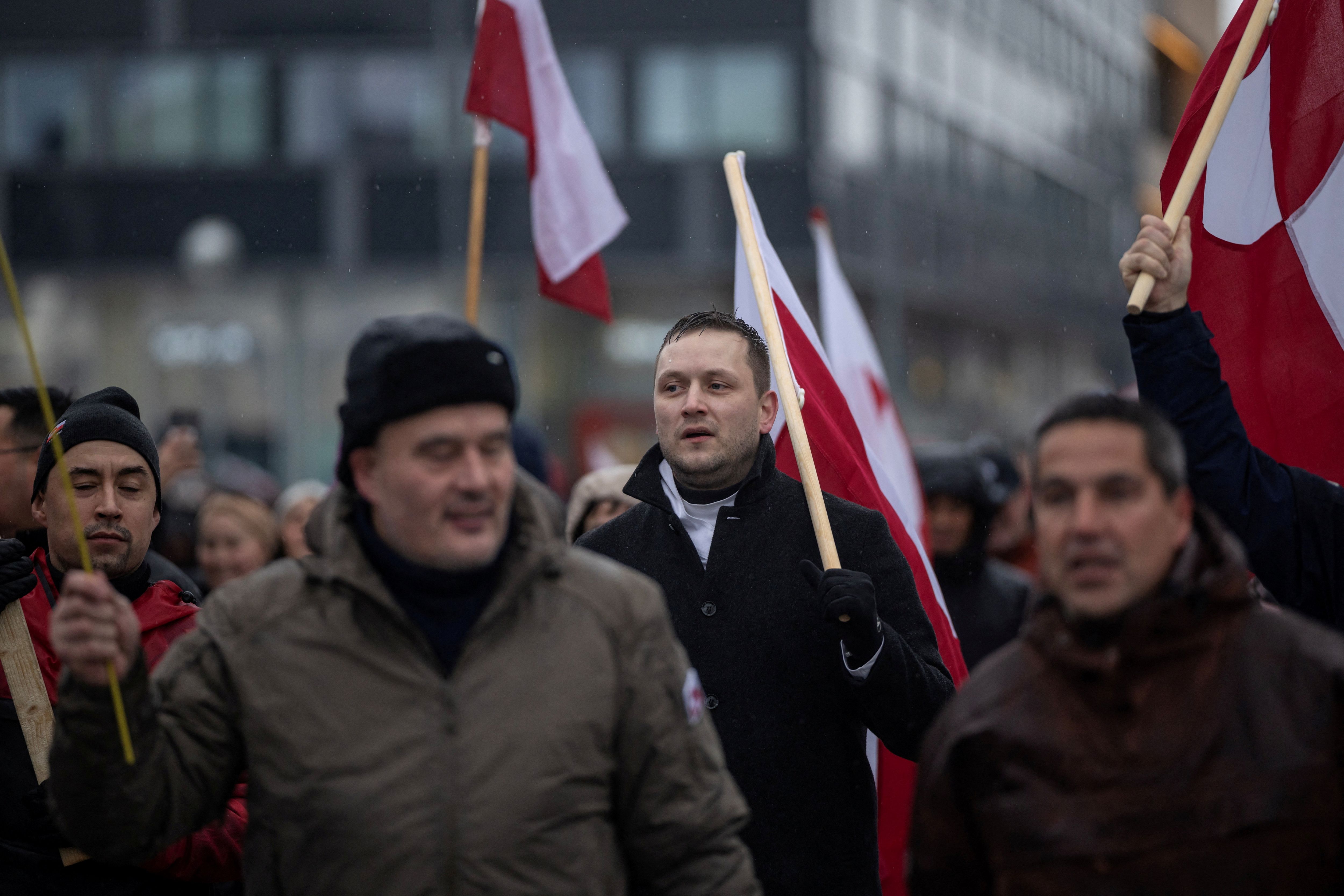
They continued to call for unity and coordination in response, as well as a commitment to protect sovereignty. They also announced the Danish exercise "Arctic Endurance" as a response to the threats.
The Union meets in extraordinary session
In response to Washington's statements, Cyprus, which currently holds the EU Council presidency, convened an extraordinary meeting of ambassadors in Brussels. The aim is to find a unified response.
French President Emmanuel Macron supports the activation of the so-called anti-coercion instrument. This mechanism allows the Union to impose countermeasures, such as restricting access to public procurement or restricting trade in services, where the US has a significant surplus.
The call to use this instrument has also been supported by other politicians and representatives of European institutions, including Bernd Lange, chairman of the European Parliament's Trade Committee, and Valerie Hayer, head of the Renew Europe group. The German Engineering Federation has also joined in.
Dutch Foreign Minister David van Weel also sharply criticized the US president's statements on Sunday. According to him, this threat of tariffs does not help NATO and does not contribute in any way to resolving the situation around Greenland. He stressed that he considers linking the island's diplomacy and security with trade measures unacceptable.
Italians and British tone down rhetoric
However, not all countries support the hard line. Italian Prime Minister Giorgia Meloni called Trump's threats a "mistake" and warned against hasty reactions. Italy did not participate in the military mission in Greenland. Meloni added that she had discussed the situation directly with Trump and plans to consult with other EU leaders.
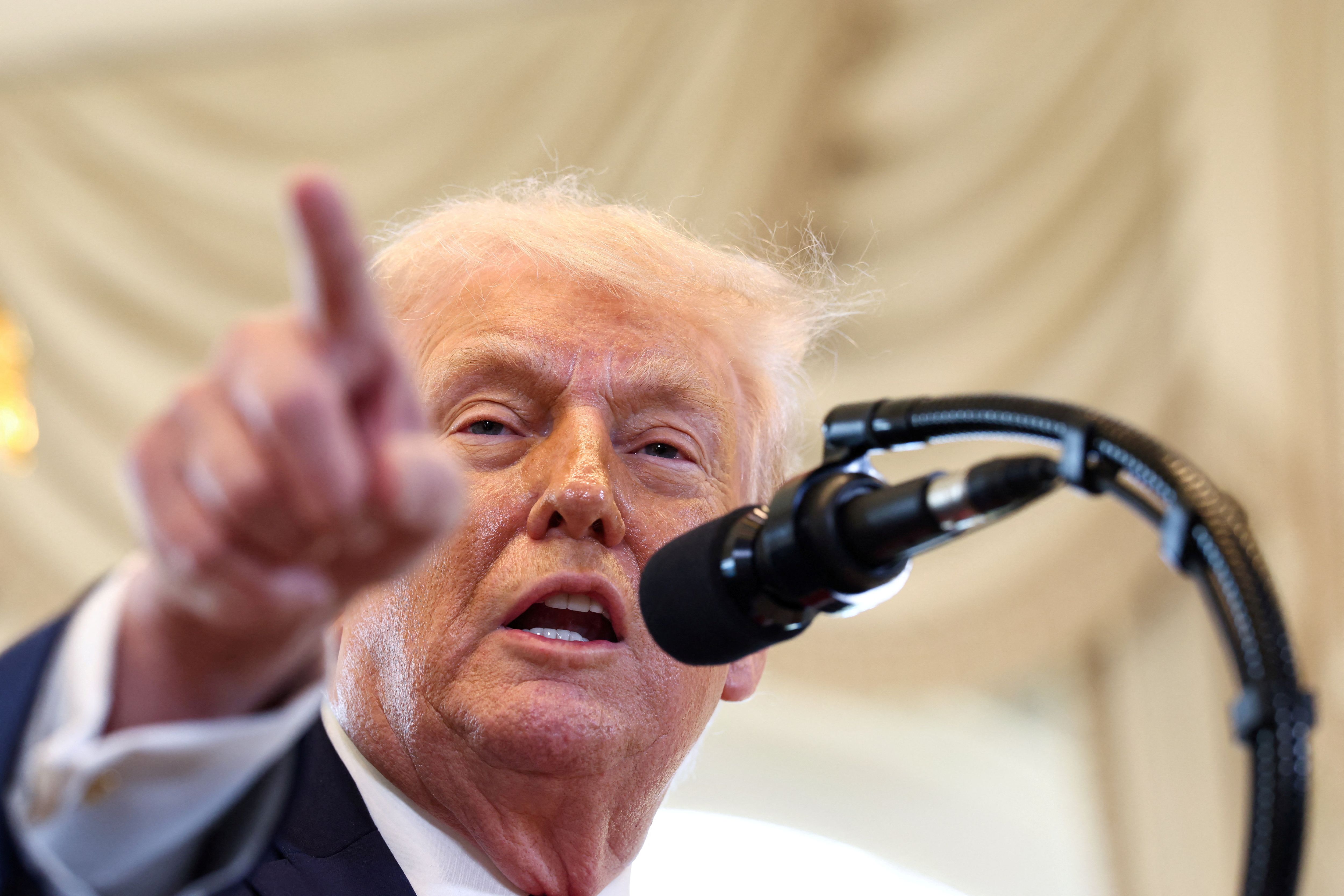
The UK, which is no longer a member of the EU, has also become a target of US tariffs. Culture Secretary Lisa Nandy stressed that the British position on Greenland is "non-negotiable" and called for cooperation with the US instead of escalating tensions. "It is in our collective interest to cooperate and not start a war of words," she told Sky News.
Norwegian Prime Minister Jonas Gahr Støre also called for caution on Sunday in relation to the looming trade conflict. "I don't think anyone benefits from this," he told broadcaster NRK.
The threat of tariffs comes at a time when the EU is concluding a major trade agreement with the South American bloc Mercosur. European Commission President Ursula von der Leyen said the agreement symbolizes the Union's commitment to free and fair trade.
At the same time, she indirectly criticized Trump's policy: "We choose fair trade over tariffs. We choose productive and long-term partnerships over isolation."
While Trump insists on owning Greenland as a strategic advantage, European leaders consider his approach to be blackmail. The European Parliament is likely to suspend approval of the planned trade agreement with the US.
(reuters, max)