Nuremberg. DATEV, a cooperative association of German tax advisers, regularly publishes economic trends in Germany based on data collected by tax advisers in the course of their work. The DATEV SME Index is a set of key indicators tracking the development of companies across several areas. Fundamental economic trends are reflected in both company turnover and wage developments. Wages are a significant cost factor, particularly in the SME sector, which accounts for most companies in Germany, but they also serve as an indicator of economic performance.
According to a press release from the cooperative, the DATEV SME Index turnover stood at 97.2 points in January, adjusted for seasonal and calendar effects. This represents a 1.5 per cent increase compared with the previous month. Compared with the same month last year, there was a slight decline of 0.7 per cent, likewise adjusted for seasonal and calendar effects. The start to the year is therefore subdued. The significance of the index lies not in absolute figures, but in reflecting trends and developments. It shows that turnover in the hospitality sector is stagnating, while manufacturing in particular is recording a significant decline of 4.8 per cent compared with the previous year. There are no signs of economic recovery.
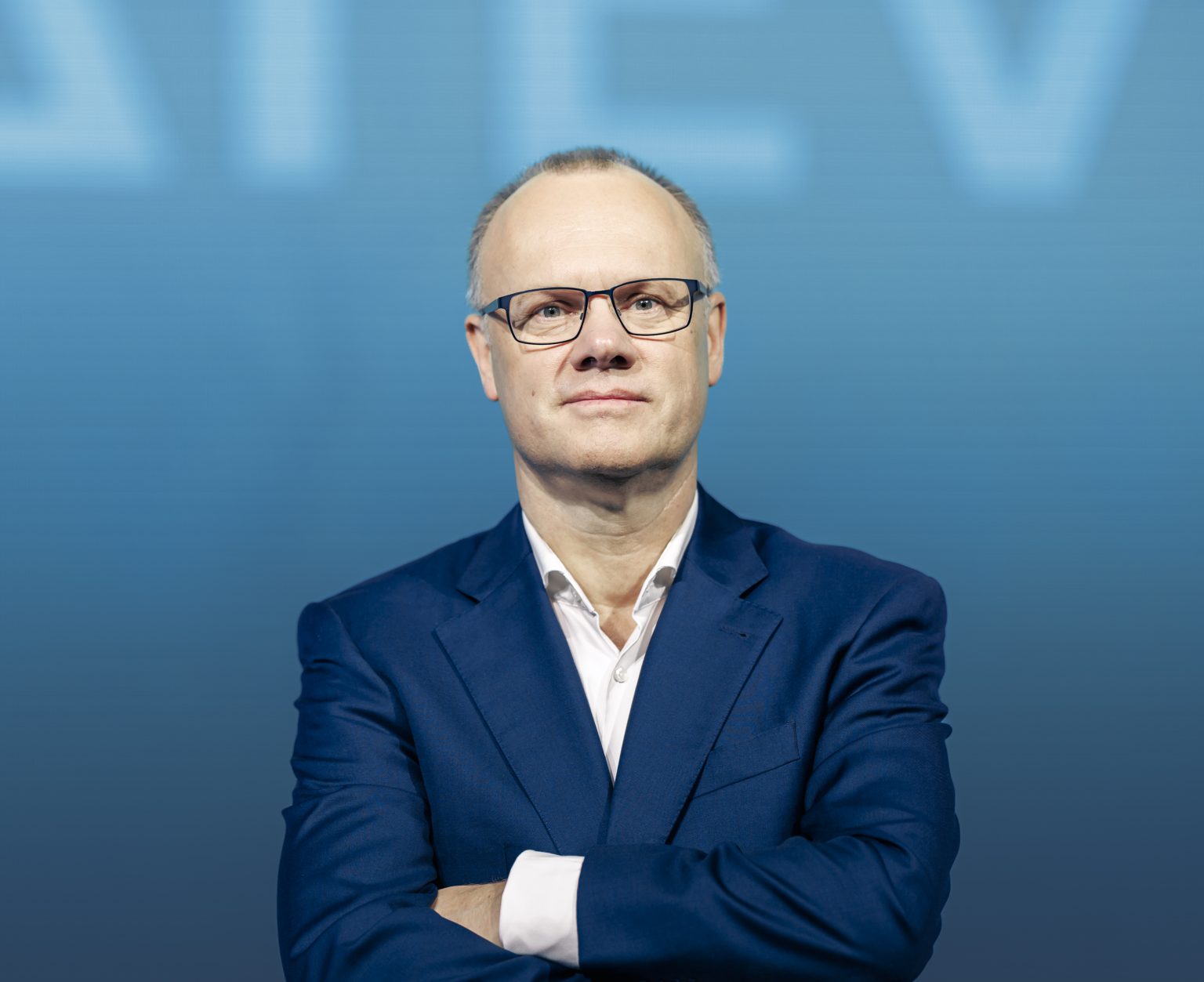
“Small and medium-sized businesses are having a slow start to the year: turnover continues to decline and employment is also continuing to fall,” says Robert Mayr, CEO of DATEV. Contrary to some optimistic statements, there are currently no reliable signs of an economic recovery, Mayr continues. The other key indicators confirm the trend.
Companies' wage costs are rising
The wage index rose to 121.4 points in January, adjusted for seasonal and calendar effects. This represents an increase of 0.6 per cent compared with the previous month. According to DATEV, wages and salaries are 3.9 per cent higher than a year earlier, adjusted for seasonal and calendar effects.