
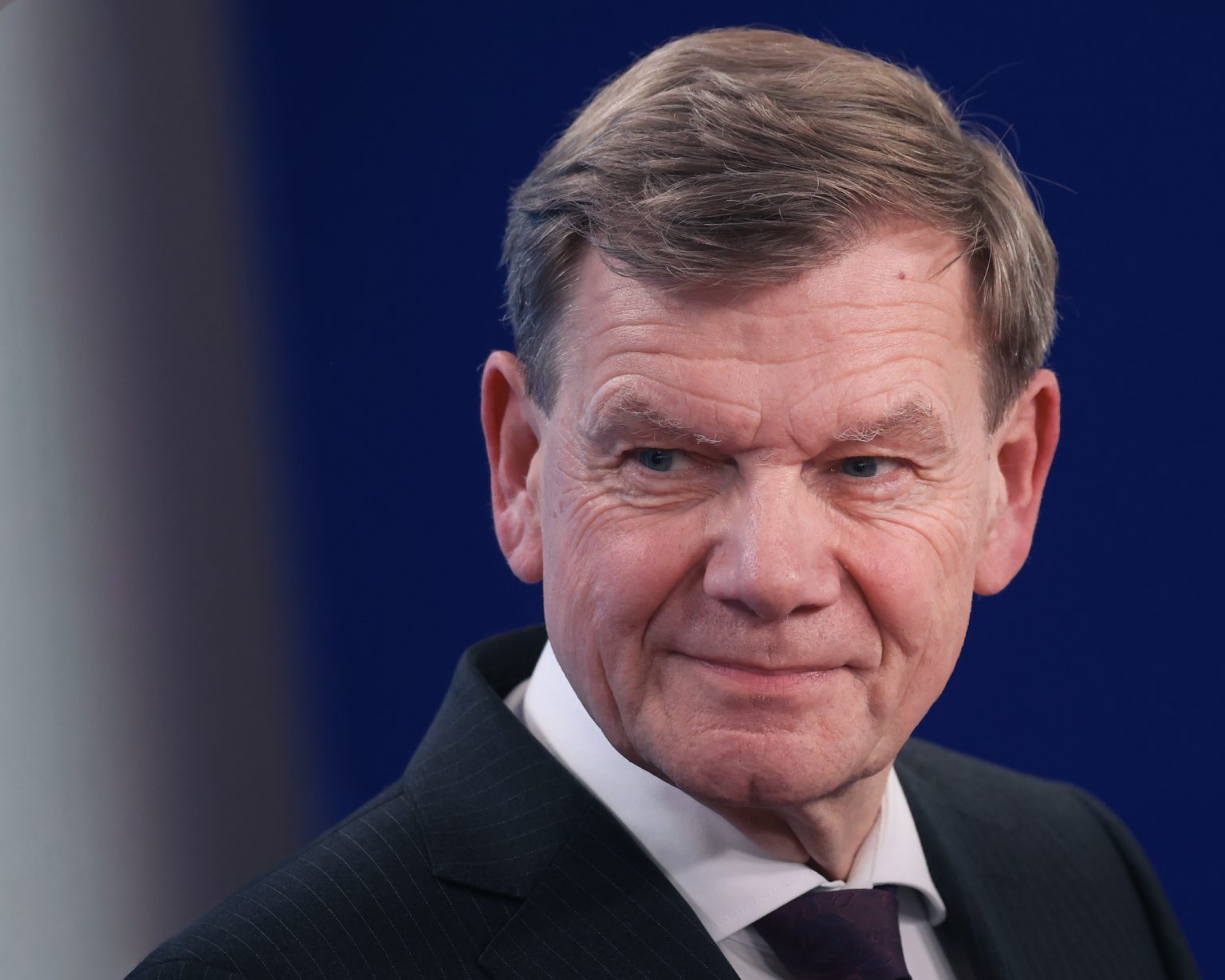
Kyiv. Germany’s Foreign Minister Johann Wadephul (CDU) was awarded the Order of Merit, Second Class, during his visit to Kyiv in the middle of the week. The honour was conferred by Ukrainian President Volodymyr Zelenskyy and, according to the official statement, recognises Germany’s ‘consistent support’ and its advocacy of reliable security guarantees. The communication from Kyiv emphasised that the Federal Republic occupies a leading position in Europe in terms of the scale of assistance and that the air defence systems supplied by Berlin have saved numerous lives.
The distinction has drawn attention less because of the award itself than because of its classification. Under the statute of the order, ‘ministers of sovereign states’ customarily receive the First Class. The Second Class is likewise designated for ministers but ranks below it in protocol. In the realm of diplomatic symbolism, such gradations are seldom accidental. Rank, timing and context invariably convey a political message, even where none is explicitly formulated.
Since the beginning of the Russian invasion in February 2022, Germany has been among Ukraine’s most important supporters. According to figures released by the federal government, civilian assistance amounts to €39 billion, while military support stands at €55 billion. Training programmes, logistical coordination and political initiatives at European level are added to that total. Berlin has thus evolved from a once hesitant actor into a central pillar of European Ukraine policy.
Comparison and weight
A glance at earlier decorations underscores the protocol dimension. In 2024, Defence Minister Boris Pistorius was awarded the Order of Merit, First Class, by Zelenskyy. Other foreign ministers directly associated with military assistance have likewise received the highest grade. Against that background, the Second Class bestowed upon Germany’s foreign minister appears at the very least noteworthy.
The distinction can be explained in substantive terms. The defence ministry represents the direct delivery of weapons, military systems and operational co-operation. The foreign ministry stands for diplomatic alignment, alliance-building and strategic co-ordination. In a war defined above all by military capability, such differentiation may also find expression in symbolic acts. At the same time, officials in Kyiv insist that the Second Class does not constitute a slight. Under the statute, it is expressly intended for ministers. Nevertheless, the First Class signals the highest protocol recognition. Why it was not awarded in this instance has not been officially clarified. An enquiry by several journalists to the Ukrainian presidential office went unanswered.
Germany’s role in Europe
Irrespective of the order’s grade, Germany’s strategic importance to Ukraine remains undisputed. The Federal Republic is one of the largest European financiers of the Ukrainian state budget and a key supplier of military equipment. Berlin also plays a decisive role in co-ordination within the European Union, whether in sanctions packages, financial assistance or the organisation of joint procurement initiatives.
That development marks a profound shift in German foreign and security policy. The so-called ‘Zeitenwende’ has not only increased defence expenditure but sharpened Berlin’s self-conception as a security power. Germany now acts more visibly, more decisively and with greater financial weight than in earlier conflicts.
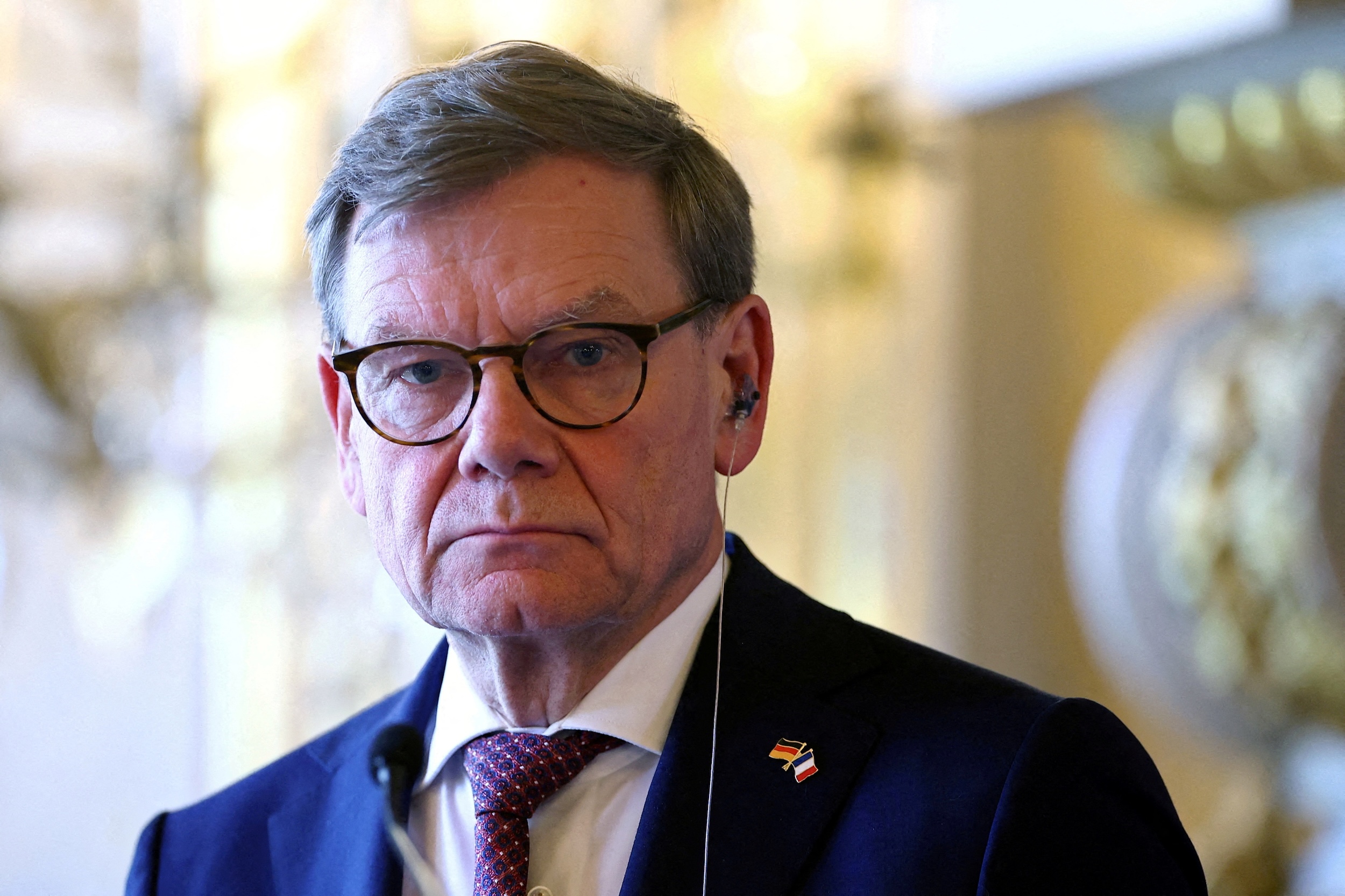
The award to Wadephul of the Second Class does not alter the substance of German–Ukrainian relations. It does, however, illustrate that even among close partners distinctions are drawn. Symbolic acts form part of political communication between states. They reflect priorities, expectations and the hierarchy of tangible contributions. In a protracted war, such nuances acquire greater significance – not as a rupture, but as an indication of the fine gradations within international partnerships.