
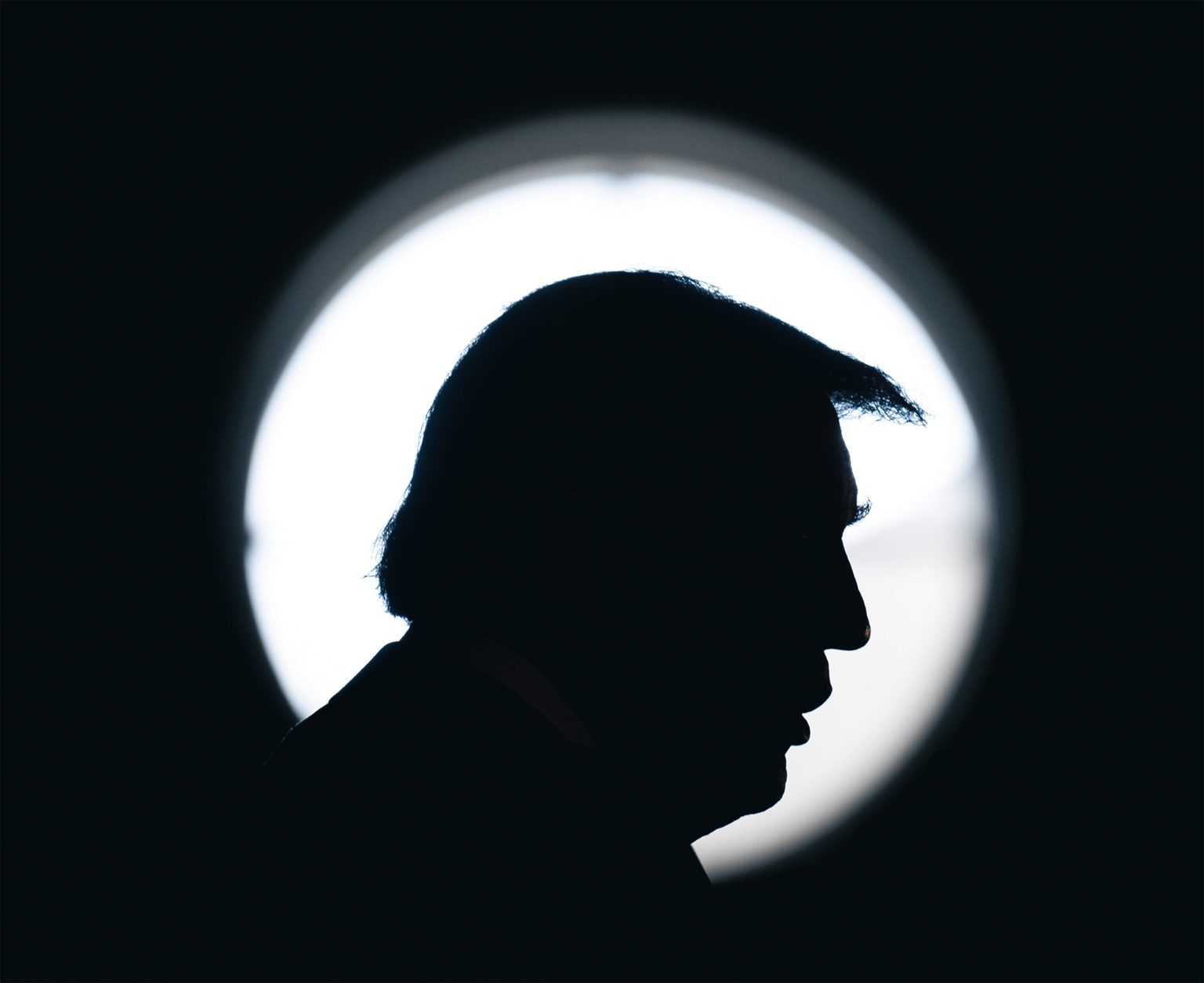
Before the US attack on Iran, President Donald Trump received intelligence briefings warning of potentially heavy American losses, but also outlining the prospect of a fundamental geopolitical shift in favour of the United States.
The launch of Operation Epic Fury triggered a fresh wave of tension in the Middle East and prompted a series of retaliatory strikes.
A high-risk, high-reward operation
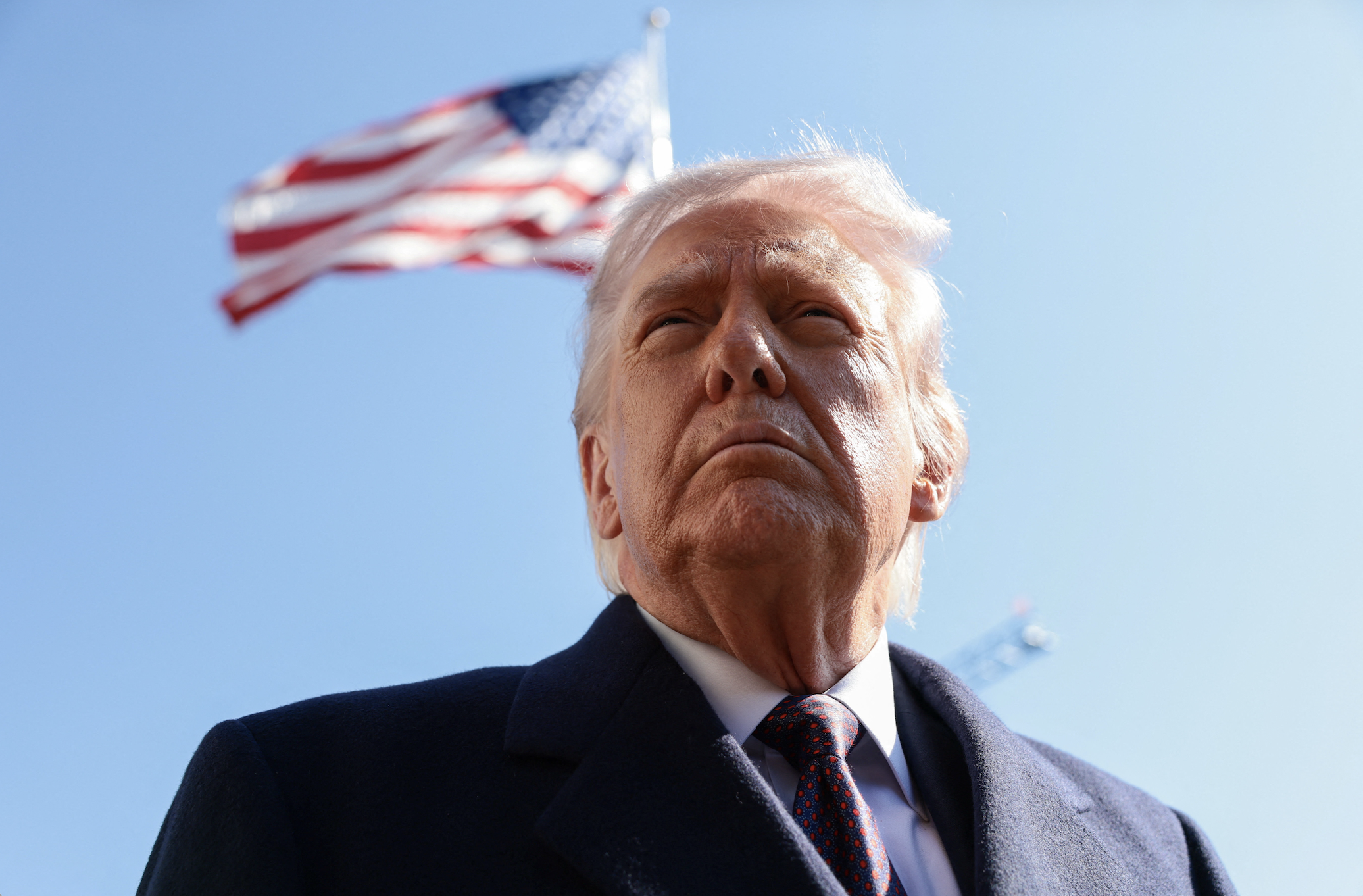
According to a US official who spoke on condition of anonymity, Trump was told the planned action represented a ‘high risk, high reward’ scenario. The briefings contained frank assessments of the possible consequences, including significant US casualties, but also pointed to the possibility of a generational shift in the region in favour of American interests.
The president acknowledged the risk of losses when announcing the start of the operation. ‘The lives of courageous American heroes may be lost, and we may have casualties. But we’re doing this not for now – we’re doing this for the future. And it is a noble mission,’ he said in a video message.
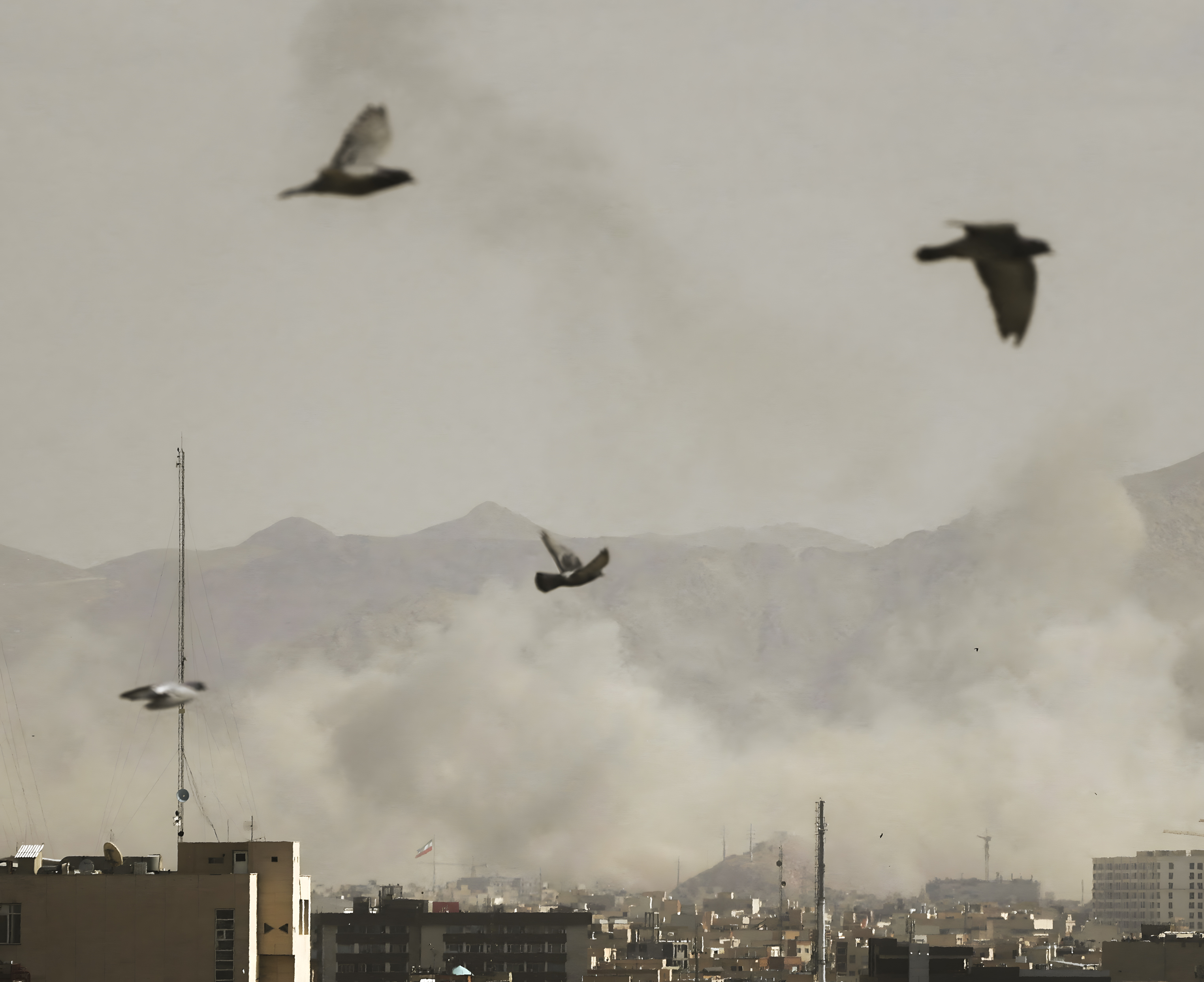
Operation Epic Fury involved co-ordinated US and Israeli strikes on multiple targets across Iran. Tehran subsequently launched retaliatory attacks against Israel and several Gulf states.
Warnings of retaliation
According to a second US official, the White House was briefed on several specific risks. These included the possibility of missile attacks on US bases in the region that could overwhelm air defence systems, as well as assaults by Iranian-backed groups on US troops in Iraq and Syria.
Despite the large-scale deployment of US forces to the Middle East, there are limits to the defensive systems hastily moved into the region, according to the sources. Moreover, Pentagon planning offers no guarantee of a decisive outcome.
Experts warn the escalation could prove unpredictable. Iran, they say, has a broad range of retaliatory options at its disposal, from ballistic missiles and drones to cyberattacks. ‘Iran has far more ballistic missiles capable of hitting US bases than the US has interceptor missiles. Some weapons will get through the defences,’ said former senior Pentagon official Daniel Shapiro.
The White House’s broader ambitions
However, Trump has made clear his objectives extend beyond a single strike. He has said he wants to destroy Iran’s missile arsenal and production capacity, weaken its navy and prevent Tehran from developing nuclear weapons – an ambition Iran has long denied. At the same time, he called on the Iranian people to overthrow their government.
In the weeks leading up to the operation, the president ordered a significant increase in the US military presence in the region. Reuters had previously reported on preparations for a longer-term campaign against Iran, potentially including strikes on individual representatives of the regime.
An Israeli source indicated the targets could have included senior officials, among them Ayatollah Ali Khamenei and President Masoud Pezeshkian, although the outcome remains unclear.
An uncertain future
Analysts say Trump’s decision marks one of the riskiest moves in US foreign policy since the 2003 invasion of Iraq. At the same time, they argue it reflects the president’s growing readiness to take substantial geopolitical risks.
According to Nicole Grajewska of the Carnegie Endowment for International Peace, calls to overthrow the Iranian regime face serious obstacles. ‘The Iranian opposition is fragmented. It is unclear what the population is willing to do in terms of an uprising,’ she said.
Meanwhile, Iran’s Islamic Revolutionary Guard Corps has declared retaliation will continue until ‘the enemy is definitively defeated’. The conflict is entering a phase whose further course is difficult to predict and which could have profound consequences for the region and for global security.
(pmi)