
Following the death of Supreme Leader Ayatollah Ali Khamenei, the Iranian regime faces an existential threat. In a situation in which it may conclude that it has little left to lose, the risk increases that it could resort to measures it would otherwise have avoided.
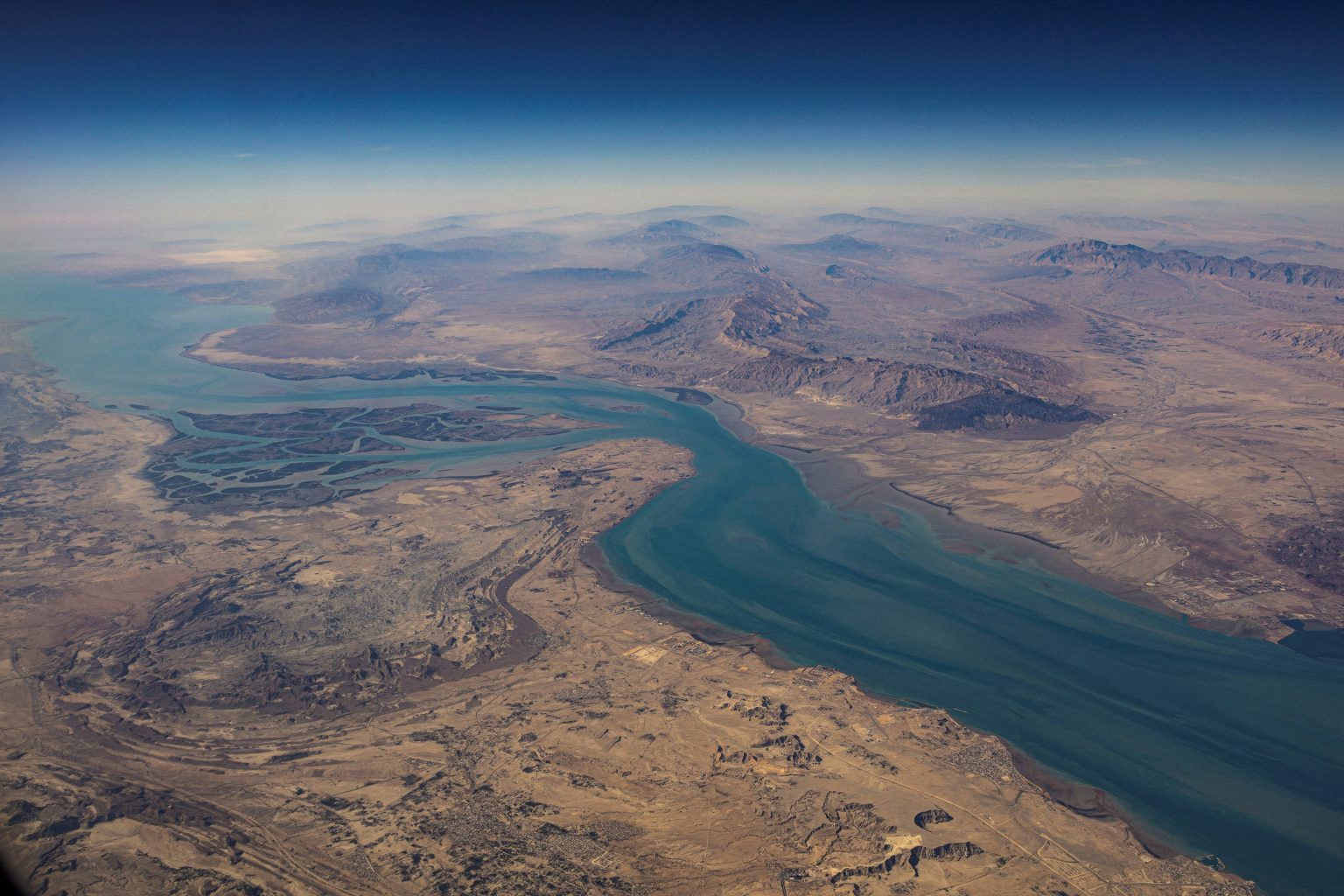
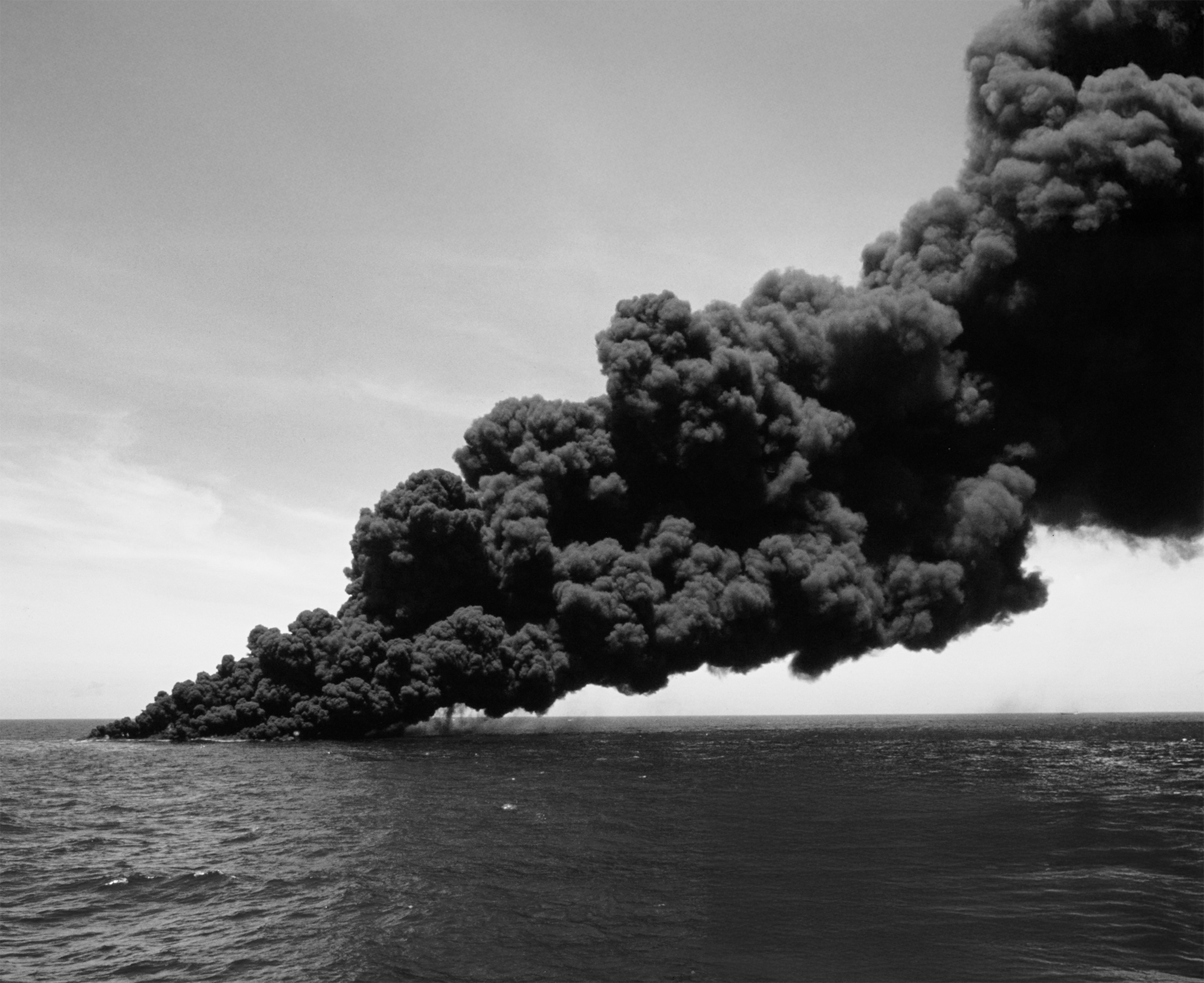
One possible step would be the laying of thousands of sea mines in the Strait of Hormuz, widely regarded as the most effective form of blockade. Clearing such mines could take weeks or even months, driving up global oil prices and, in turn, pushing fuel prices sharply higher at filling stations.

Even if the US Fifth Fleet, based in Bahrain, possessed sufficient military strength to prevent such an Iranian move and swiftly restore maritime traffic in the strait, the possibility of a more lasting blockade must now be taken seriously. President Donald Trump said on Sunday that the US military is sinking the Iranian navy, has destroyed nine Iranian warships so far and is ‘going after the rest’. The underlying factor is the potentially existential pressure facing the current regime in Tehran.
Strategic artery of the global energy market
The Strait of Hormuz is the most important bottleneck in the global energy system. More than a quarter of all oil traded by sea passes through it, equivalent to roughly one-fifth of total global oil consumption. In addition, almost a quarter of the world’s traded liquefied natural gas transits the strait.
According to Rystad Energy, a consultancy specialising in international energy markets, Brent crude could rise by as much as $20 per barrel when trading opens on Monday, reaching about $93. That projection has not been borne out, as Brent rose by 7 per cent on Monday to $79. The increase would reflect a sharply higher risk premium.
Should the Strait of Hormuz be effectively closed, however, the price of oil could climb above $100 per barrel for the first time since August 2022, Rystad Energy estimates. A prolonged closure would significantly raise the cost of fuel and other petroleum products domestically, while also increasing wholesale natural gas prices.
Although Europe is less dependent on Qatari liquefied natural gas exports – most of which are destined for Asia – storage levels are relatively low for this time of year, potentially adding to upward pressure on prices. On the other hand, comparatively mild weather across much of Europe is limiting demand and reducing the need to draw heavily on reserves.
Higher oil prices could benefit Russia
If Tehran were to succeed in blocking the Strait of Hormuz for an extended period, the result would undoubtedly be an oil shock on global markets. Such a move would also harm Iran itself. The country exports much of its own oil – particularly to China – via the strait. By closing it, Tehran would cut itself off from vital revenue streams which, even under sanctions and sold at a discount, remain a cornerstone of state income. It would also risk straining relations with Beijing.
Russia, by contrast, would stand to benefit from a blockade and higher oil and gas prices, as it would see increased export revenues.
This text, which has been shortened, was originally published on the website lukaskovanda.cz.