
On Monday, the US military confirmed that six American soldiers had been killed since the start of operations. Another six were injured in an incident in which Kuwaiti air defences accidentally shot down three F-15 fighter jets. According to the Pentagon, several other soldiers suffered serious injuries.
‘We expect further losses,’ said General Dan Caine, chairman of the US Joint Chiefs of Staff, at his first press conference since the outbreak of the conflict. He stressed that these are extensive combat operations and that achieving military objectives will take time.
Israel prepares for weeks of Iran conflict
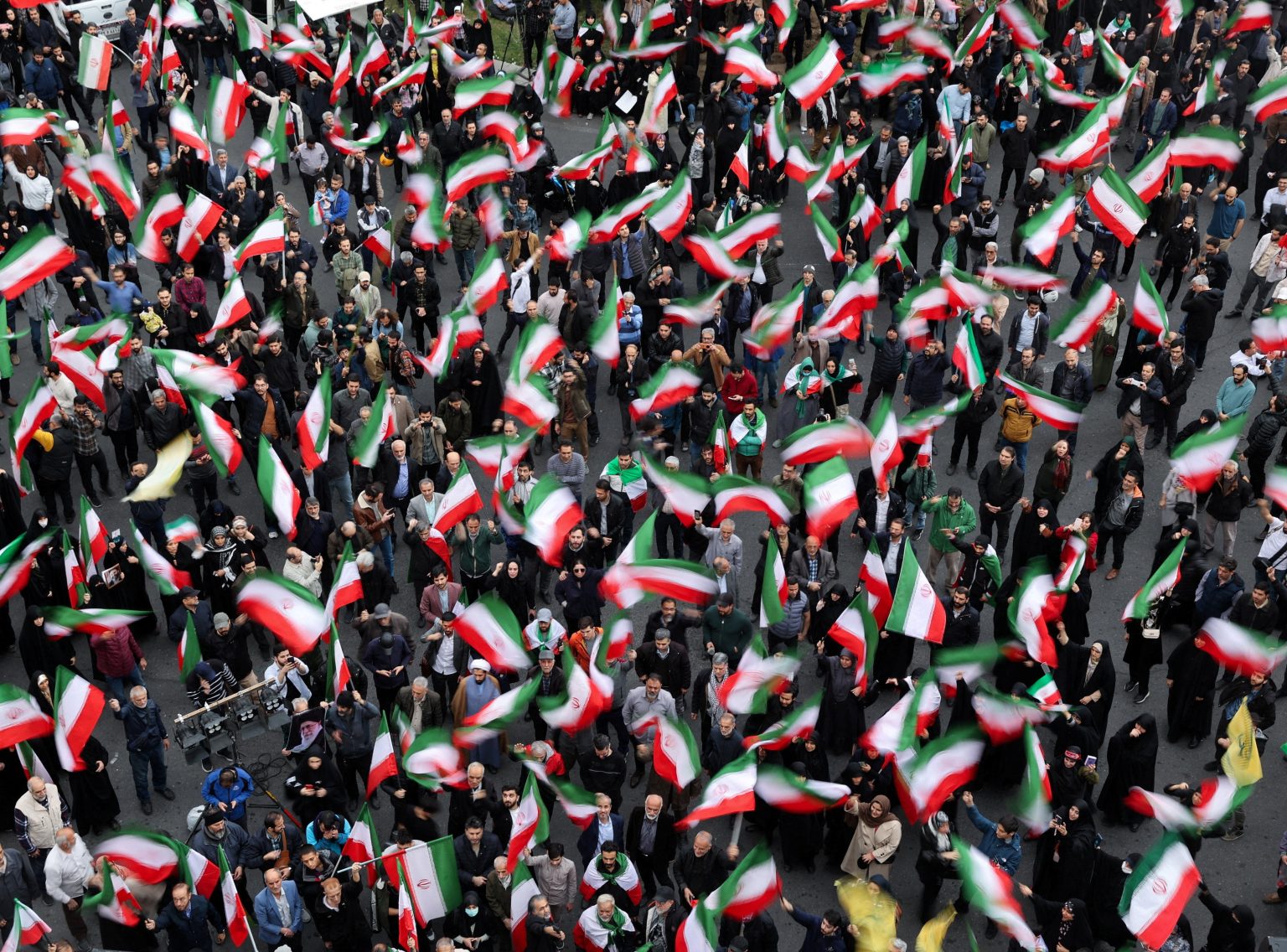
On Saturday, the United States and Israel launched their most ambitious attacks against Iran in decades. According to US officials, more than 1,250 targets were hit, 11 Iranian warships were sunk and Supreme Leader Ayatollah Ali Khamenei was killed in the attacks.
Iran responded with missile and drone strikes against Israel and against targets in Arab countries hosting US bases.
Defence Secretary Pete Hegseth emphasised that the goal of the operation is to destroy Iran’s navy and missile capabilities, which could shield Tehran’s possible secret efforts to develop nuclear weapons. Iran repeatedly denies that it is seeking to acquire nuclear weapons.
‘This is not Iraq. This is not endless,’ Hegseth said, rejecting comparisons with the long wars in Iraq and Afghanistan. However, he declined to give a specific timeline for the campaign.
The Pentagon said there are no US ground troops on Iranian territory. Although the defence secretary did not rule out any possibilities for the future. ‘We will do whatever is necessary to advance American interests. But we are not stupid. You do not have to send 200,000 people there and stay for 20 years,’ Hegseth said.
Vice-President JD Vance, in an interview with Fox News, ruled out that the war would drag on for years. ‘Donald Trump has defined the goal as Iran not having a nuclear weapon and making a long-term commitment that it will never attempt to rebuild its nuclear capabilities,’ Vance added.
Meanwhile, US forces in the Middle East continue to build up, representing the largest deployment since the invasion of Iraq in 2003.
Swift and decisive action
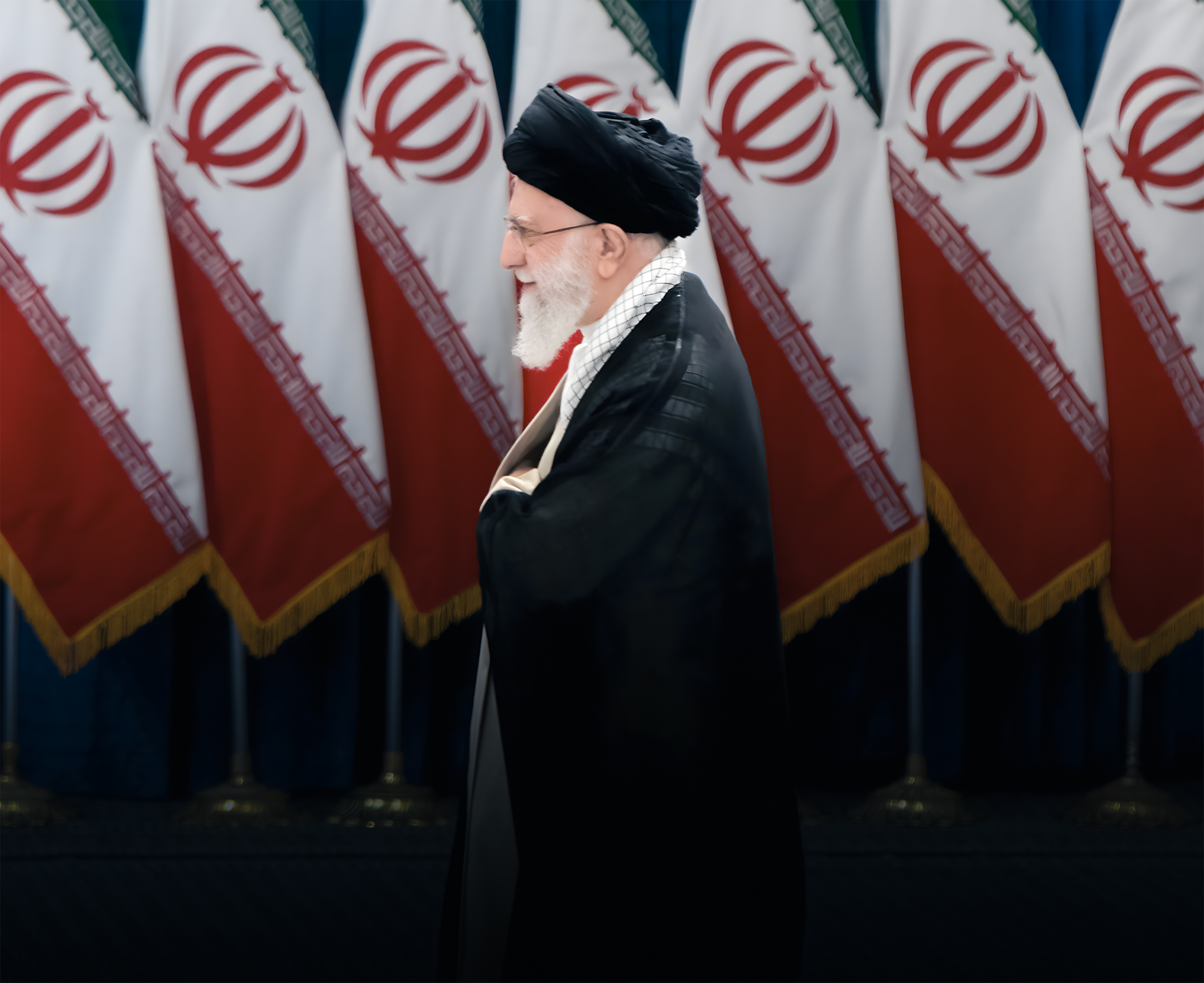
Israeli Prime Minister Benjamin Netanyahu also rejected the idea of an ‘endless war’ in an interview with Fox News, saying that the Iranian regime is at its weakest since the 1979 revolution. ‘It will be swift and decisive action,’ he said.
He described the attack as urgently necessary because Iran was allegedly building new underground facilities that would protect its missile and nuclear programmes from attack within a few months. ‘If no action is taken now, no action can be taken in the future,’ he said.
According to Netanyahu, attacks by the US and Israel will create the conditions for regime change in Iran. He said that joint US‑Israeli operations ‘will usher in an era of peace we never dreamed of’.
He declared that 95 per cent of the problems in the Middle East are caused by Iran and that the fall of the regime would lead to several peace agreements between Israel and neighbouring Muslim states.
Changing goals and timeframe
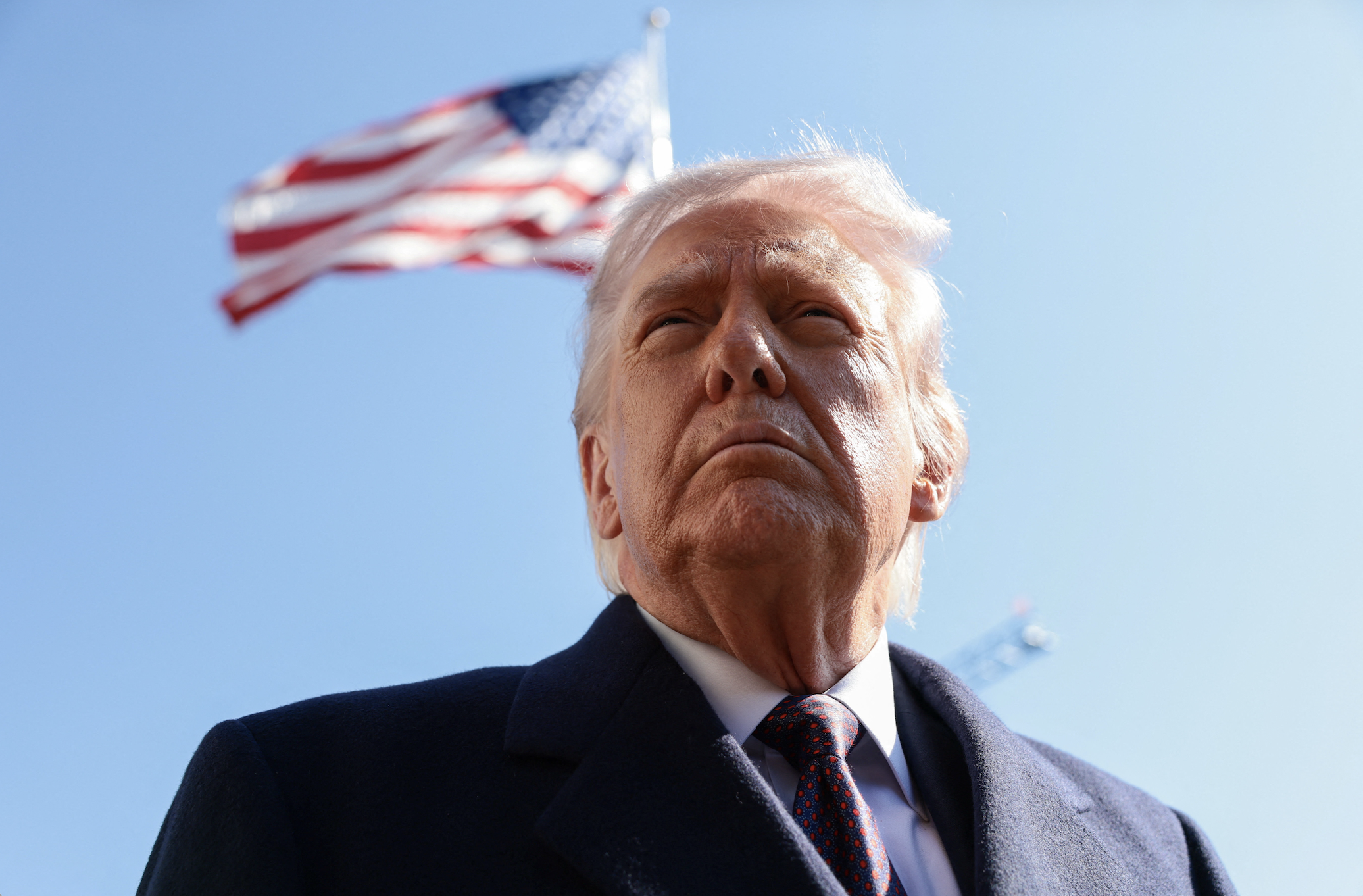
President Donald Trump initially indicated that the operation could last four to five weeks, but admitted it might be extended.
In his letter to Congress, he did not specify a precise time frame and wrote that ‘it is impossible to know the full scope and duration of military operations’.
Trump said on Monday that the goal was to prevent Iran from developing a nuclear weapon and to halt its long-range ballistic missile programme, though he did not mention regime change. On Saturday, he called on Iranians to ‘take back their country’.
According to two sources familiar with the situation, the administration acknowledged in closed-door briefings that there was no intelligence suggesting that Iran was planning an imminent attack on US forces.
Trump claims, without presenting any evidence, that Tehran was close to being able to strike the United States with a ballistic missile, underlining the uncertainty and high stakes surrounding the operation.
(reuters, pir, est)