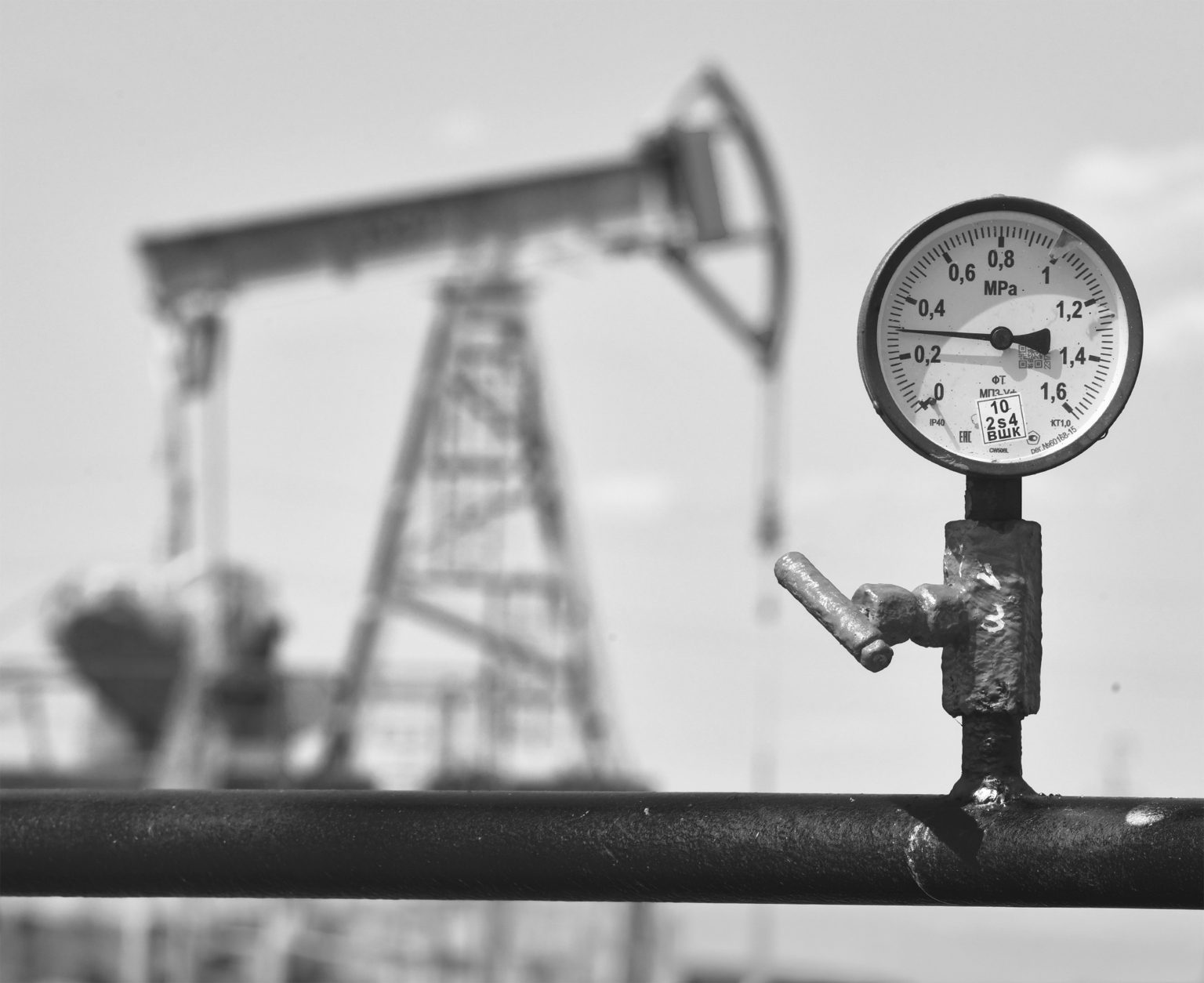
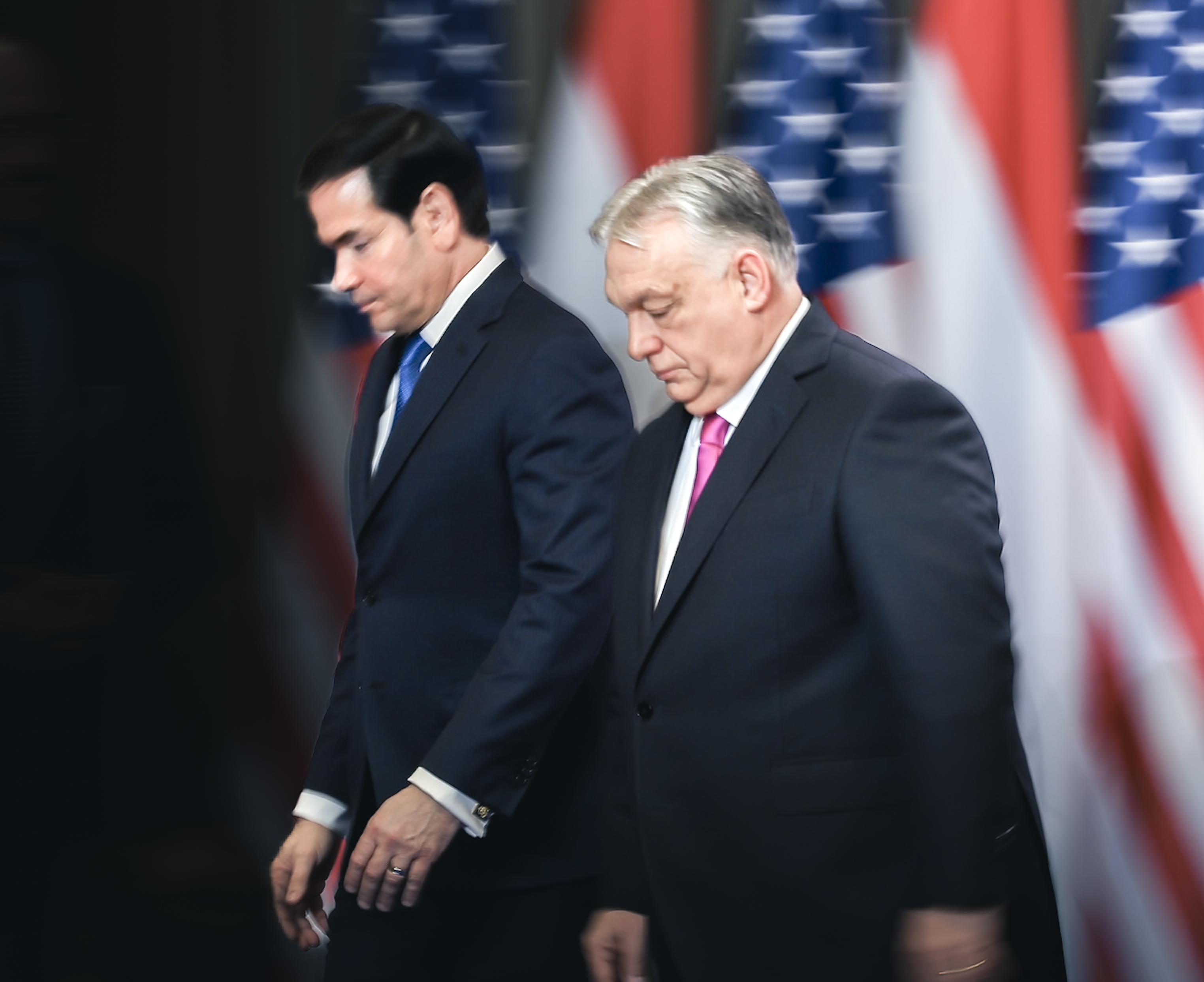
In contrast, the governments of Viktor Orbán in Hungary and Robert Fico in Slovakia have moved in the opposite direction, paradoxically increasing their historical reliance on Russian oil and driving both countries deeper into the energy trap. During the war, Hungary’s dependence on Russian oil rose from approximately 61 per cent in 2021 to roughly 86 per cent in 2023–24, according to energy think tanks. The southern Druzhba branch supplied roughly four to five million tons of oil per year, more than half of Hungary’s total consumption.
Slovakia experienced a similar situation. The Slovnaft refinery in Bratislava, owned by Hungary’s MOL Group, processed roughly 4.8 million tons of oil in 2023, of which 85–87 per cent came from Russia. Druzhba remains a hidden energy border shaping not only trade but also political responsibility.
Halted flows and Brussels’ blind spot
At the end of January 2026, flows through the southern Druzhba branch virtually stopped. Kyiv attributed the halt to a Russian attack on pumping stations in western Ukraine. For Bratislava and Budapest, this created an apparently intractable problem.
Financial markets may give the illusion that energy can be bought as easily as a product from an online shop, but physical pipelines are essential. Without them, even wealth cannot secure oil. The pipeline represents a subtle but powerful lever of influence, isolating Slovakia and Hungary while leaving other EU countries largely unaffected.
The European Union has not prioritised the situation. At a coordination meeting, it concluded that there was no immediate risk of EU-wide shortages and called only for technical verification of the pipeline’s condition. This response reflects Brussels’ misreading of the crisis.
Viktor Orbán has asserted that satellite imagery and operational data show no direct damage to Druzhba. Ukrainian President Volodymyr Zelenskyy disputes this, arguing that satellite images cannot reveal the condition of underground pipelines or key control systems, leaving the true extent of the damage uncertain.
A perfect political alibi
The crisis offers Orbán and Fico an ideal narrative, that the EU leaves member states to fend for themselves in times of existential threat. Advising a shift to the Croatian Adriatic may seem generous, but Budapest and Bratislava argue this ignores regional technological and financial realities.
Both prime ministers can present themselves as defenders of their citizens, contrasting their leadership with a supposedly compliant pro-European opposition.
If they succeed in pressuring Ukraine to reopen the taps, through diplomatic threats, vetoing EU aid, or other means, they can claim a major statesmanlike victory. If they fail, they gain an equally valuable outcome: a perfect alibi. Responsibility for economic losses, high energy prices, inflation, and structural weaknesses, problems predating the oil crisis, can be blamed entirely on ‘evil and vengeful’ Kyiv and an indifferent Europe.
Orbán, in particular, stands to benefit politically. Whether oil flows again or not, he can reinforce his image as a protector of national interests, shaping voter confidence in turbulent times. The stakes are not only the supply of raw materials but also the credibility of leaders who claim to safeguard their citizens during crises.
The logic of this political game is relentlessly simple and represents a strategic opportunity for both prime ministers.