
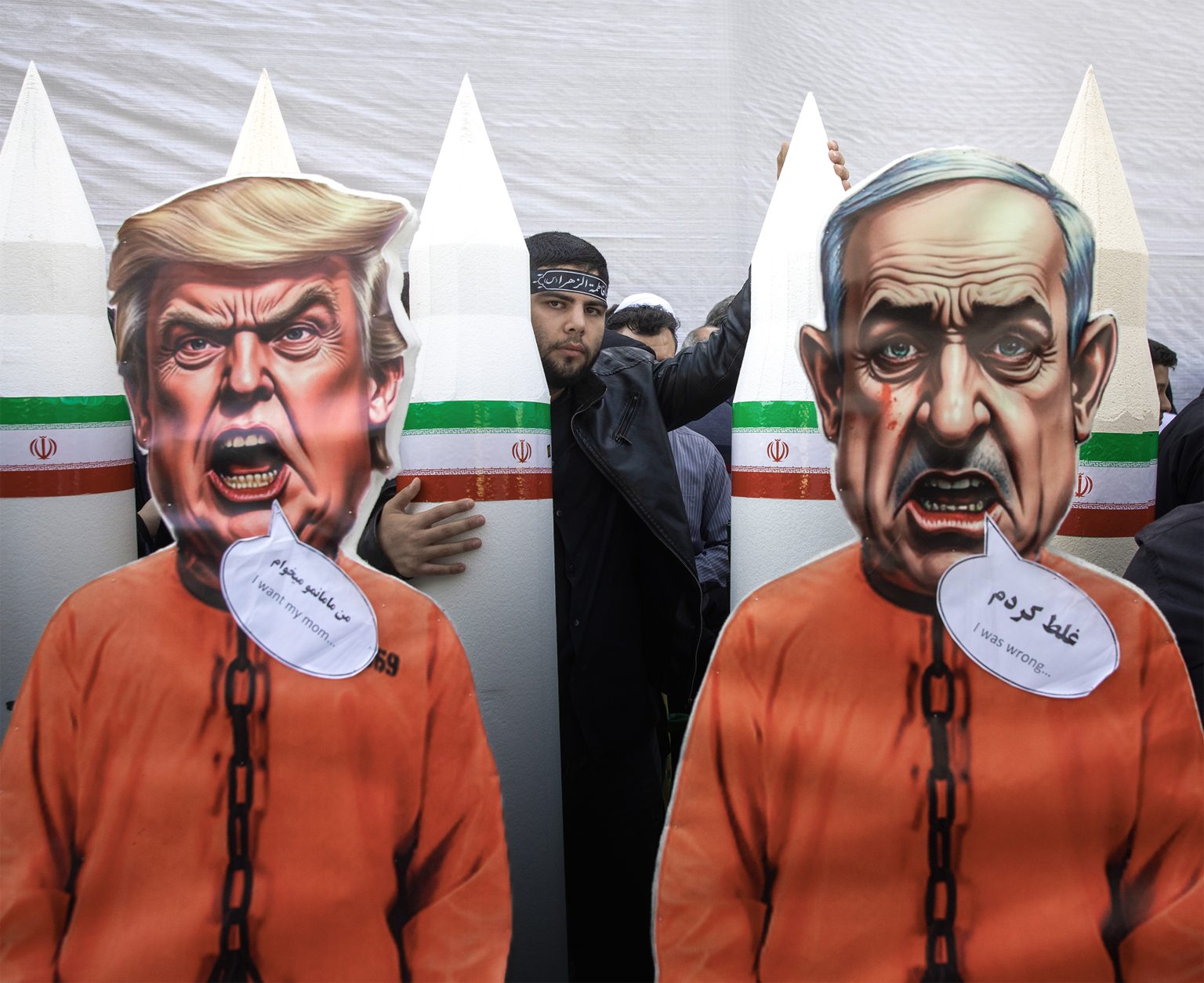
Israel and the United States struck Iran on 28 February. The attack followed several armed confrontations in recent years, one of the first and most significant being the terror attack carried out by militants from the Iranian-backed Hamas against Israel in October 2023.
However, Tel Aviv and Tehran did not enter into direct conflict until April 2024, after an Israeli strike on the Iranian consulate building in Damascus, Syria, which killed high-ranking generals of the Islamic Revolutionary Guard Corps.
The conflict then escalated over the following two years and culminated in a 12-day war in June 2025, followed by intense negotiations focused primarily on Iran’s nuclear programme.
Yet, neither Israel nor the United States considered the outcome satisfactory and, in violation of international law, launched what they described as a ‘preventive’ strike. The operation killed Iran’s supreme leader Ali Khamenei, members of his family, several of his closest advisers and, according to the Red Crescent, hundreds of civilians.
War in the Middle East may not be in Europe’s interest
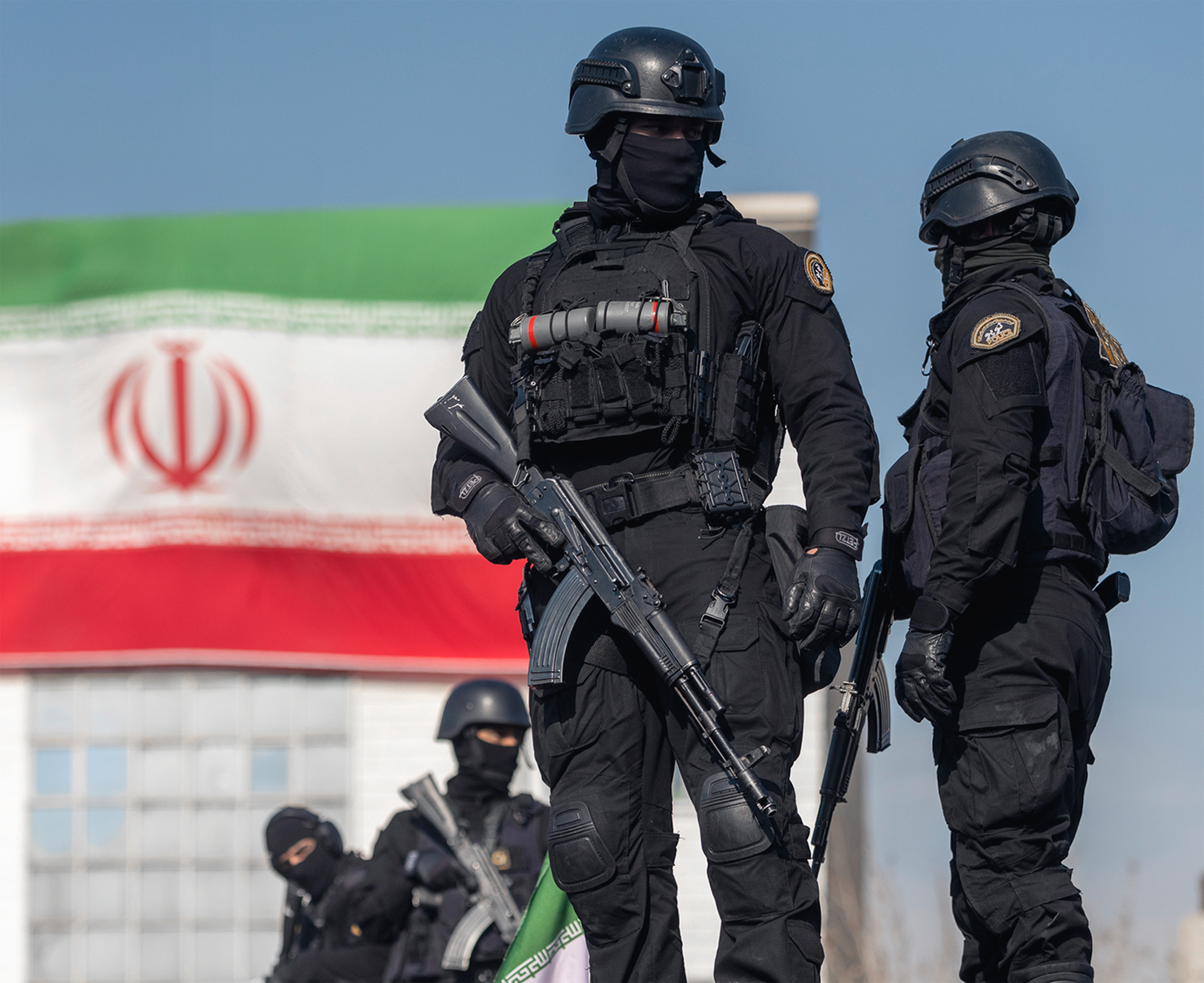
Iran has already launched retaliatory attacks on Israel as well as on US bases in Qatar, Bahrain, Saudi Arabia and the United Arab Emirates.
Several direct consequences are already becoming apparent and they could have a highly negative impact on life in Europe if the conflict drags on.
The US-Israeli offensive could lead to three or four possible scenarios: a relatively quick and successful overthrow of the regime by the Iranian population followed by a period of chaos, a prolonged civil war, or the consolidation of power in the hands of the regime and greater unity against external enemies. Another possibility is that the conflict develops into a prolonged regional war with an uncertain outcome.
None of these scenarios would be particularly favourable for Europe and two would be clearly negative. The United States and Israel have attacked a country with a population of almost 100 million and a territory nearly three times the size of Ukraine. If the conflict drags on, hundreds of thousands of people could flee the region. Europe may therefore have to prepare for a new wave of migration that could become the largest so far.
Prolonged fighting will also affect the combat capability that can be offered to Ukraine. Various think tanks have discussed such scenarios since Hamas attacked Israel, examining how far the United States can pursue its interests on several fronts at once. In particular, ammunition for air-defence systems may become scarce.
President Volodymyr Zelenskyy said it is ‘too early’ to assess whether the war with Iran will affect arms supplies to Ukraine, but former deputy defence minister Kateryna Chernohorenko has already written on social media that the conflict could ‘very quickly develop into a crisis of components for the defence industry in Ukraine’.
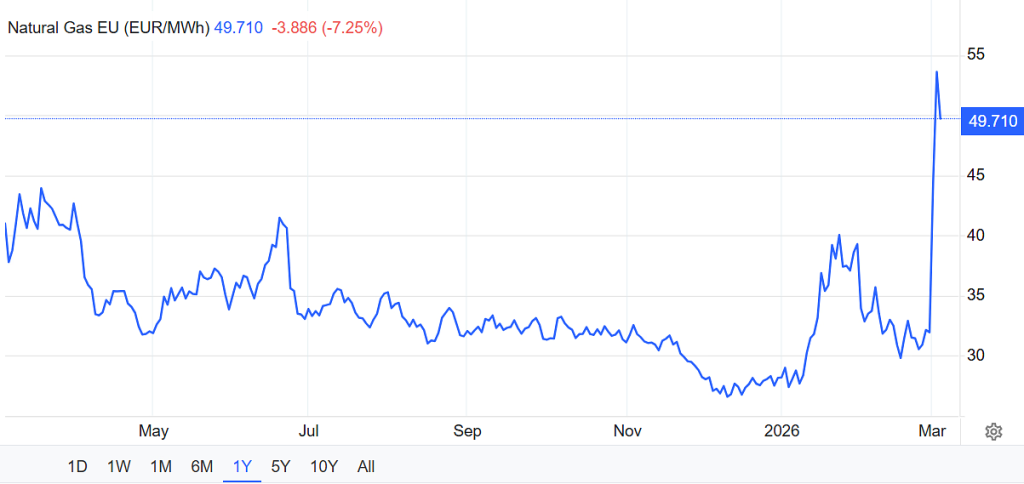
But the return of the energy crisis – already visible after four days of war – will probably hit Europeans hardest. The impact will be felt on both fronts: oil and gas.
By midday on Tuesday, gas prices in Europe were about 100 per cent higher than before the weekend launch of the US-Israeli offensive.
Europe faces soaring energy prices
The war is also occurring at a time when Europe has decided to cut itself off from a large and flexible supplier and has moved from diversifying its dependence on Russian gas to a complete ban on it. Market conditions are further complicated by the fact that European storage facilities are almost empty after a relatively harsh winter. They are only about 30 per cent full, while the heating season has not yet ended and they will need to be refilled before the next winter.
All of this amplifies the impact of every development in the Middle East. At present, there are two main reasons for the surge in prices.
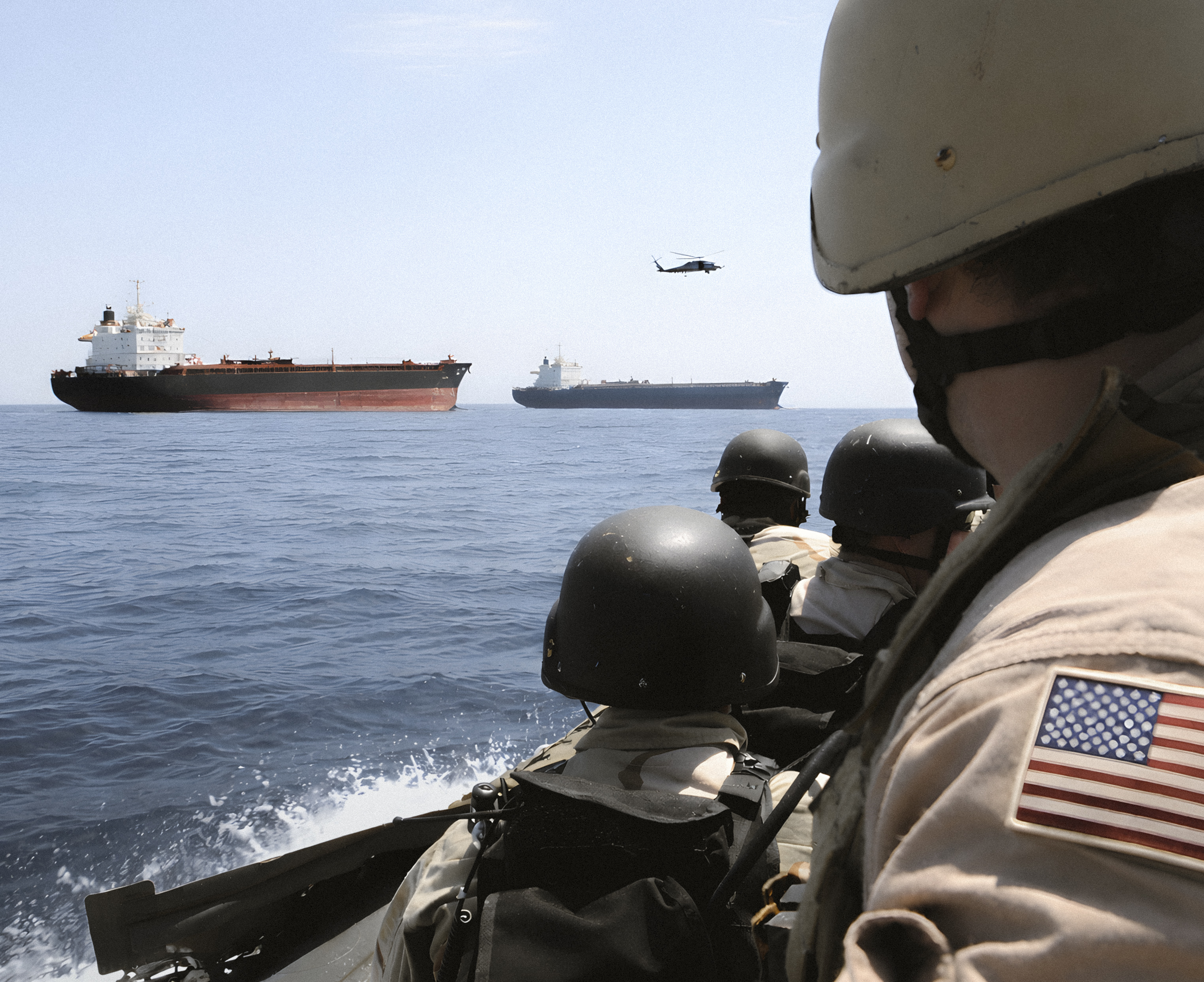
Tehran has warned that the sea route through the Strait of Hormuz – through which roughly 20 per cent of global liquefied gas and a similar share of oil from the Persian Gulf reach world markets – is currently dangerous. Although there has been no physical blockade so far, such as mining of the route, traffic has effectively been suspended and insurance companies are refusing to insure tankers.
The second factor is concern over how far Iran may go in its retaliation. On Monday, a drone struck one of QatarEnergy’s facilities, prompting Qatar to halt production of liquefied natural gas. The incident signalled that the Iranian regime may be willing to resort to measures it would otherwise avoid following the assassination of Khamenei.
That is one reason why the probability of a hard blockade of Hormuz is increasing, even though such a move would also harm Iran financially, as the country exports much of its own oil to China through the same route.
Despite those concerns, the rise in oil prices has been more moderate than the surge in gas prices, at roughly 15 per cent. Analysts mainly speak of prices exceeding $100 per barrel if exports from the Persian Gulf are disrupted. In the event of a prolonged conflict and a de facto blockade of the Strait of Hormuz lasting several weeks, prices could easily double from the pre-war level of about $70.
Russia will profit
While Europe will bear the costs of another war, Russia stands to benefit. The situation in the Russian economy is currently difficult. Western sanctions and embargoes have not caused a collapse, but over the longer term, the economy has been steadily weakened.
In 2023 and 2024, these problems were masked by a massive increase in military spending, which spilled over into large parts of the economy. As a result, the economy grew rapidly, although different sectors developed unevenly.
Further large-scale increases in military spending are no longer possible. State finances have been strained by low oil prices, and the budget has had to draw on reserves from the National Wealth Fund. The absence of additional fiscal stimulus, combined with extremely high interest rates imposed by the central bank to combat persistent inflation, has pushed the economy close to stagnation.
In recent months, analysts have estimated that the Kremlin – under the current tax system and with oil prices at 2025 levels – would have sufficient reserves to finance the war for another one or two years. Last year’s budget deficit was initially estimated at about 0.5 per cent of GDP but ultimately proved five times higher.
For this year, the deficit is officially projected at 1.6 per cent of GDP. Still, the National Wealth Fund holds liquid reserves equivalent to only about 2 per cent of GDP, and it is difficult to see how the deficit could be financed from other sources. The main alternative would simply be to raise taxes.
The attack on Iran is changing that outlook.
Russian oil, the main source of state tax revenue, has risen by about 10 per cent within a few days. Although that increase will not fundamentally change the condition of the Russian economy, it does give the Kremlin more room for manoeuvre in financing the war.
The effect is not limited to prices. If the Strait of Hormuz remains effectively blocked, Asian countries, especially China, will face major difficulties with energy supplies. Roughly half of China’s oil imports and about a third of its gas imports come from the Persian Gulf.
Russia could therefore partially replace supplies from the Middle East while also selling its oil to China at much smaller discounts than before. The buyer would simply have far fewer alternatives.
Logistics would be somewhat more complicated in the case of gas, but even there, additional trade in liquefied natural gas could theoretically expand. At the same time, the stalled Power of Siberia 2 gas pipeline project could regain momentum, bringing the two powers even closer together. The paradox is that this is one of the developments Donald Trump had sought until recently to prevent.